The hot-cool fan check starts before it is plugged in
A June recall of Merkury Innovations Hot + Cool fans shows why model labels, cords and refund instructions matter for small seasonal appliances.

Small appliances have a habit of moving around the home without much ceremony. A fan bought for a hot bedroom can reappear beside a desk. A small heater used in a spare room can spend months in a cupboard, then come out for one chilly morning. By the time it is plugged in again, the box, receipt and original listing may be long gone.
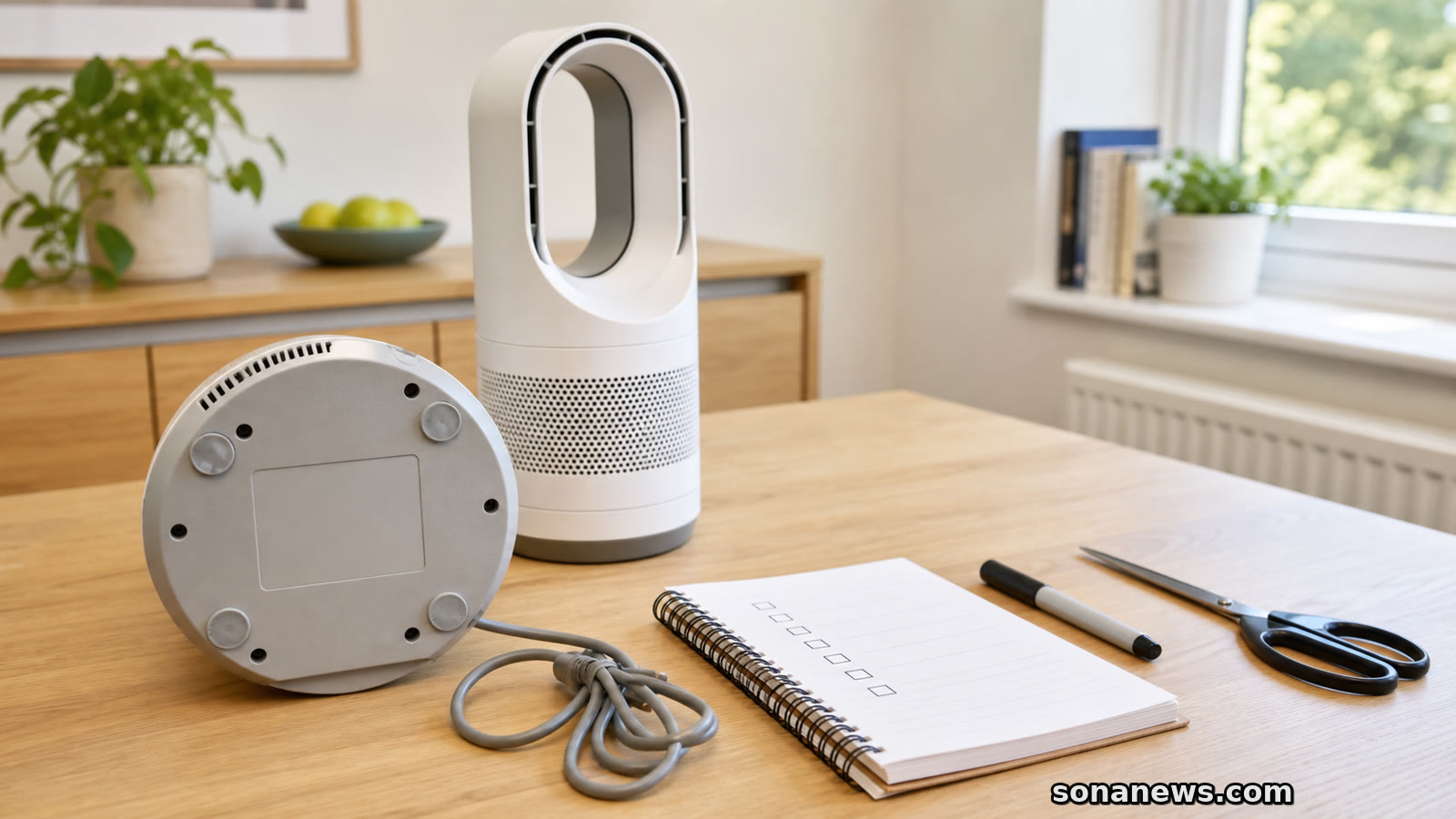
That is why the bottom label can matter more than the memory of where something was bought. On June 11, the U.S. Consumer Product Safety Commission announced a recall of about 18,000 Merkury Innovations Hot + Cool Heating and Cooling Fans. The recalled product is a portable bladeless fan and heater, identified by CPSC as model MI-DHC02, with the model number on a white label on the bottom of the product and on the packaging.
CPSC's hazard language is blunt. The fan can overheat, posing a risk of serious injury or death from a fire hazard. Merkury Innovations has received two reports of the fan catching fire when connected to a power source, including one report involving smoke damage to property. The notice lists no reported injuries.
The sales trail is the sort many households will recognise. CPSC says the fans were sold at TJMaxx, Marshalls and Sierra stores nationwide from October 2024 through October 2025 for about $30. Those are everyday retail settings, not specialist appliance showrooms. A low price and a seasonal use case can make a product feel disposable, but recall instructions still depend on exact identification.
The remedy is not a casual bin-it-and-move-on moment. CPSC says consumers are to stop using the recalled fan immediately and contact Merkury Innovations for a full refund. The official firm page says owners must register, write their initials, the date and the word "RECALLED" on the fan, photograph it, cut the power cord, photograph the cut cord, then wait for confirmation and disposal instructions. The page also says to keep the fan unplugged and not dispose of it until registration is accepted.
That process may feel fussy, but it serves several purposes. It helps remove a recalled electrical product from use. It creates a record for the refund. It also reduces the chance that the same object is passed to a friend, donated, resold or left in a shared cupboard where another person later treats it as ordinary equipment. Recalls are only useful when they reach the object, not just the original buyer's inbox.
The wider safety context needs careful framing. This recall is about one named product, not every fan, every portable heater or every discount-store purchase. Still, combination appliances blur the categories people use at home. A hot-and-cool device may be thought of as a fan in June, a heater in November and a harmless spare in between. The safety question follows the model number, not the season.
U.S. Fire Administration data explains why small heating products receive sustained attention. USFA says heating fires were the second leading cause of home fires in 2021, with an estimated 32,200 home heating fires, 190 deaths, 625 injuries and $442 million in property loss. It also says home portable heater fires were only 3 percent of all home heating fires annually for 2017 to 2019, but accounted for 41 percent of fatal heating fires in homes. Those figures do not describe this recall specifically. They do show why a plug-in product that heats air is treated as more than background clutter.
Fire safety also depends on the boring systems around the appliance. CPSC's fire safety centre points to working smoke alarms on every level of the home, outside sleeping areas and inside bedrooms, plus an escape plan that has been practised. It says more than 2,200 people die each year from unintentional home fires, and that almost two-thirds of those deaths occur in homes with no smoke alarms or alarms that do not work. A product recall is not a substitute for those basics.
For readers outside the United States, the brand route and refund process may not apply. The underlying habit still travels well: check the official recall source for the market where the product was sold, use the exact model label rather than a resemblance, and treat cords, chargers and heat settings as part of the product record. A screenshot of an order, a photo of the label and a saved recall link can save a surprising amount of later guesswork.
The hot-cool fan check is not dramatic. It is a minute at the bottom of a small appliance before it is plugged in. If the model is not affected, the answer is reassuringly dull. If it is affected, the official route matters more than improvising a fix, lending it on or assuming the problem belongs to someone else's household.
Editorial note. This article is general household and product-safety information, not medical, legal, electrical, repair or fire-safety advice. For a specific recalled product, use the official recall notice and company route. For smoke, fire, burns, wiring concerns or immediate hazards, use qualified local professional, medical or emergency guidance.
Sources
- Source: "Merkury Innovations Recalls Hot + Cool Heating and Cooling Fans Due to Risk of Serious Injury or Death from Fire Hazard", Extracted 2026-06-17. Verified: recall date June 11, 2026; recall number 26-539; about 18,000 units; product type and model identification; hazard wording; sales channels, dates and price; two fire reports, smoke damage report and no reported injuries; full-refund remedy
- Source: "Fan Recall", Extracted 2026-06-17. Verified: firm recall page hazard wording; model number shown as MI-DHC02-199; registration requirements including unplugging, marking the fan, cutting the cord, photo uploads, keeping the fan unplugged and waiting for confirmation before disposal
- Source: "Heating Fire Safety", Extracted 2026-06-17. Verified: 2021 U.S. heating-fire estimates; heating fires as the second leading cause of home fires; portable heater fire share and fatal-heating-fire share for 2017 to 2019; general safe-heating messages
- Source: "Fire Safety", Extracted 2026-06-17. Verified: CPSC smoke-alarm guidance, home fire death context, escape planning and working-smoke-alarm risk reduction language
Help us improve
Was this article useful?
One anonymous tap helps Sona improve future reporting, headlines and source context.
Up next
A gold-coloured lamp has been recalled because its plug can overheat. With no model or serial identifier published, the order record matters more than a visual match.
Continue readingMore in Home & Living