Health
Clear health coverage that avoids panic and focuses on evidence, risk, and practical context.
Latest in Health
Back to front page ›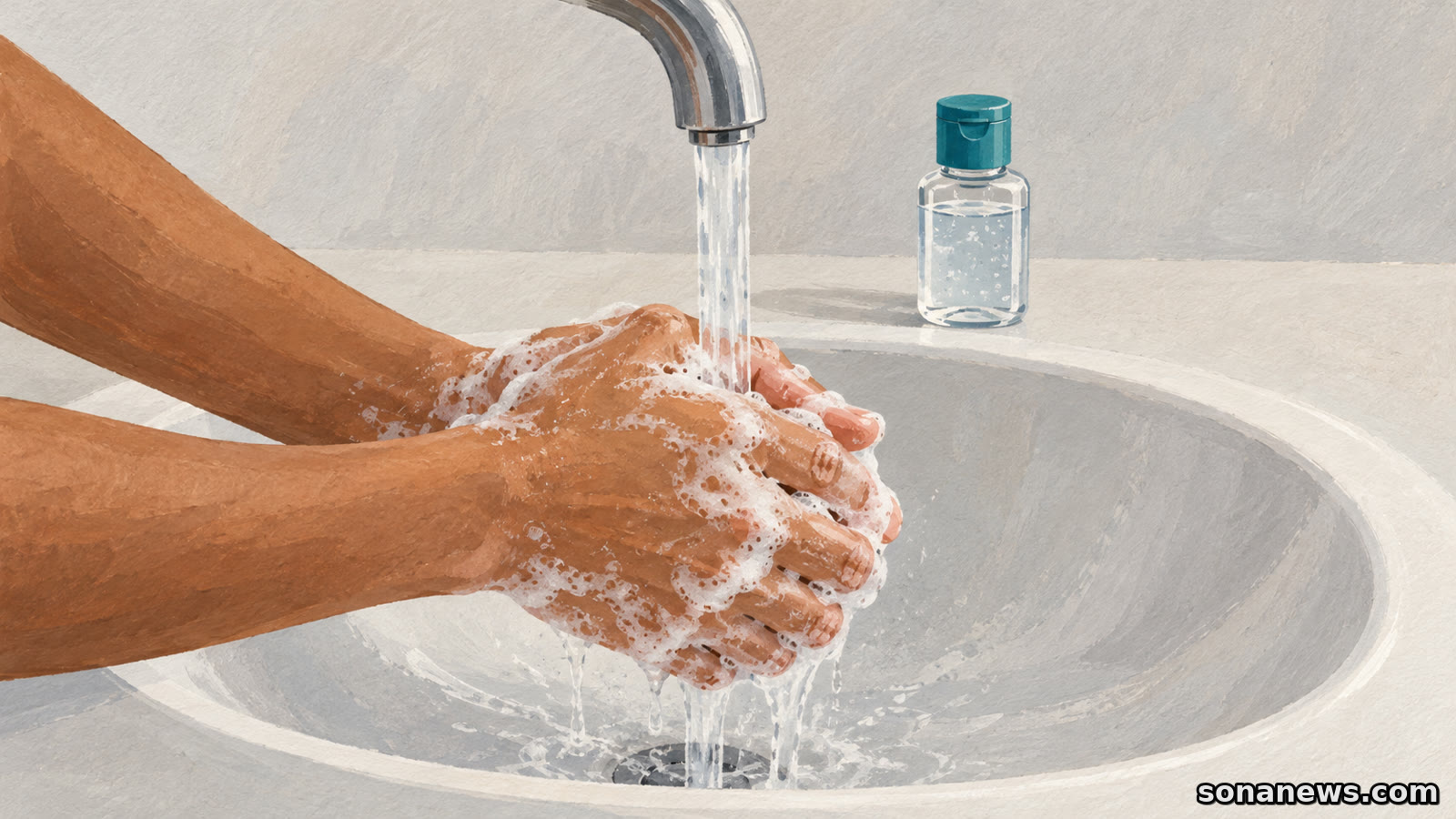
Norovirus: why hand gel cannot replace soap and water
US and UK health guidance makes the same distinction: alcohol hand gel has a role in everyday hygiene, but it is not a substitute for handwashing against norovirus.
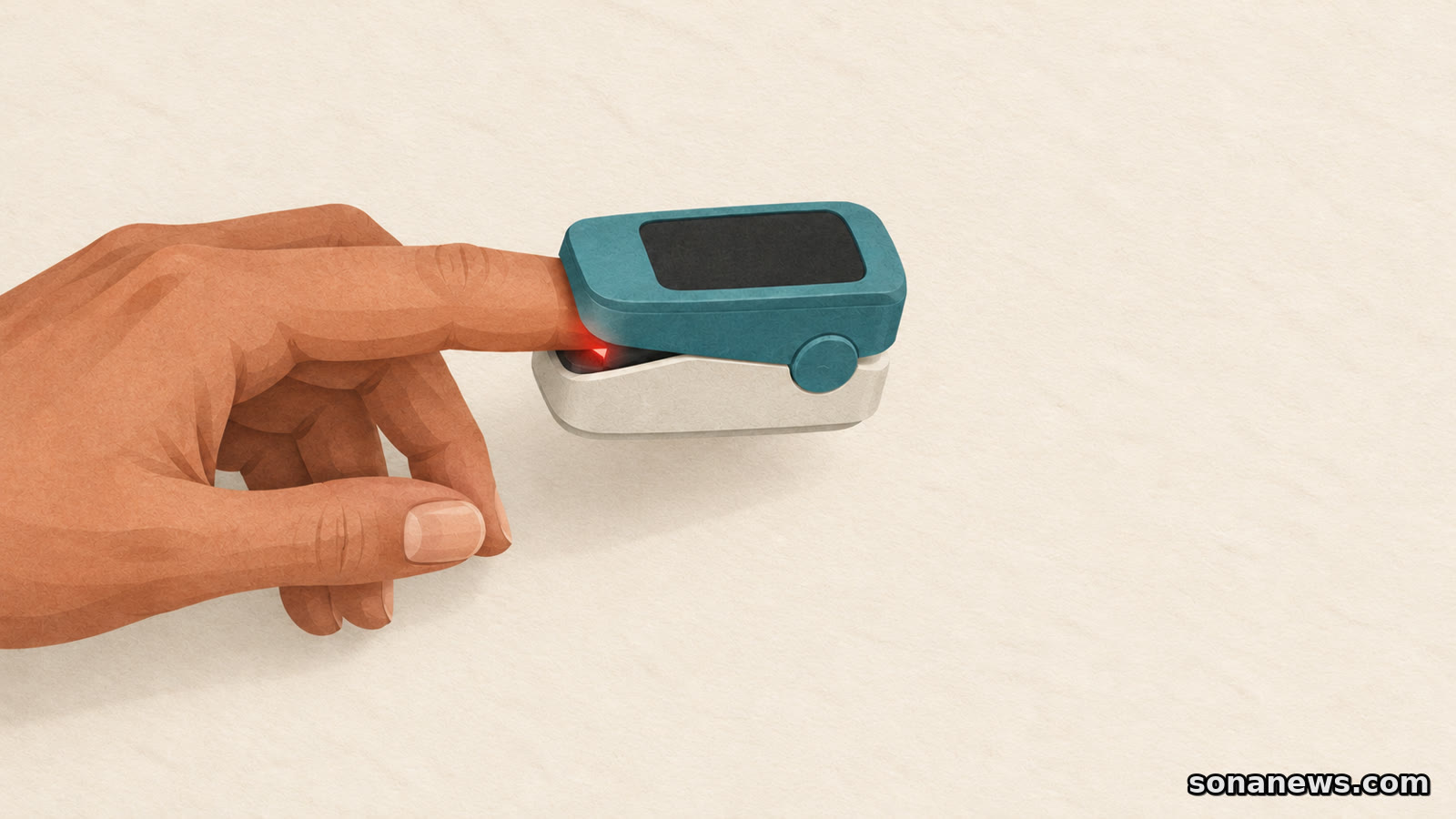
A pulse oximeter reading is an estimate, not the whole picture
The fingertip clip uses light, not a blood sample. US health guidance explains its accuracy limits and why a wellness device is not the same as a medically reviewed one.
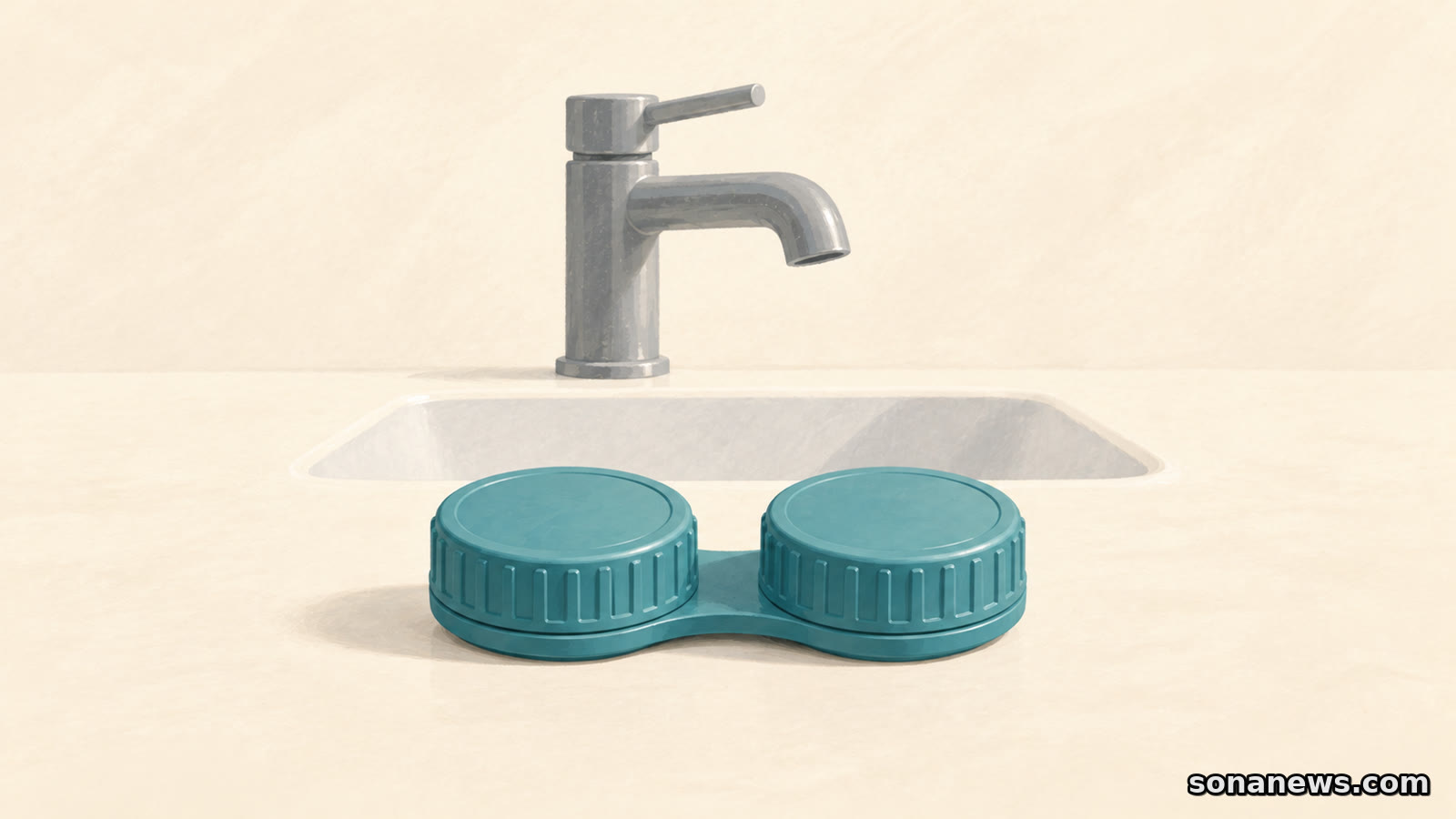
Contact lens care: a clear rinse is not the same as disinfection
Tap water, sterile saline and disinfecting solutions do different jobs. Guidance from US health agencies and a UK eye hospital explains why the distinction matters.
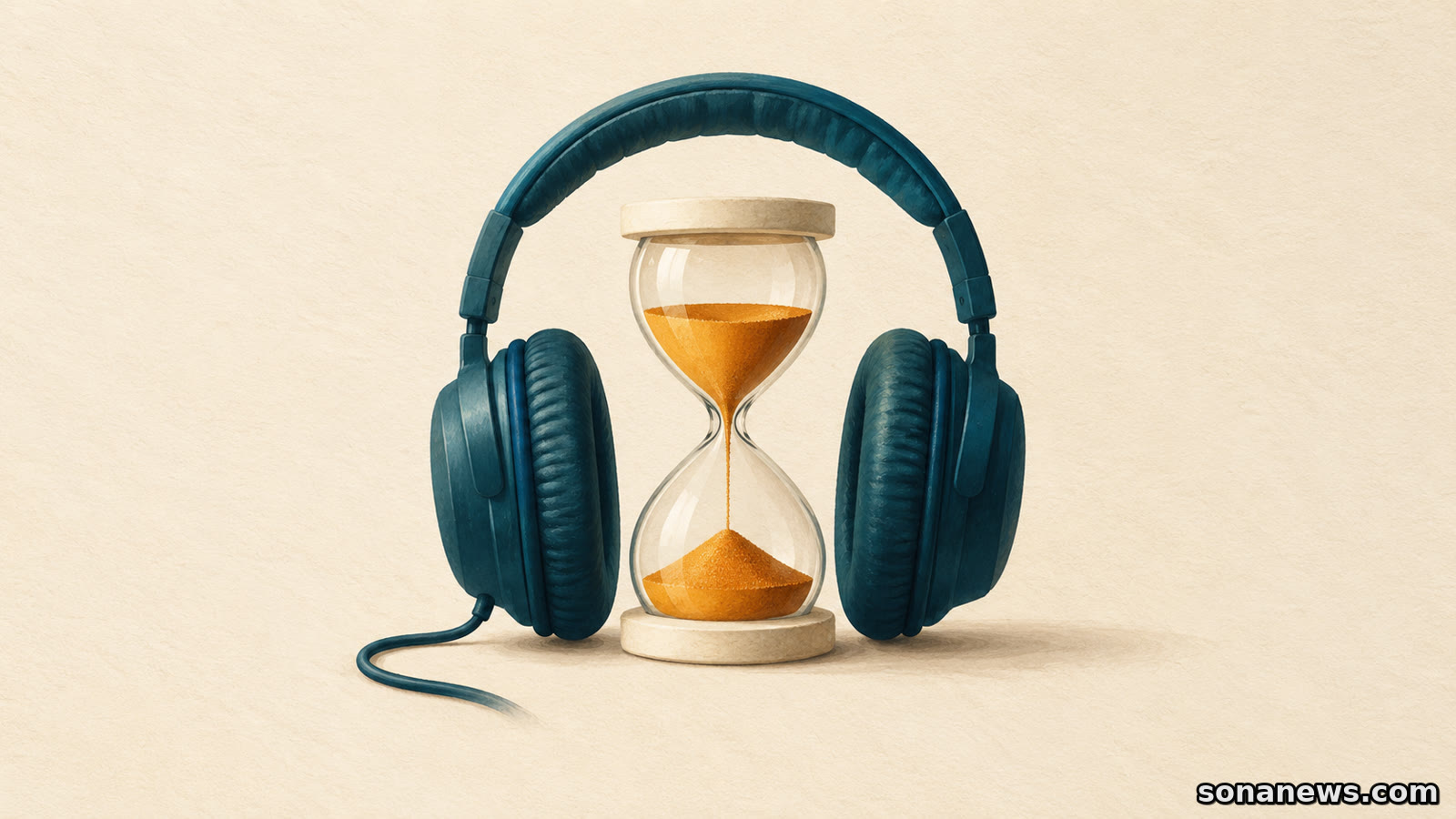
Headphone volume is only part of the hearing-risk story
WHO guidance pairs sound level with listening time. A weekly exposure tracker can make that relationship clearer, but it is not a hearing test or a personal safety guarantee.
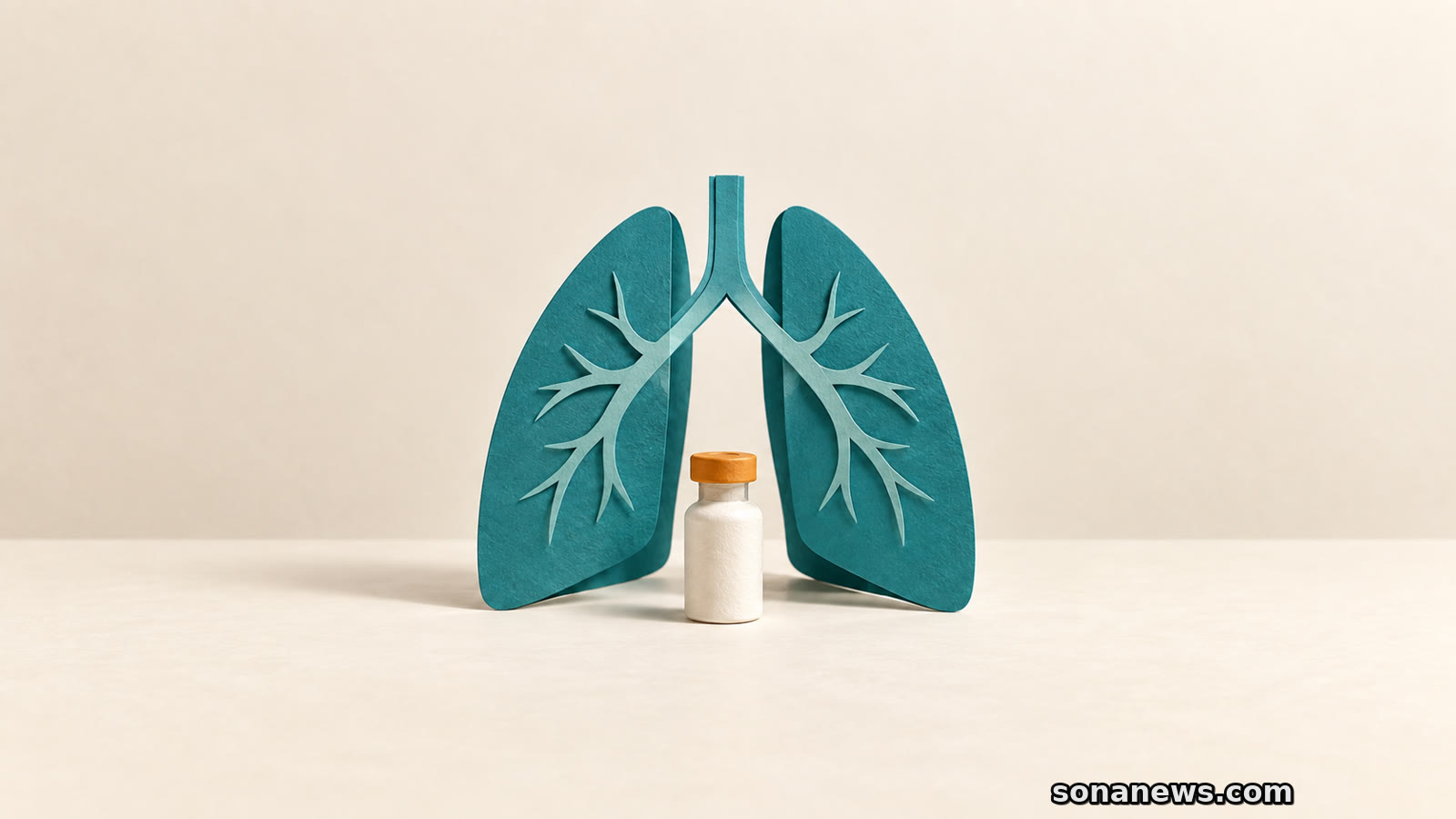
RSV vaccination in England: who qualifies at 65 to 74?
September's expansion covers specified lung conditions and weakened immunity, not the entire age group. Current NHS guidance explains the asthma boundary, appointments and why this is not an annual jab.
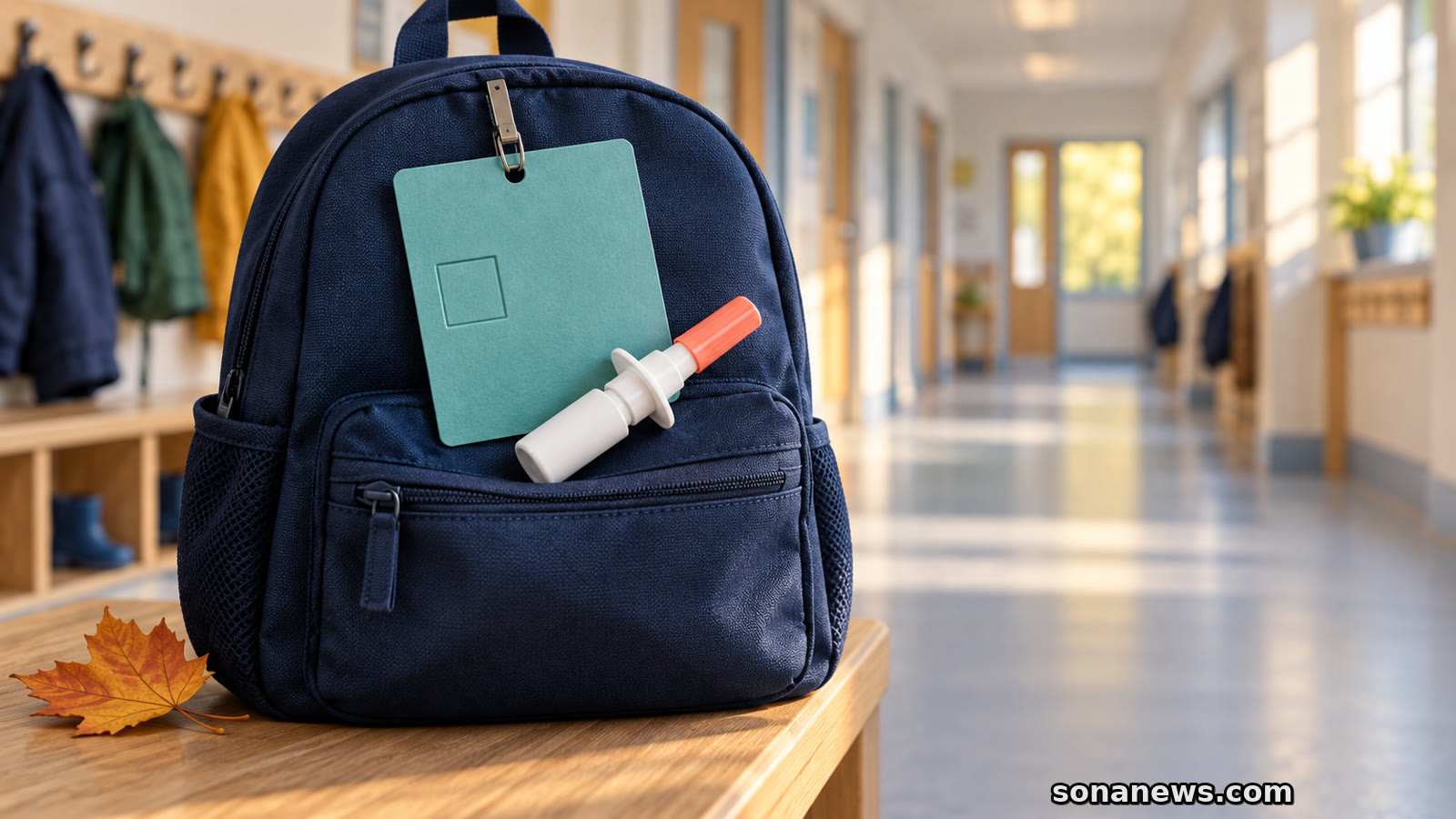
England's school flu rollout starts with a consent request at home
Primary school sessions begin this week, with secondary pupils following later in autumn. For most families, the practical deadline comes from the local school immunisation team.

Bhutan eliminated dog-transmitted human rabies as a public health problem. The defences stay
WHO's validation rests on zero dog-mediated human rabies deaths since June 2023 and a system built to keep working: dog vaccination, post-exposure care, surveillance and border coordination.
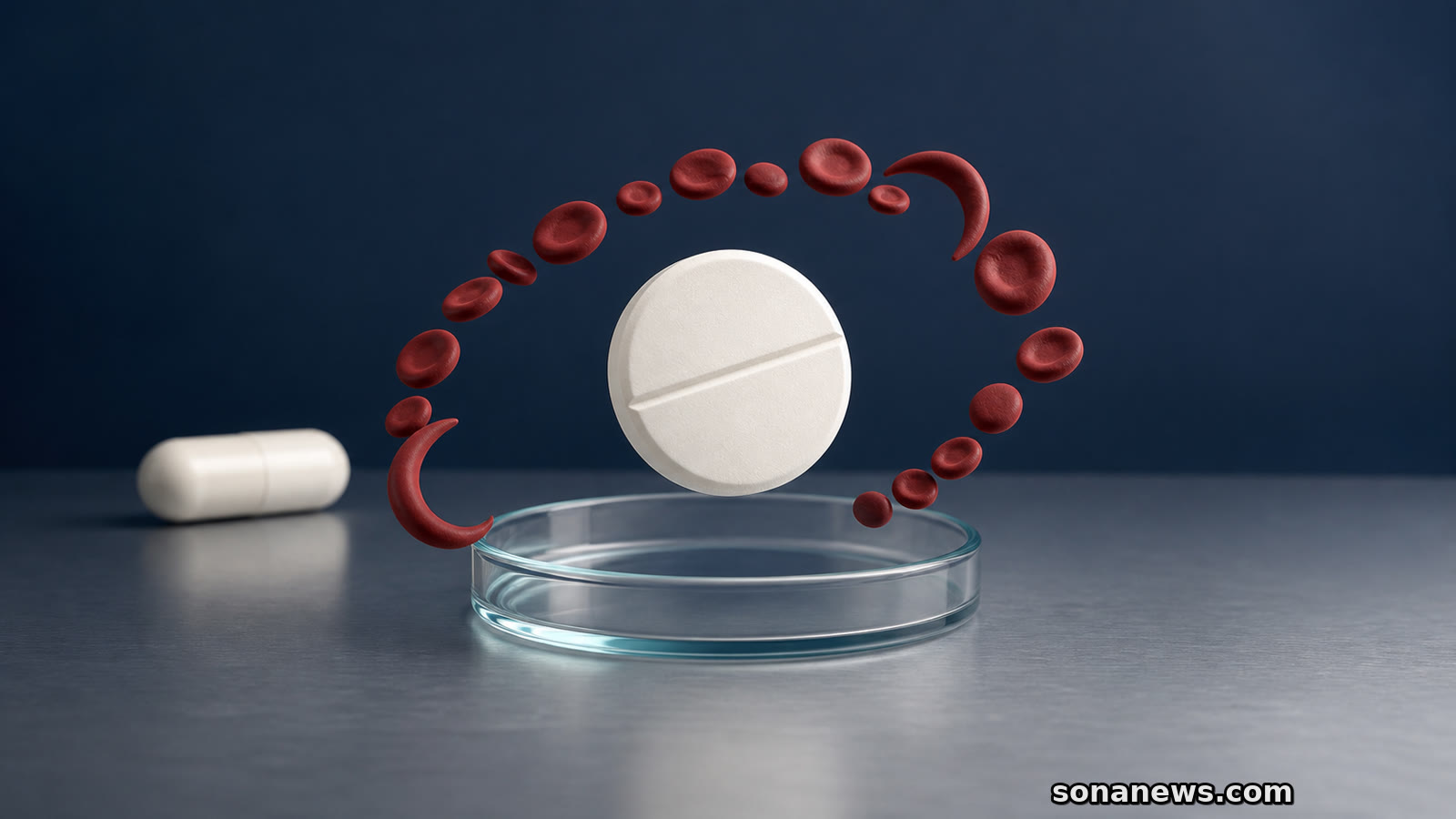
WHO's sickle cell push starts with the shape of a tablet
New guidance says hydroxyurea should reach far more children, but the next gap is practical: dose-flexible medicine that manufacturers can supply and health systems can support.

Why the newest measles count can be the least complete
A CDC study of South Carolina's 2025-26 outbreak shows how reporting delays can create a false decline, and where a nowcast helps or fails.
The health-facility sanitation gap is bigger than a missing toilet
A new WHO and UNICEF report shows why usable, accessible toilets and trained environmental cleaning belong inside the definition of safe care.
Europe can map the mosquito. Controlling it is the harder job
A new ECDC survey finds that surveillance has spread further than control in responding countries, while funding, evidence and responsibility remain uneven.
England’s MenB offer has an eligibility gate and a two-dose clock
A new UKHSA flow chart makes the boundary clearer: the 2026 offer covers one school-leaver age band and some first-time students, not everyone under 25.
The GLP-1 safety check now includes where the medicine came from
WHO says approved GLP-1 medicines have a positive benefit-risk profile when appropriately prescribed, while informal channels add a different risk: uncertain identity, strength and handling.
The new cancer model library is a research map, not a treatment forecast
A newly published collection links 665 lab-grown models to tumour and clinical data, but even a faithful model remains a preclinical tool rather than a personal prediction.
Europe's donor-screening rule changes in 2027. The lab work starts now
Fresh ECDC surveys show why harmonising hepatitis B and C checks across blood, tissue and cell donations is a measured laboratory handover, not a sudden alarm.

Breastfeeding rates are rising. The support system still has gaps
WHO and UNICEF say global rates have improved, but uneven counselling, maternity protection and workplace support still leave too much weight on families.
The global vaccination gap is not only about the first dose
WHO and UNICEF’s 2025 estimates show modest progress reaching zero-dose children, while millions who start routine vaccination still miss later doses.
The 45% dementia figure is not a personal promise
WHO’s new guidance turns a striking prevention estimate into a life-course public-health agenda, with evidence that varies by intervention and risk factor.
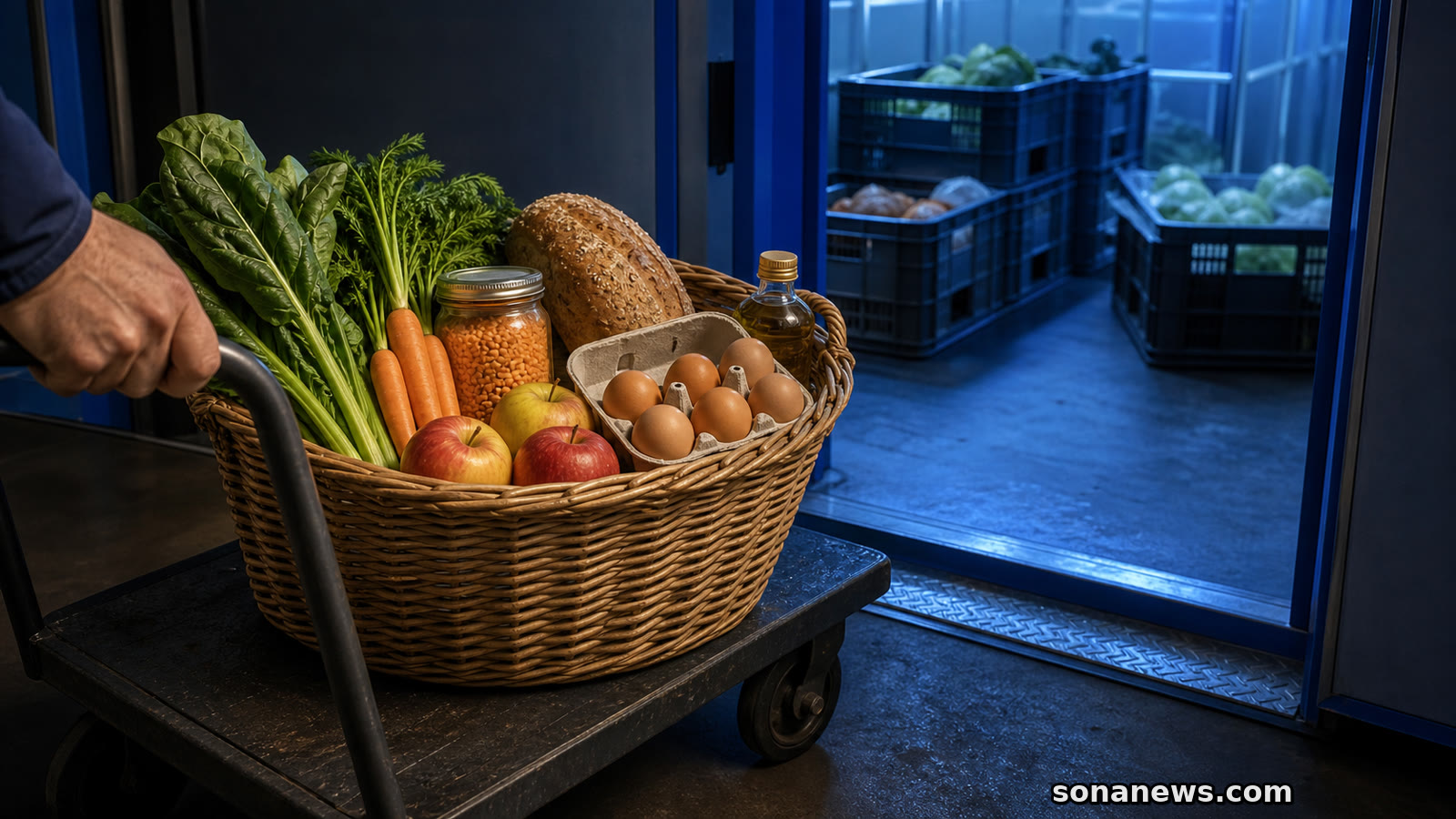
The healthy-diet price is mostly built after the farm gate
The UN’s SOFI 2026 report says global hunger fell again, yet 2.69 billion people could not afford a healthy diet. Its cost measure points beyond the farm to storage, transport and markets.
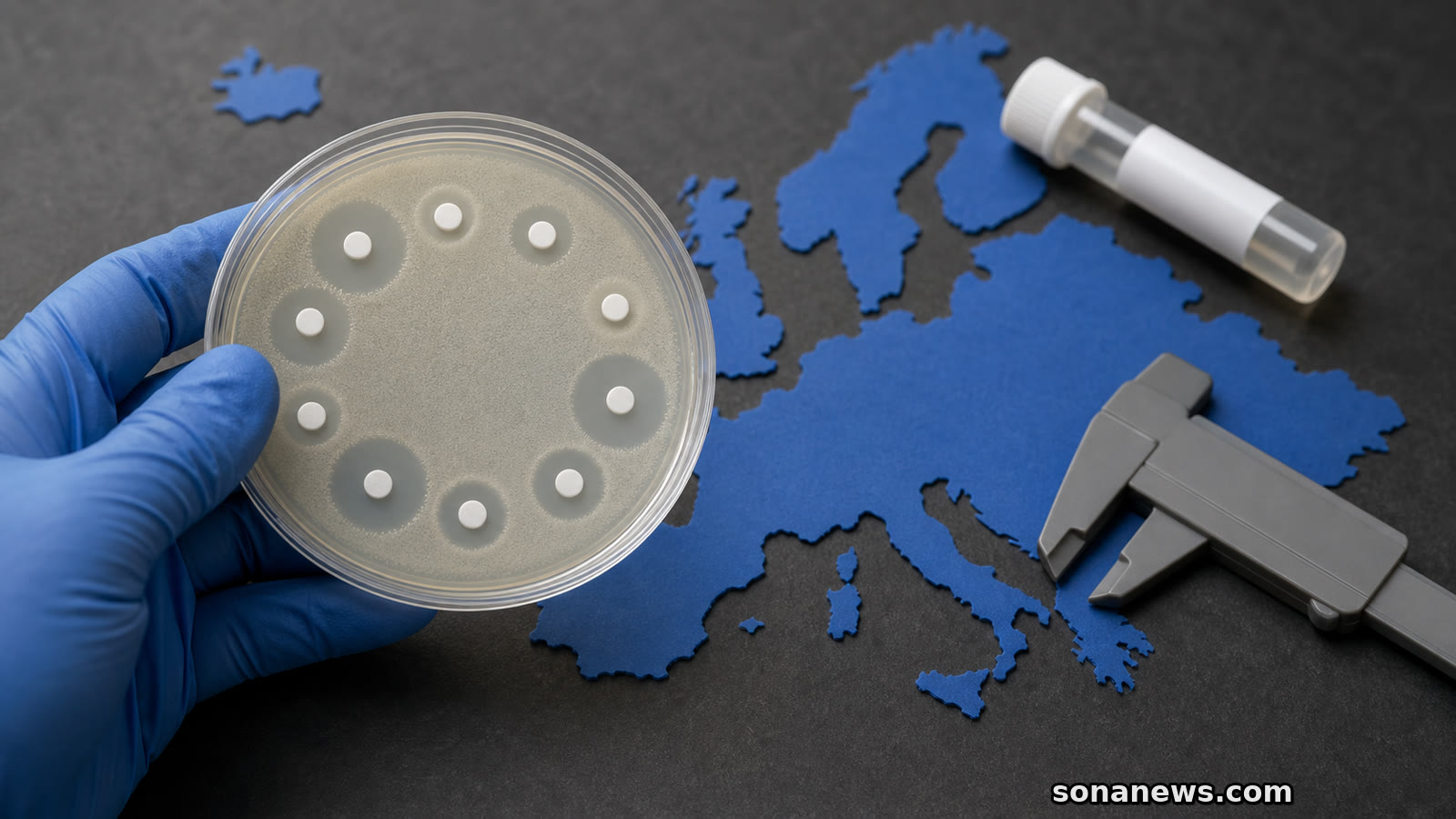
Europe’s drug-resistant gonorrhoea warning starts at the surveillance bench
ECDC says reported ceftriaxone-resistant cases remain limited and general-population risk is low. The harder question is whether laboratories can keep finding resistance early.
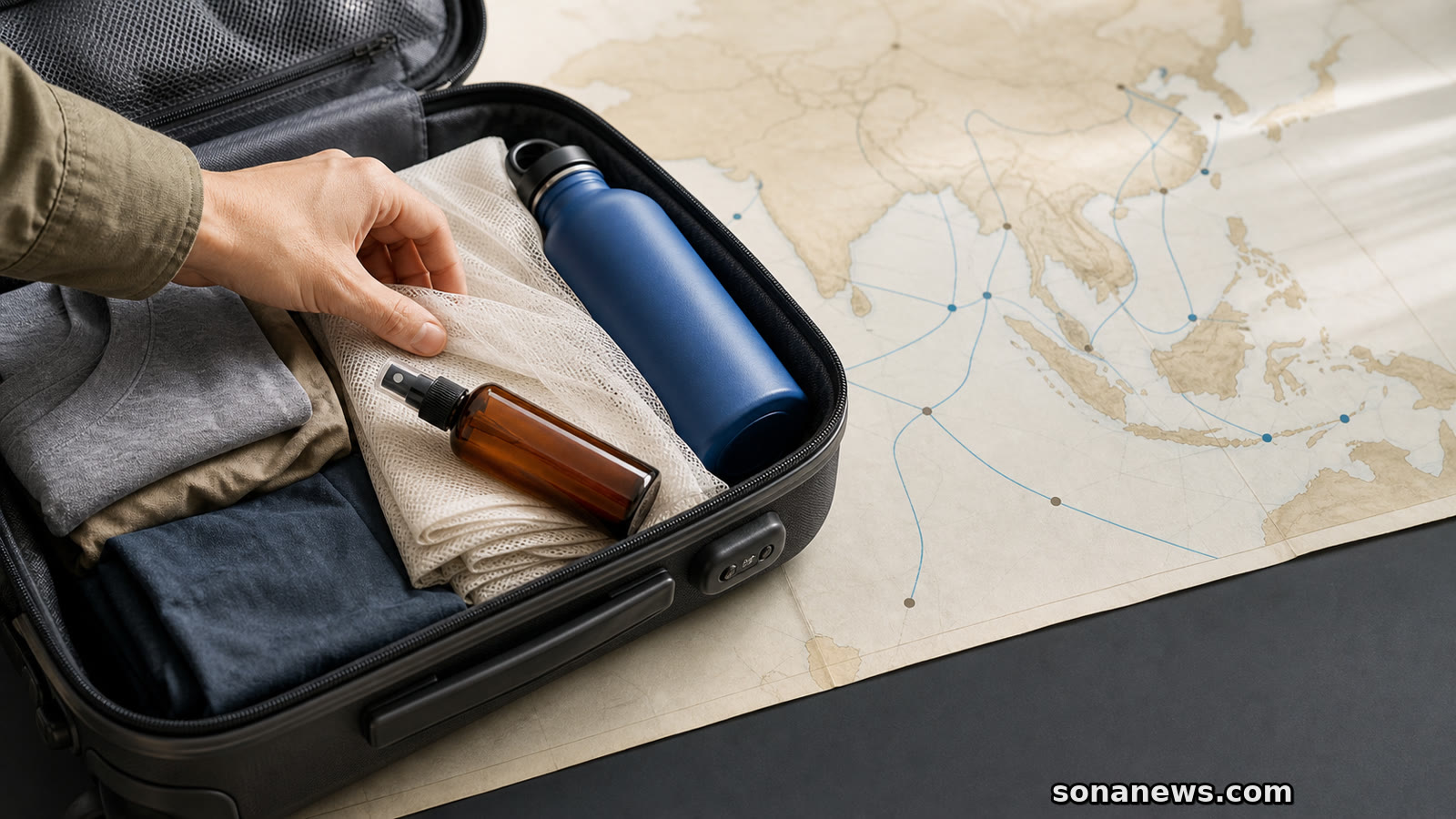
Imported infection counts are not a destination risk ranking
UKHSA’s new travel data tracks dengue, Zika, chikungunya, malaria and enteric fever after return. The figures are useful signals, but they do not replace destination-specific health advice.
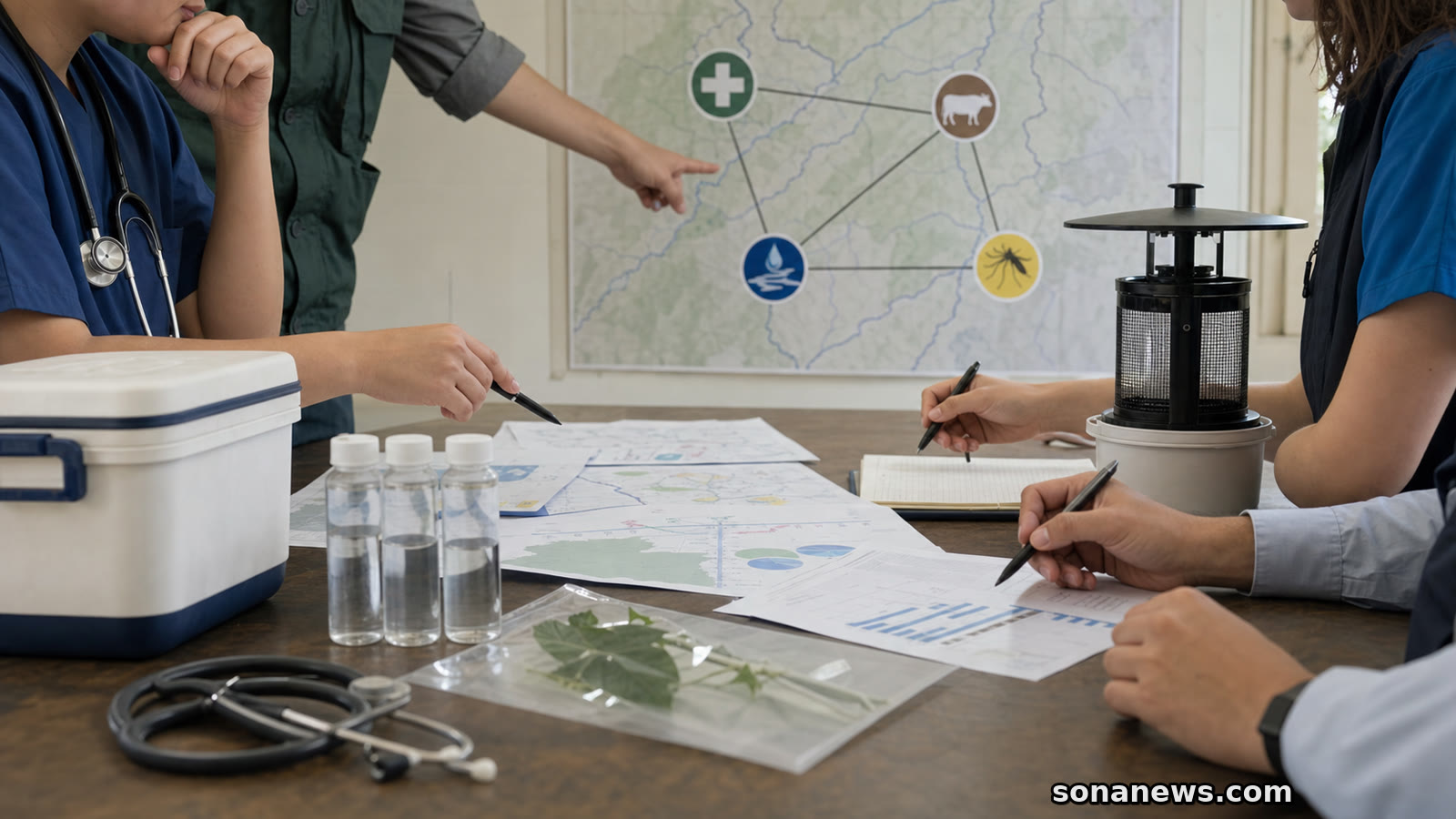
The next health alert may start outside the clinic
WHO’s latest One Health update is a useful reminder that public-health signals now move through animals, water, food systems, climate and labs before they become a clinic story.
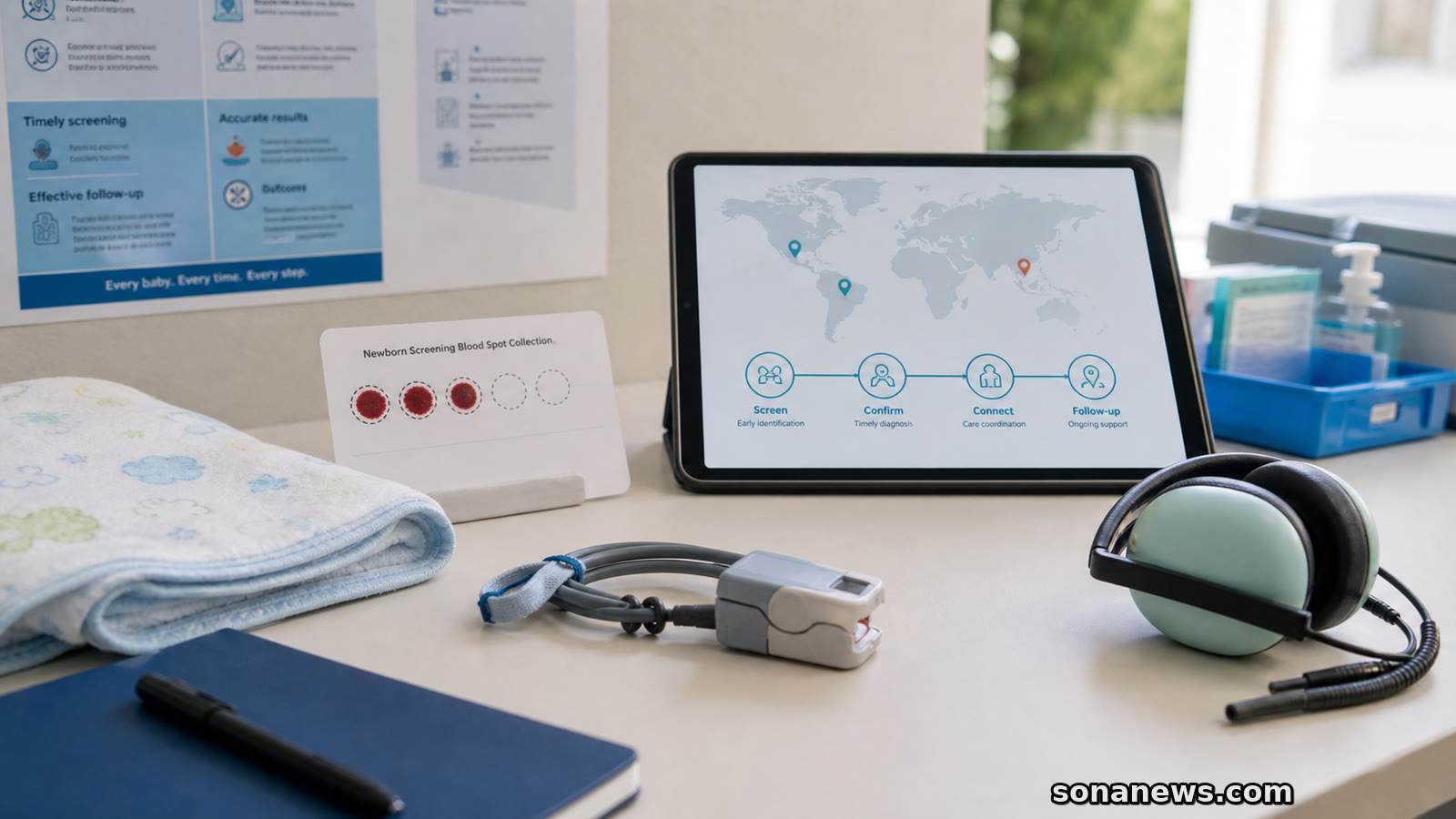
Newborn screening is becoming a health-system test, not just a heel prick
WHO’s new call to expand newborn screening is really about the path after the first result: diagnosis, referral, care and long-term support that poorer health systems often lack.
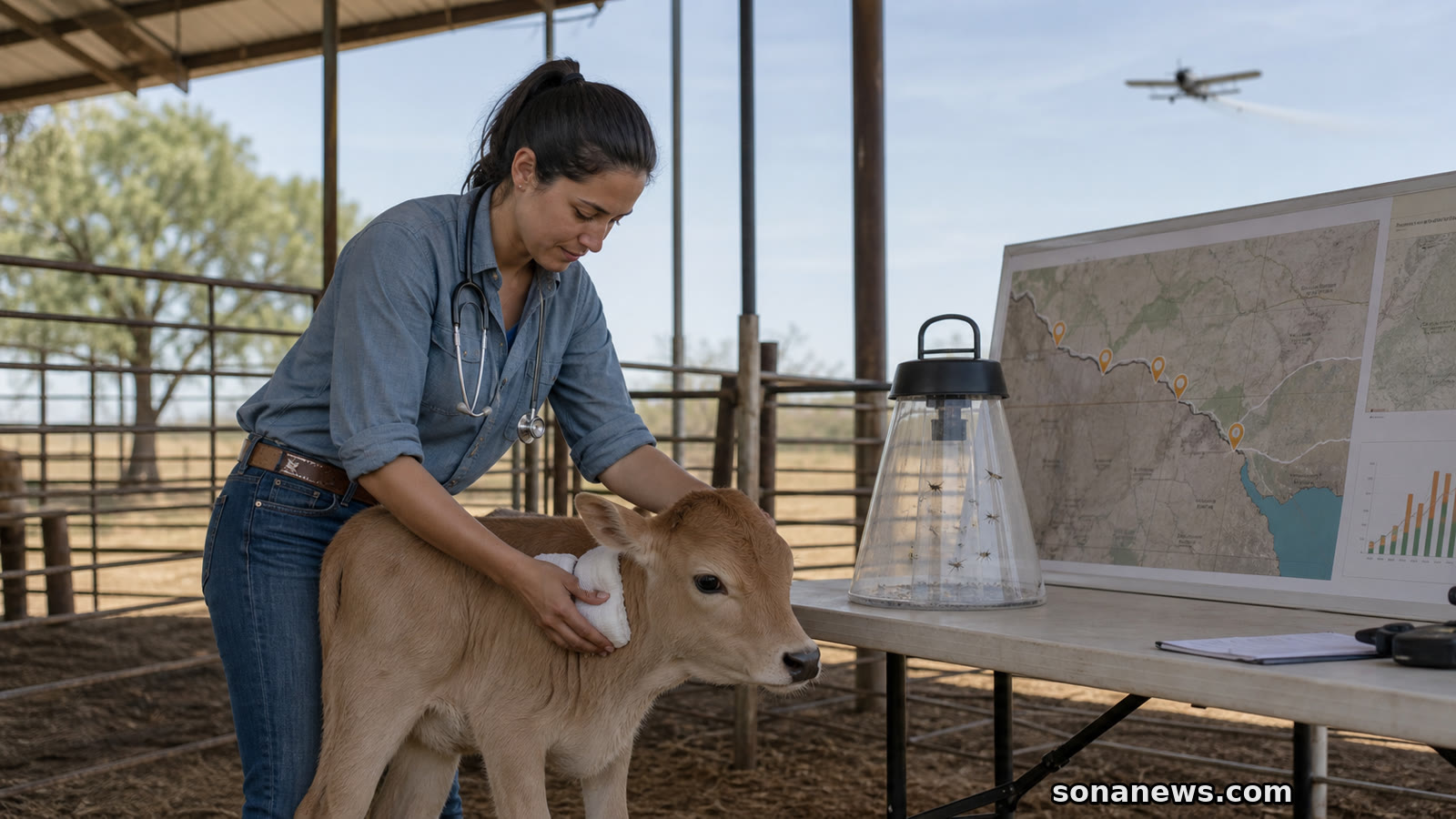
The New World screwworm alert is low-risk, but not background noise
CDC and USDA say the current U.S. risk remains very low and the food supply is safe. The useful story is how animal surveillance, border maps and wound-aware public health fit together.
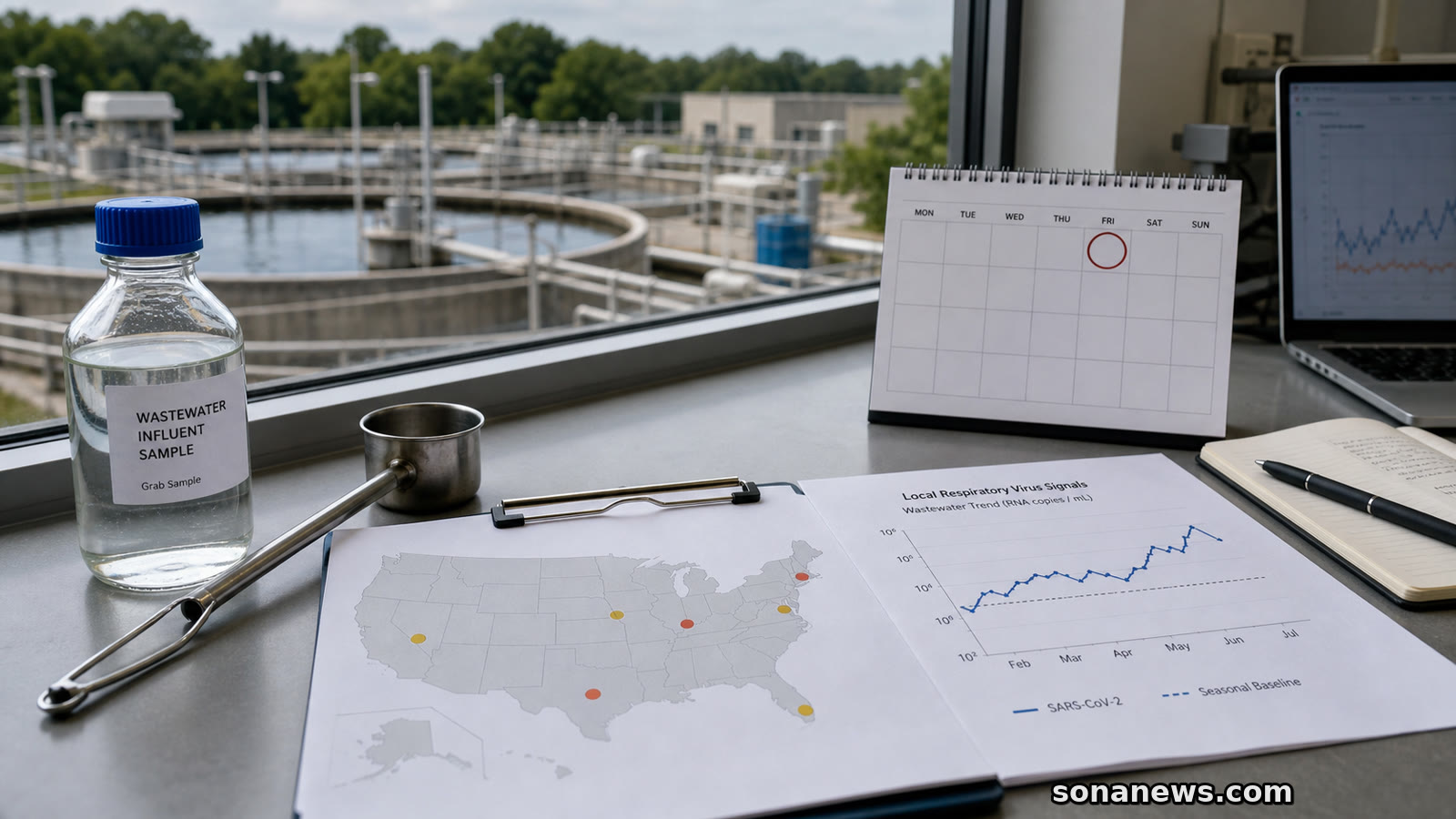
COVID’s summer signal now starts in wastewater, not the waiting room
CDC’s latest wastewater file shows very low COVID-19 activity at most U.S. sample sites, with small local pockets higher. The useful lesson is to read signals locally and calmly.
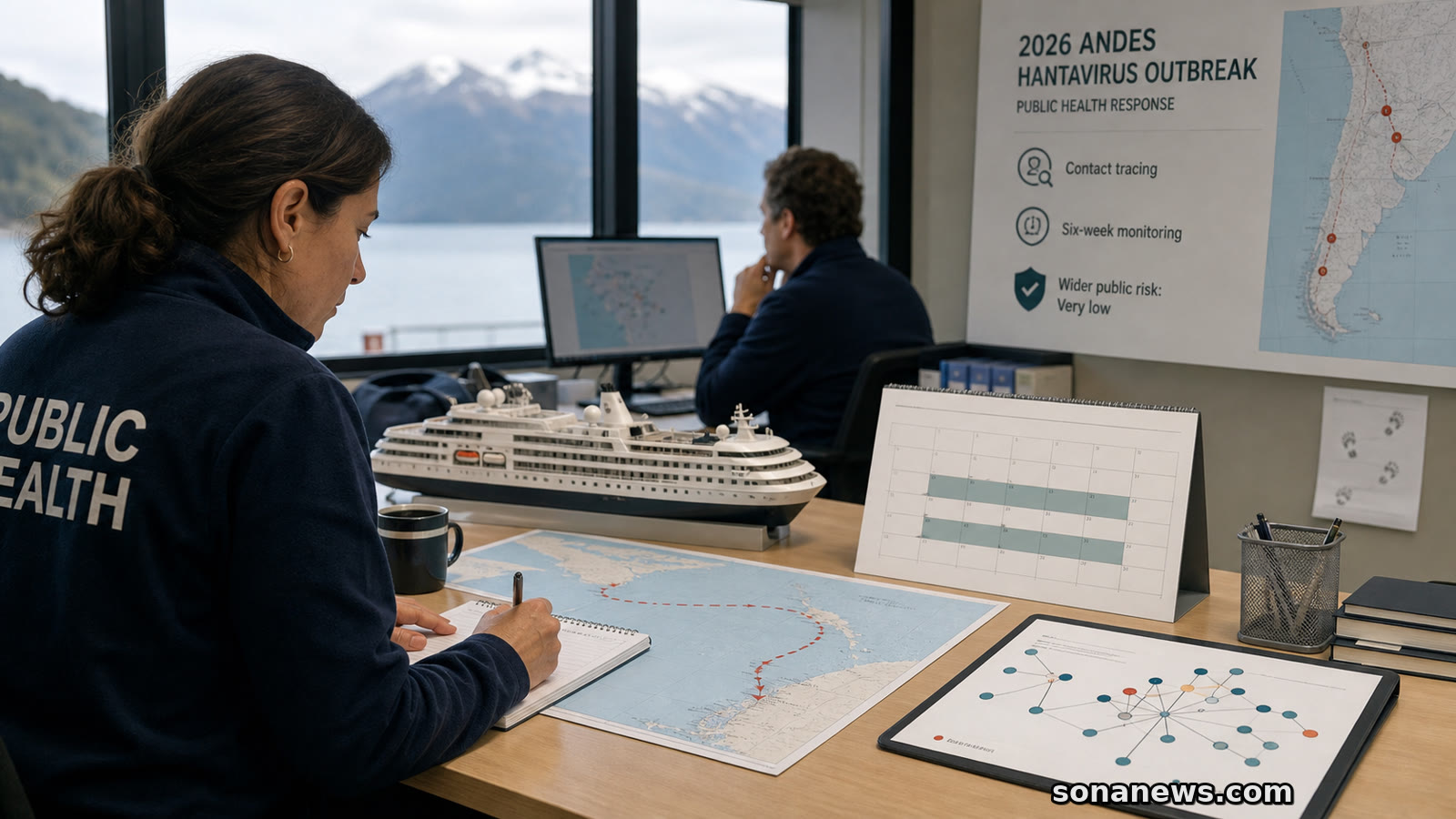
The hantavirus cruise story is a contact-tracing calendar, not a general alarm
ECDC says the risk to the wider European public is very low. The useful lesson is how a rare cruise-ship outbreak becomes a weeks-long contact list.
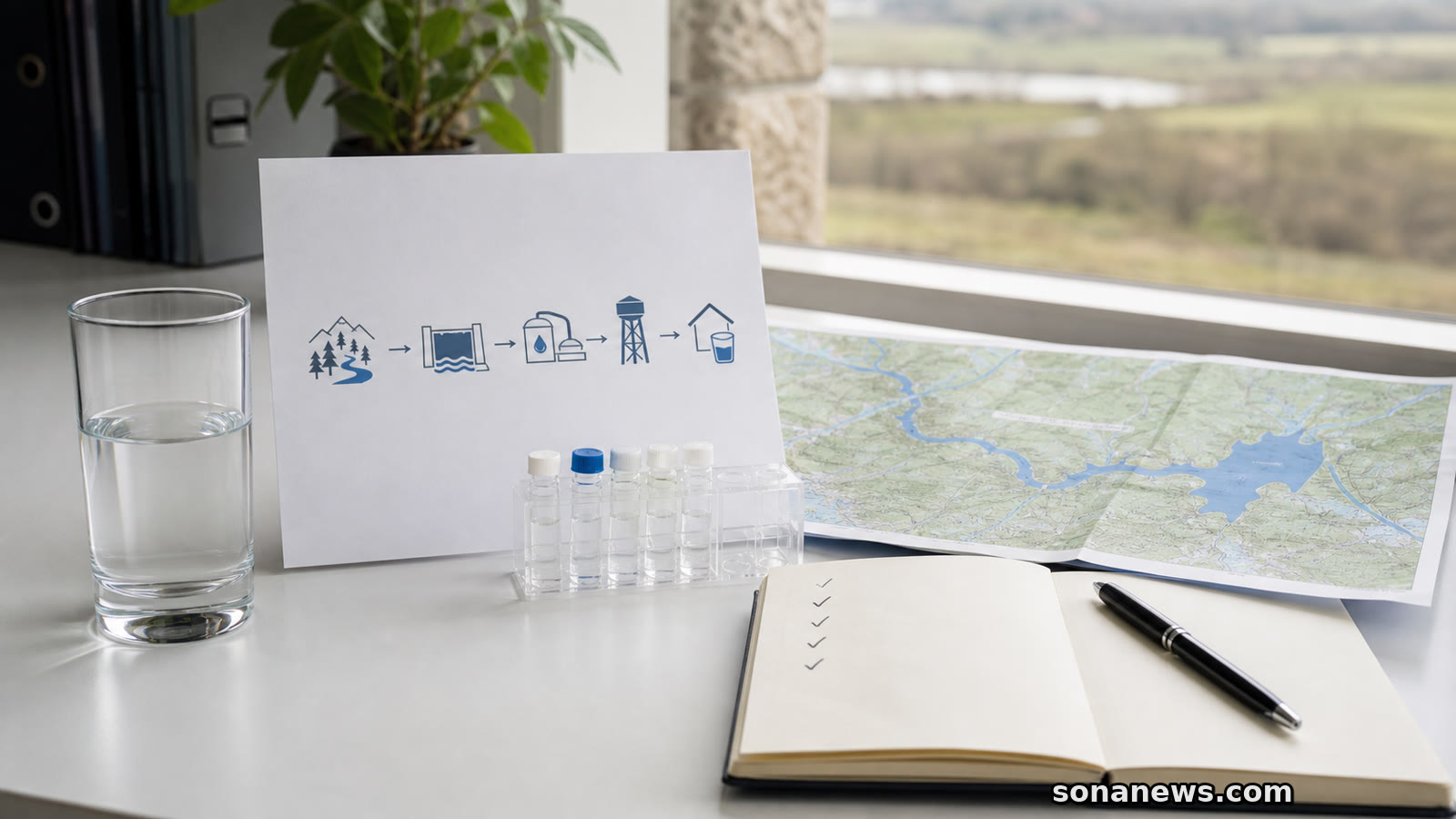
The safe-water story starts long before the tap
WHO’s updated drinking-water guidelines are a reminder that water safety is a chain of targets, planning, inspections and surveillance, not a last-minute tap test.
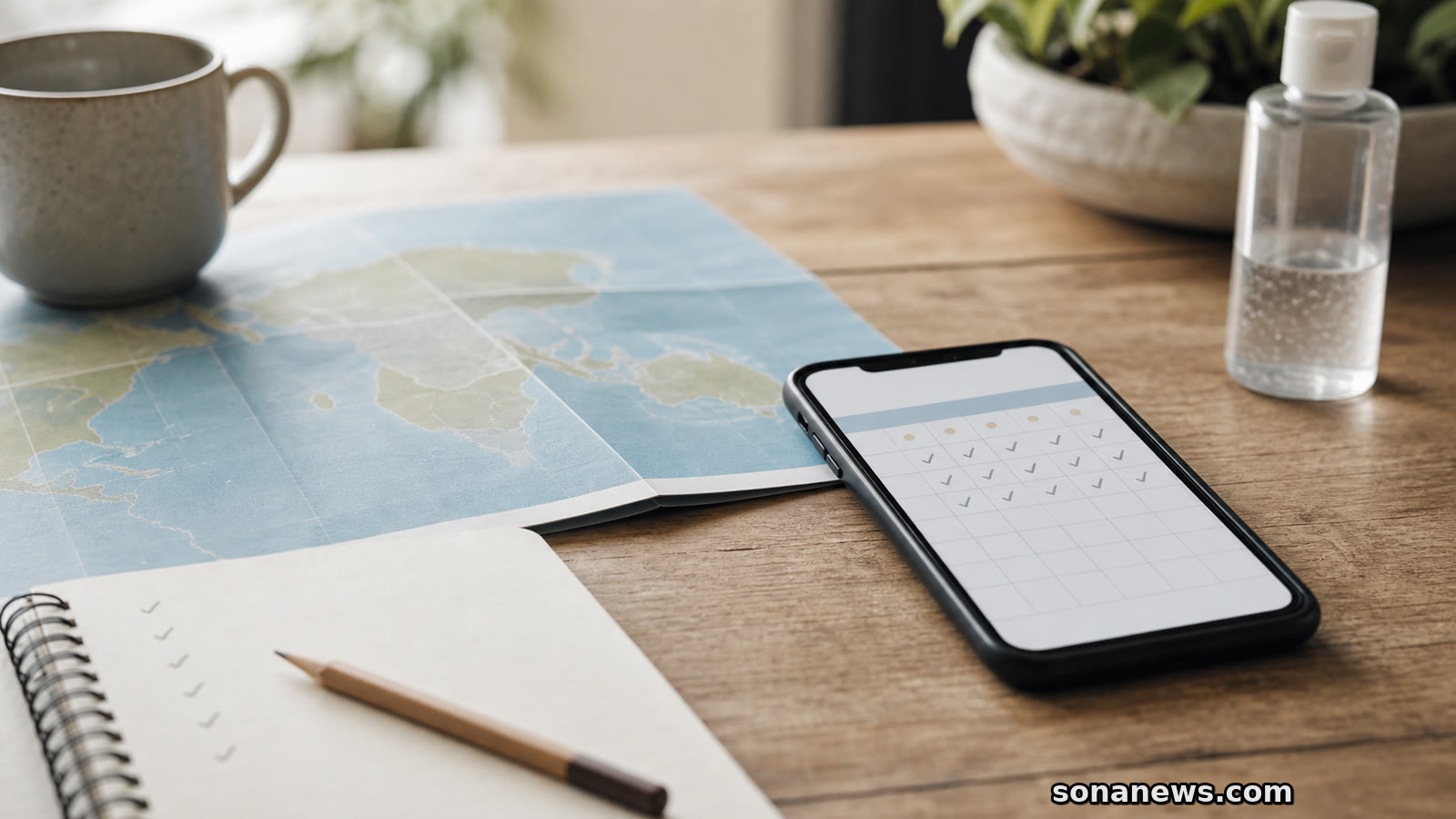
The Ebola travel notice has become a 21-day calendar
CDC and WHO updates on Bundibugyo virus disease show why outbreak travel guidance is about geography, exposure and follow-up, not general panic.
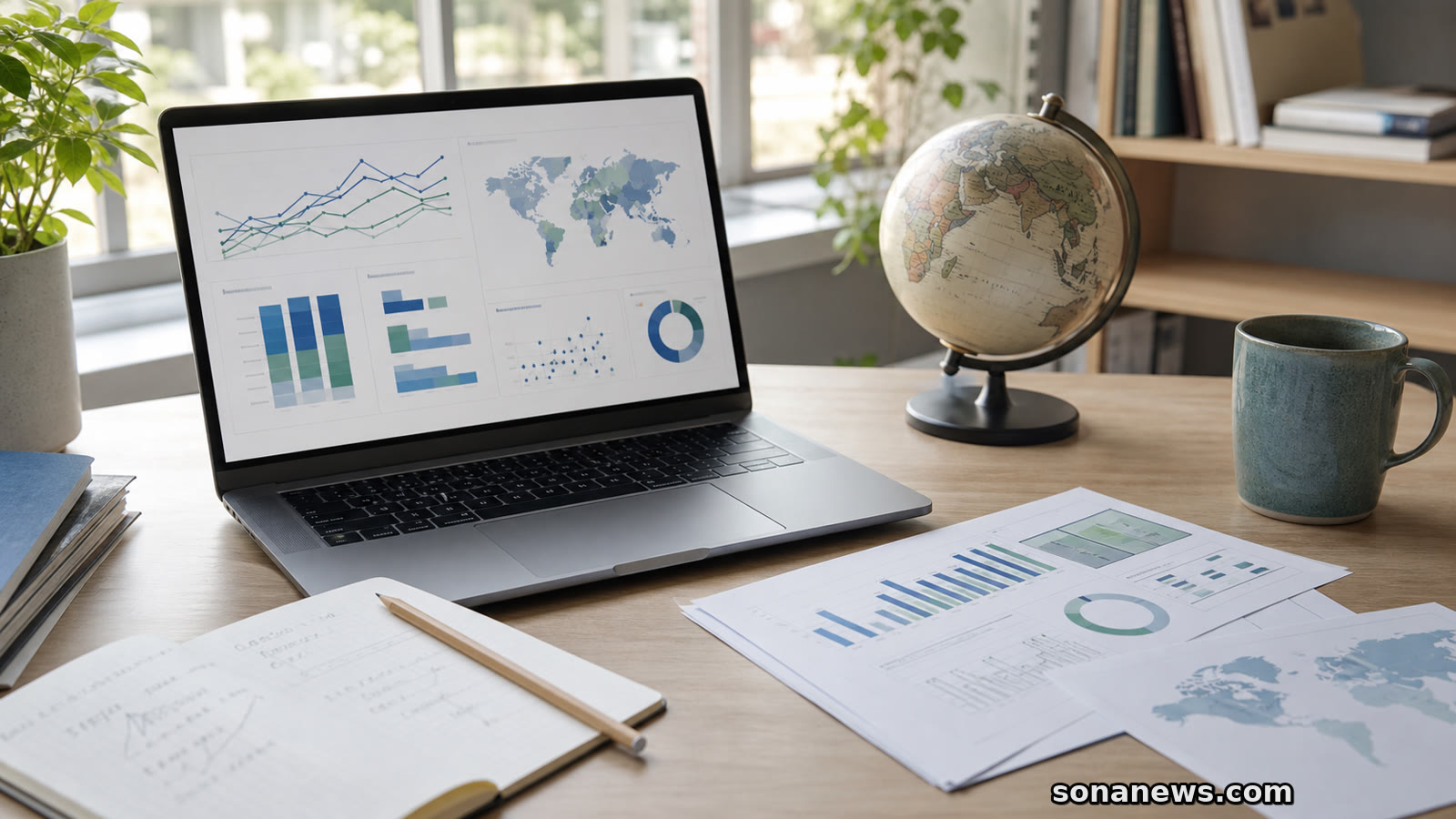
WHO’s health dashboard says progress is real, but uneven
The 2026 World Health Statistics report shows why life expectancy, universal coverage and health data gaps need to be read together.
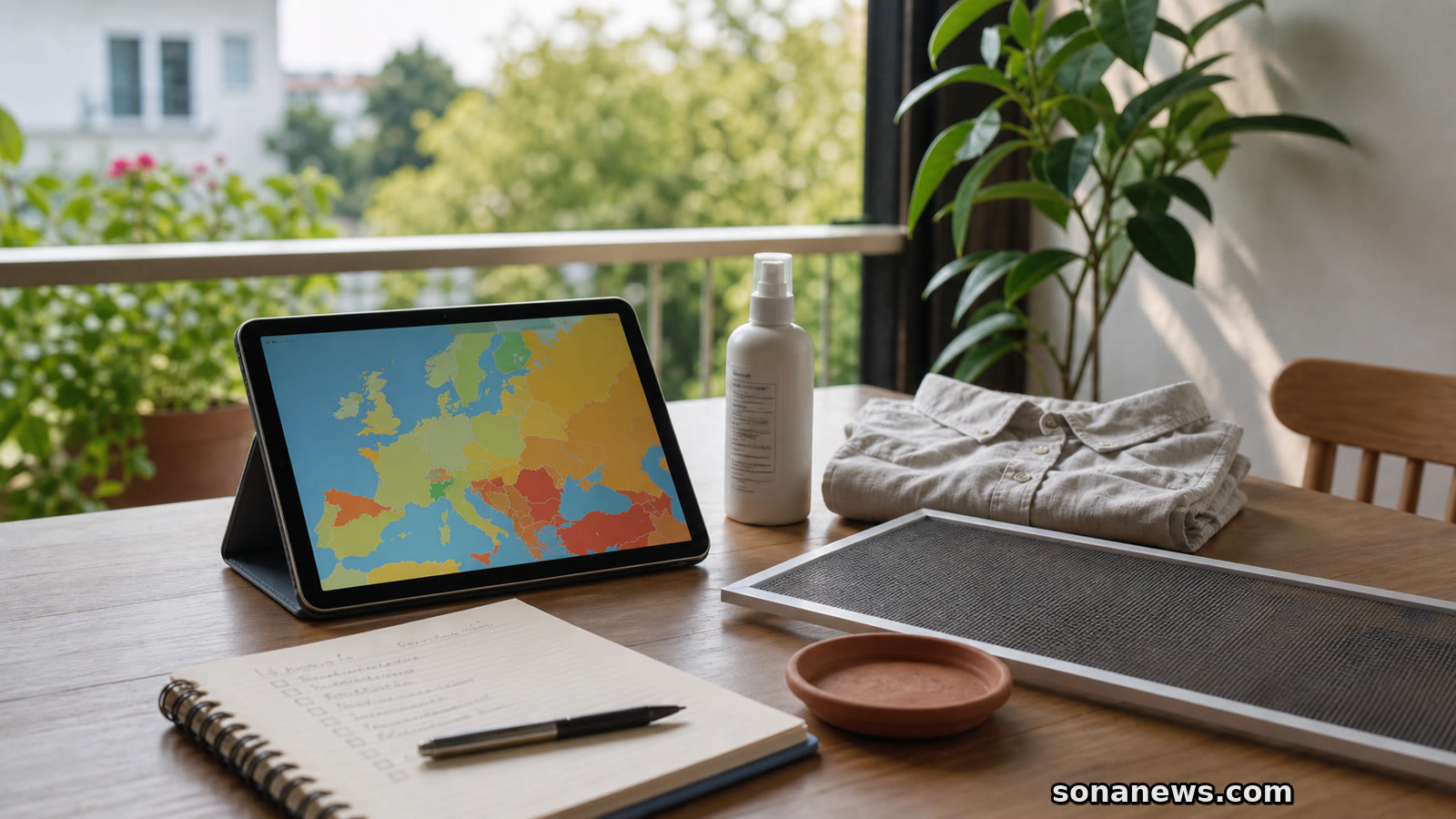
The mosquito map now belongs in the summer health routine
Fresh ECDC and EFSA vector maps show why mosquito season is now a public-health planning story, not just a garden nuisance.
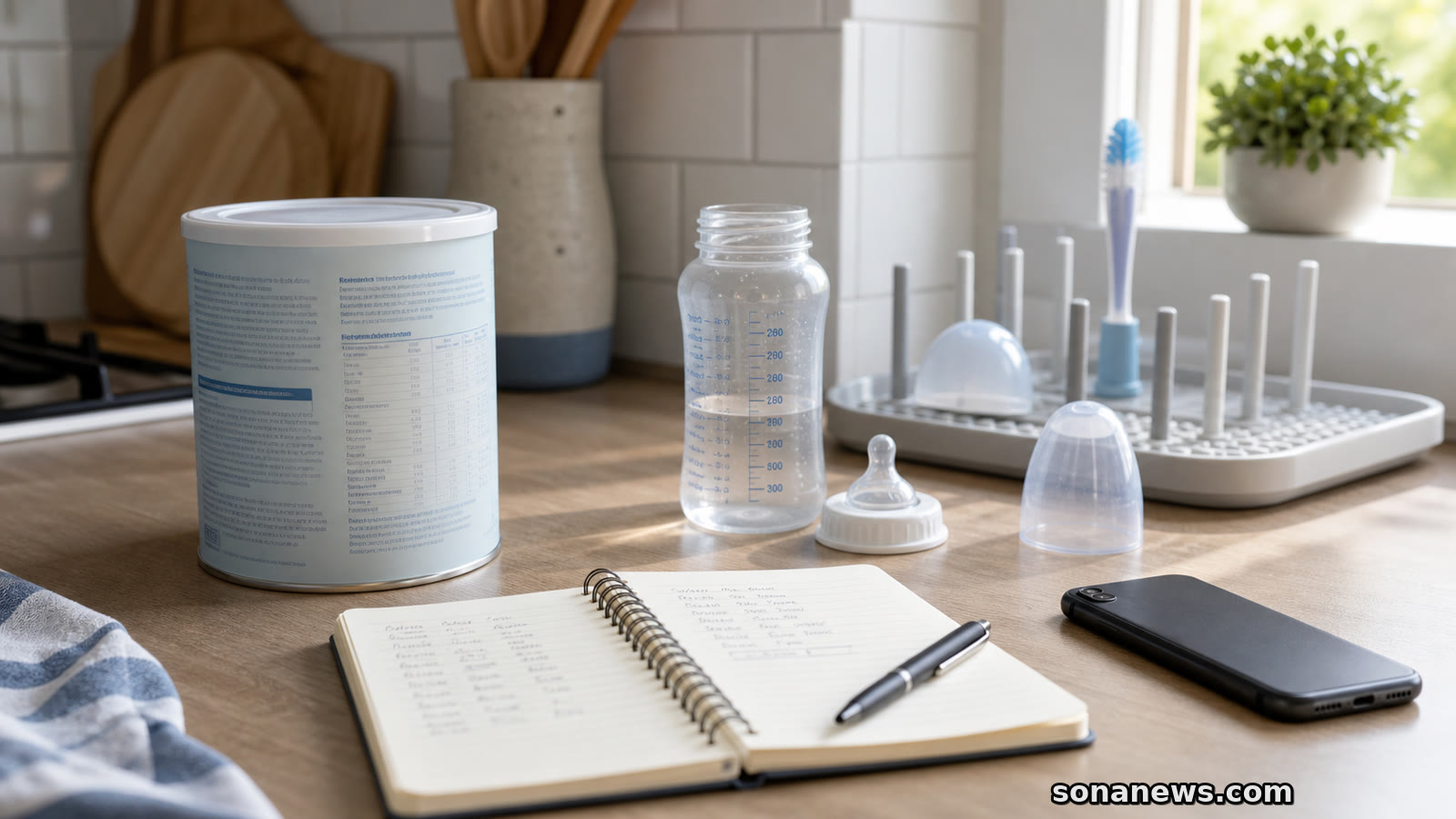
The infant formula recall makes the lot code part of feeding safety
A June 2026 CDC and FDA investigation into recalled powdered infant formula shows why the small code on a can can become a public-health signal.
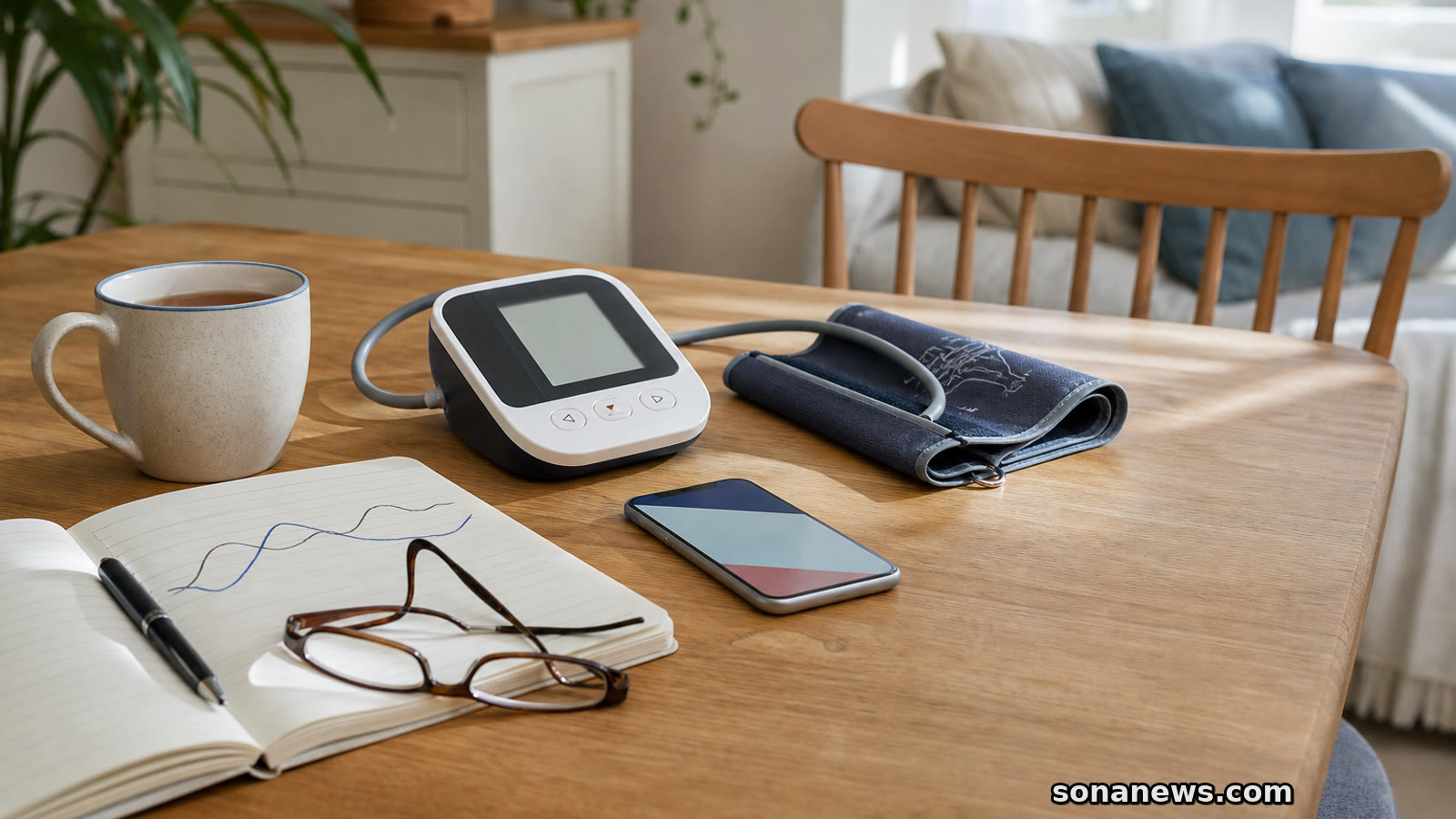
The blood pressure check starts before the number
New CDC pages and long-running WHO, NHS and AHA guidance make the home cuff useful only when the reading routine is careful, boring and repeatable.
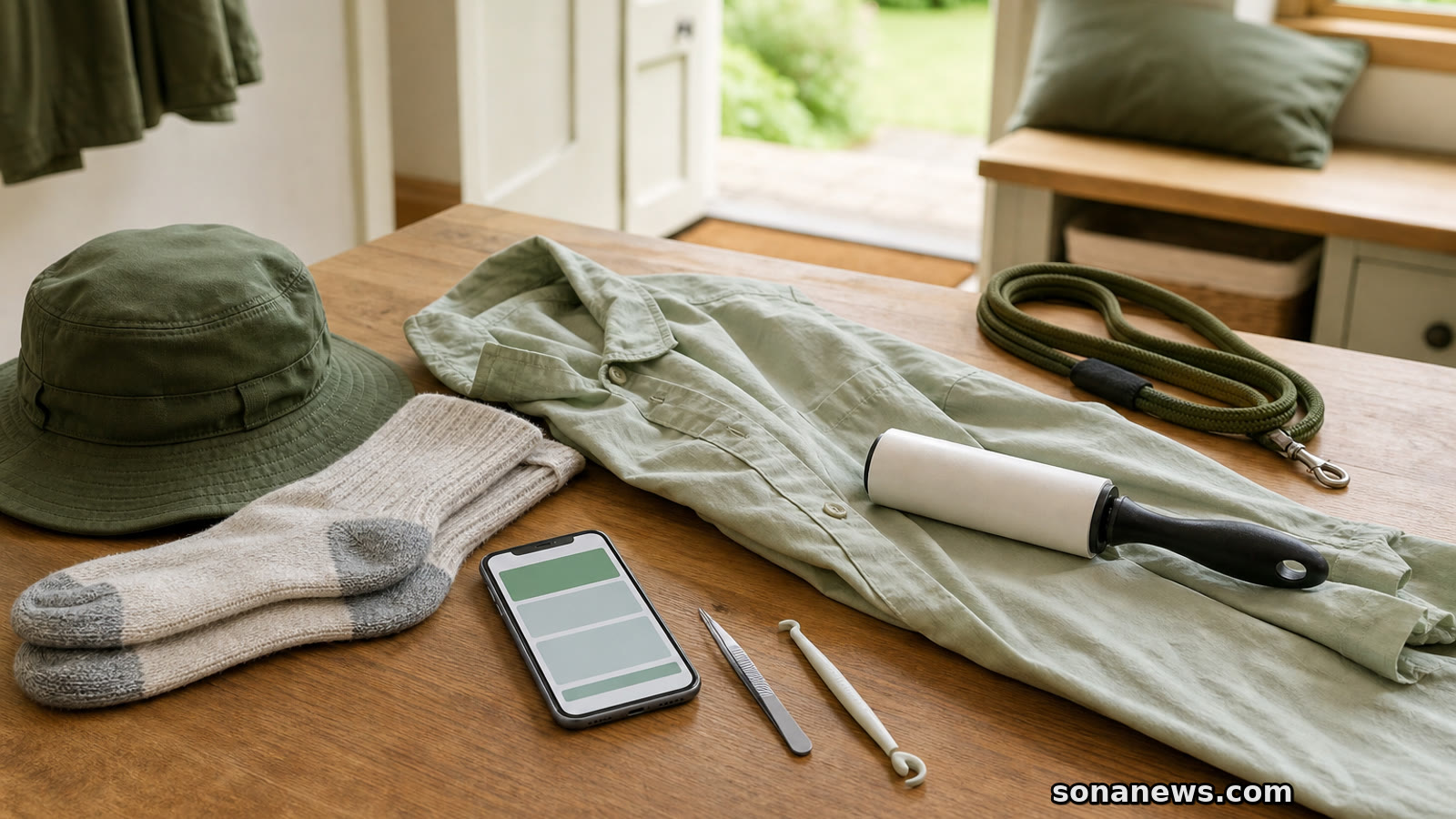
The tick check belongs after the walk
Official guidance from CDC, UKHSA and ECDC makes tick awareness a small summer habit, not a reason to avoid parks, gardens or trails.
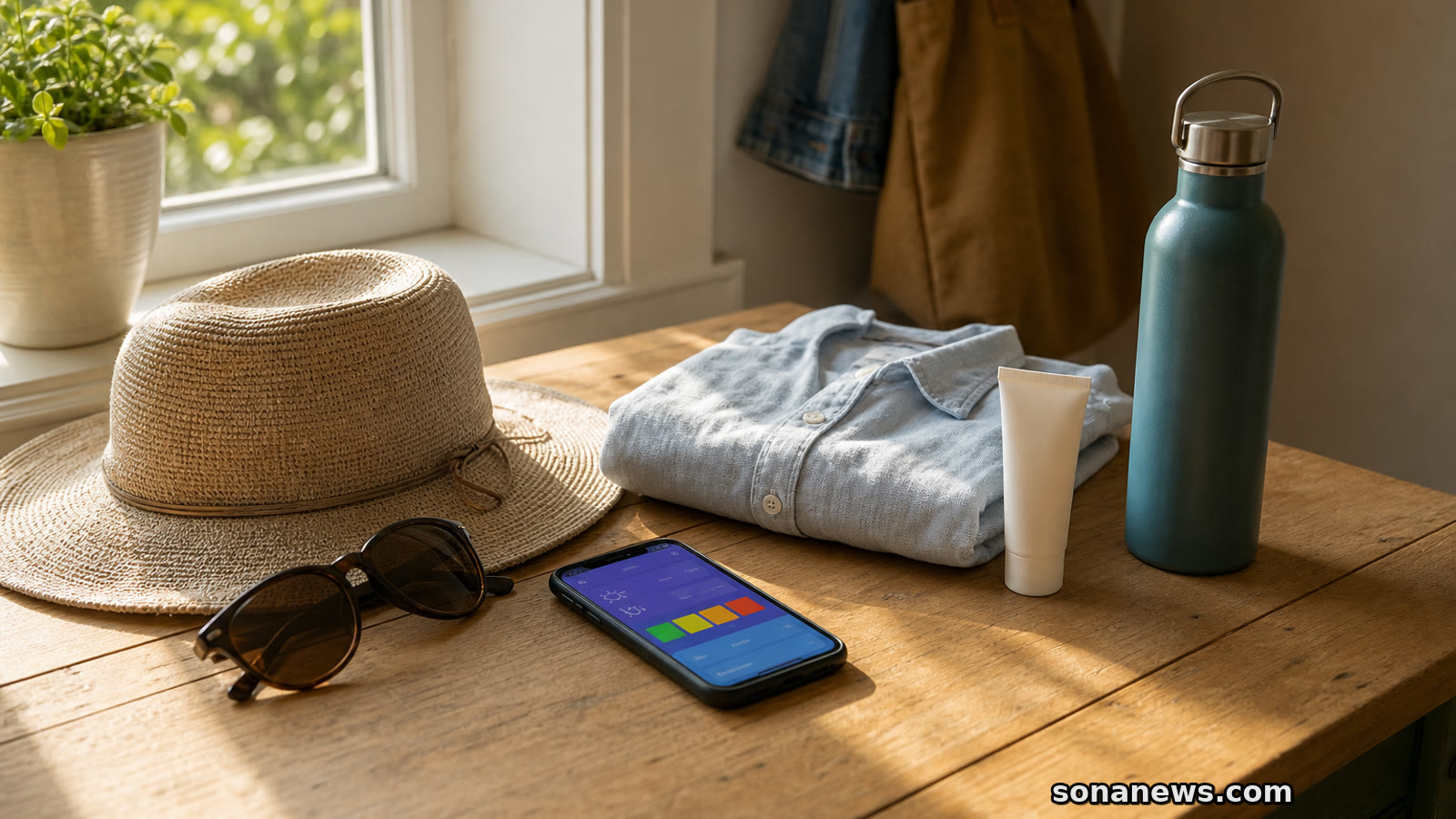
The UV index belongs in the morning routine
Official health guidance frames UV as a forecasted exposure, not just a holiday or heatwave concern.
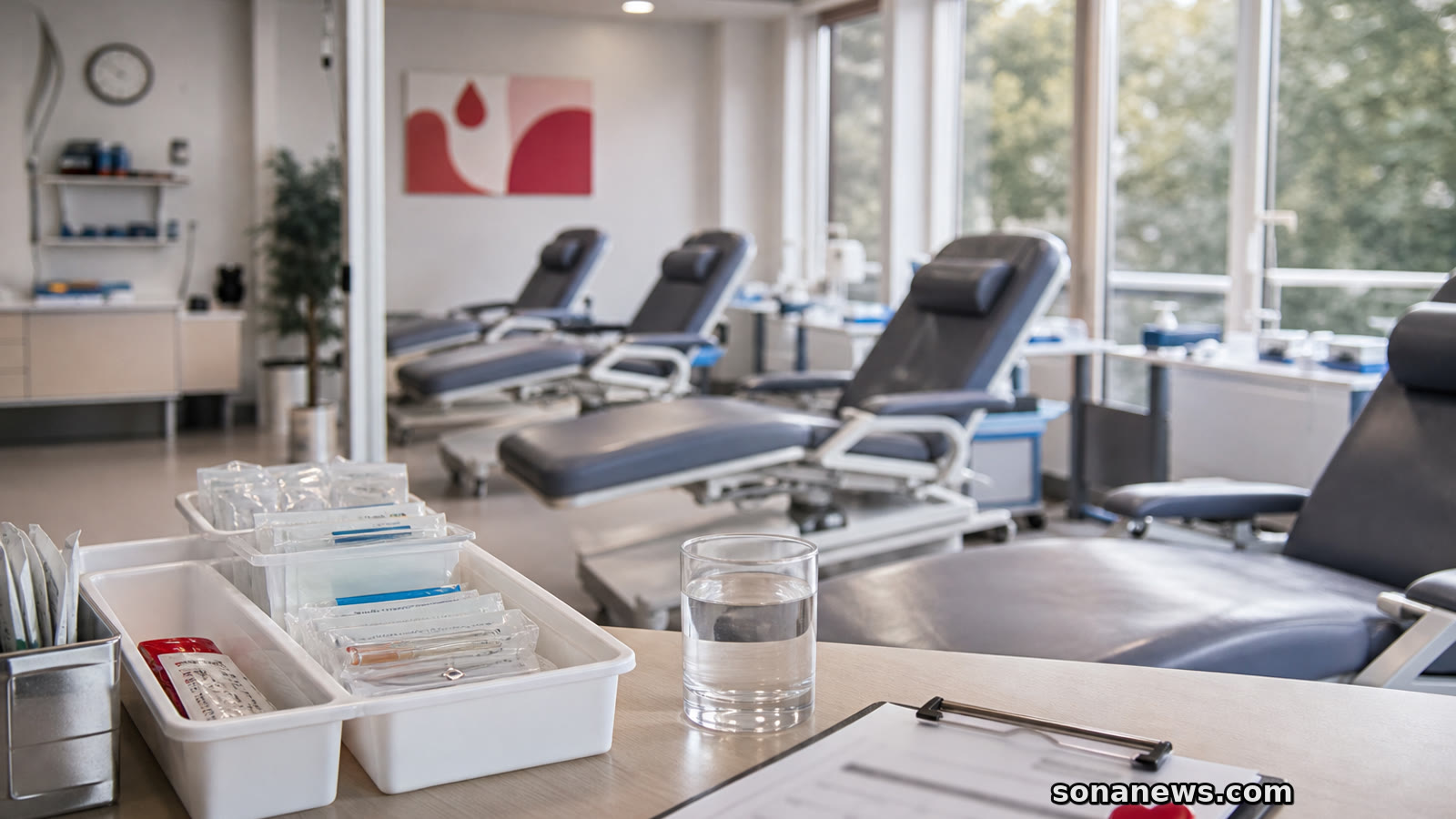
Blood donation has to be built before the emergency
World Blood Donor Day is a reminder that safe transfusions depend on ordinary, repeatable systems long before a patient needs blood.
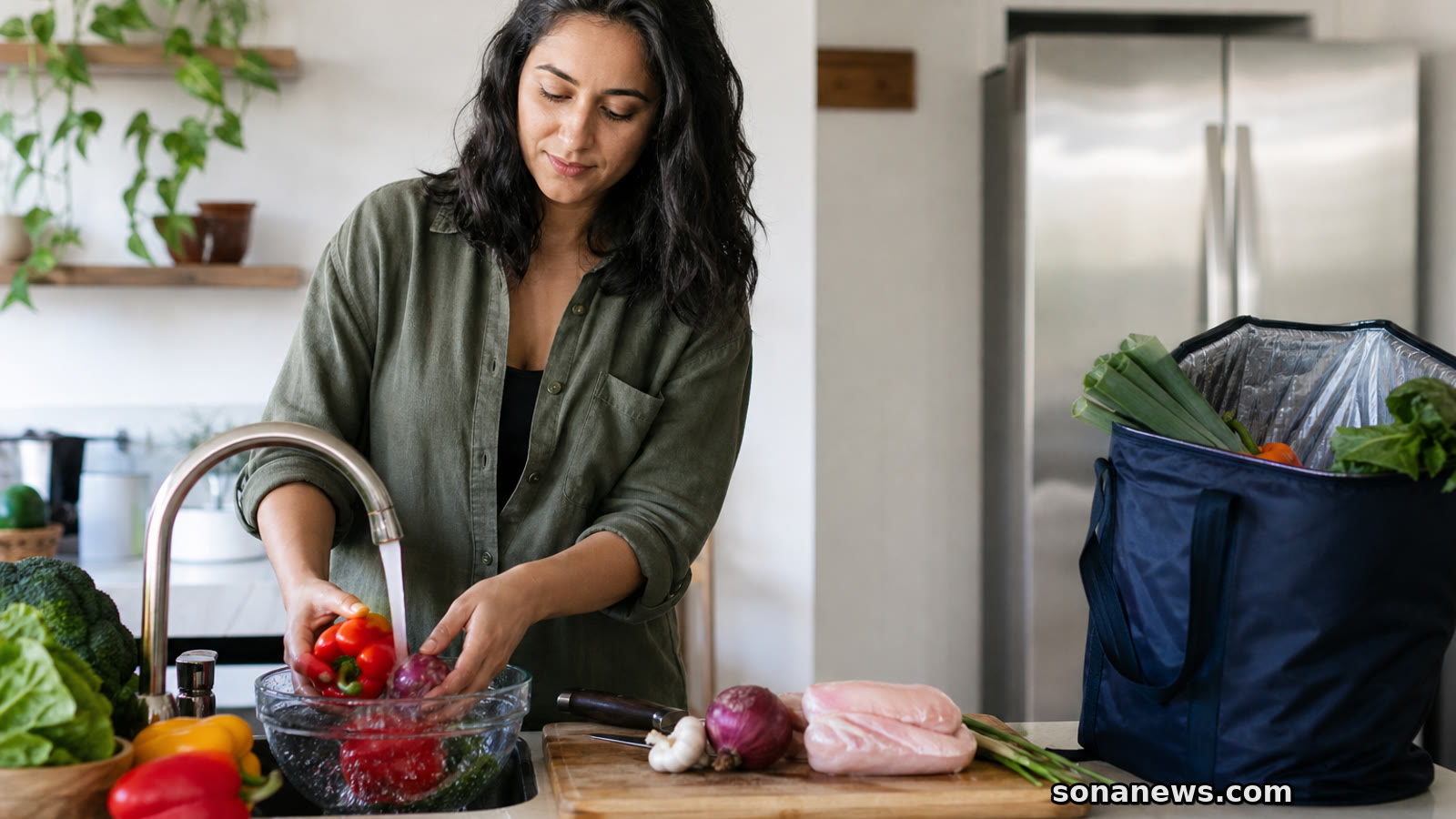
Food safety has a new global number. The kitchen is only one part of it
WHO’s latest estimates put unsafe food at 866 million illnesses a year. The useful lesson is not panic at dinner, but a clearer view of where food can fail.
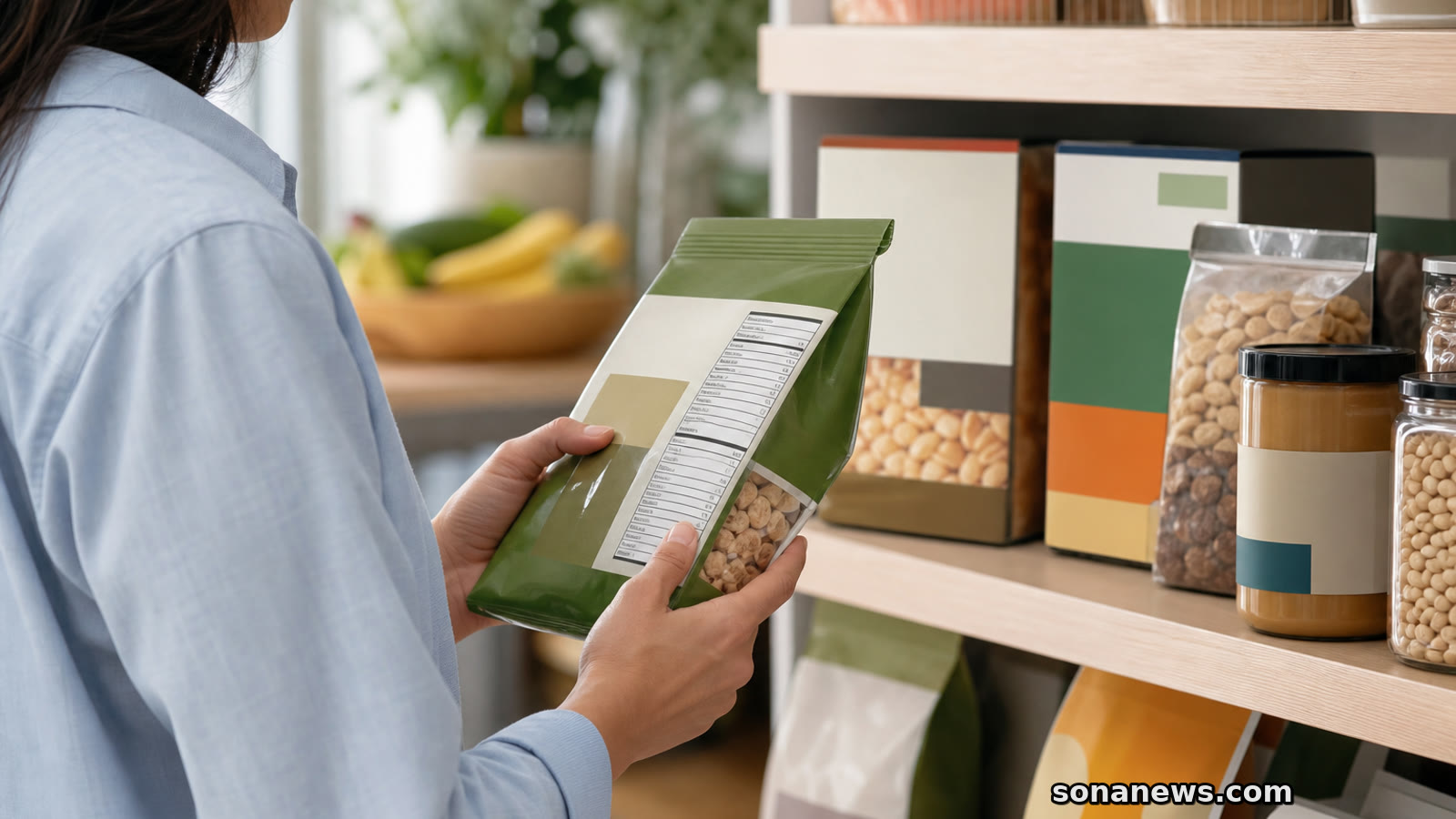
The healthy label is getting a rulebook on the food shelf
FDA’s updated definition turns the word on a package into a stricter label claim. That can help, but it is still only one signal.
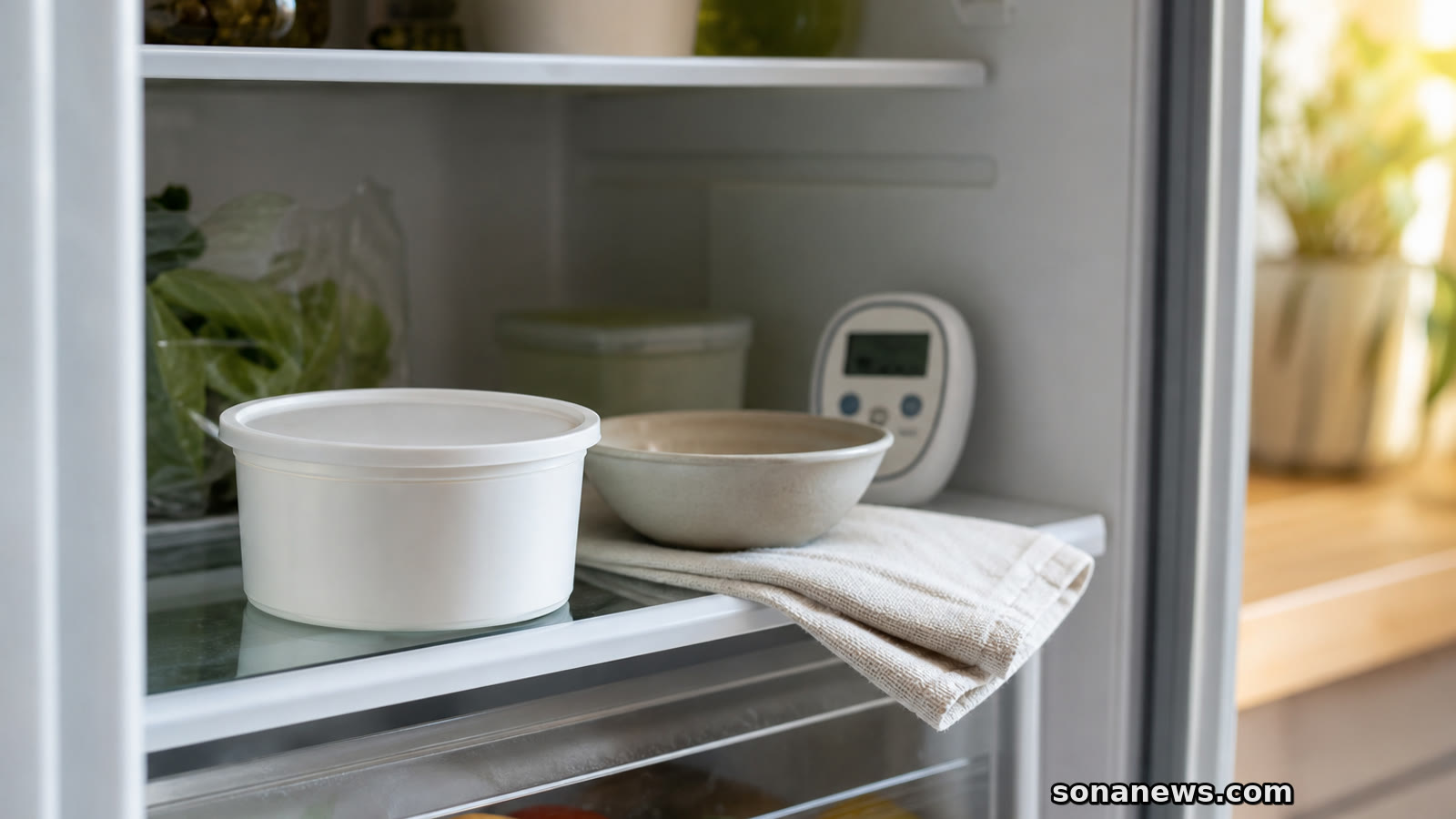
The soft cheese recall makes the fridge part of the health story
CDC and FDA are investigating a Listeria outbreak linked to recalled requeson and soft ricotta. The useful lesson is product-specific and practical, not panic.
The heat forecast is becoming a health signal, not just a weather number
CDC and NWS tools now connect local heat forecasts with health risk, which makes early-summer heat less about bravado and more about planning.
Measles is making the vaccine record part of travel planning
Official updates from CDC, WHO, ECDC and UKHSA point to a practical question before international trips: whether a traveller's records clearly show measles protection.

Walking still counts, precisely because it is ordinary
The most accessible form of movement keeps gaining official support, but its plainness makes it easy to undervalue. The evidence is less about perfection than repetition.