Space
Space stories that turn missions, astronomy, and cosmic discoveries into memorable reading.
Latest in Space
Back to front page ›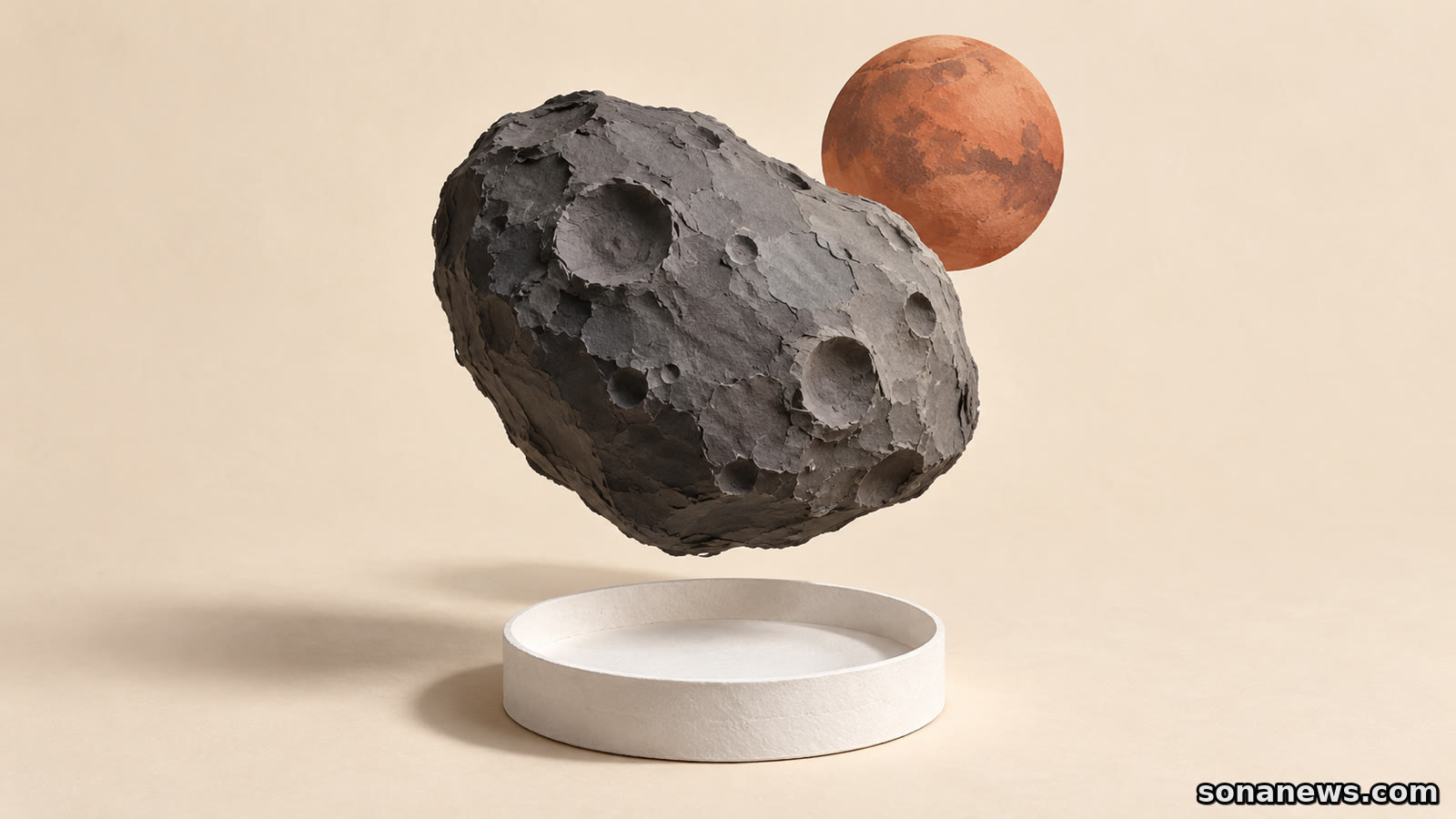
Japan's MMX is aiming for a Mars moon, not a Mars landing
The mission plans to bring material from Phobos to Earth in 2031. Its sample, paired with measurements from space, could help explain where Mars's moons came from.
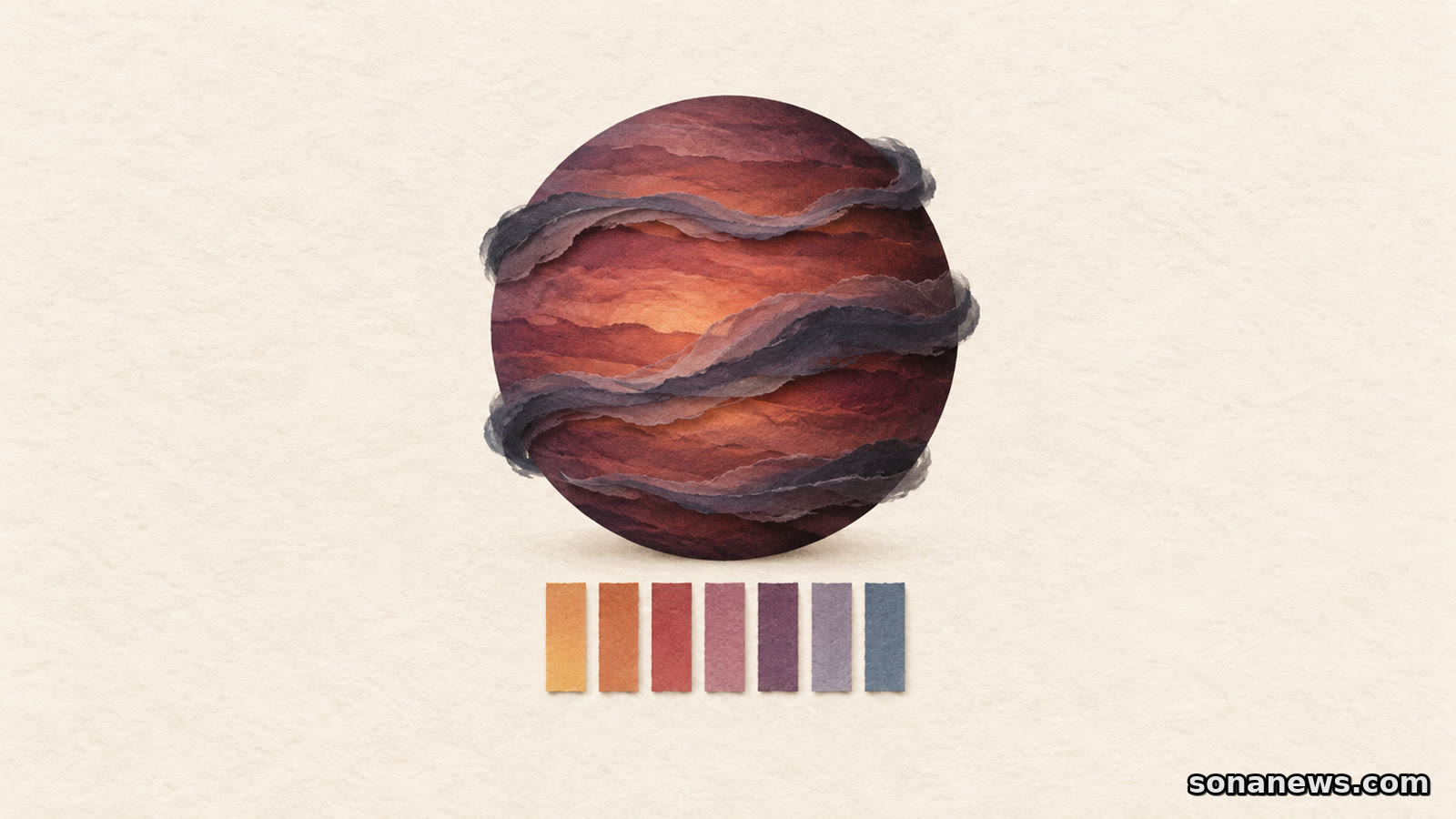
SPHEREx's brown dwarf spectra expose a gap in cloud models
NASA's sky survey is reading the chemistry of dim, cooling objects between planets and stars. The difficult part is turning their light into reliable atmospheric properties.
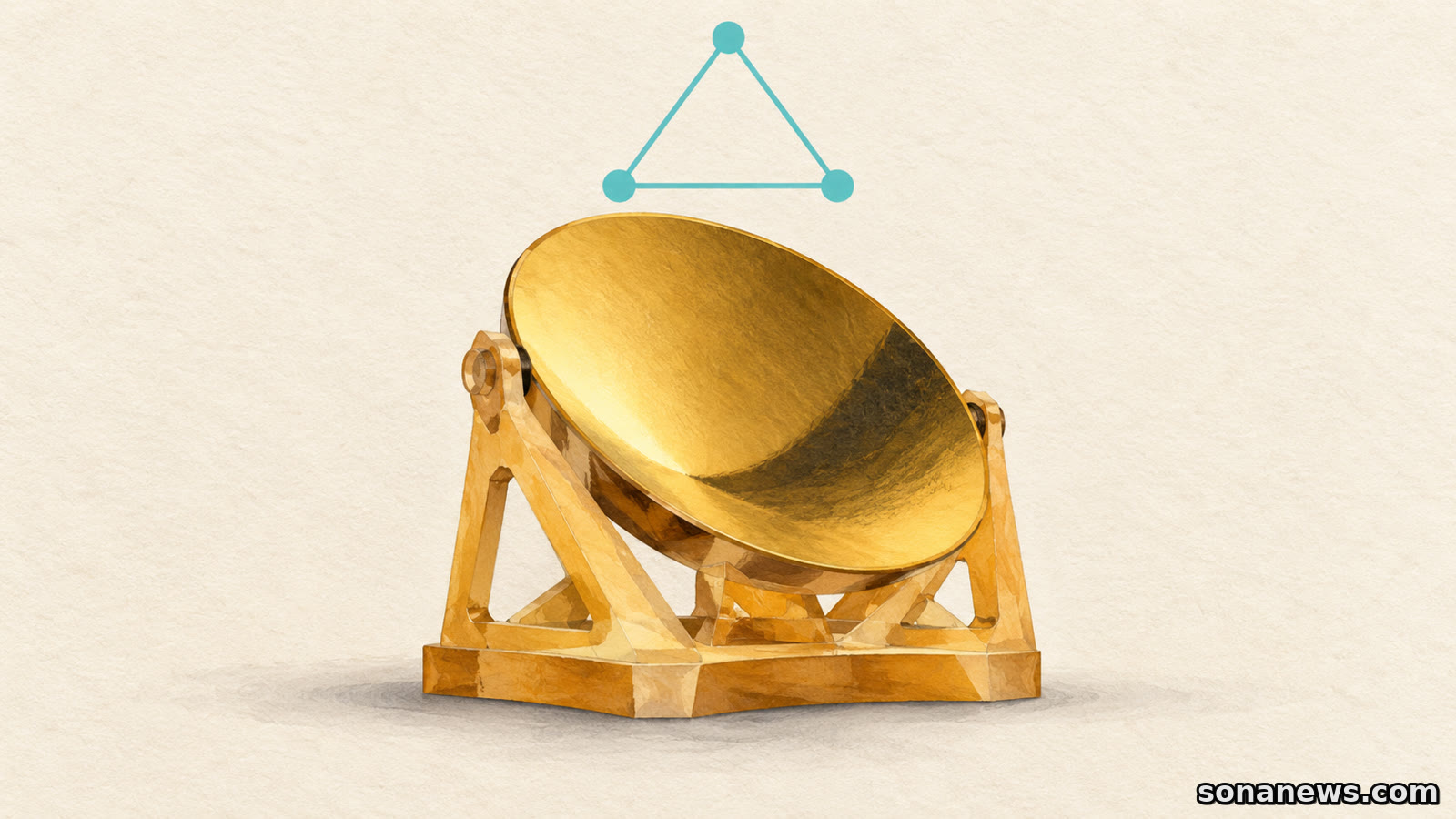
LISA's next test telescope has a job: keep its shape
NASA is moving towards a final pre-flight telescope for the ESA-led gravitational-wave mission. Its amber glass-ceramic structure matters as much as its gold mirror.
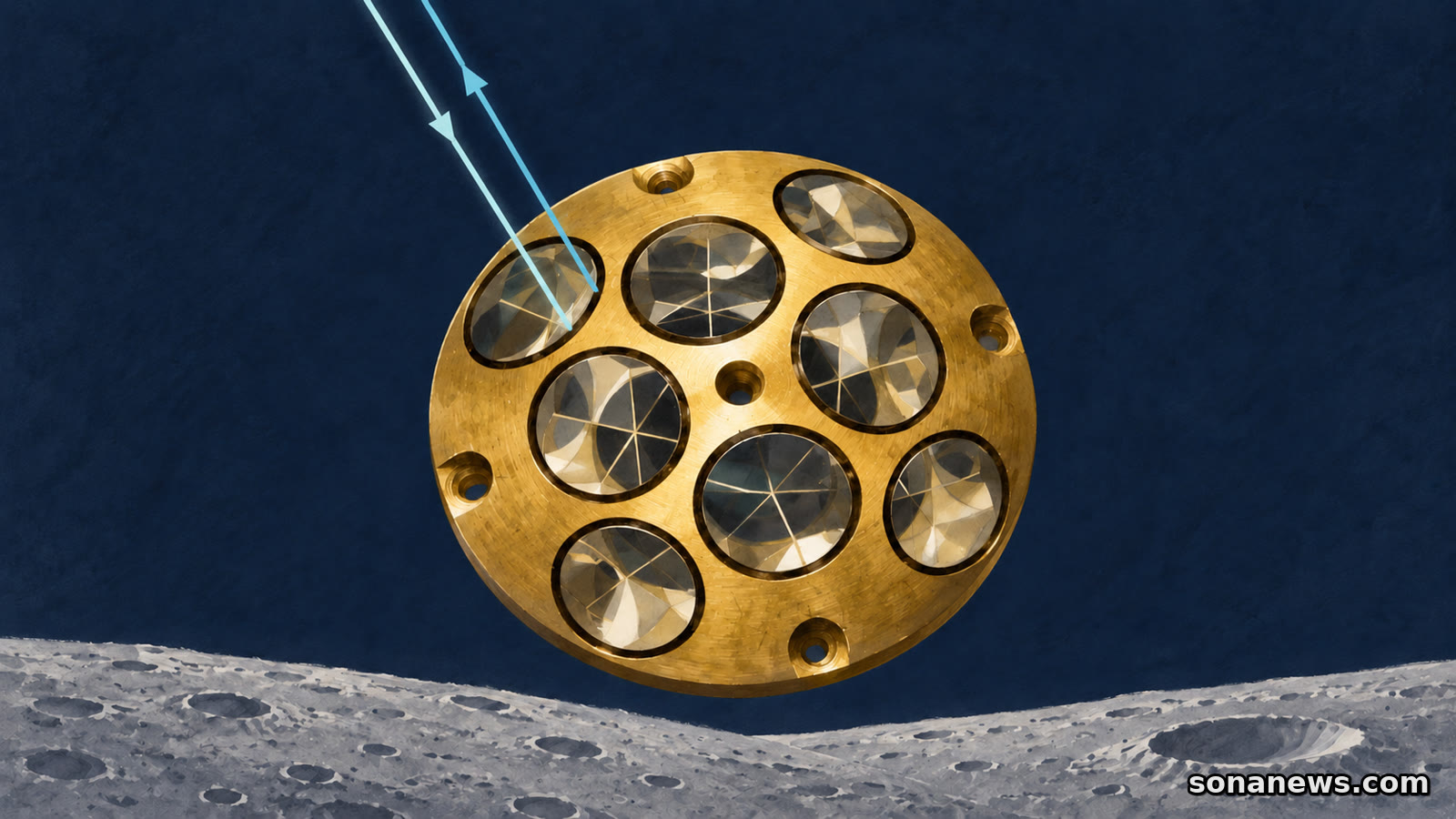
The Moon's tiny laser reflectors are markers, not a GPS network
Passive prisms can help locate lunar landers without using power. The difficult work happens on the spacecraft trying to find them.
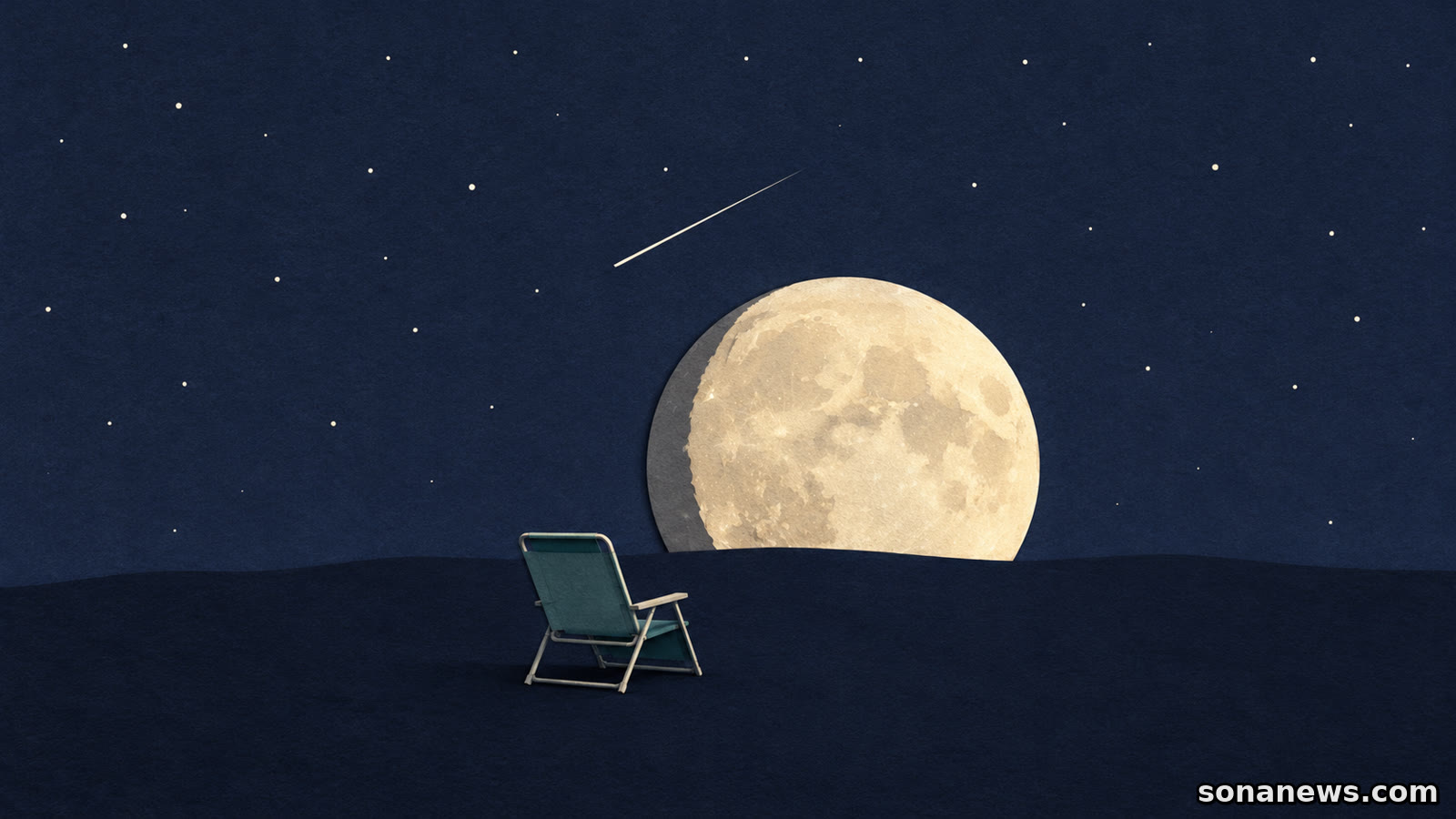
For the 2026 Orionids, check moonset before setting your alarm
The meteor shower peaks on 21-22 October, but a bright Moon will hide fainter streaks. A local window after moonset matters more than a universal start time.
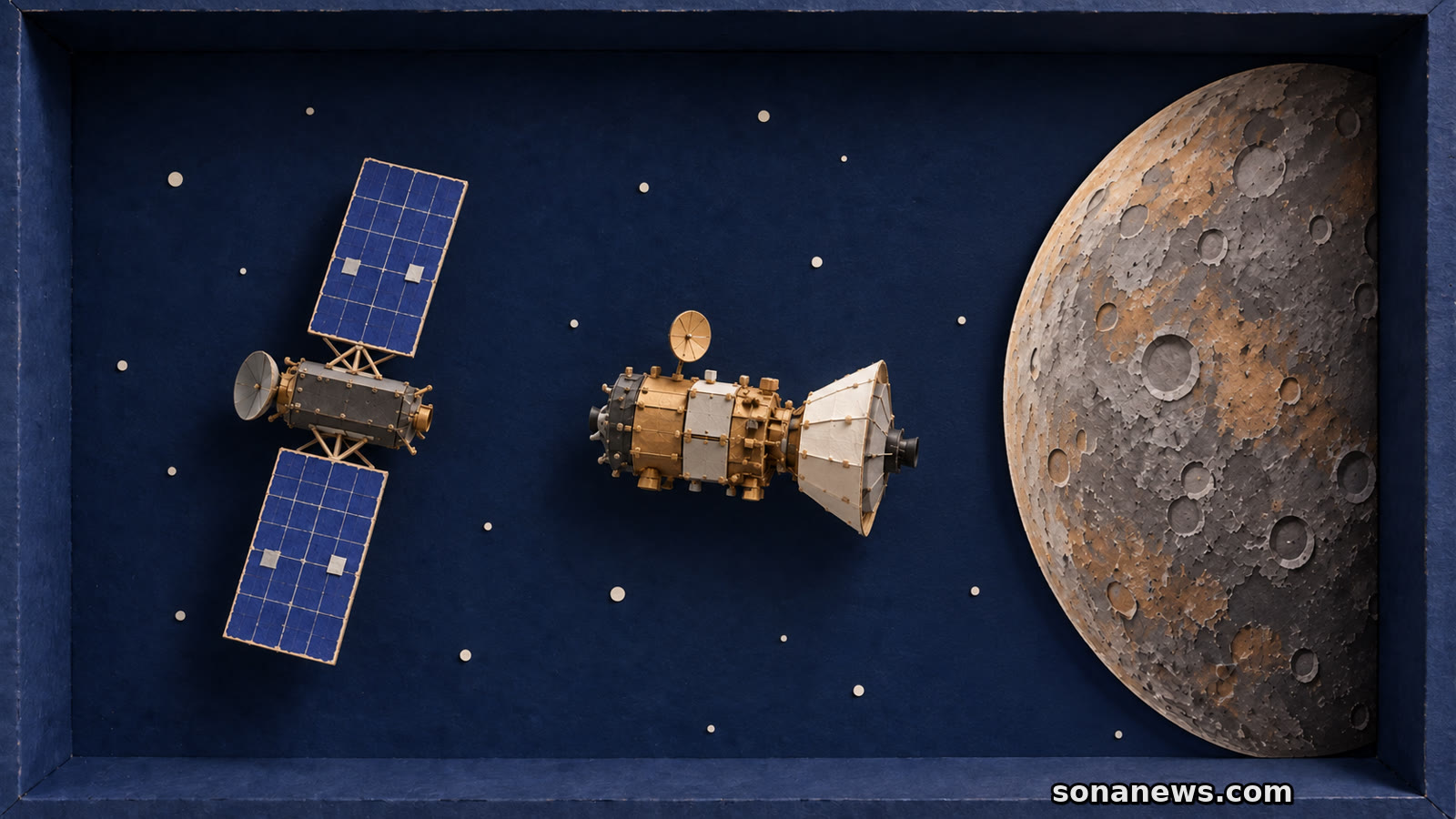
BepiColombo has shed its cruise module. Mercury arrival is only beginning
ESA confirmed the Mercury Transfer Module separated on 3 September. Orbit capture, spacecraft separation and science operations remain months away.
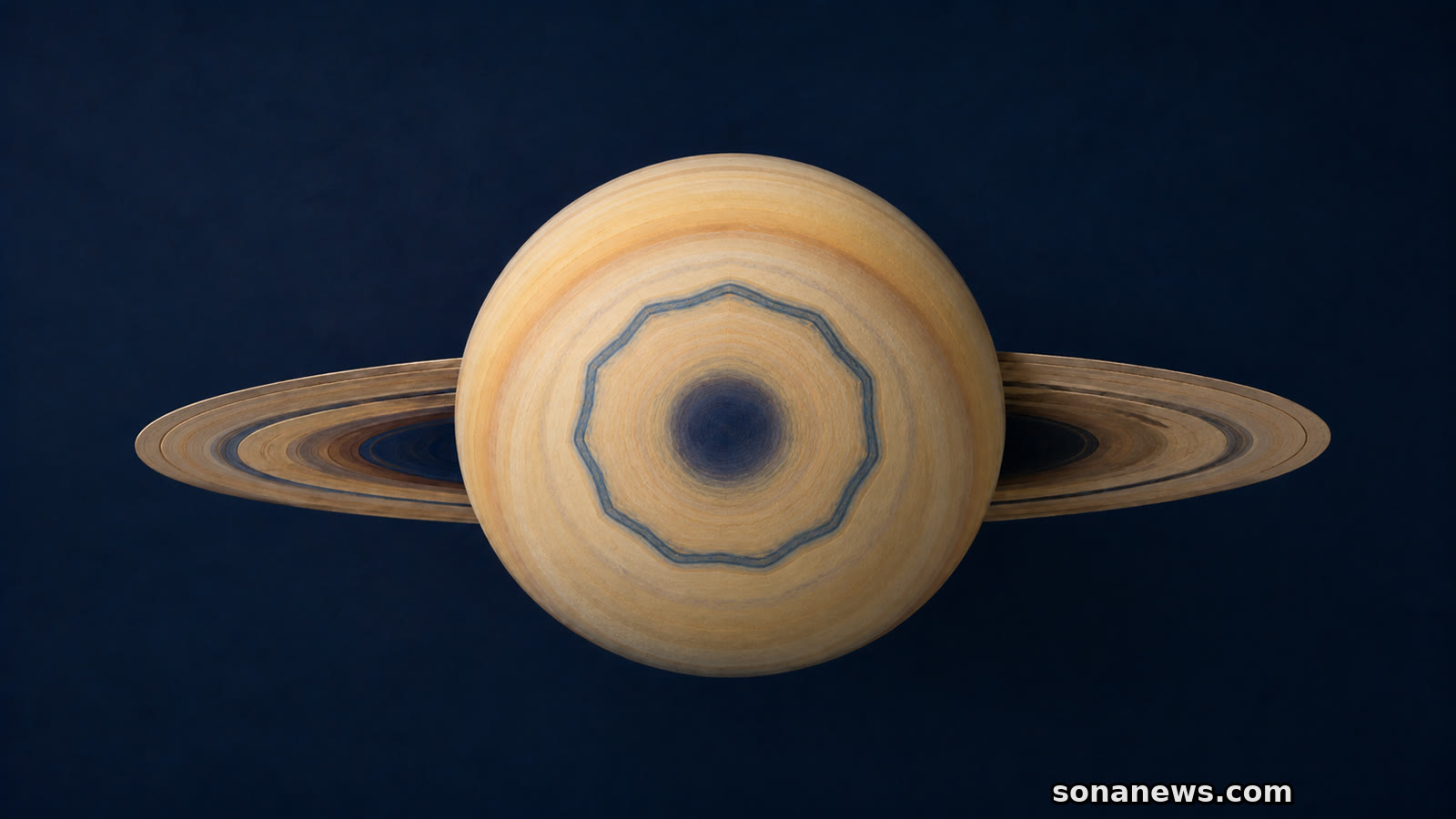
Saturn’s new south-pole decagon is still taking shape
Hubble data trace a 10-sided atmospheric wave from faint 2023 hints to a clearer 2025 pattern. Its slow drift and 32-day wobble do not yet explain why it formed.
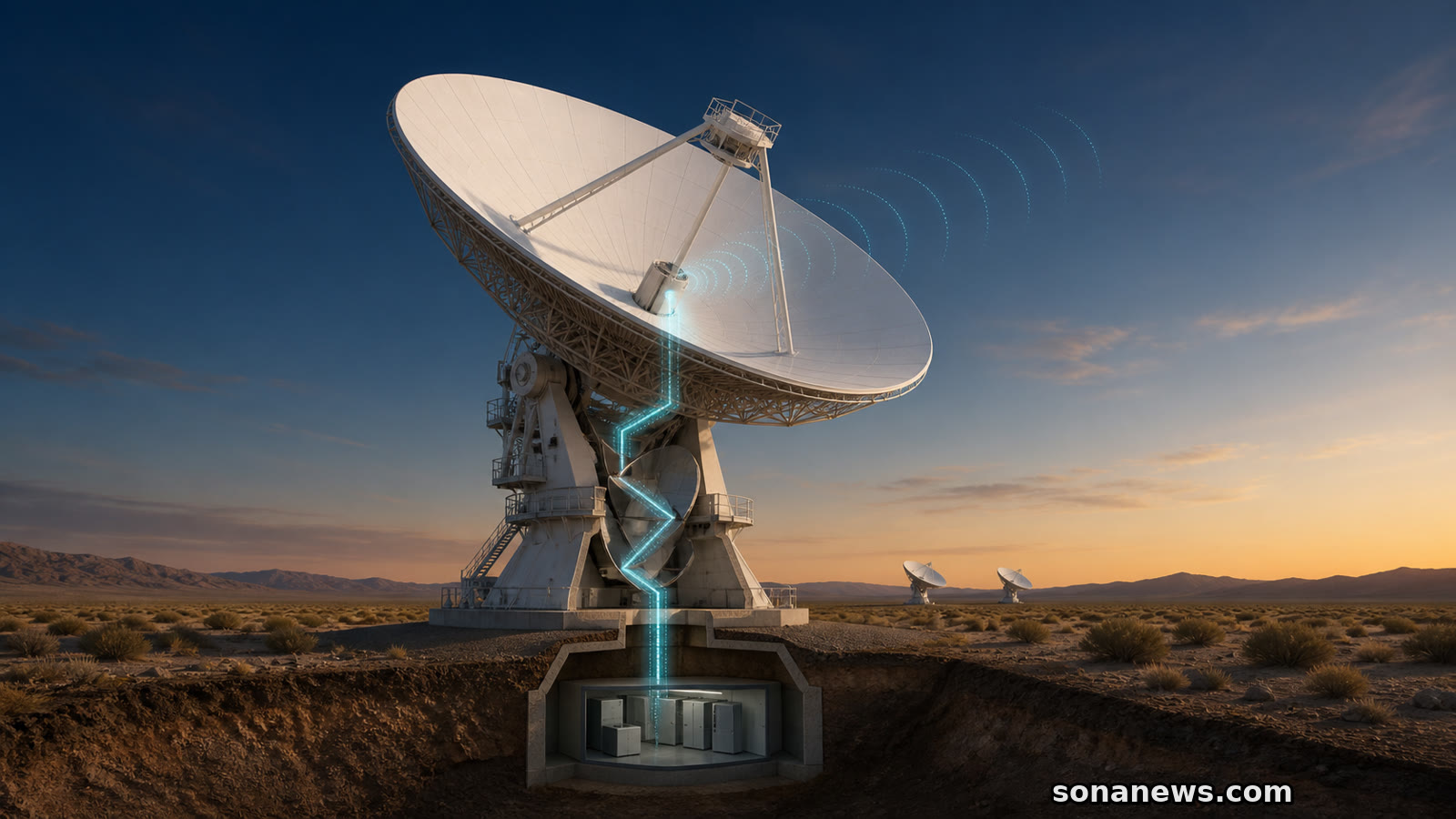
NASA's new deep-space dish keeps its sensitive receivers underground
DSS-23 is already tracking spacecraft from California. Its beam-waveguide design adds capacity while moving delicate electronics off the moving antenna.
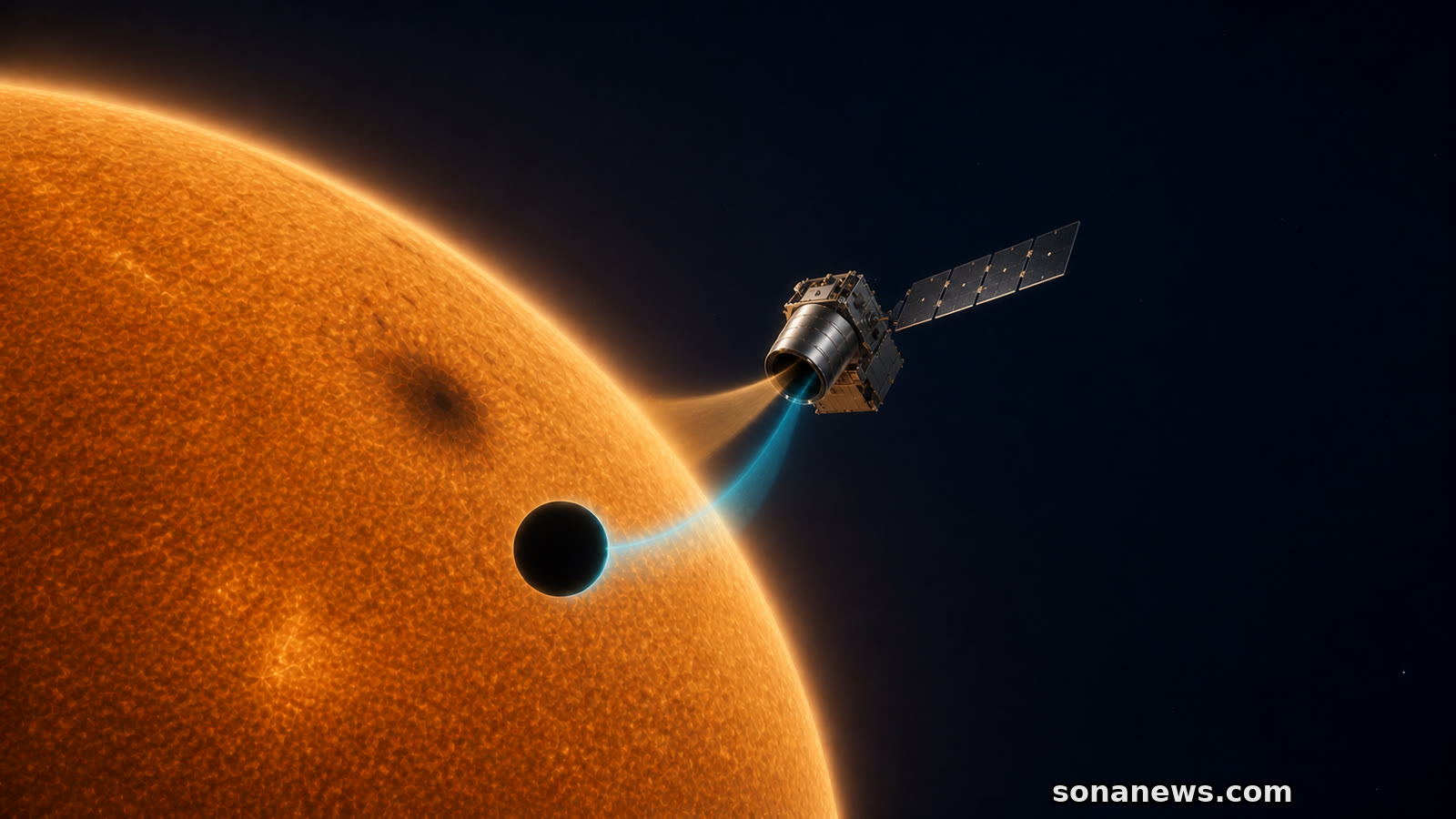
NASA's Pandora is watching the stars that can imitate exoplanet atmospheres
The SmallSat has started science observations of at least 20 transiting worlds. Its long visible and infrared stares are designed to tell planetary chemistry from the changing face of a star.
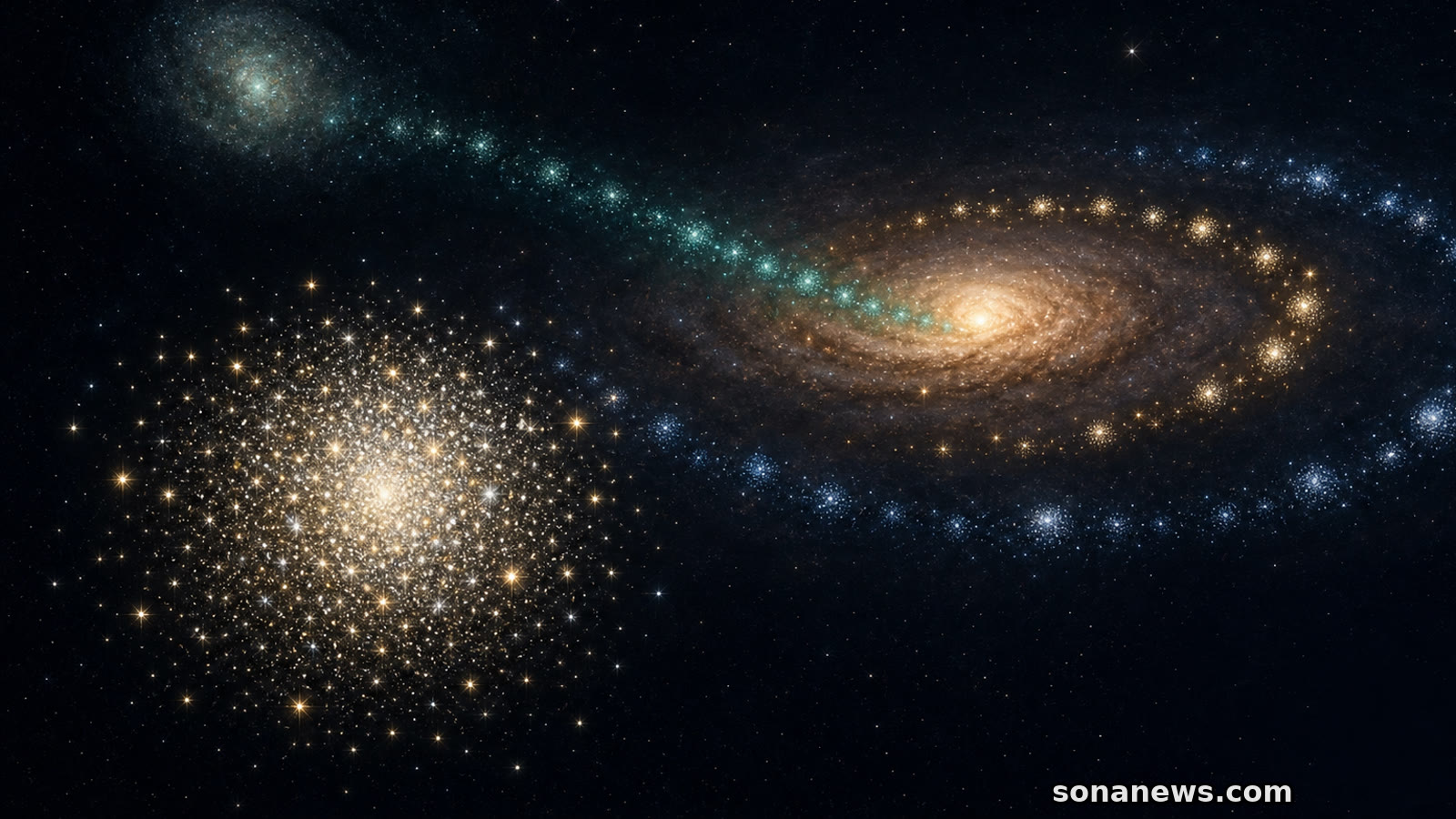
The Milky Way's 11.8-billion-year-old merger survives in its star clusters
Hubble and Gaia did not photograph the ancient collision. Researchers separated 39 inner globular clusters by age, metal content and motion, finding evidence for a large lost dwarf galaxy called LKH.
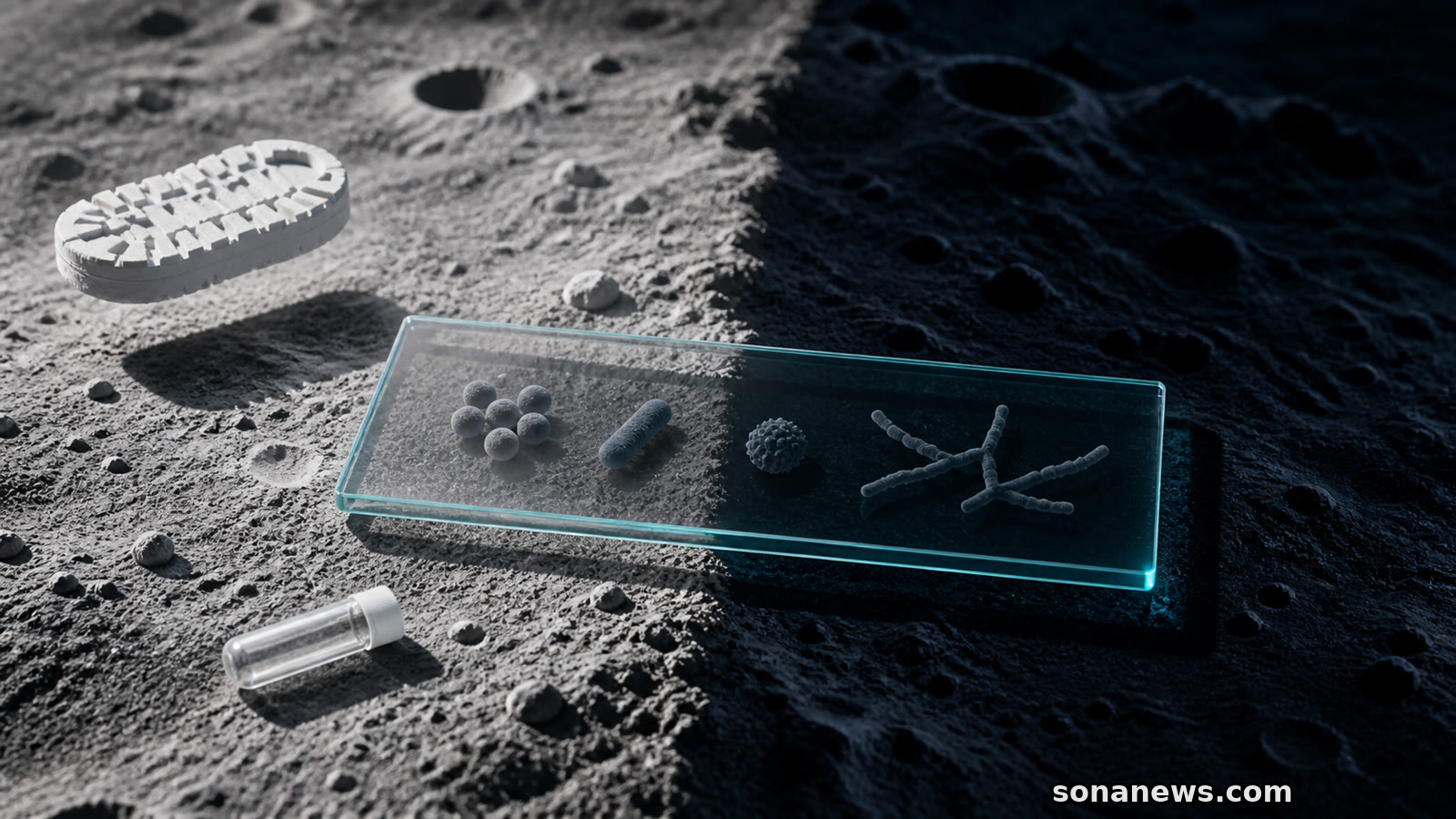
Moon shadow niches may let Earth microbes survive, not grow
A new model finds cold, low-ultraviolet pockets near the lunar south pole where some organisms from Earth might remain viable for a day. It is a contamination question, not evidence of lunar life.
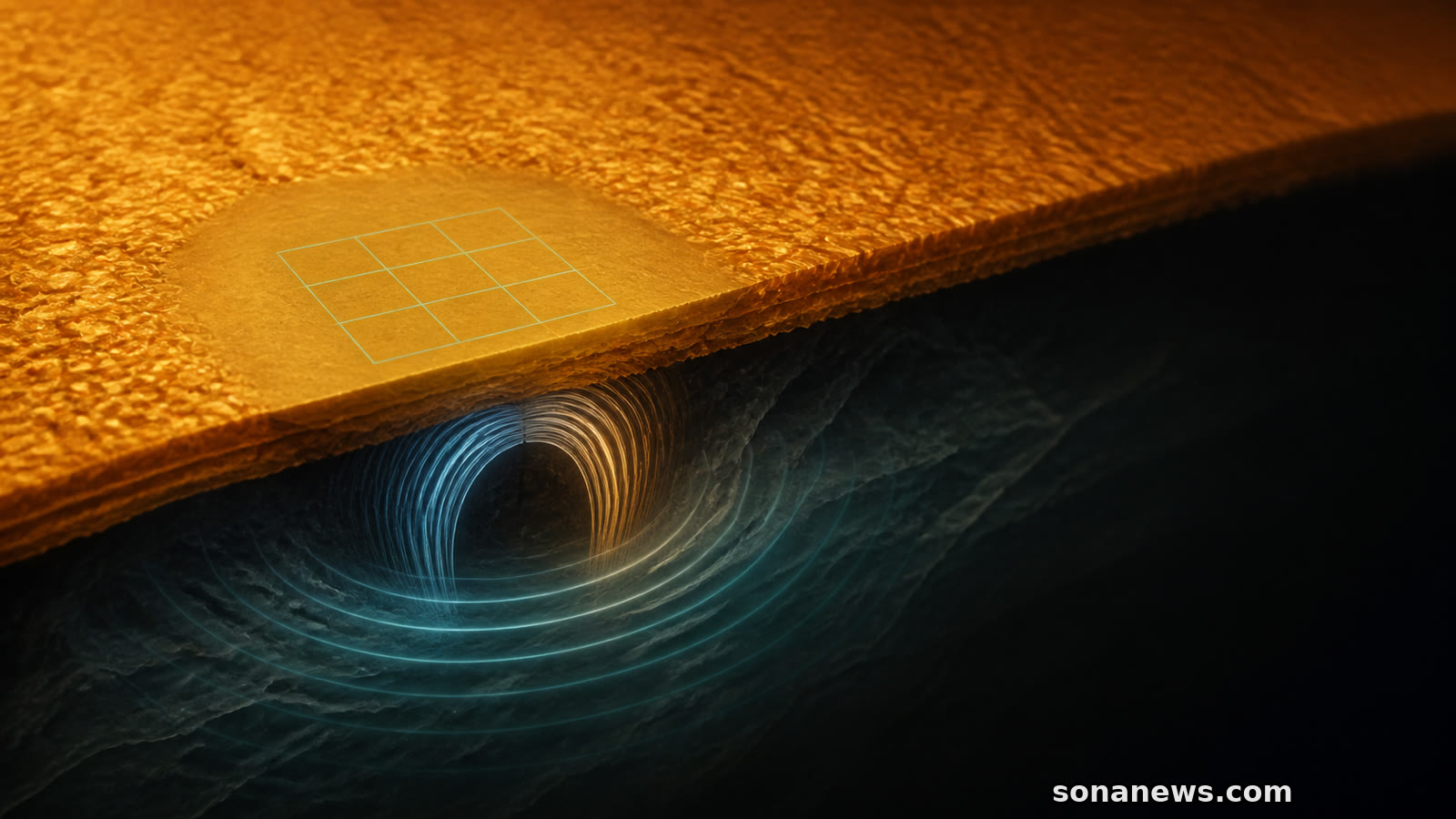
Solar AI flags active regions early, but it does not forecast flares
A research Transformer flagged active-region emergence 4.73 hours early on average in a small held-out test. It is not operational, and an emerging region is not itself a flare forecast.
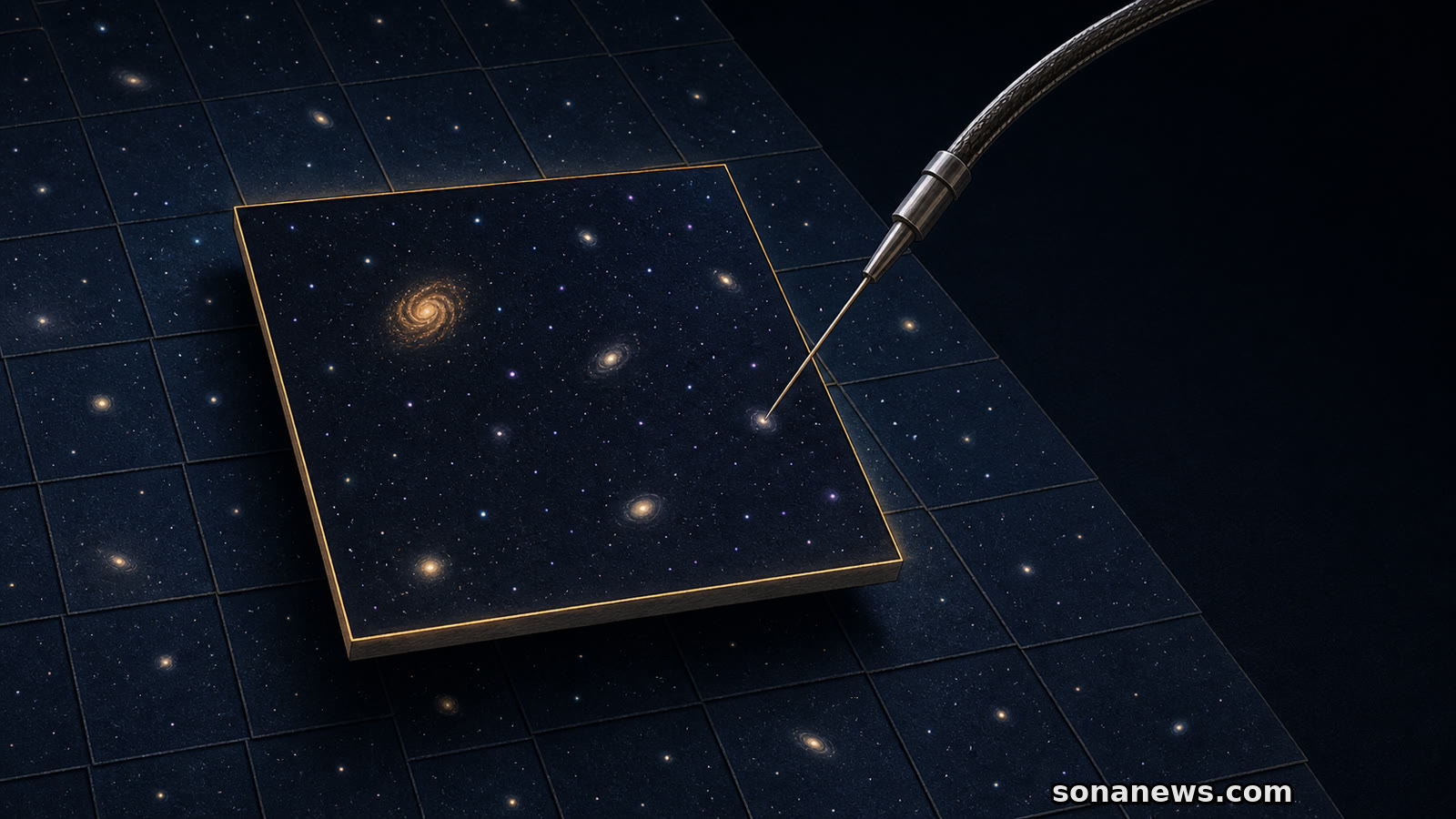
A 5.6-trillion-pixel sky map still needs spectra to become 3D
DESI Legacy Surveys DR11 records where almost four billion sources appear and how bright they look. For DESI's high-resolution 3D map, spectroscopy supplies the distance layer.
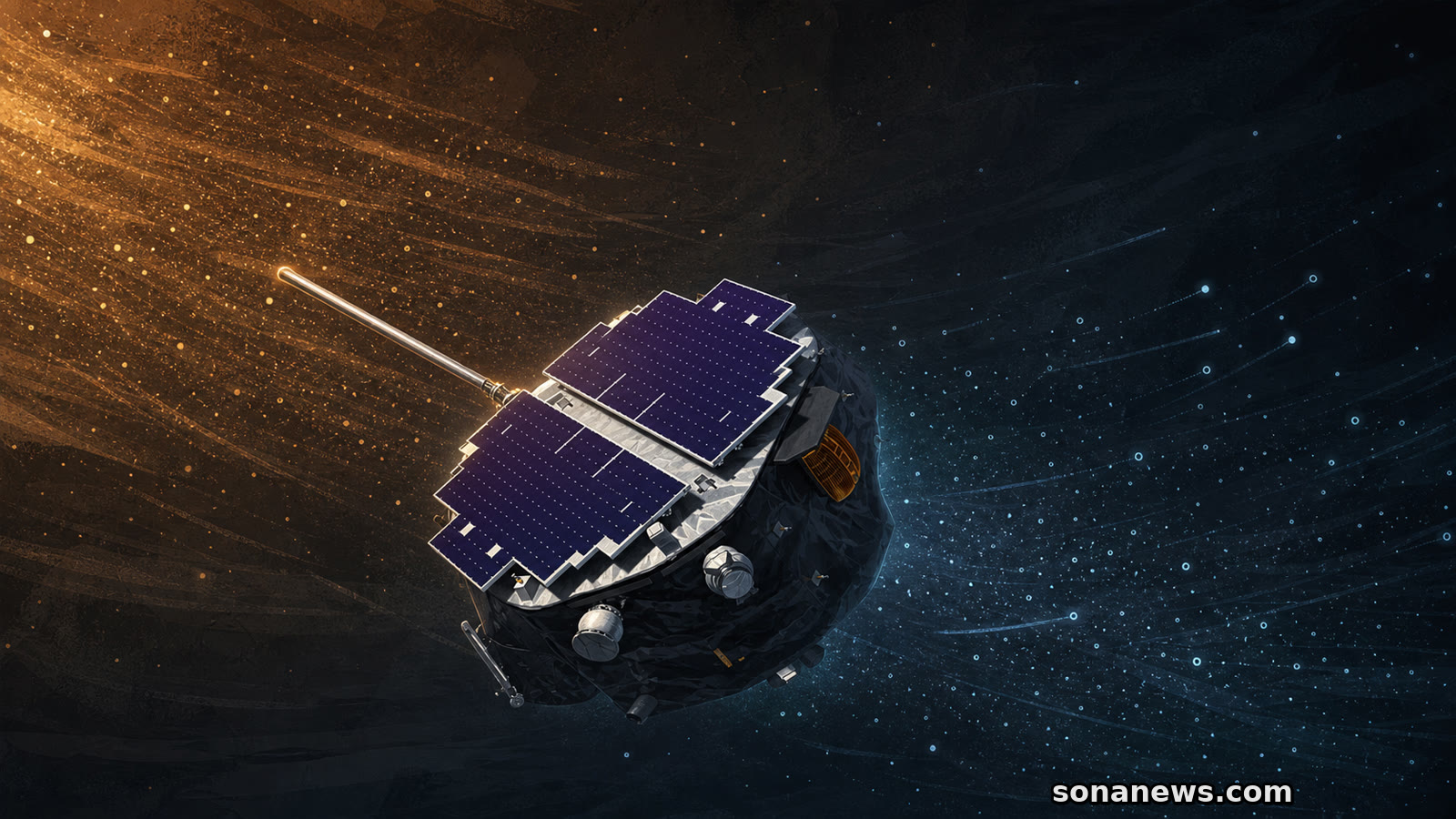
IMAP's first public release has seven data streams, not a finished heliosphere map
NASA has opened measurements from seven of IMAP's ten instruments. The absent trio explains why this milestone is not yet the mission's defining map.
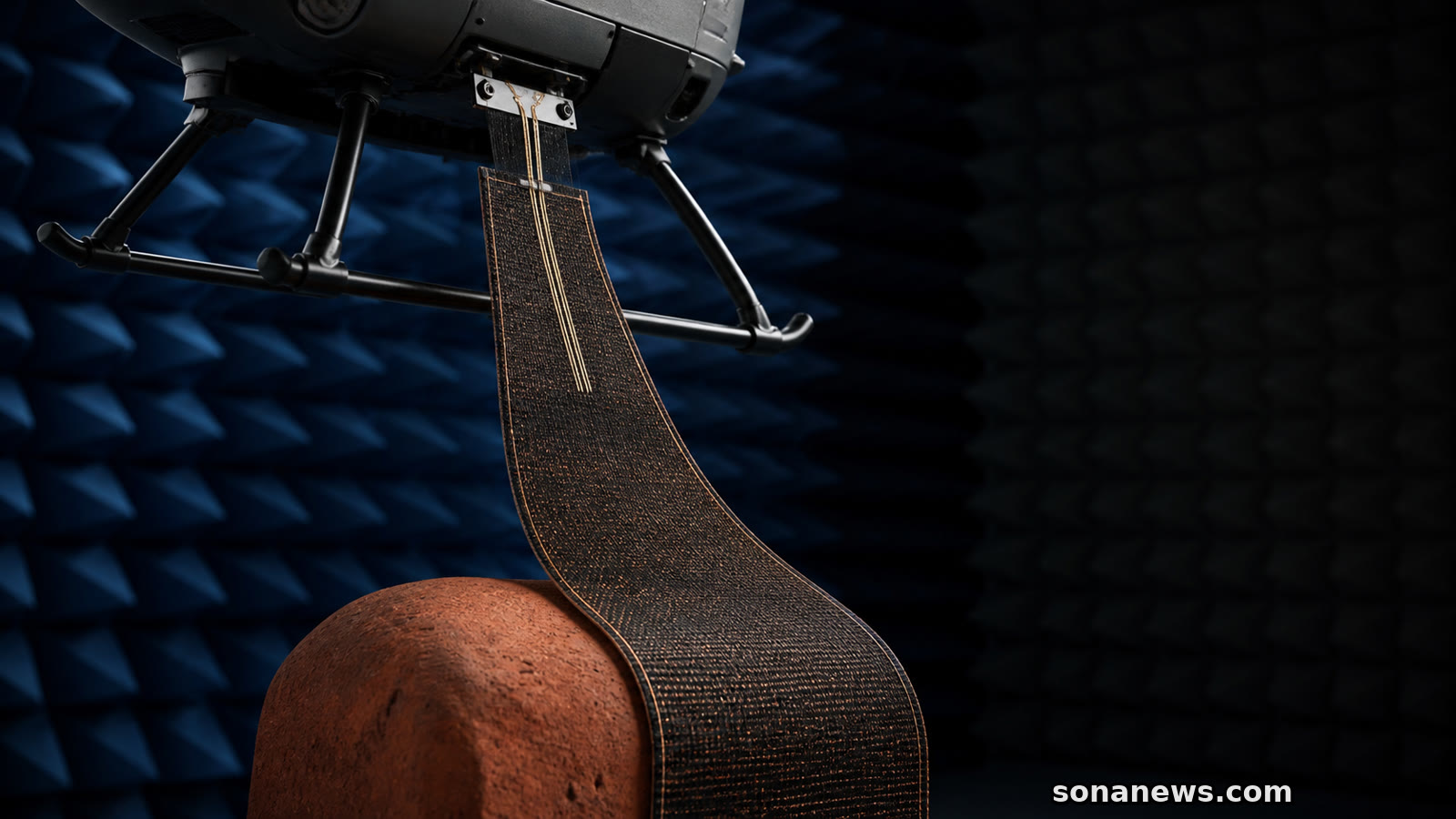
SkyFall's Mars radar antenna has to bend before it can look underground
JPL's 150-gram fabric antenna survived 200 simulated landings, but the future SkyFall mission still faces deployment and flight-qualification tests.
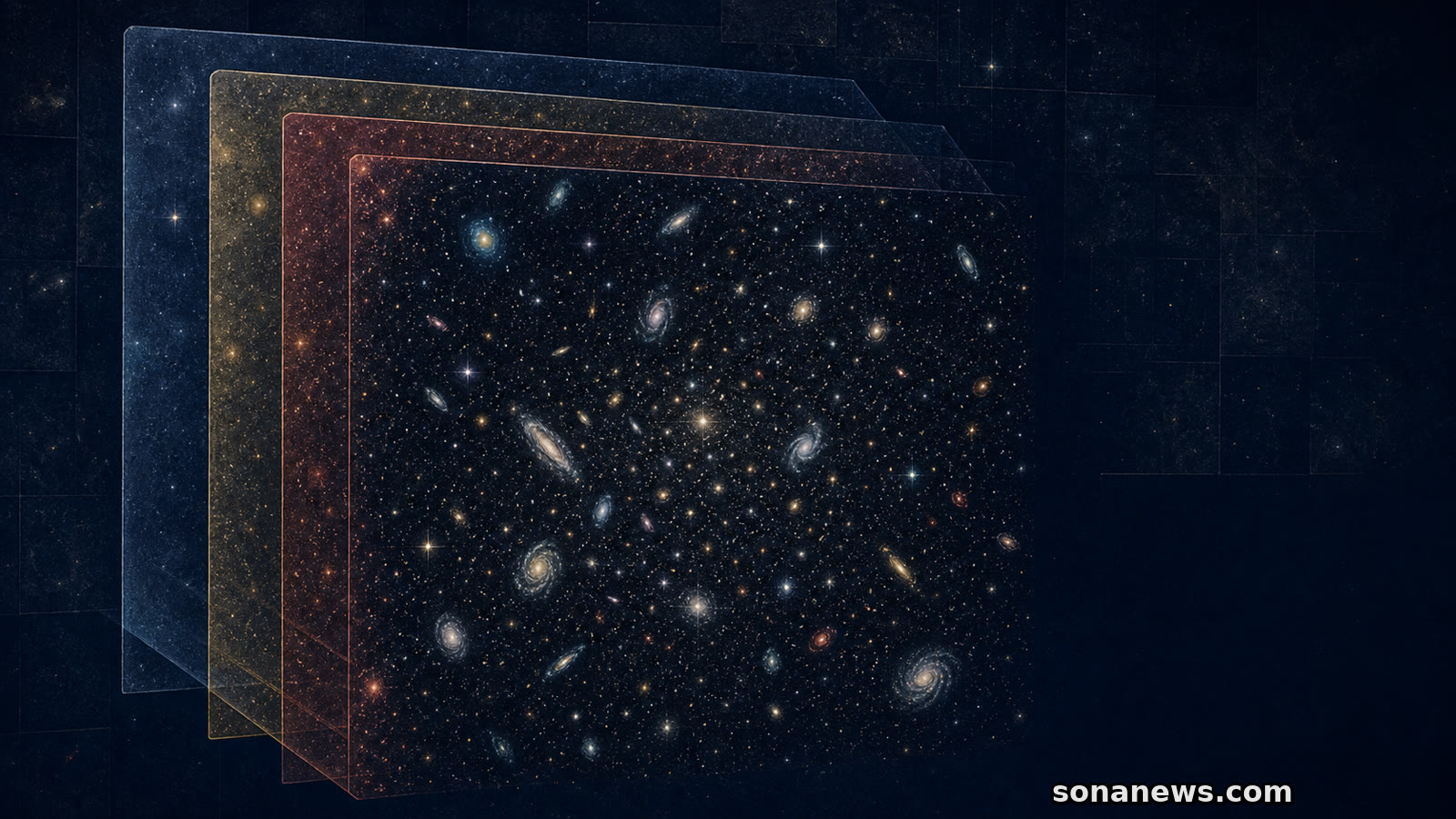
Rubin's new COSMOS image is a baseline for a changing sky
Its first LSST Camera science release stacks hundreds of observations into a field of more than half a million galaxies. The bigger promise is finding what changes when Rubin returns.
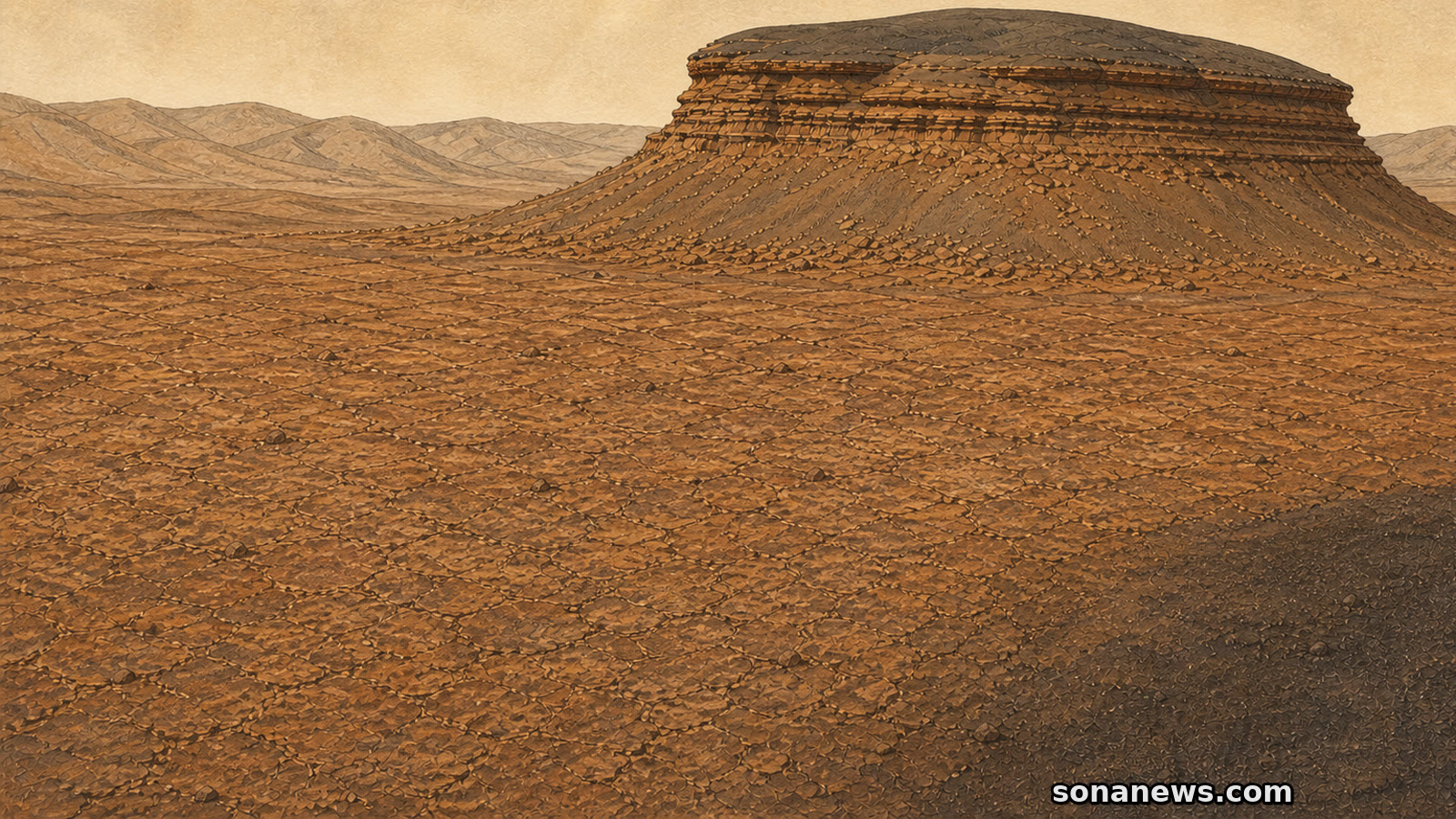
Curiosity's new Martian polygon field is a clue, not a verdict
The rover's 340-image Valle Grande panorama shows centimetre-scale fractures across the ground and around Miraflores butte. Mud drying is only one candidate process.
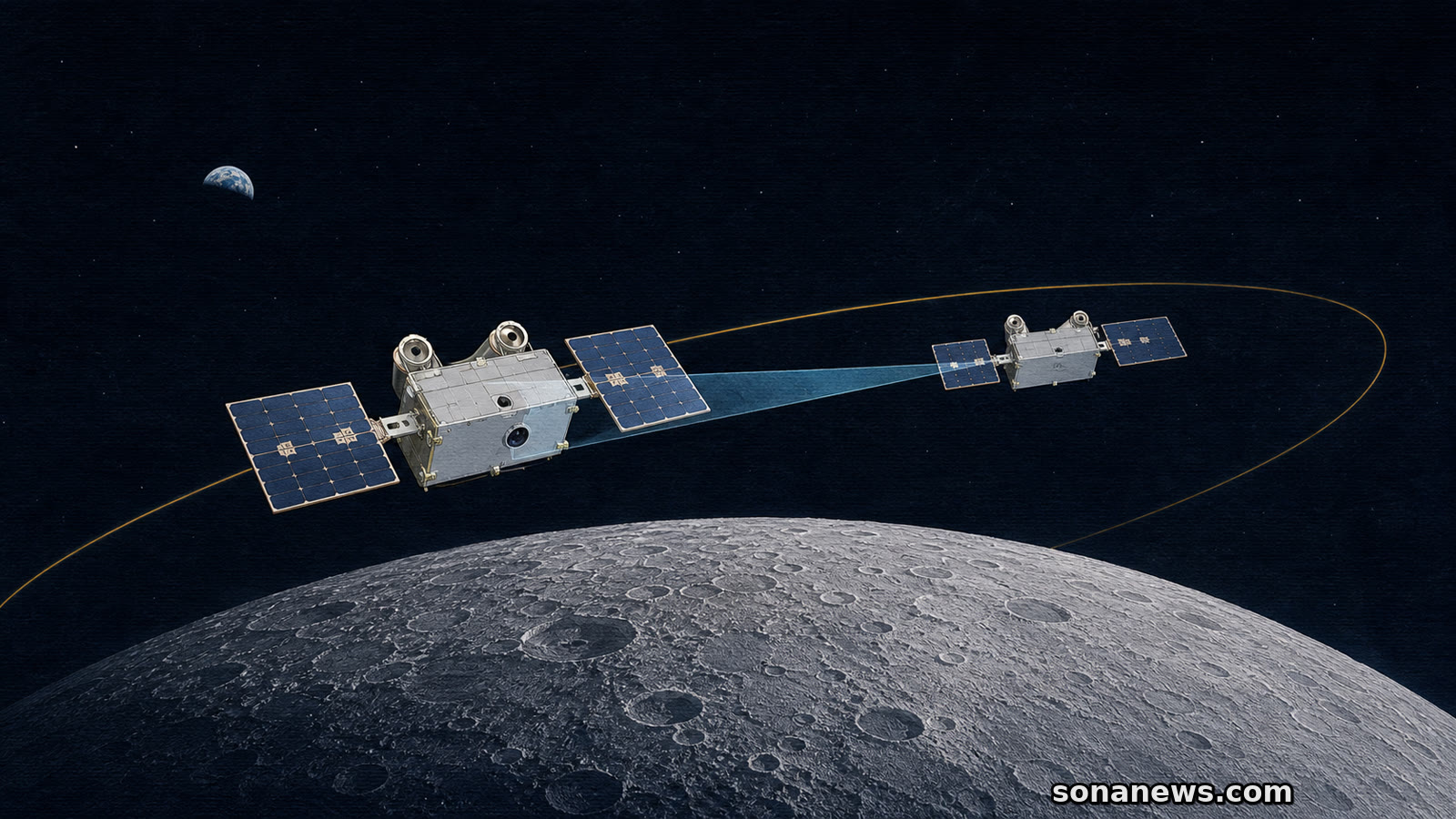
CAPSTONE 02 will have two spacecraft swap roles near the Moon
NASA's in-development mission is targeted for 2027. Its twin spacecraft will alternate between chaser and target while testing navigation, formation flying and communications in lunar orbit.
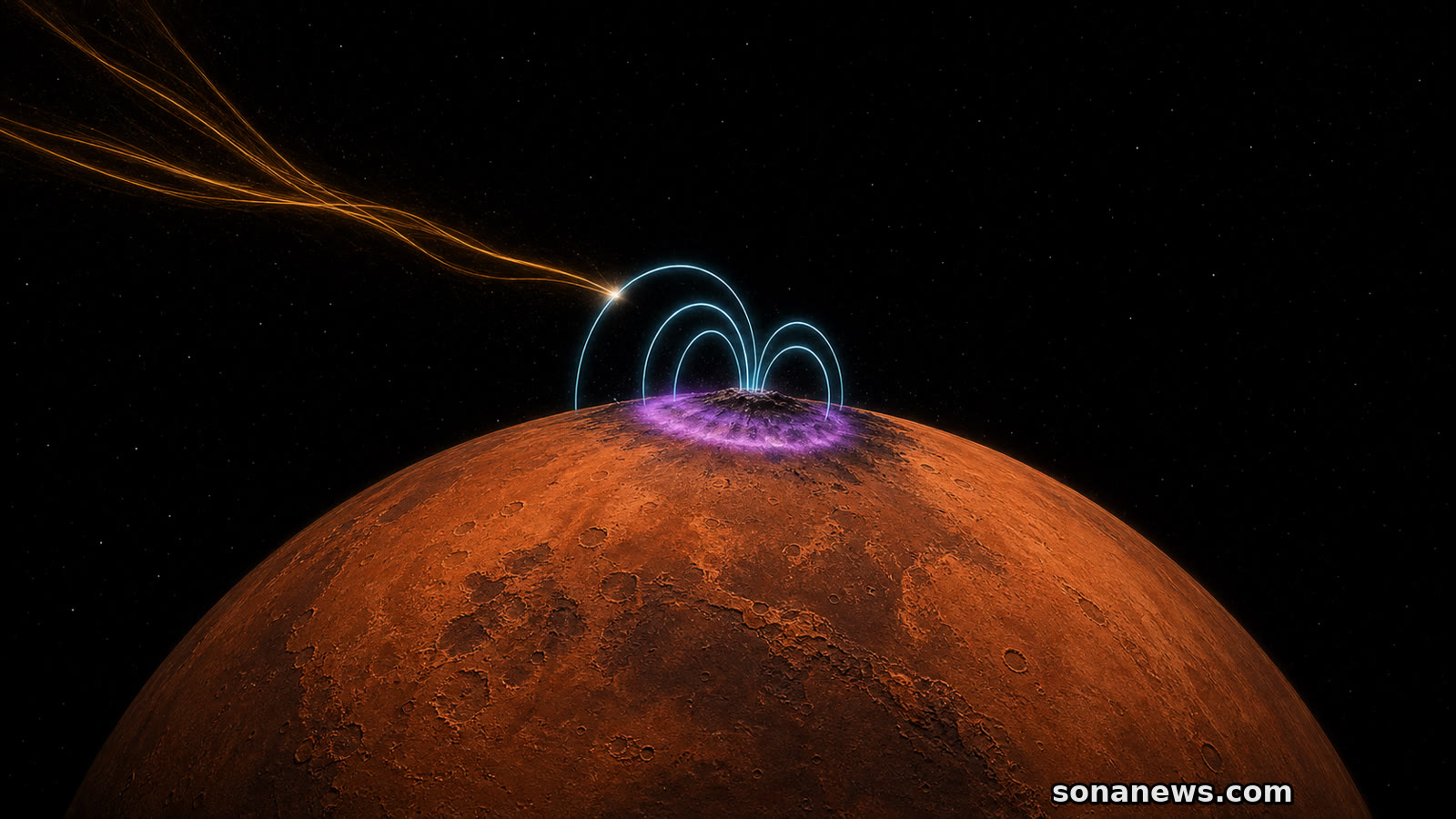
Mars has a miniature version of the cycle behind Earth's auroras
MAVEN data connect magnetic reconnection, electric currents and plasma flow over patches of magnetised crust. The result explains how local auroras can form without a planet-wide magnetic shield.
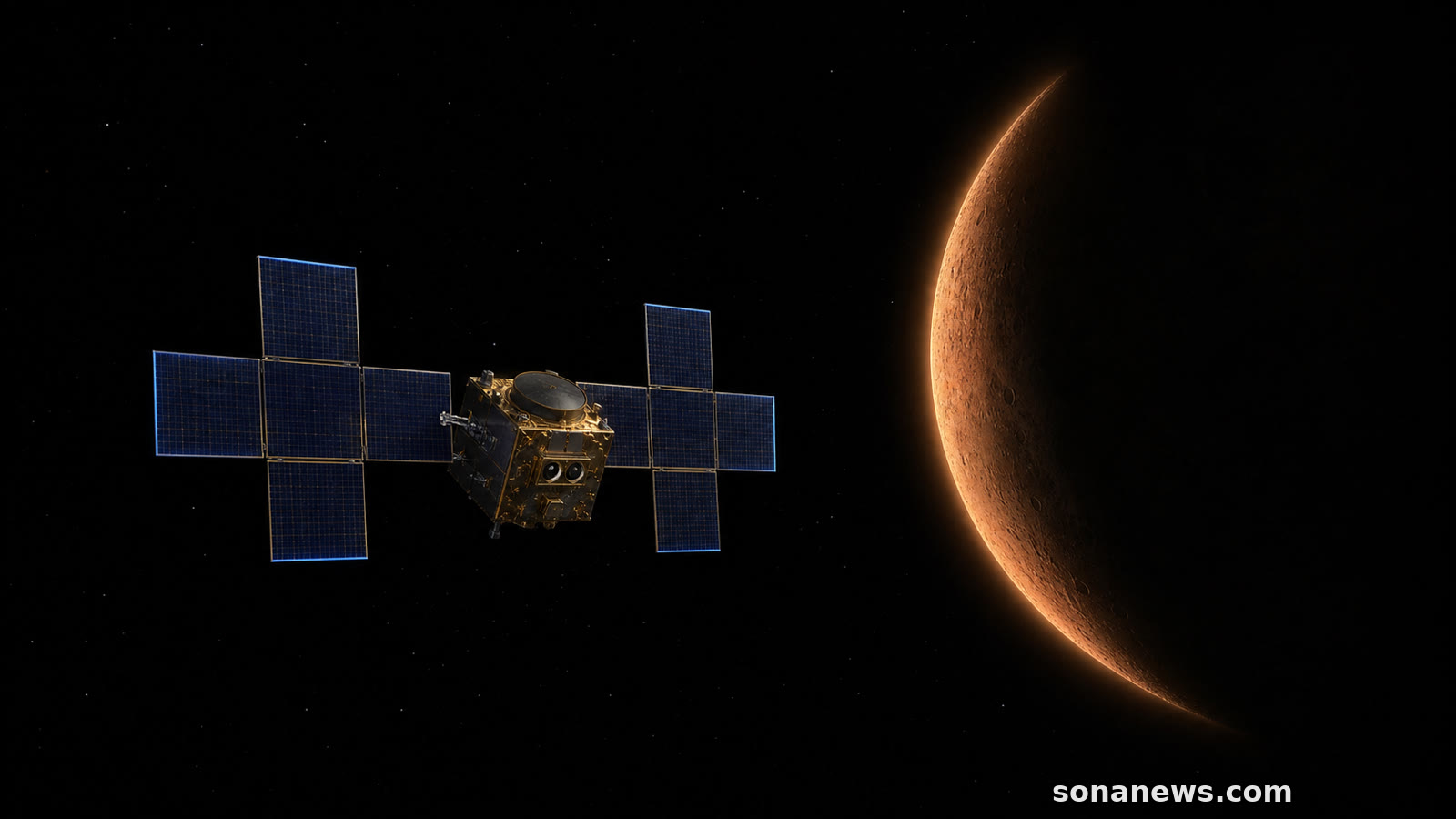
NASA's Psyche used Mars as a dress rehearsal for a metal world
The May gravity assist did more than redirect the spacecraft. It tested cameras, a magnetometer and a neutron detector against a planet scientists already know.
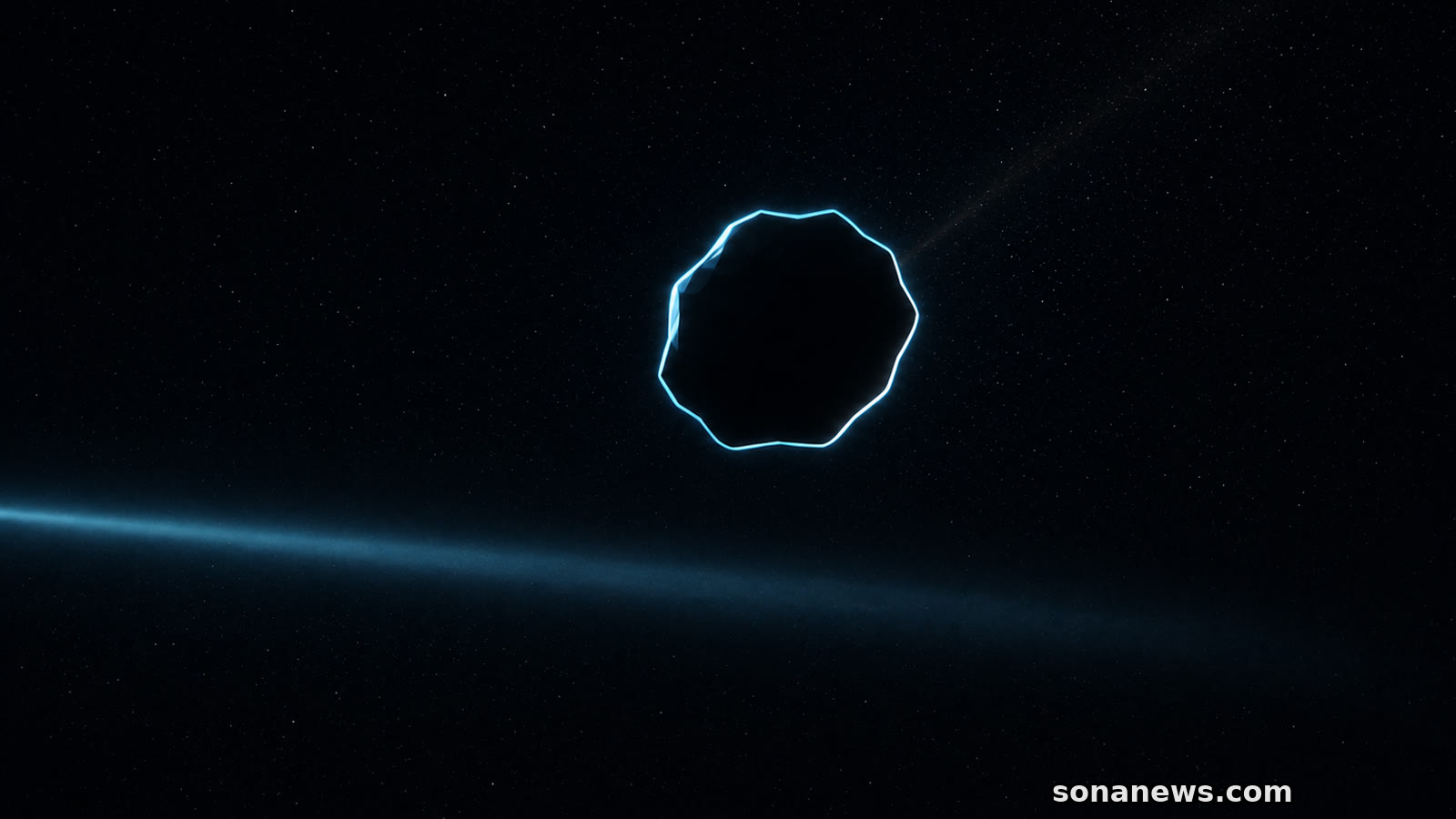
NASA's radar missed an asteroid. Its tiny thrust gave away a comet
1998 SH2 passed Earth safely, but not where gravity-only calculations expected. Decades of tracking and a barely visible tail exposed the outgassing behind the error.
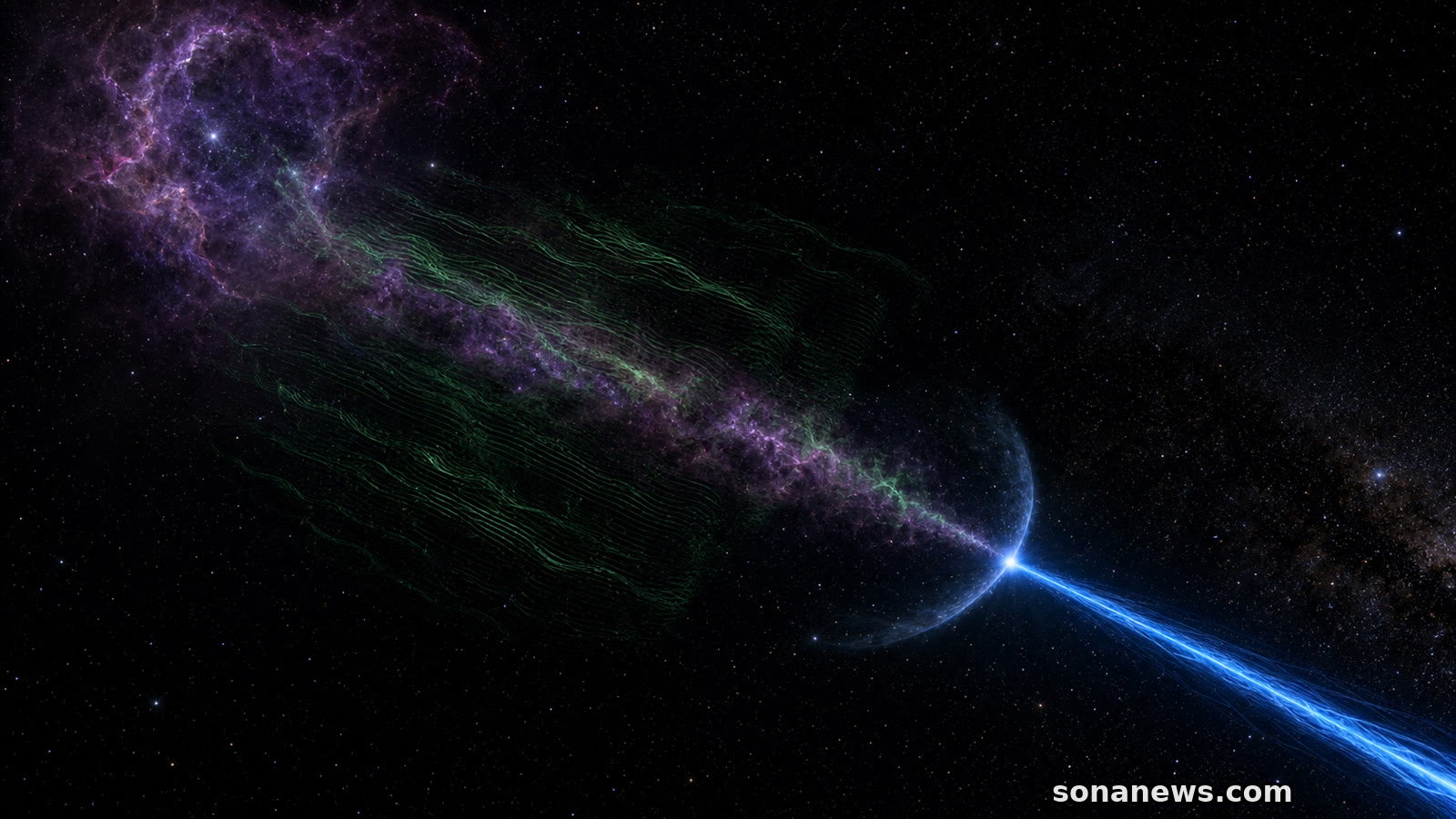
A runaway pulsar’s 37-light-year wake is not one simple jet
IXPE has traced magnetic fields around the Lighthouse pulsar. X-rays and radio waves point in different directions, suggesting the particles are taking separate routes.
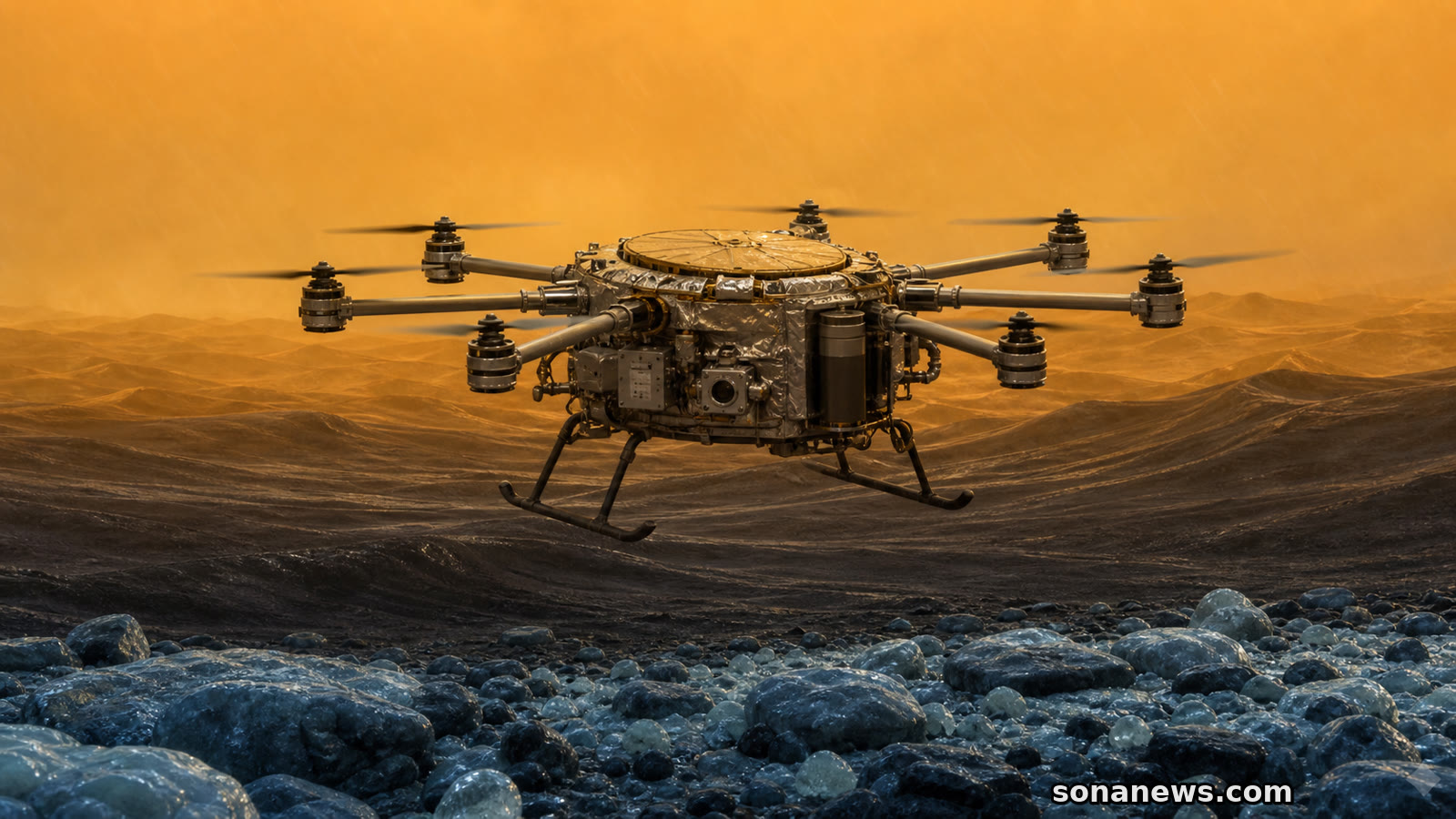
NASA’s Dragonfly is being sealed for a world with methane rain
The Titan-bound rotorcraft has passed structural and pressure tests. The useful story is why a flying laboratory needs to survive dense air, deep cold and its own vibrations.
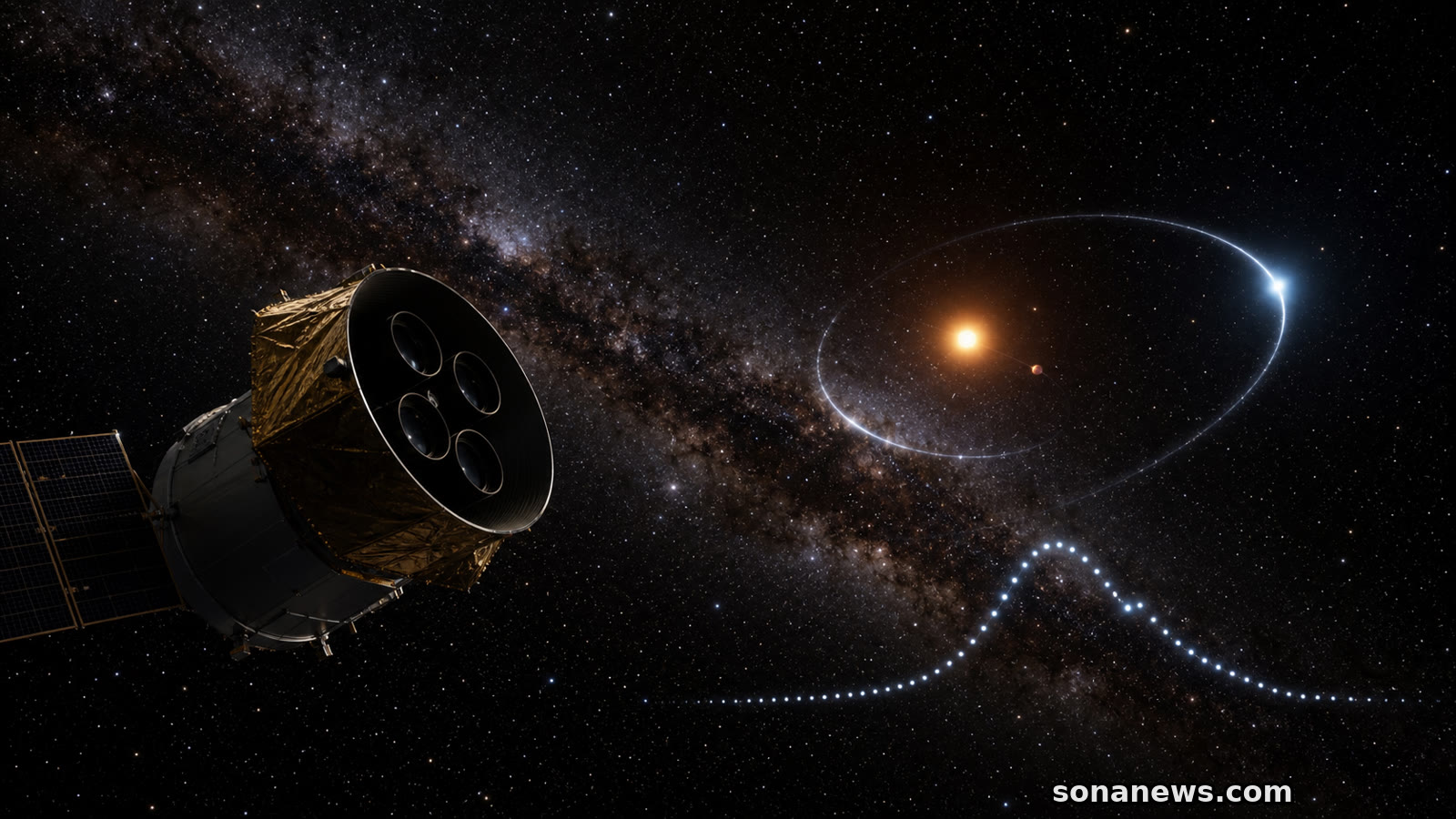
TESS found a planet by looking at a star that brightened once
Gaia23bra b is a super-Jupiter found with microlensing, not the usual transit dip. The useful lesson is about old sky data, careful timing and the coming Roman telescope.
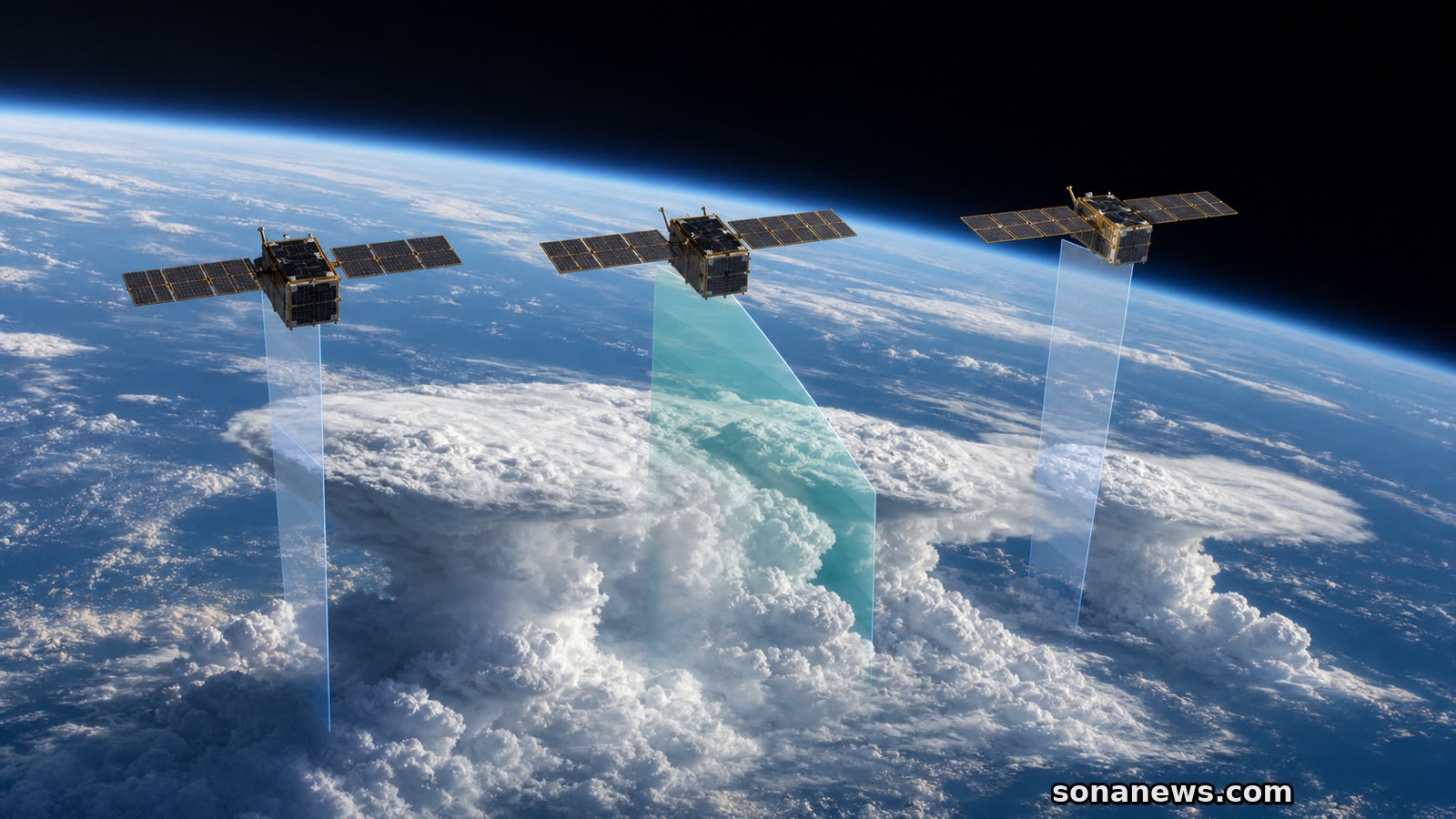
NASA’s INCUS storm satellites are trying to catch the minutes forecasts miss
Two of three INCUS SmallSats have finished assembly and testing. The useful story is not a launch countdown, but a new way to watch tropical storms change in 30 and 90 second steps.
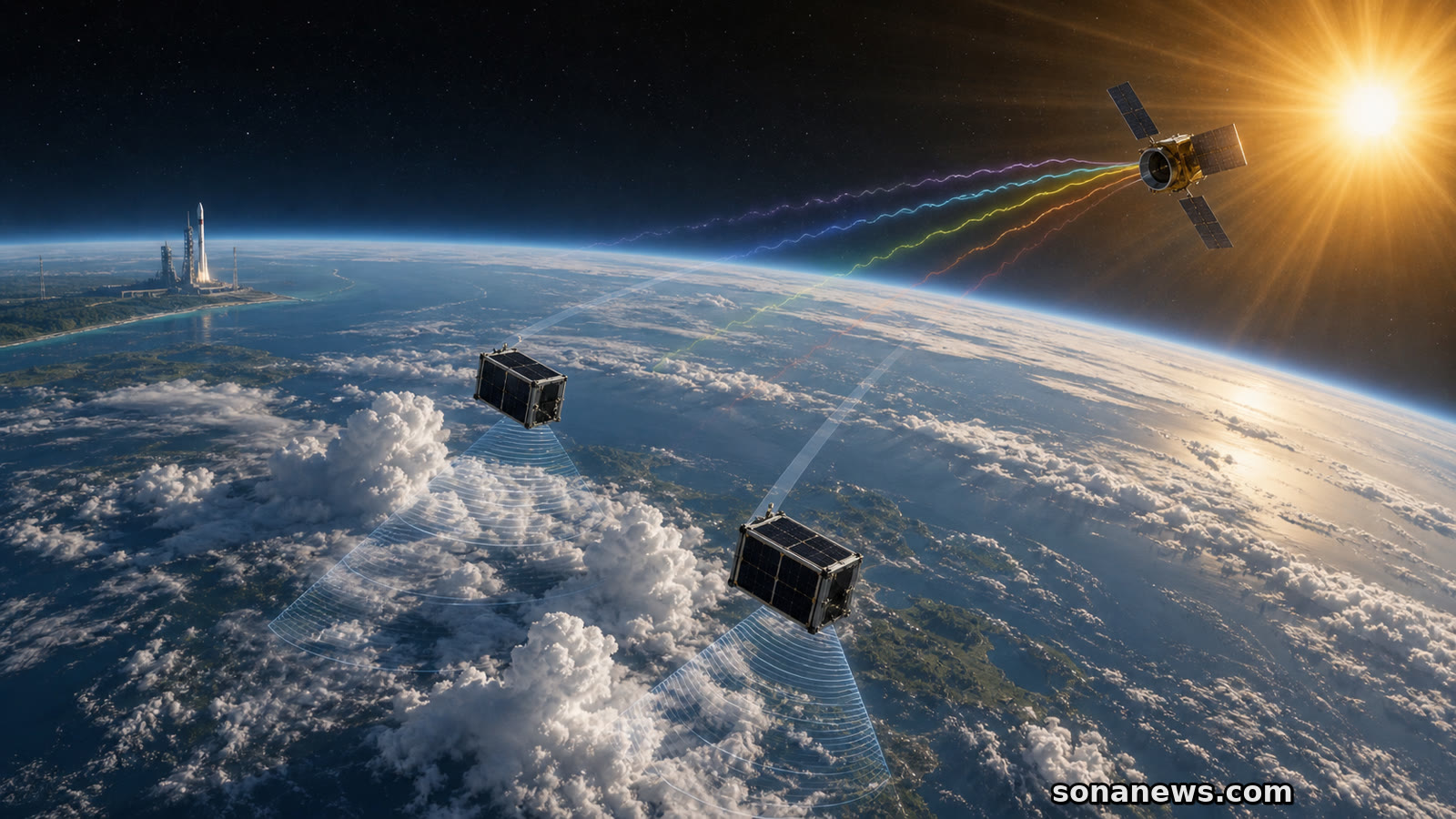
NASA’s Rocket Lab launches are about the quiet data behind weather and climate
The headline is a launch award. The useful story is that TSIS-2 and PolSIR will watch two awkward parts of the Earth system: the Sun’s incoming energy and tropical ice clouds that change through the day.
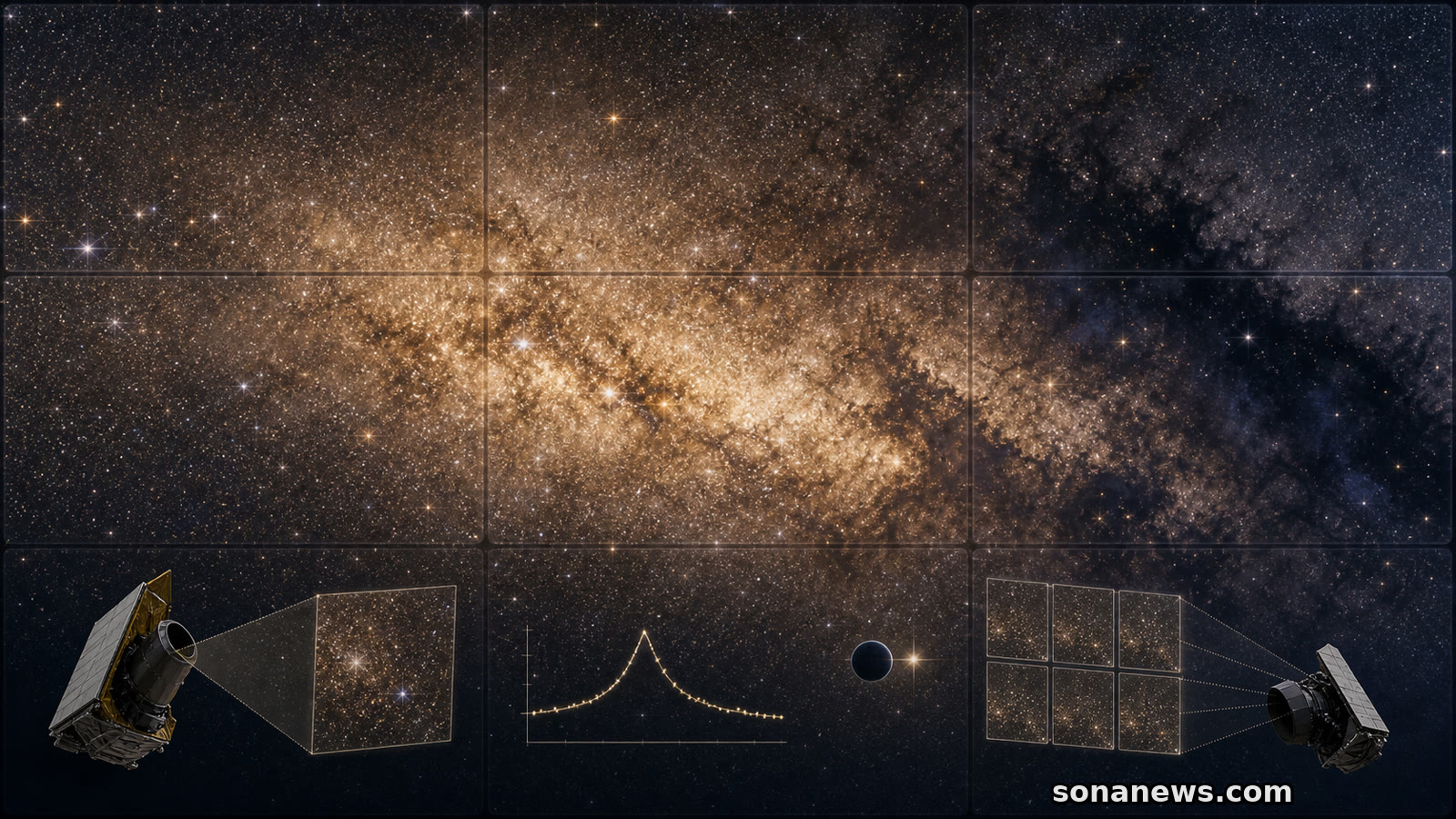
Euclid’s Milky Way image gives Roman a head start on hidden planets
ESA's Euclid paused its dark-universe survey for one day to map more than 60 million stars near the galactic centre. The useful part is how that snapshot can help NASA's Roman telescope decode future microlensing events.
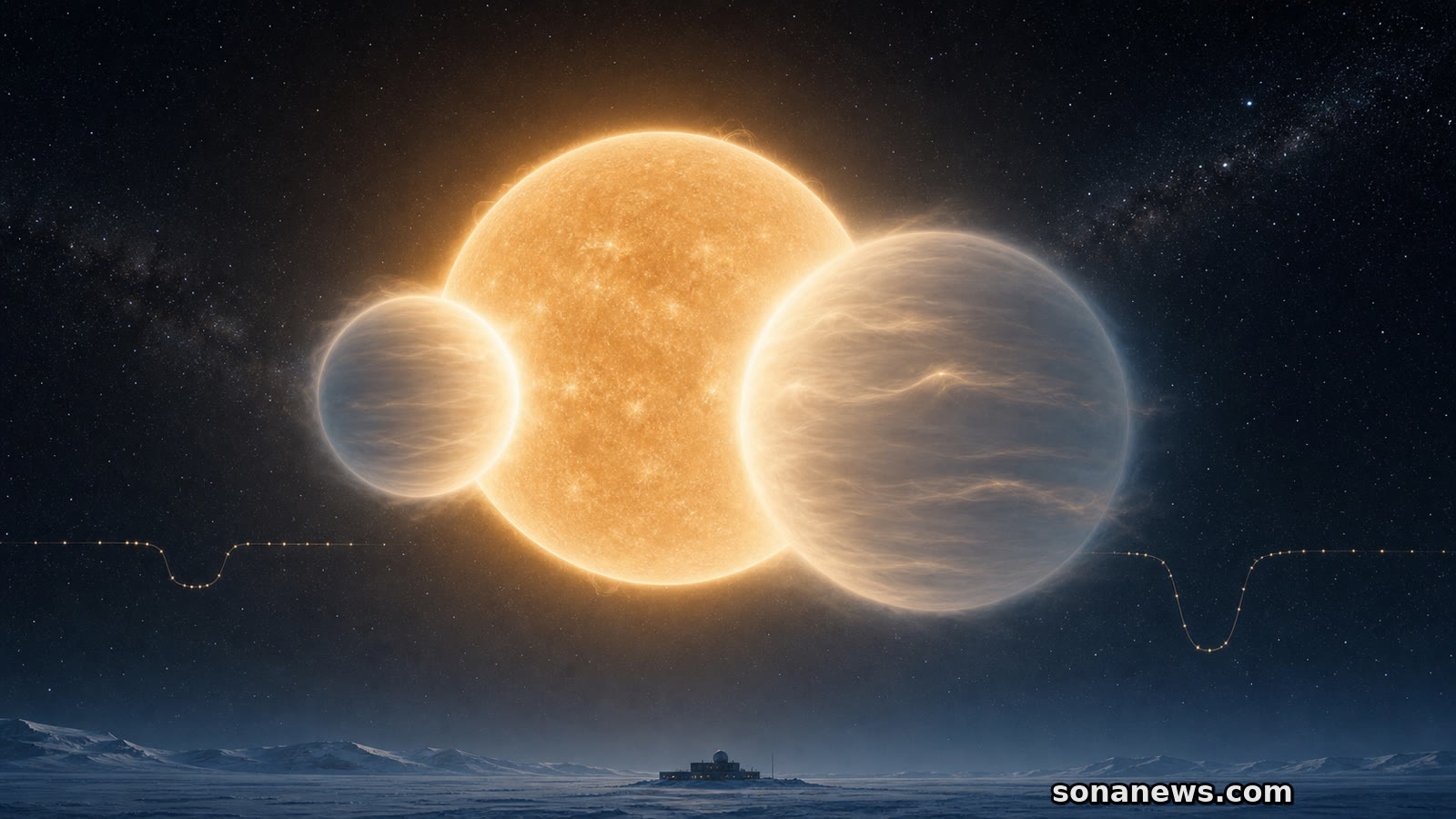
TESS has found two giant planets so airy they test how worlds inflate
TOI-791 b and c are roughly Jupiter-sized but only a few per cent of Jupiter's mass. The useful story is not the candy-floss comparison, it is the awkward physics behind keeping such large worlds so light.
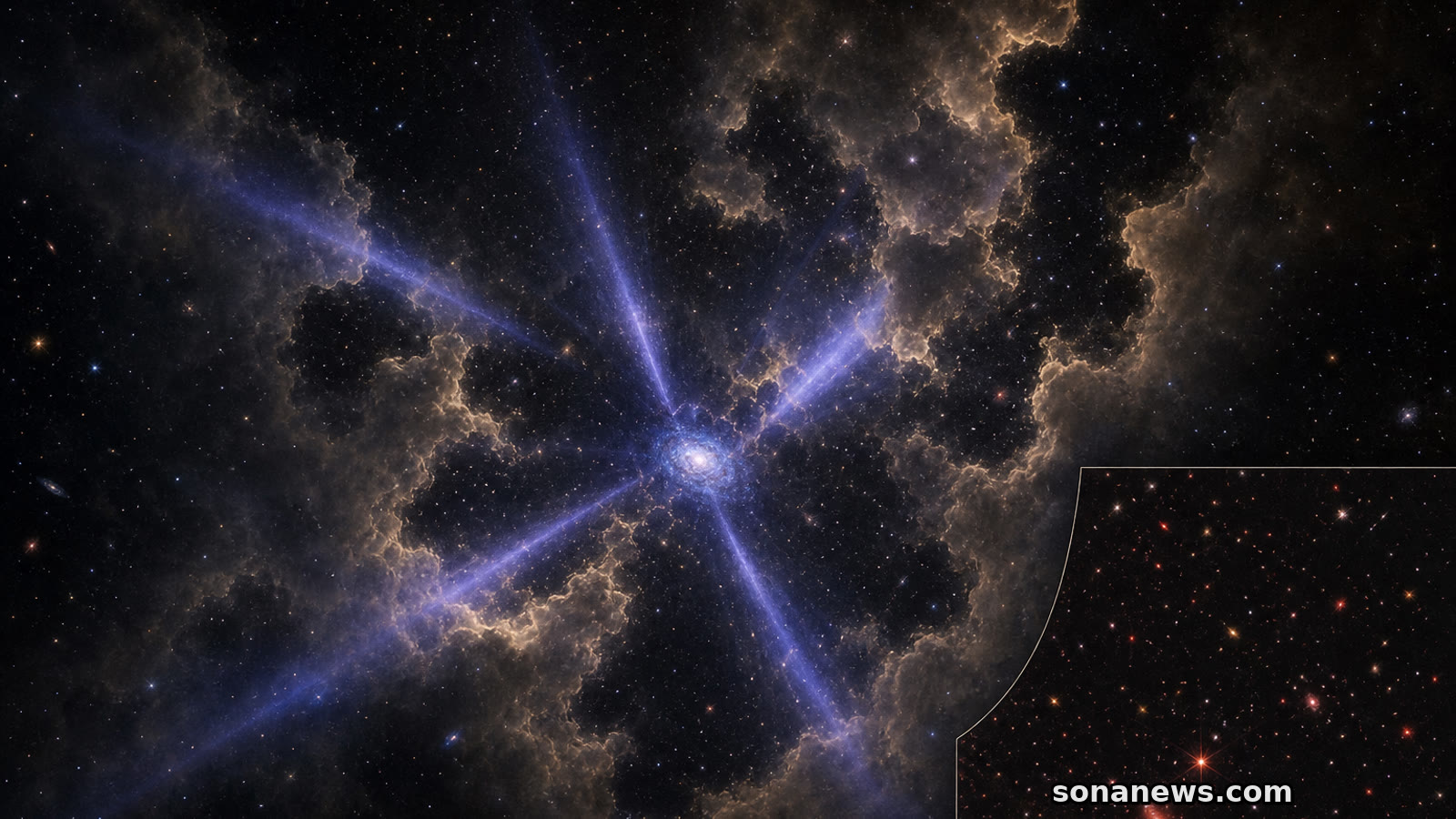
Hubble has caught an early galaxy leaking the light that cleared cosmic fog
MXDFz4.4 is not a household name. Its usefulness is sharper than that: Hubble has spotted ultraviolet light escaping a young galaxy, giving astronomers a rare test of how the early universe became transparent.
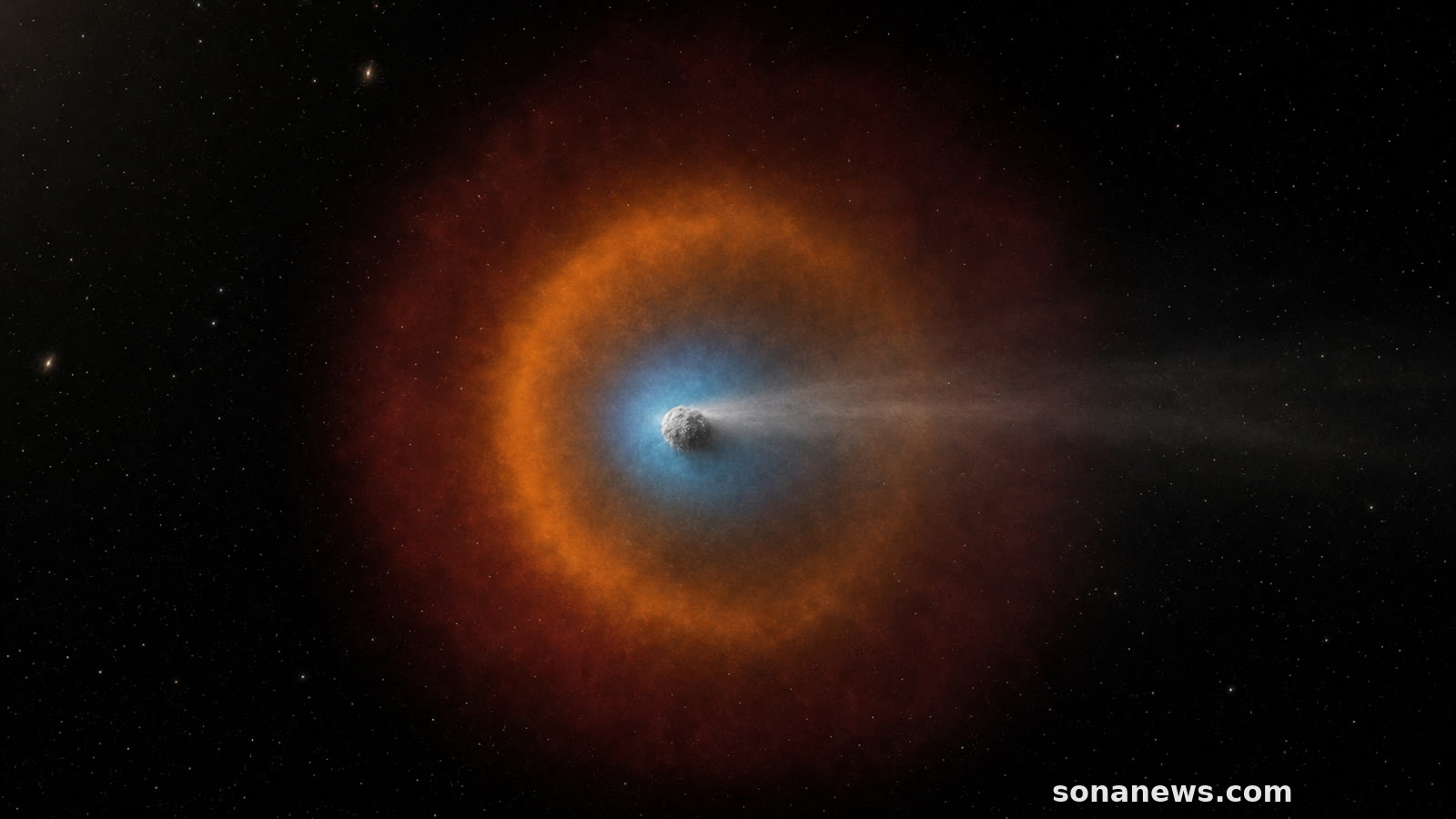
Webb has turned an interstellar comet into a chemistry map
3I/ATLAS has already done the dramatic part by coming from outside the solar system. Webb’s useful work is quieter: mapping water, carbon dioxide and carbon monoxide before the visitor fades.
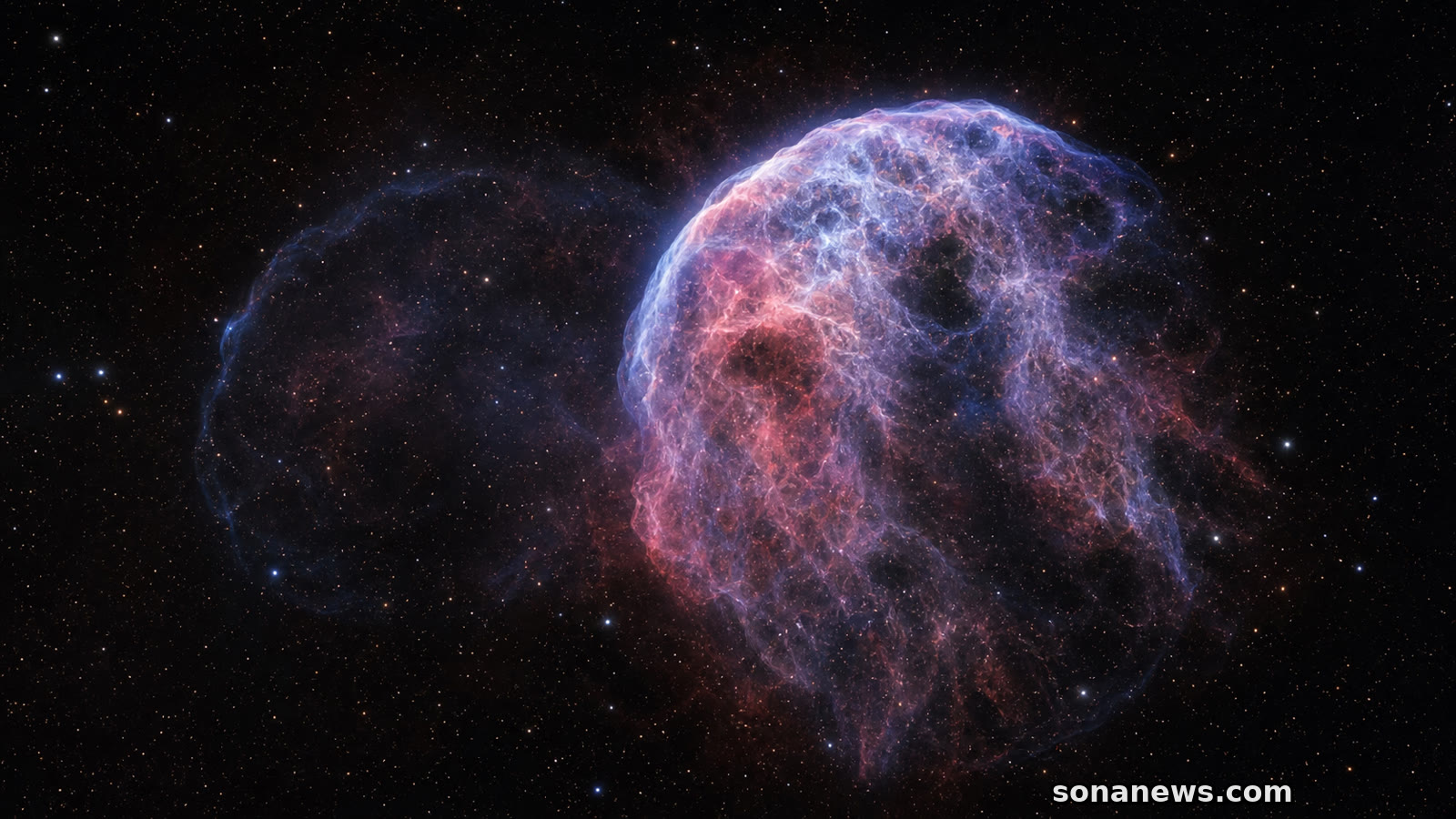
The Jellyfish Nebula may have a stellar sibling
Sixteen years of Fermi data have pulled a faint neighbour out of the glare, turning a pretty nebula into a careful test of how massive stars die in pairs.
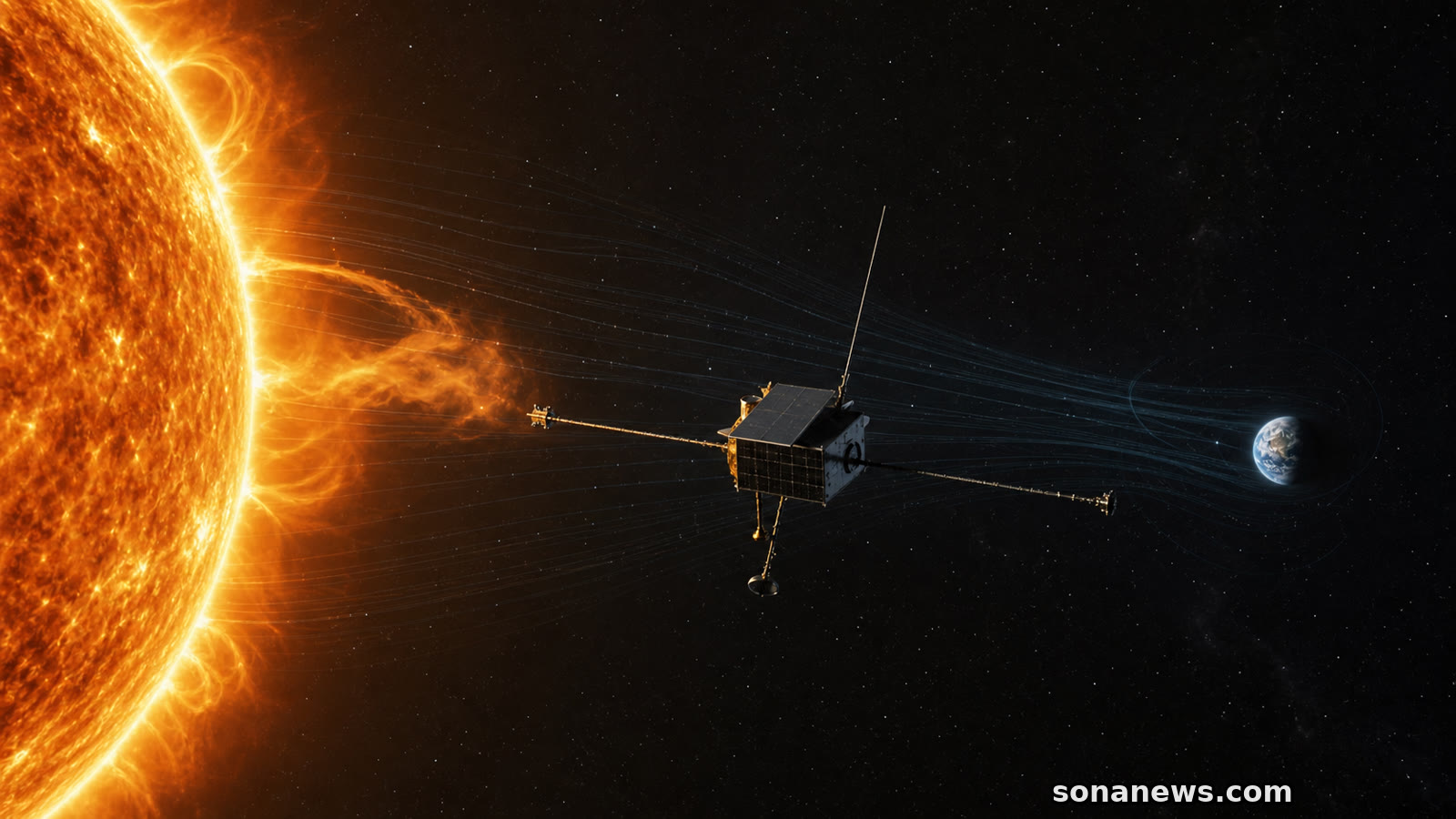
NOAA’s new solar storm lookout is now on duty
SOLAR-1 sits about one million miles upstream of Earth, turning the Sun’s changing output into faster operational warnings rather than sci-fi drama.
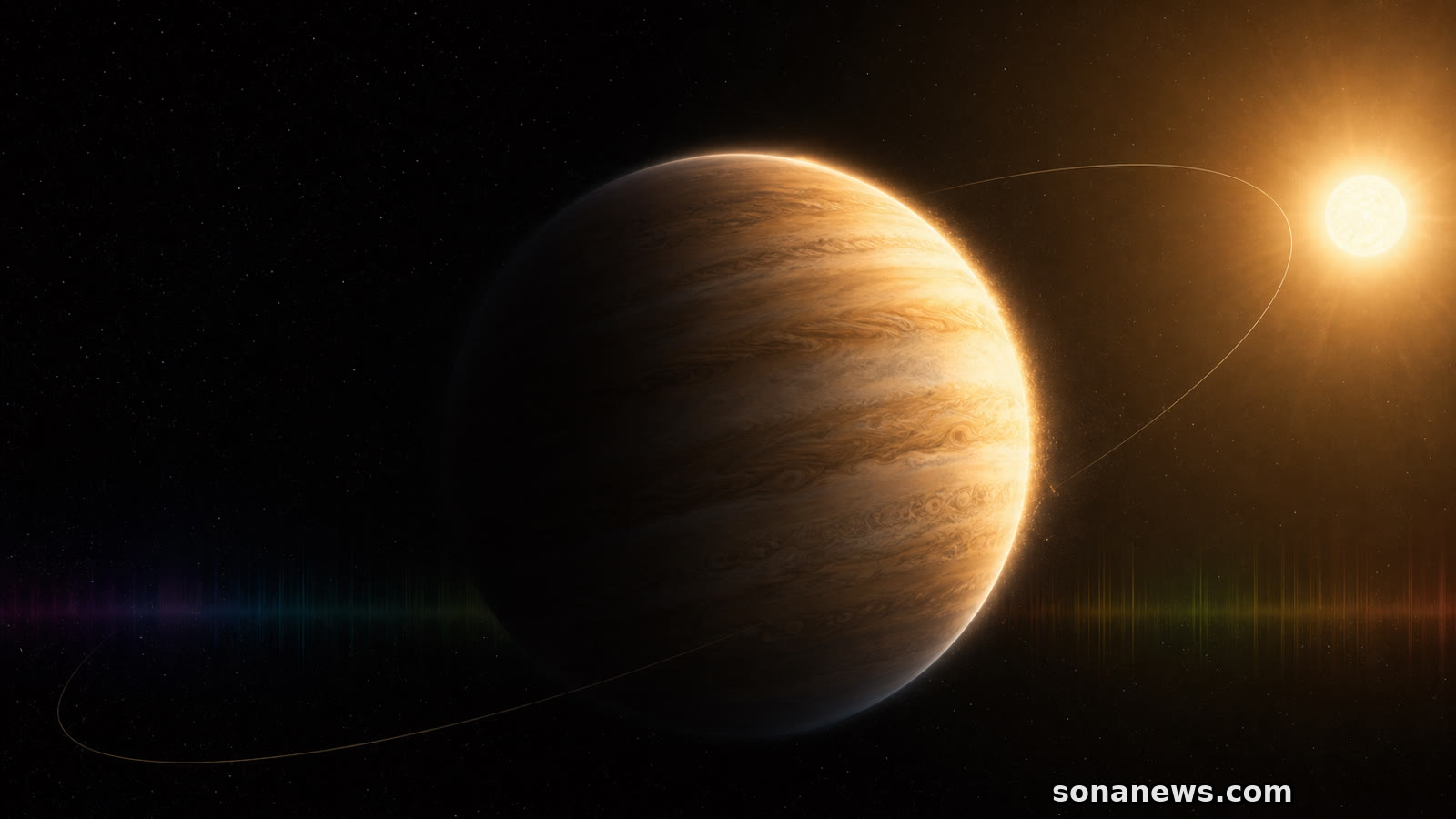
Webb watched a giant exoplanet heat up in real time
HD 80606 b is not a second Earth. It is a strange gas giant whose stretched orbit lets astronomers watch an atmosphere change within hours.
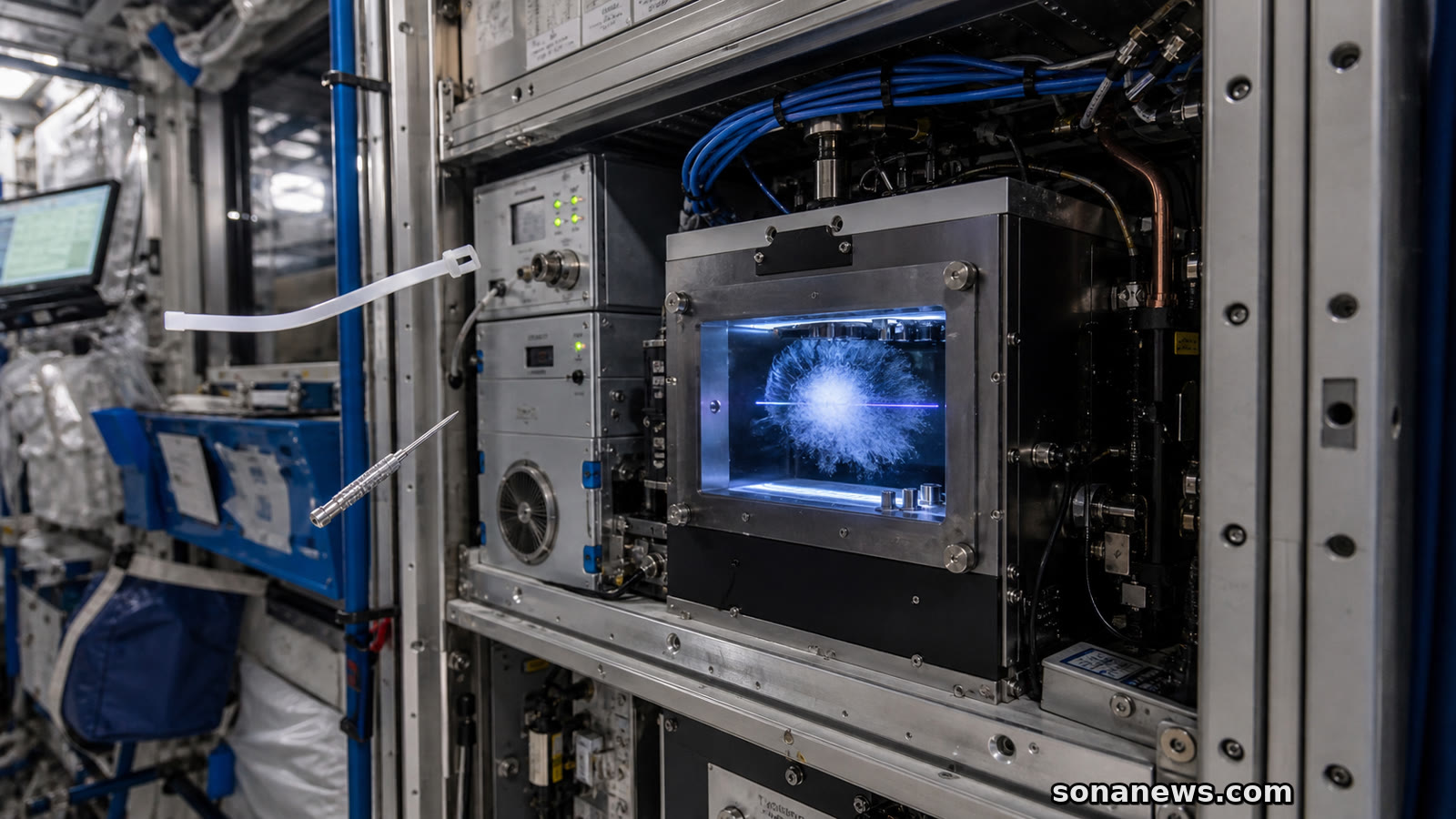
The space station’s coldest lab just became a better quantum test bench
NASA’s upgraded Cold Atom Lab is not a sci-fi shortcut. It is a minifridge-sized ISS instrument for testing how ultracold atoms behave when gravity gets out of the way.
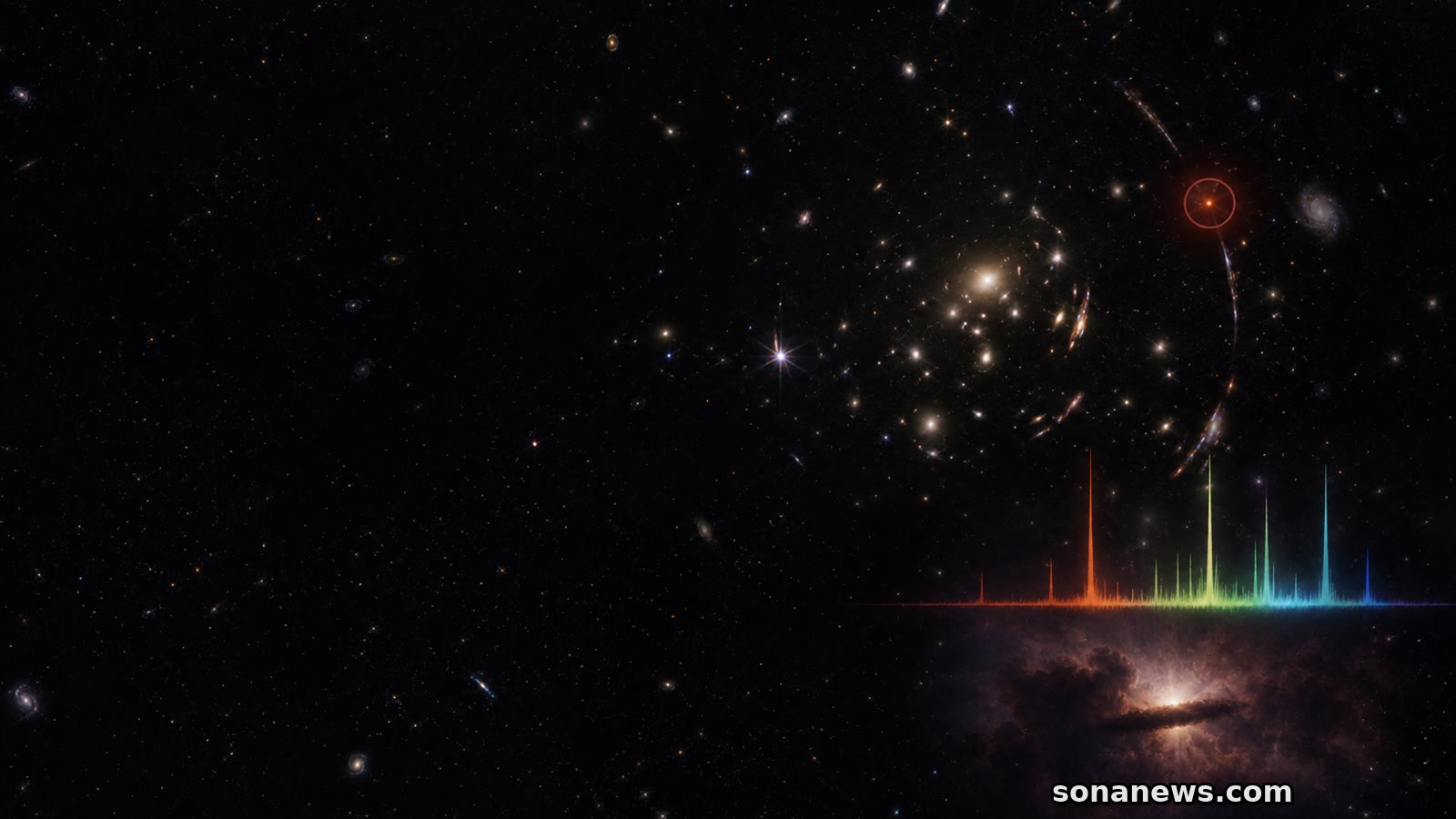
Webb’s little red dots are becoming a black hole test
A deep spectrum of GLIMPSE-17775 points to dense gas around a fast-feeding black hole, a calmer explanation for one of JWST’s odd early-universe puzzles.
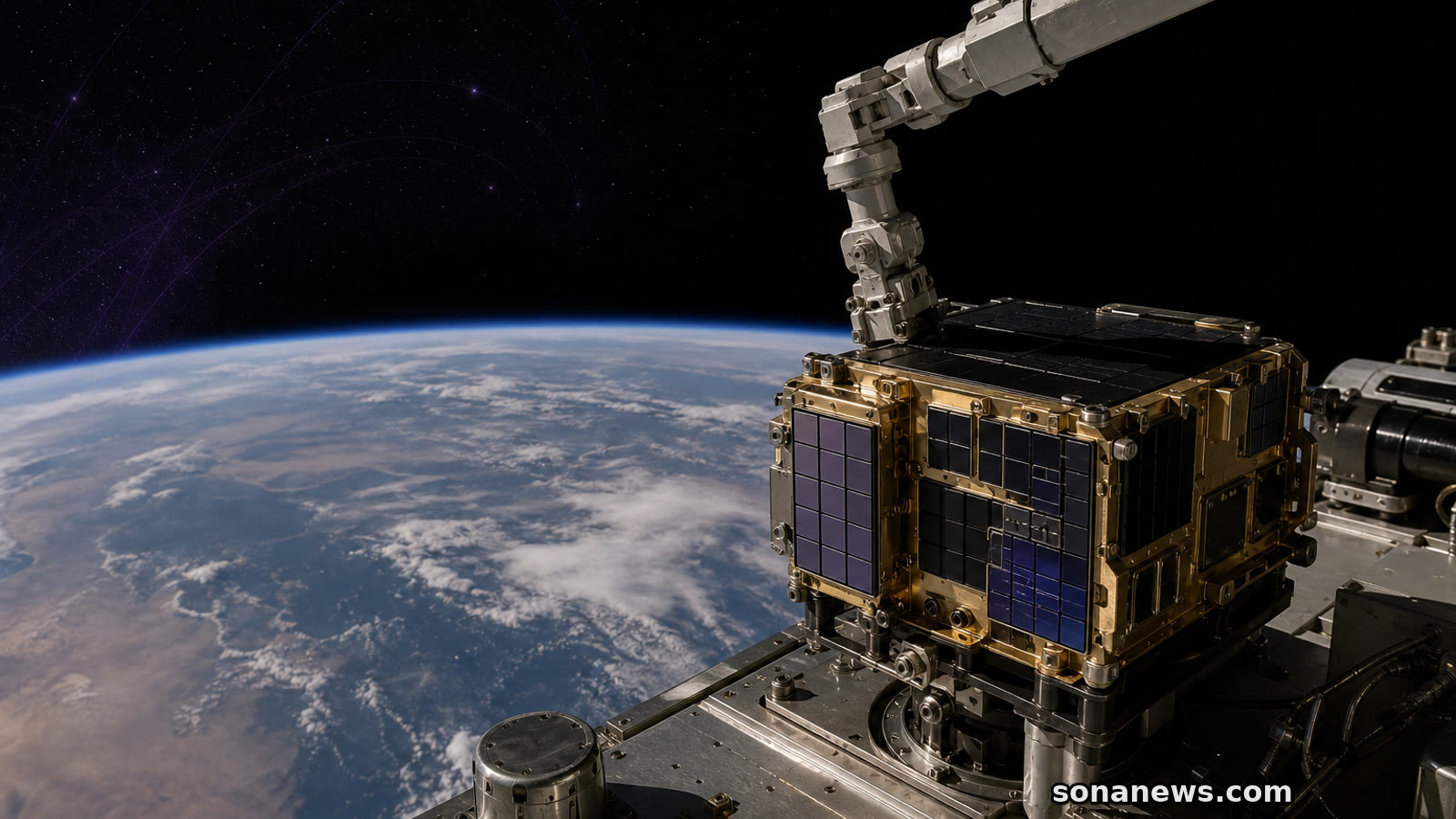
NASA’s new gamma-ray detector is getting an orbit test before it becomes a telescope
AstroPix is a small sensor story with a large scientific purpose: testing whether silicon pixel detectors can help fill a stubborn gap in how astronomers watch the high-energy universe.
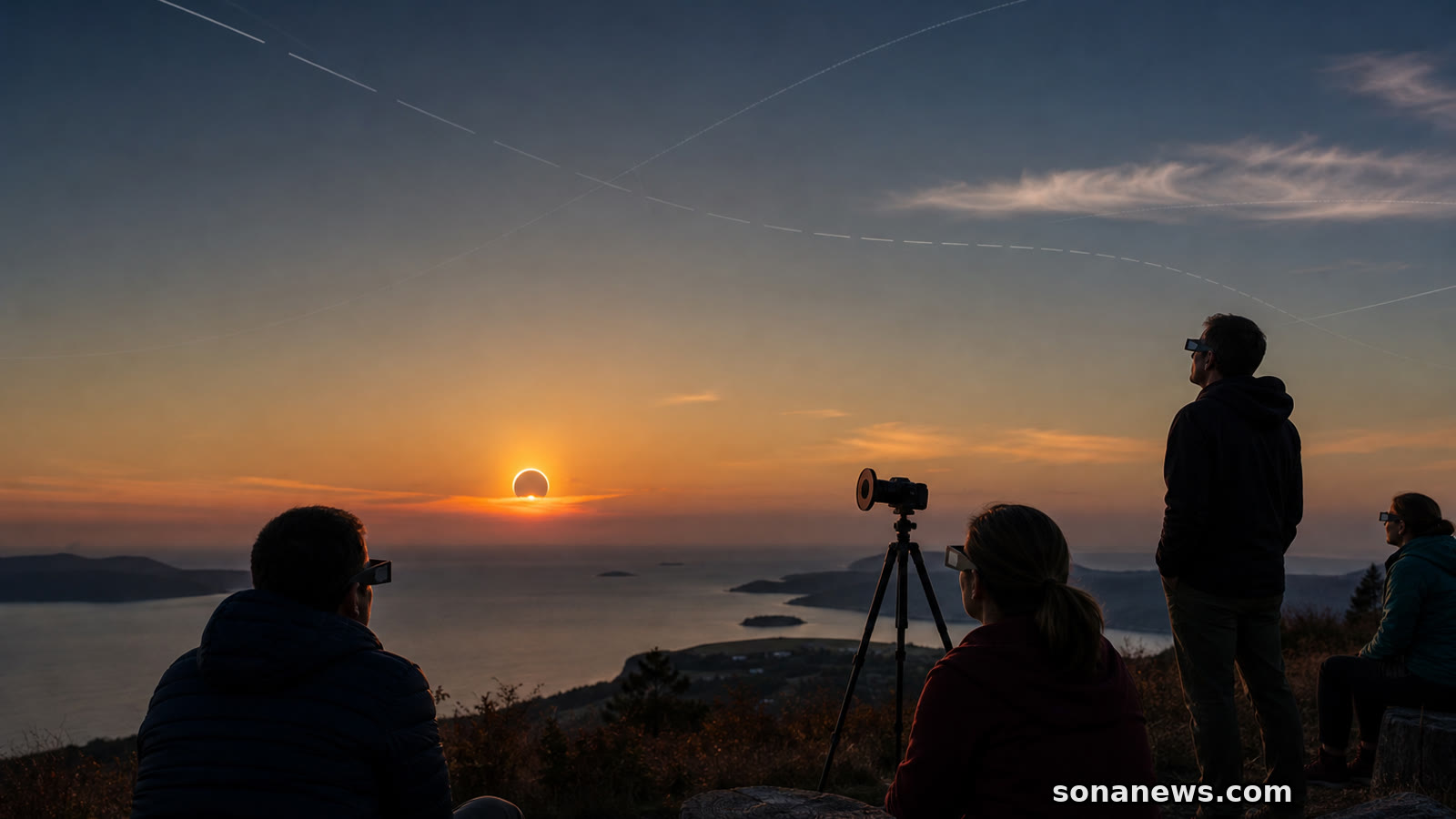
The 2026 eclipse is already a low-sun planning problem
NASA’s new August 2026 eclipse map is not just a path of totality. For Europe, Iceland and the North Atlantic, it is a reminder that timing, horizon and safe viewing will matter as much as location.
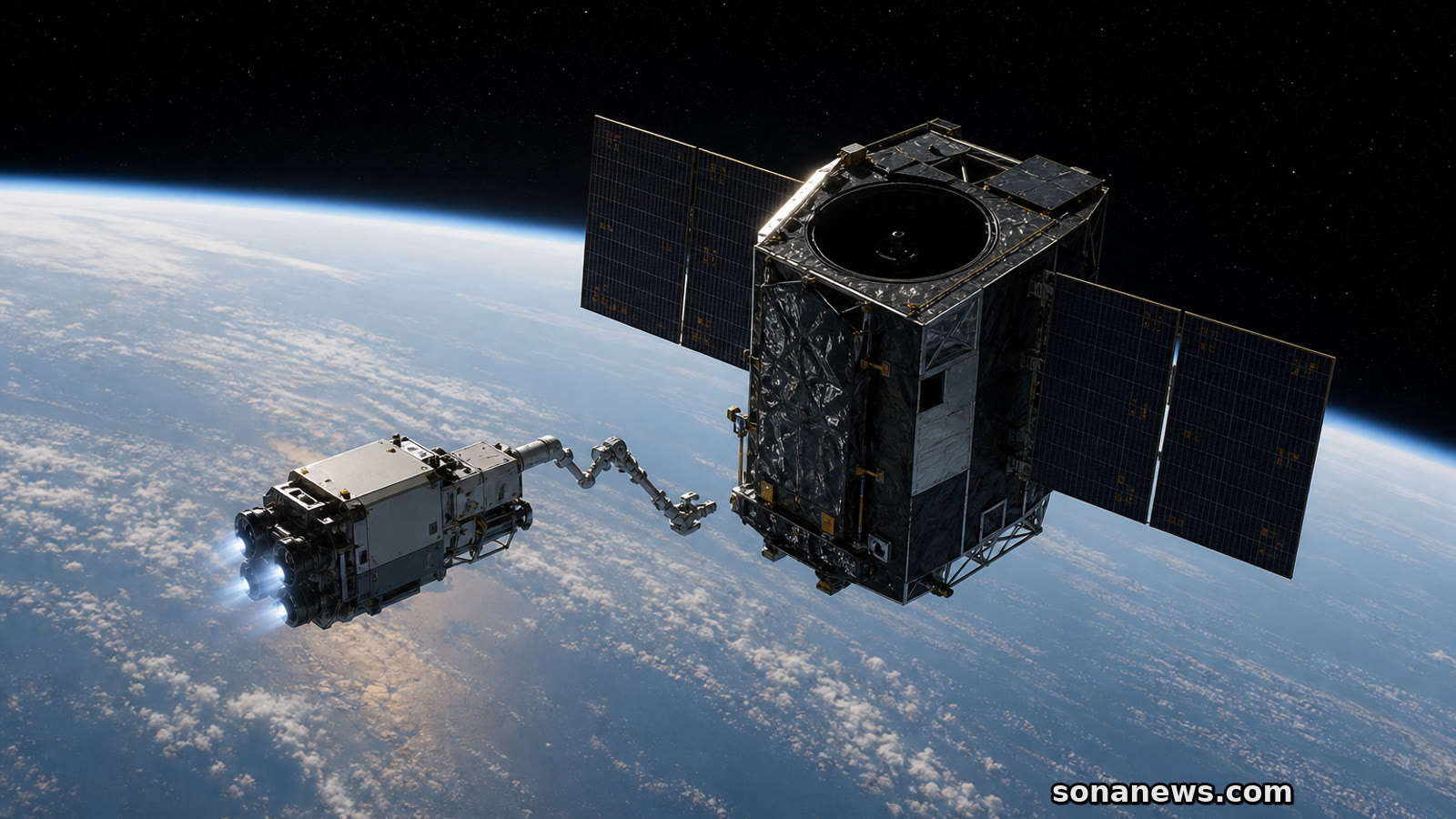
Swift’s rescue mission has reached the rocket
NASA says Katalyst’s LINK spacecraft has been installed inside a Pegasus XL rocket for a late-June attempt to raise the ageing Swift observatory. The hard part comes after launch: finding, catching and lifting a telescope that has no propulsion to save itself.
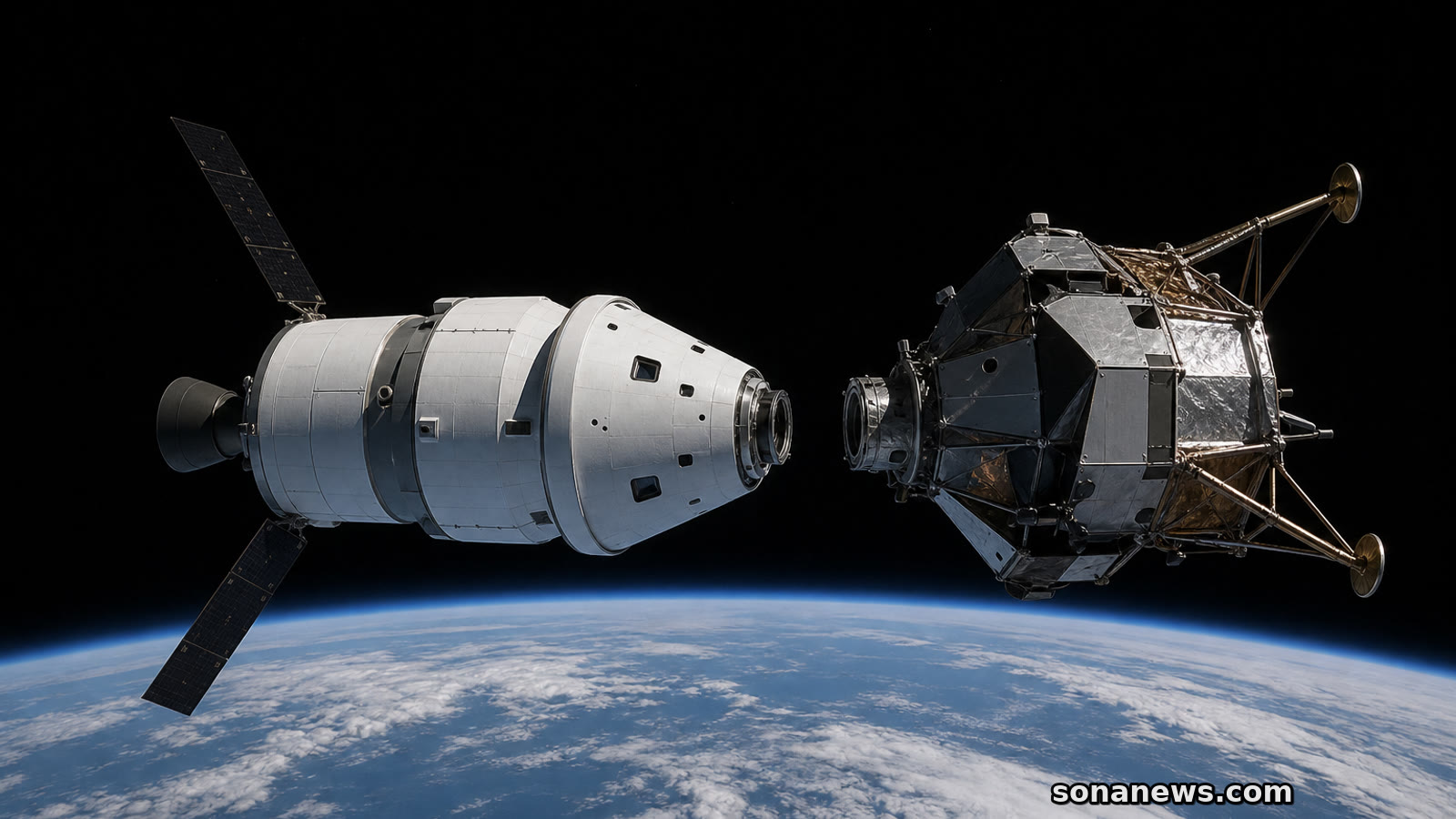
Artemis III now has a crew. The mission is a test before the Moon
NASA has named Randy Bresnik, Luca Parmitano, Andre Douglas and Frank Rubio for Artemis III. The careful part is what they are being asked to prove in Earth orbit before later lunar landings.
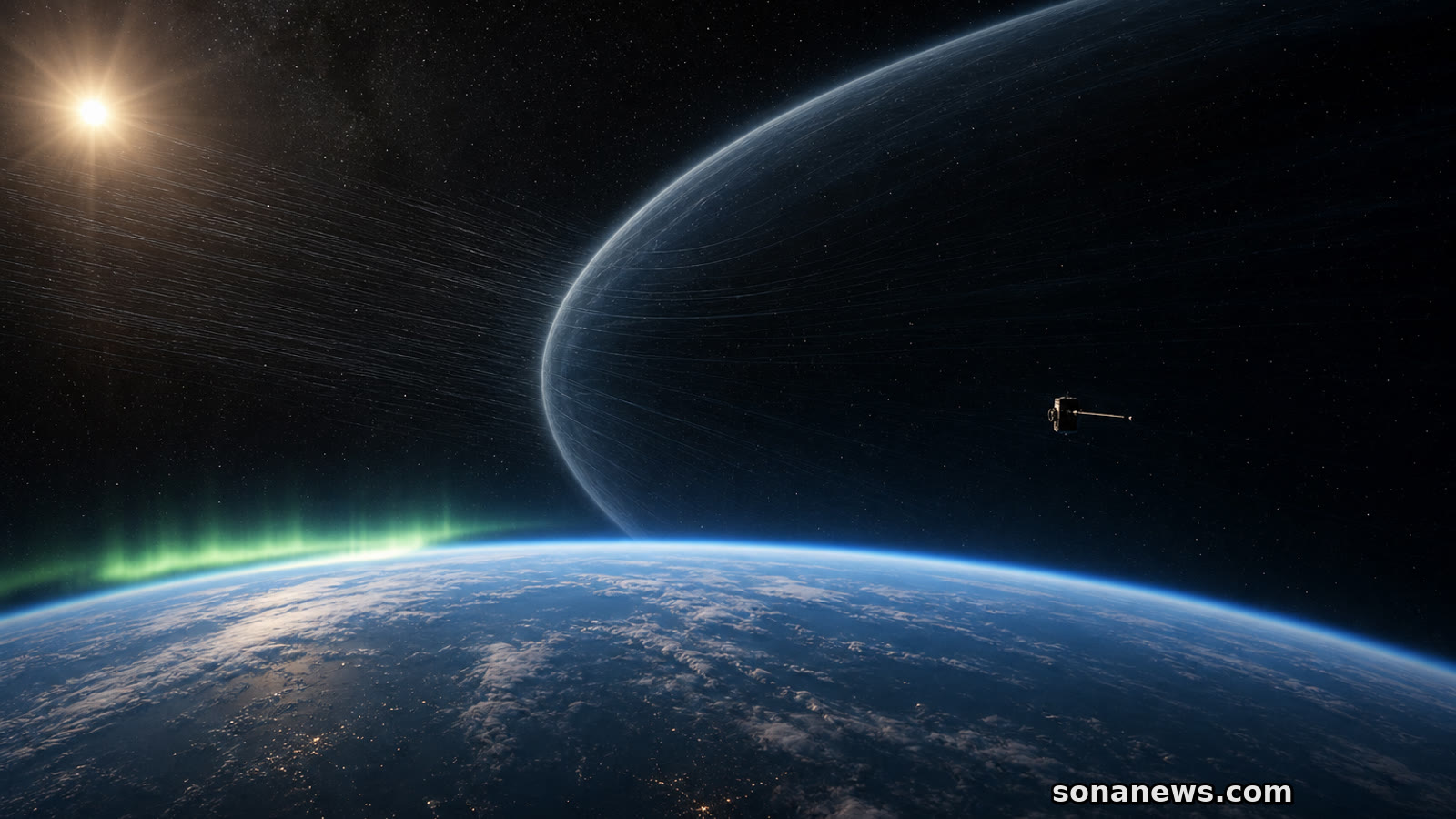
Smile will watch Earth’s magnetic shield move
ESA and China’s Smile mission launched in May to study how the solar wind presses on Earth’s magnetosphere. The useful promise is not instant aurora alerts, but a wider view of the space weather system around us.
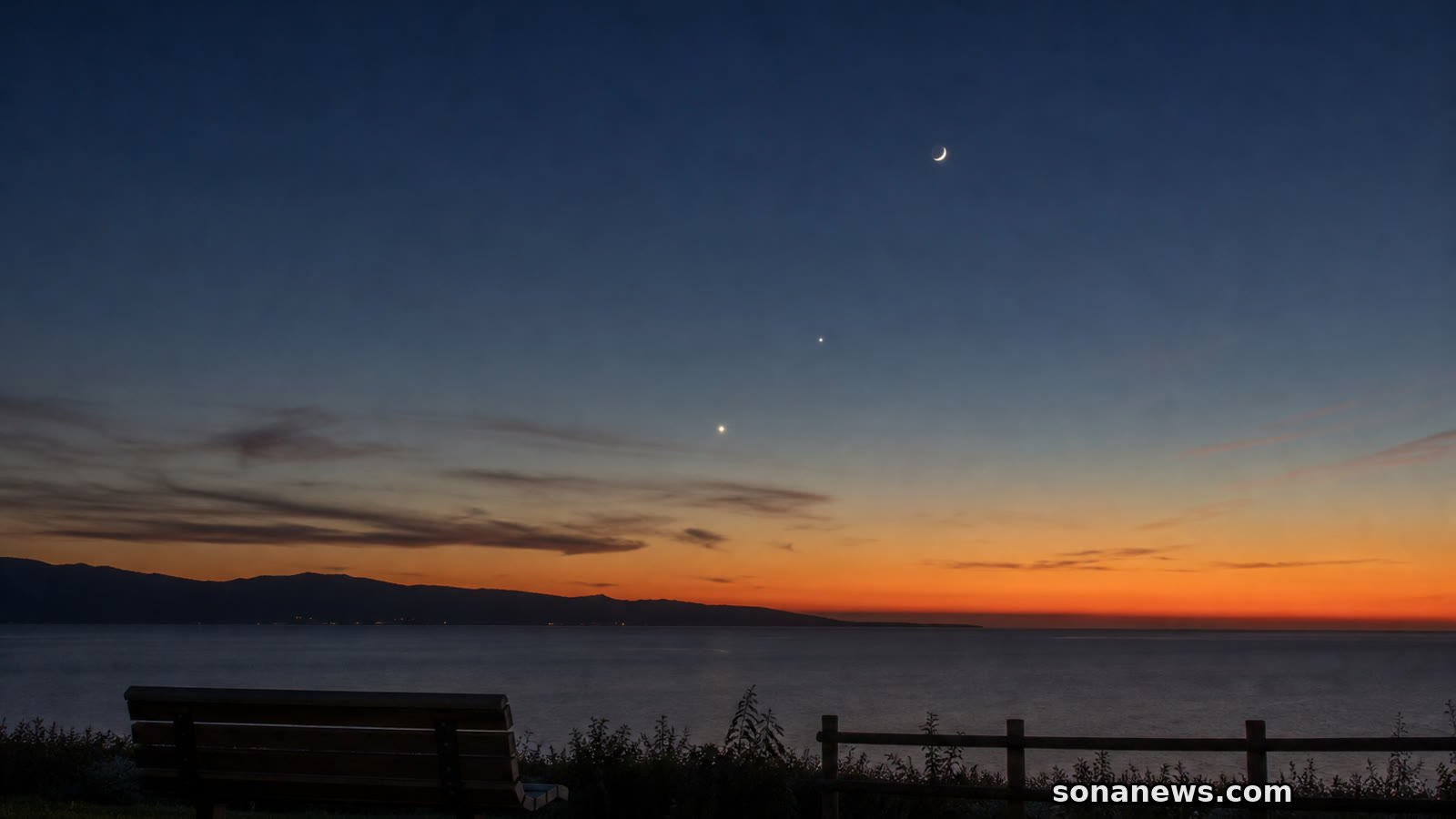
June’s sky show is low on the horizon
NASA’s June sky guide points to Venus, Jupiter, Mercury, a Moon-Venus occultation and the solstice. The useful lesson is less glamorous: location, daylight and a clear western view decide what anyone actually sees.
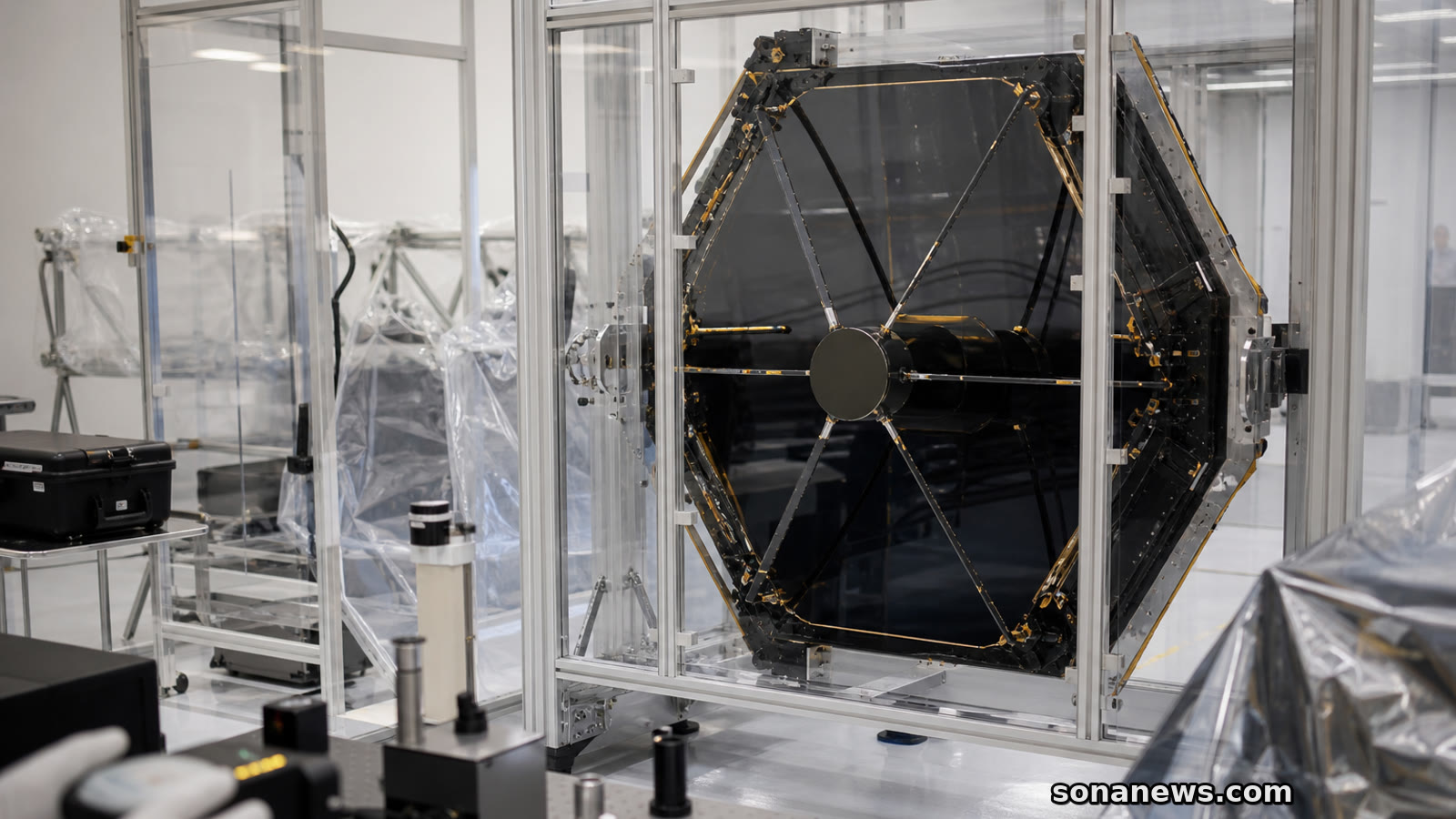
NASA’s Roman telescope is almost ready. The real story is how wide it can look
After a final mirror inspection, NASA says Roman is slated for a 30 August launch. Its promise is not one spectacular target, but a wider survey of galaxies and distant worlds.
A large asteroid will pass close in 2029. Scientists are calm for a reason
Apophis will come closer than many geostationary satellites, but NASA and ESA say impact risk has been ruled out for at least a century. The flyby is now a rare science opportunity.