Tech
Technology stories that explain what changed, who it affects, and what readers should watch next.

Latest in Tech
Back to front page ›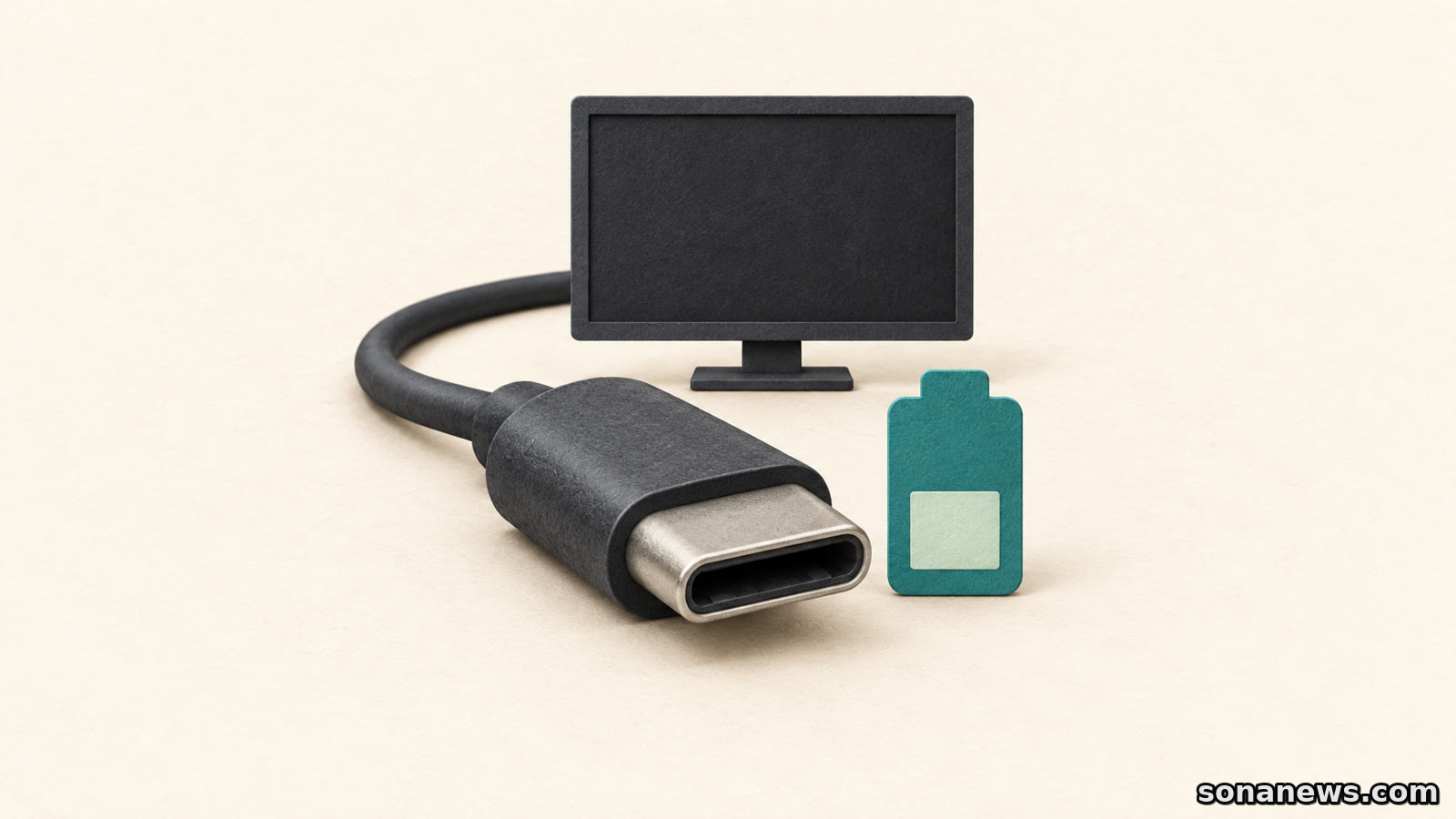
USB-C charges your laptop. Why is the monitor still blank?
A working charging connection does not prove that a USB-C cable or port supports video. Check the display path before buying another adapter.

Chrome's HTTPS warning can start before the site you meant to visit
Google's planned Chrome 154 default targets insecure public connections, including redirect hops. A secure destination alone does not fix the whole route.
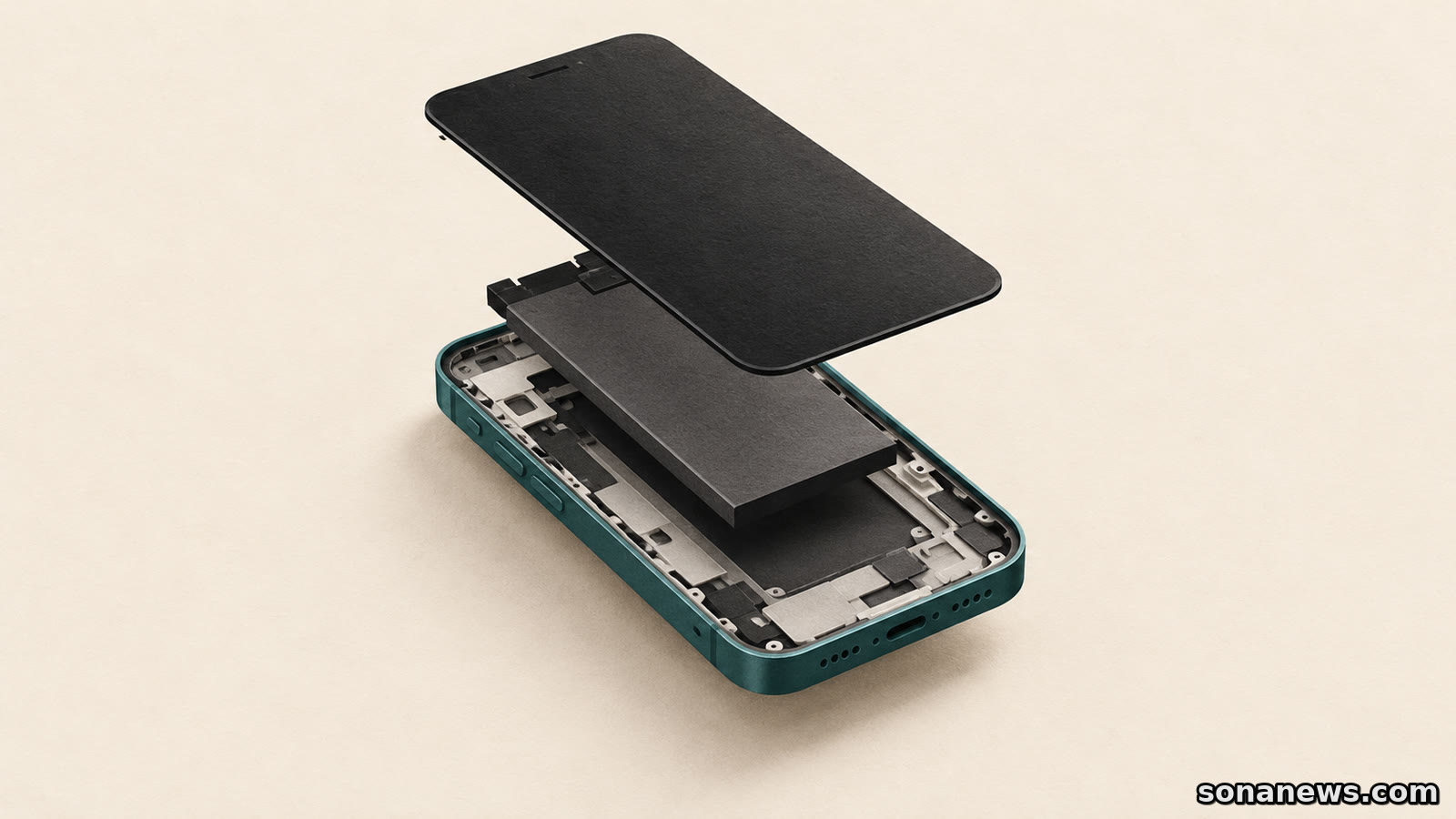
Buying a used iPhone? Read the parts history, not just the battery score
Apple's repair labels distinguish reused components, unfinished calibration and parts it cannot verify. None is a complete verdict on a second-hand phone.

Before enabling Windows protected print, check the scanner too
A compatible printer can need reinstalling, and its scanner may not work in the same mode. Microsoft's driver change calls for a workflow check, not an automatic hardware replacement.

HDMI's Ultra96 name is not a 96Gbps promise for every device
The feature name can cover devices rated at 64, 80 or 96Gbps. Checking the port specification and the cable's certification answers two different questions.

Android's new Find Hub memory is a note, not a live tracker
The coming Android 16 feature lets Gemini save where you say you left keys or a passport. That can be useful, but it only knows the location you entered.

Microsoft's unattended Windows support needs a tighter permission list
Intune Remote Help can now let an authorised helper open a separate session on a managed corporate PC without the employee being there. The controls are real, but they need deliberate setup.

Android's developer check verifies the maker, not the app
From 30 September, participating stores in four countries will begin checking who is behind an Android app. That is an accountability link, not an app safety certificate or a blanket ban on sideloading.

EU battery exception would shift some wearable repairs to professionals
A Commission measure awaiting scrutiny would keep qualifying batteries replaceable, but let independent professionals handle some compact wearables and specialised devices.

The US Cyber Trust Mark is a doorway, not a security score
The FCC’s voluntary label for wireless consumer IoT products pairs a binary mark with a QR-linked record. Support dates and update behaviour live in that registry.

Android now has a route for moving passkeys between password managers
Google’s system notes add Credential Exchange to Password Manager, but the destination service still needs compatible support and using a passkey from another device is a different process.

Windows 10’s consumer security bridge now reaches October 2027
Eligible 22H2 home PCs can keep receiving critical and important patches, but the extension does not restore feature upgrades, technical support or normal Windows support.
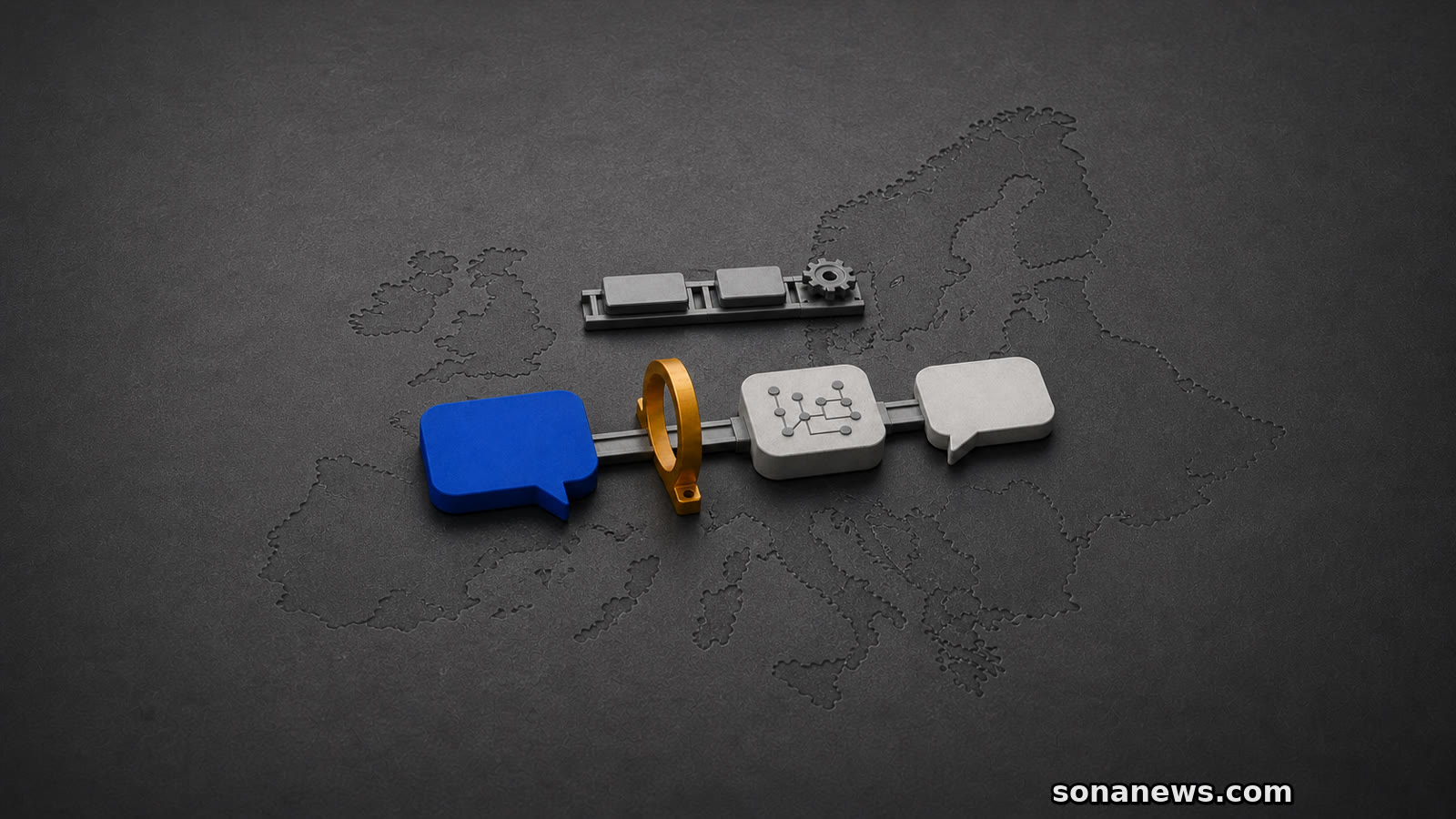
Europe’s chatbot disclosure now starts with the first exchange
A new AI notice belongs at the start of a direct conversation, while background automation and obvious AI tools sit outside this particular disclosure rule.

Europe’s new AI complaint tool is not a universal help desk
The new form can send an alleged AI Act breach to the European AI Office, but the system, operator and type of complaint still determine the right route.

The EU’s Meta case turns infinite scroll into a product design test
The Commission’s findings are preliminary, but the changes it sketches reach beyond screen-time reminders to autoplay, feed endings and recommendation logic.

Australia’s new mobile coverage maps make 4G and 5G easier to compare
Providers must now use the same outdoor model and four coverage bands, but a map is still a prediction, not a promise that a phone will work everywhere.

The EU’s TikTok case turns a privacy setting into a design test
The Commission’s preliminary DSA finding targets what happens after a minor chooses a public account. It is not yet a final breach decision or an order to redesign the app.

AliExpress’s €550m EU fine targets the marketplace system, not one listing
The Commission says AliExpress failed to assess and reduce illegal-product risks. The decision orders platform-wide action, but it does not turn a product page into a safety verdict.

Europe’s Android AI assistant choice now has a release clock
A binding EU decision opens eleven operating-system capabilities to rival assistants, but most changes are due with Android 18 in 2027, not on phones today.

The UK iPhone contactless choice starts beneath the tap
Britain’s regulator is weighing cloud tokens, secure chips or both before third-party wallets can compete. No new UK wallet choice has arrived yet.

Europe’s phone label turns the spec sheet into a durability scorecard
Battery cycles, drop resistance and repairability now sit beside energy efficiency on EU smartphone and tablet labels. The useful comparison starts below the letter grade.

The AI training summary is becoming a model launch receipt
Europe’s general-purpose AI rules are turning training data disclosure into a release task for model makers, rights holders and product teams.
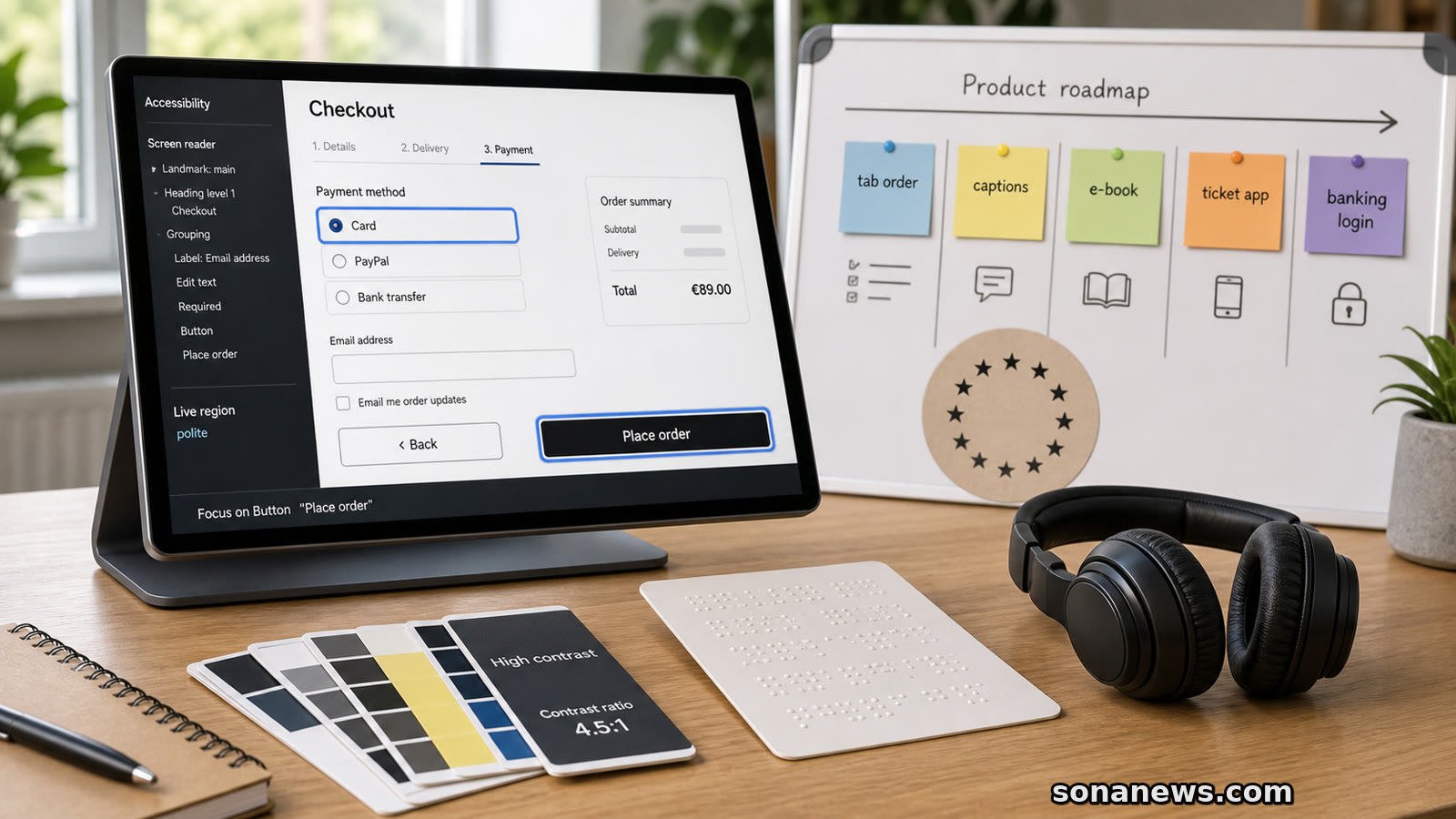
Accessibility is moving into the checkout sprint
The European Accessibility Act has turned e-commerce, banking, tickets and connected devices into ordinary release-work questions, not a last-minute compliance slide.
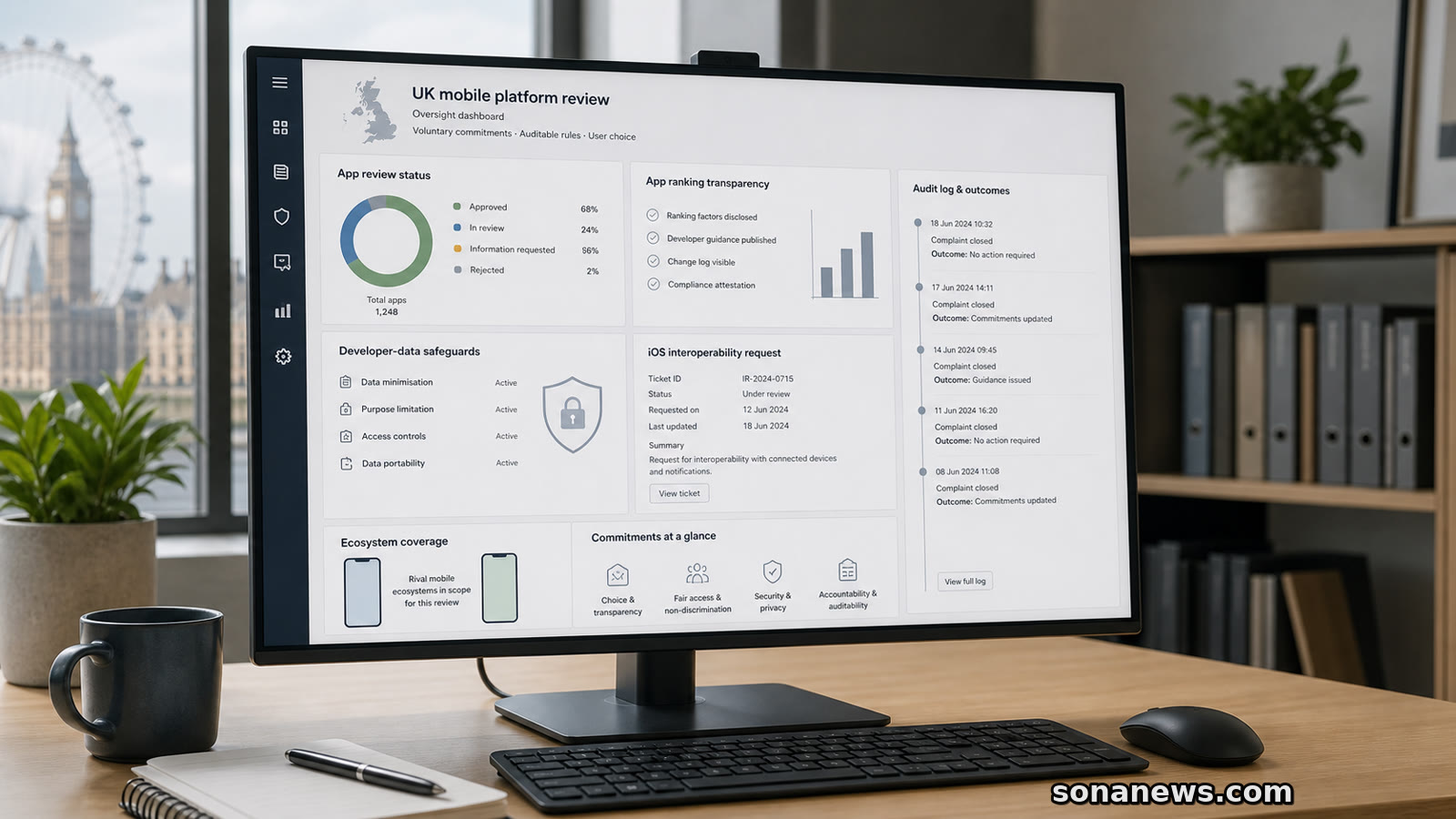
App store rules are getting a paper trail in the UK
Britain's competition regulator has moved Apple and Google into a monitored commitments phase, making review decisions, rankings and developer data harder to leave as black boxes.
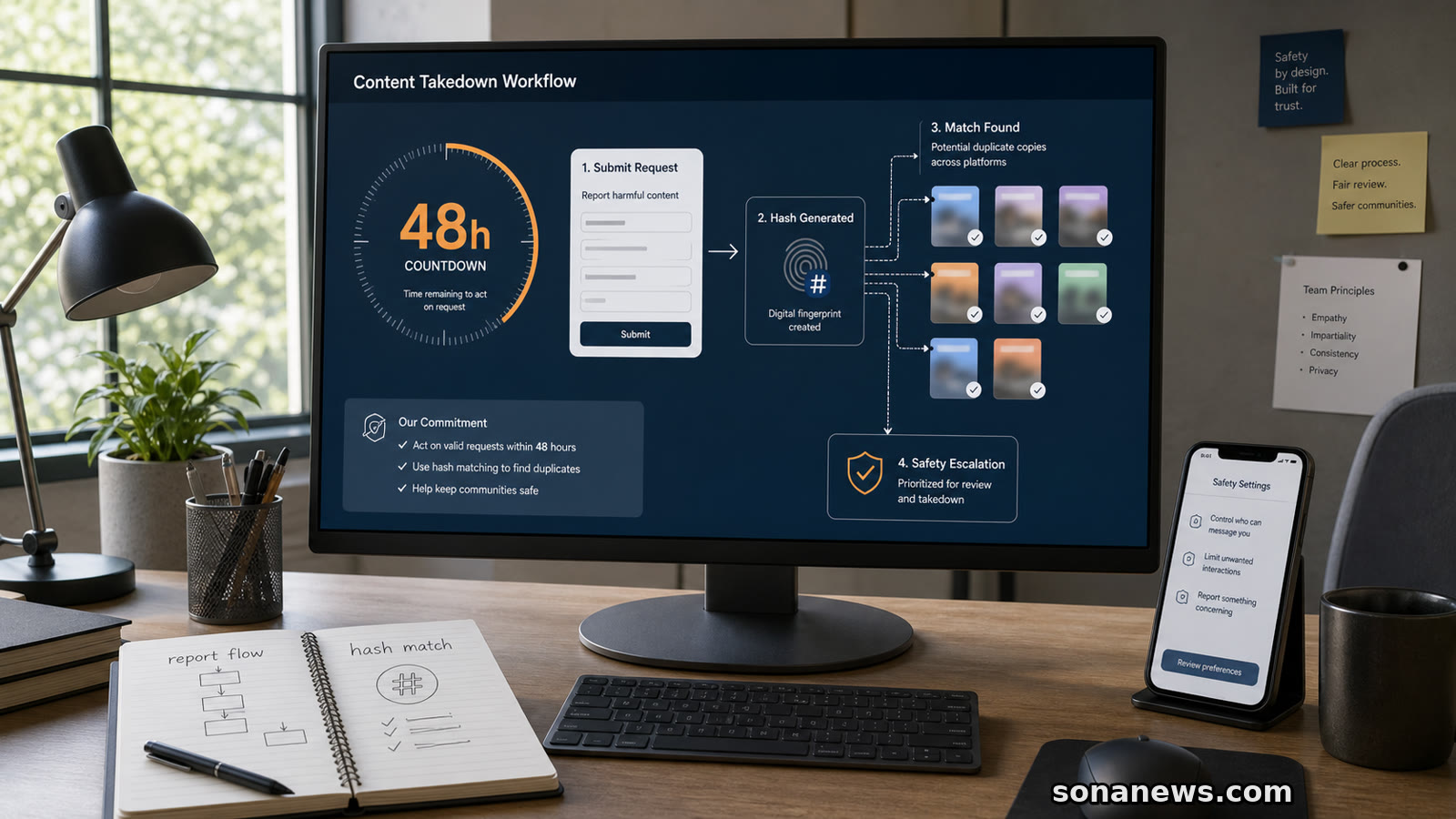
The 48-hour intimate-image takedown clock is now a platform design problem
The US Take It Down Act turns non-consensual intimate-image reports into a deadline, pushing apps to build clearer request flows, hashing and duplicate-copy checks.

Open source has reached the procurement file
Europe’s new strategy treats open code as public infrastructure, with procurement, maintenance and security moving from side notes to the centre of the plan.

The AI label is entering the publishing workflow
Europe’s new code for AI-generated content turns disclosure into a product and editorial step, not a last-minute badge.

AI girlfriend apps have become a trust market
AI companion apps are pulling serious app-store spending and regulatory attention. The useful question before the next subscription is privacy, pricing, age gates and what happens when a conversation turns vulnerable.

The workplace AI rollout now needs a training trail
Europe’s AI Act has made AI literacy part of deployment, pushing staff training, context and risk awareness into the everyday software rollout.

The online ad is getting a public receipt
Europe’s platform rules are turning some digital adverts into searchable records, with TikTok’s DSA commitments showing what useful transparency may look like.

The digital ID wallet is moving login into the phone
Europe’s 2026 wallet rollout makes identity, credentials and data sharing a product design question, not just another sign-in button.

The cloud exit plan is moving into the contract
Europe’s Data Act is turning cloud switching from a vague future worry into a renewal, fee and continuity question.
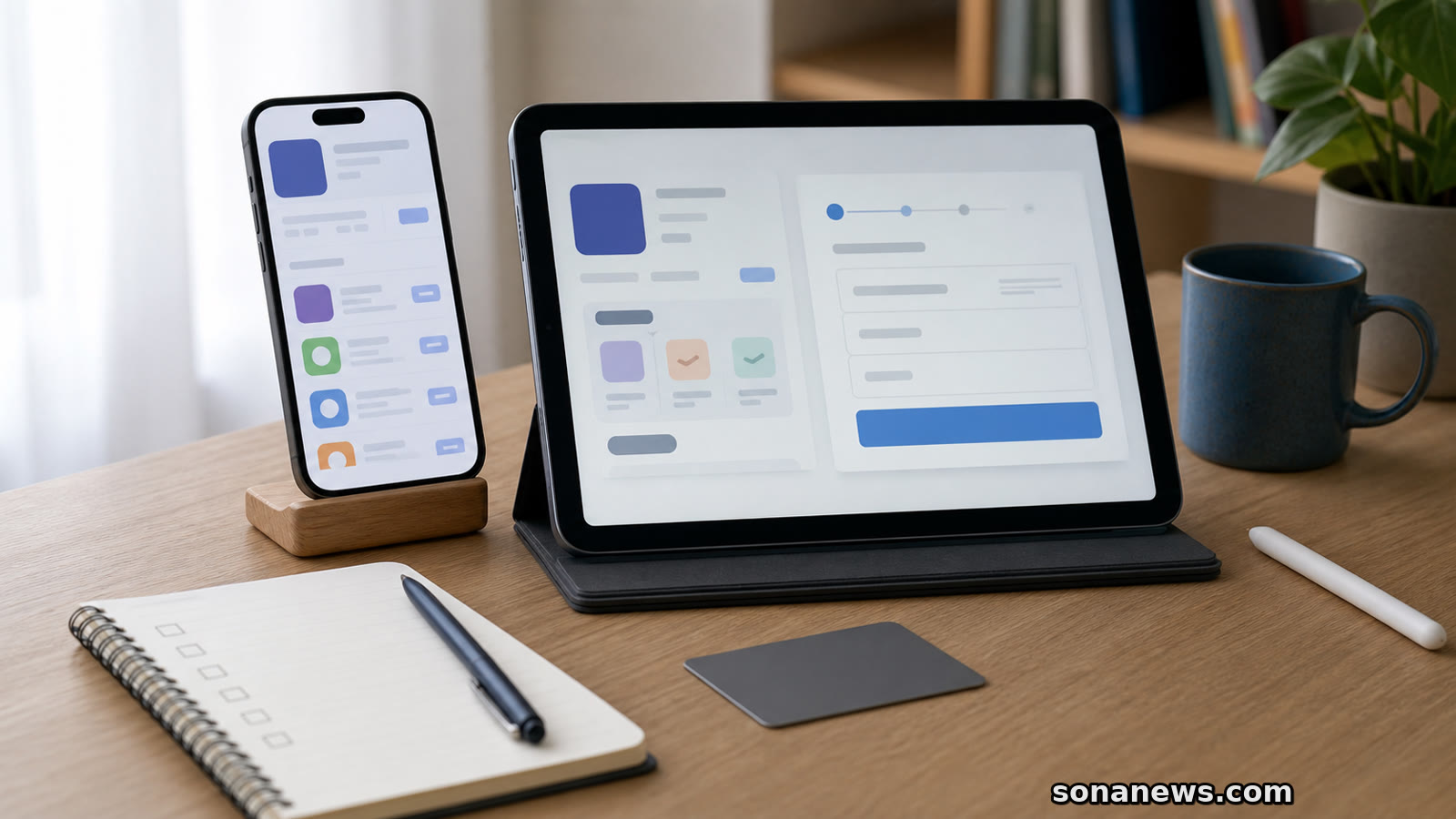
The app store link is becoming a checkout choice
Europe’s platform rules are turning a small payment link into a test of fees, support, refunds and trust.

Age checks are becoming platform infrastructure
The next phase of online safety is less about a pop-up birthday box and more about how platforms prove age without collecting too much.
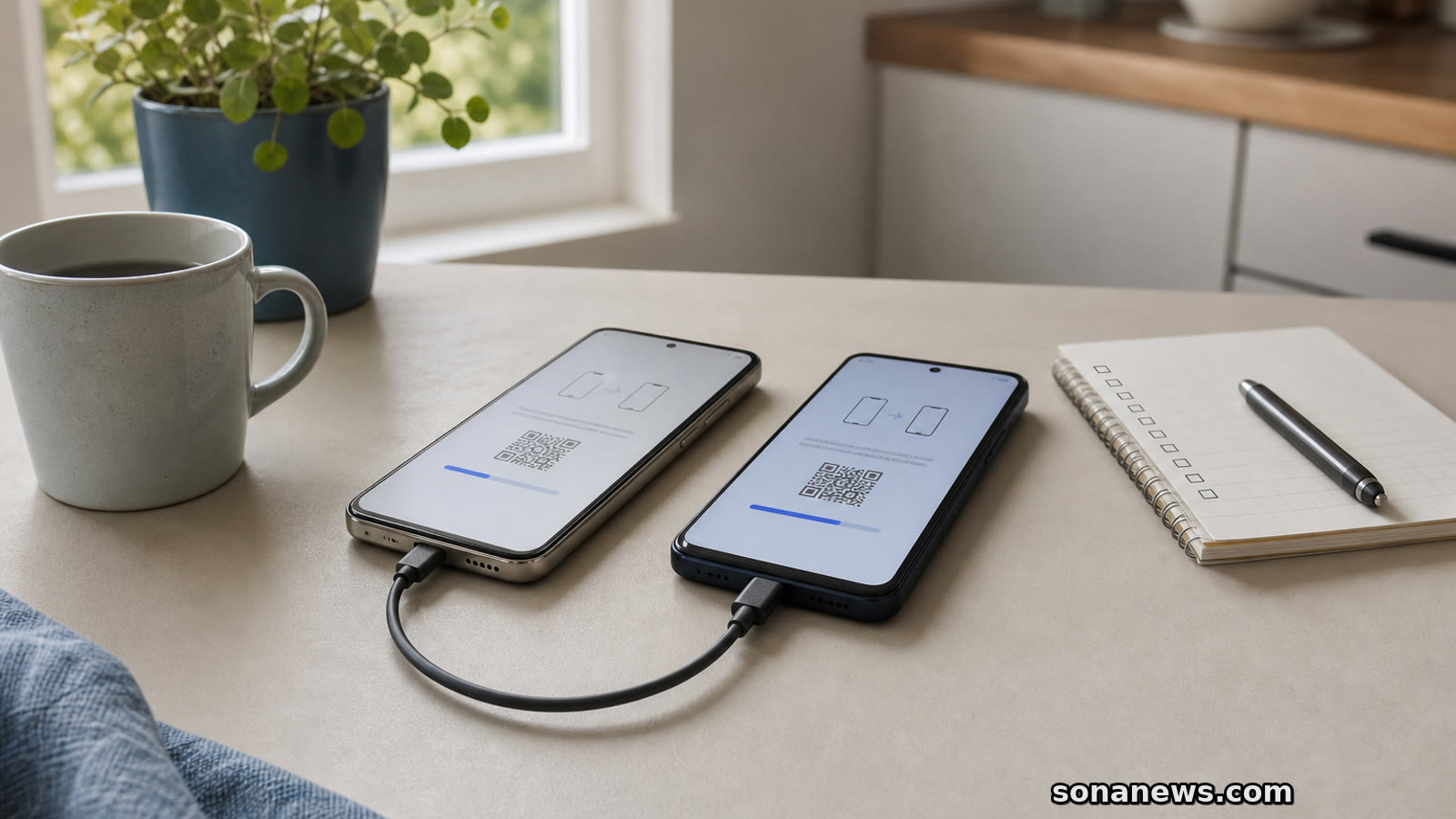
Phone switching day now needs a data checklist
Moving between iPhone and Android is becoming less like starting again, but the useful detail is still in carriers, browsers and app data.
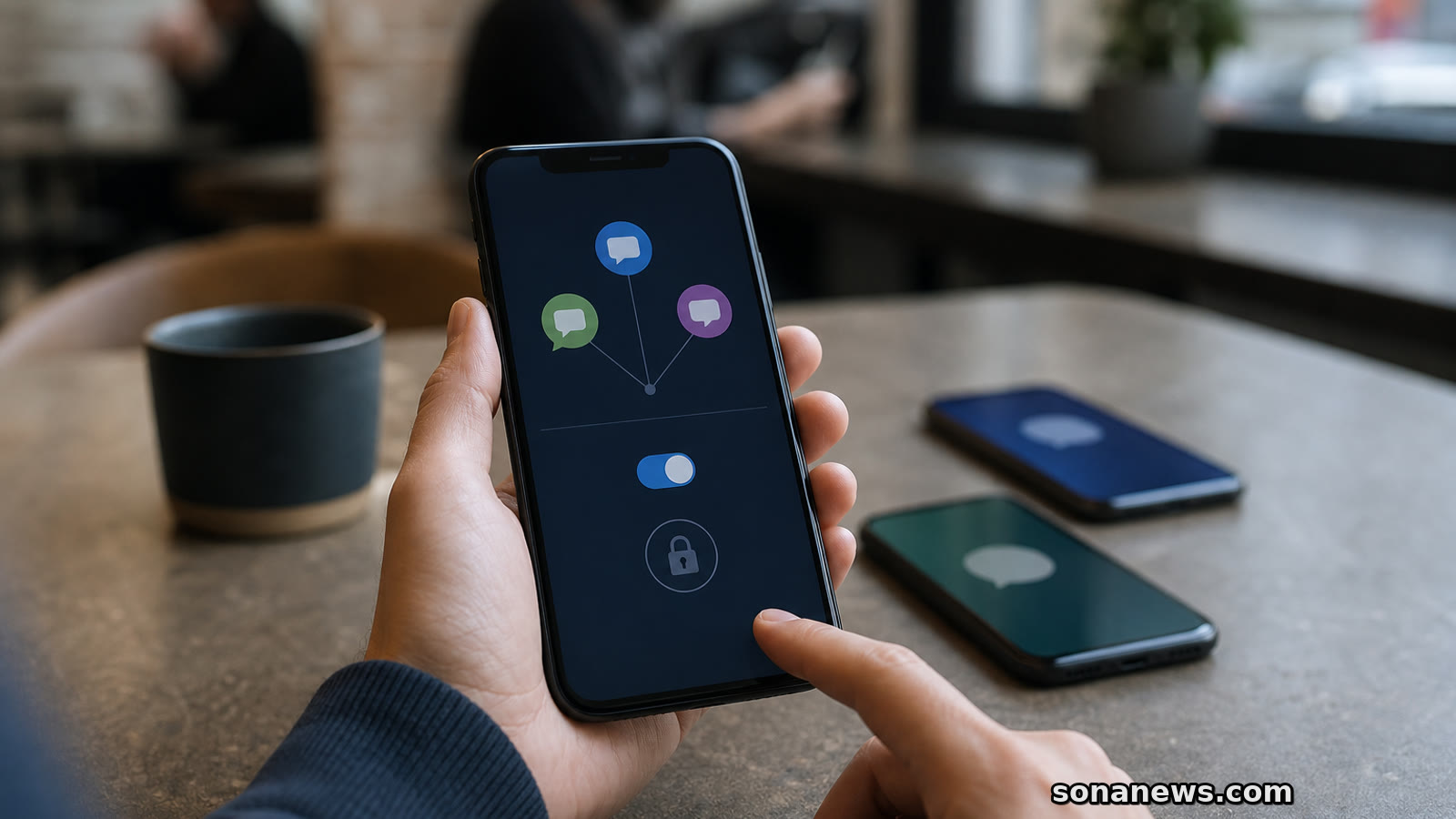
WhatsApp’s third-party chats make interoperability a setting, not a slogan
Europe’s Digital Markets Act is turning a platform-policy word into an opt-in chat feature, with real limits attached.
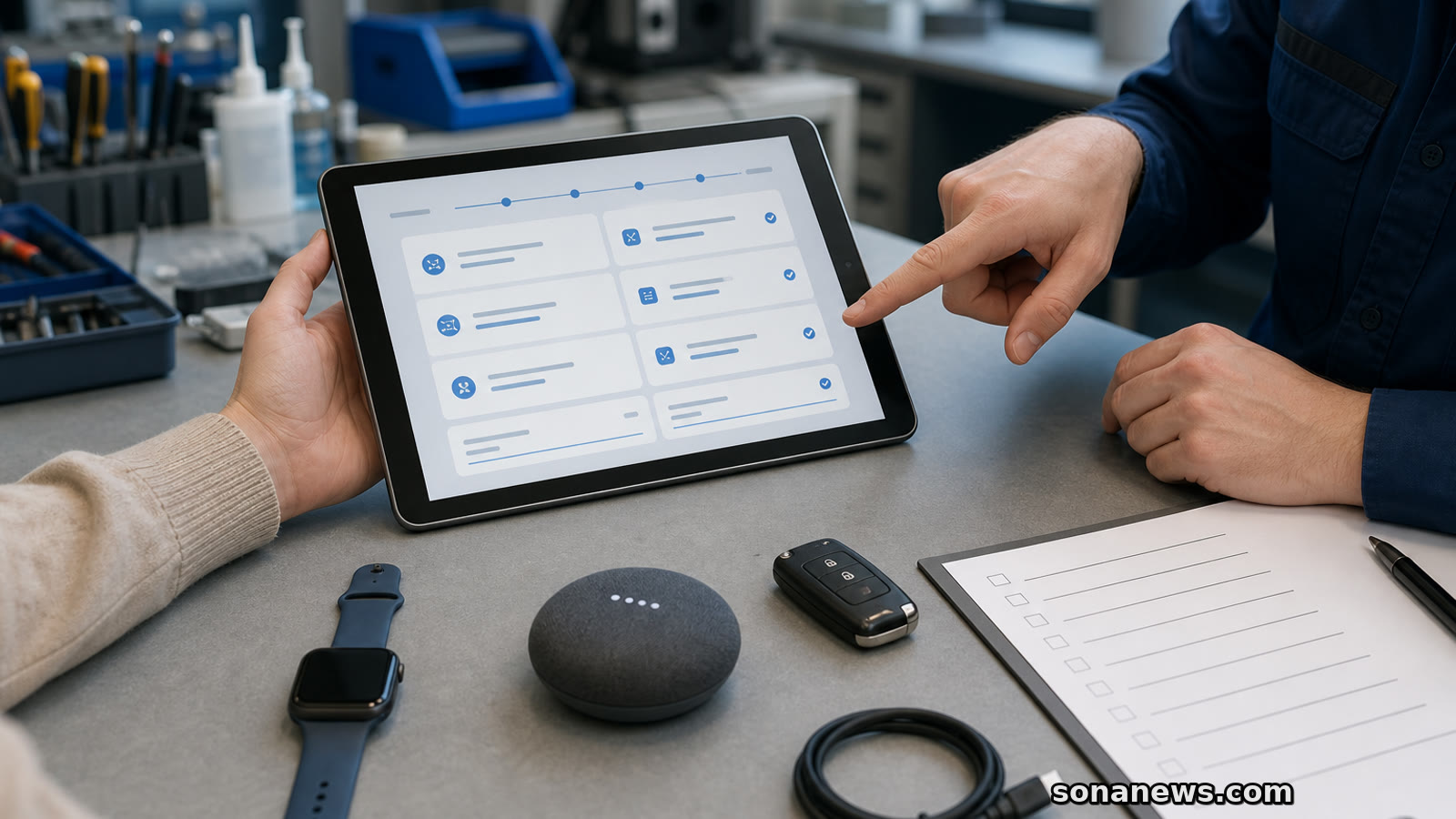
Smart devices now need a data handover plan
The EU Data Act puts connected-product data access, repair choice and cloud switching into the product brief.

The bug report is becoming a product deadline
EU product security rules now put September's reporting clock on the roadmap for connected devices and software.

Europe’s AI plan has reached the data centre queue
The Commission’s new tech sovereignty package is less about chatbot spectacle than about permits, chips, cloud contracts and open-source plumbing. That is where the AI boom gets real.

Europe’s USB-C laptop rule has reached the desk drawer
New laptops placed on the EU market now sit inside the common charger rules. The useful question is whether the charger and cable you already own can deliver the power the machine asks for.

iPhone and Android file sharing is becoming less tribal
Quick Share can now meet AirDrop on supported Android phones. The useful bit is not magic interoperability, but fewer workarounds when one group photo needs to cross the phone divide.

Software updates are becoming part of the product promise
Europe’s Cyber Resilience Act is moving through implementation. The practical change is simple: connected products will need clearer support periods, vulnerability handling and incident reporting.

Europe’s AI rules are moving from headline to product roadmap
The EU AI Act is no longer just a policy story. Its staged deadlines are turning abstract promises about trustworthy AI into records, labels and internal checks.