Lifestyle
Readable lifestyle stories with a strong angle, human texture, and no empty trend-chasing.
Latest in Lifestyle
Back to front page ›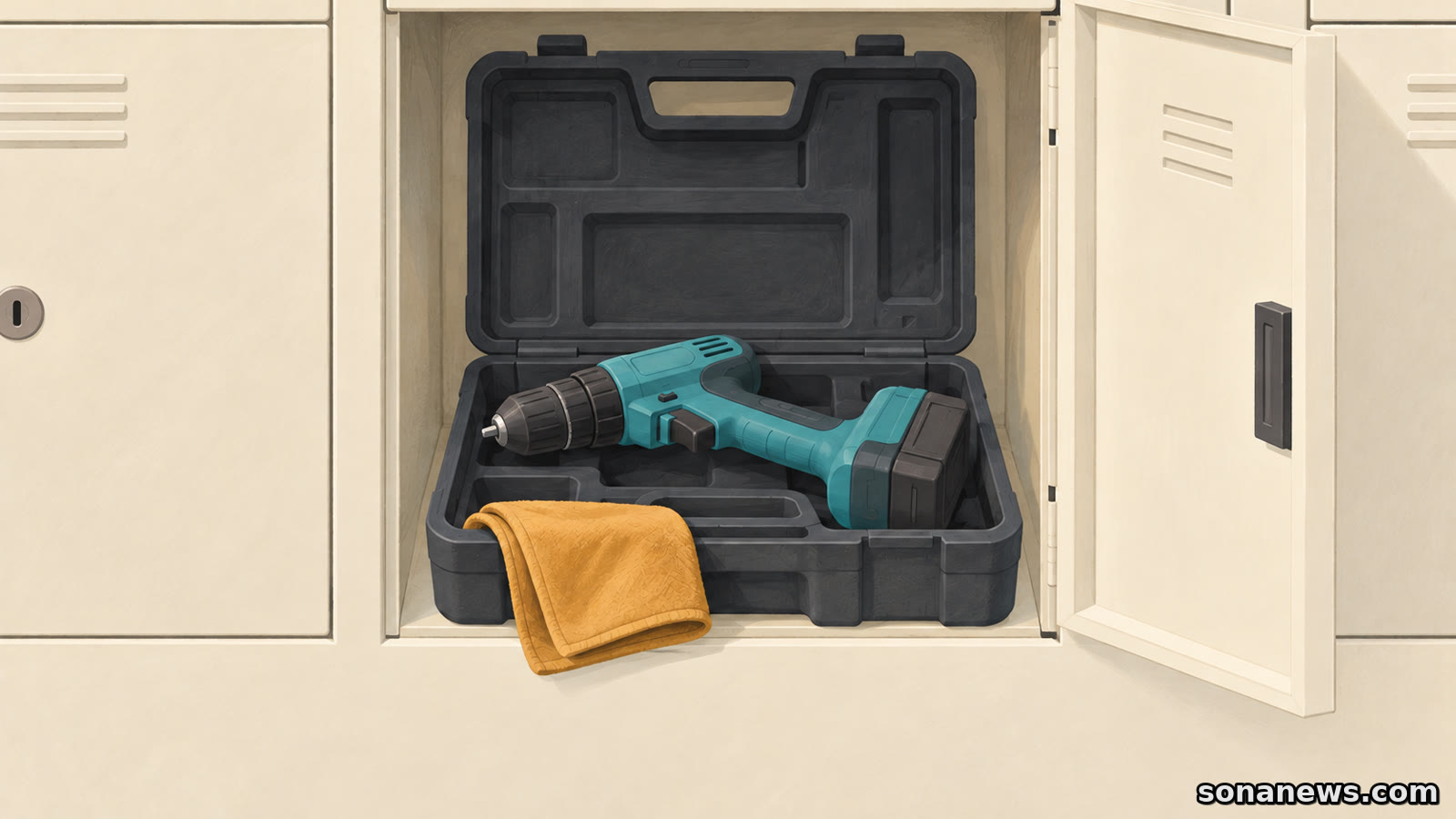
Borrowing a drill means planning the return trip
UK tool libraries offer an alternative to buying equipment for occasional jobs. Examples in London and Edinburgh show why collection windows, cleaning and the next borrower belong in the plan.
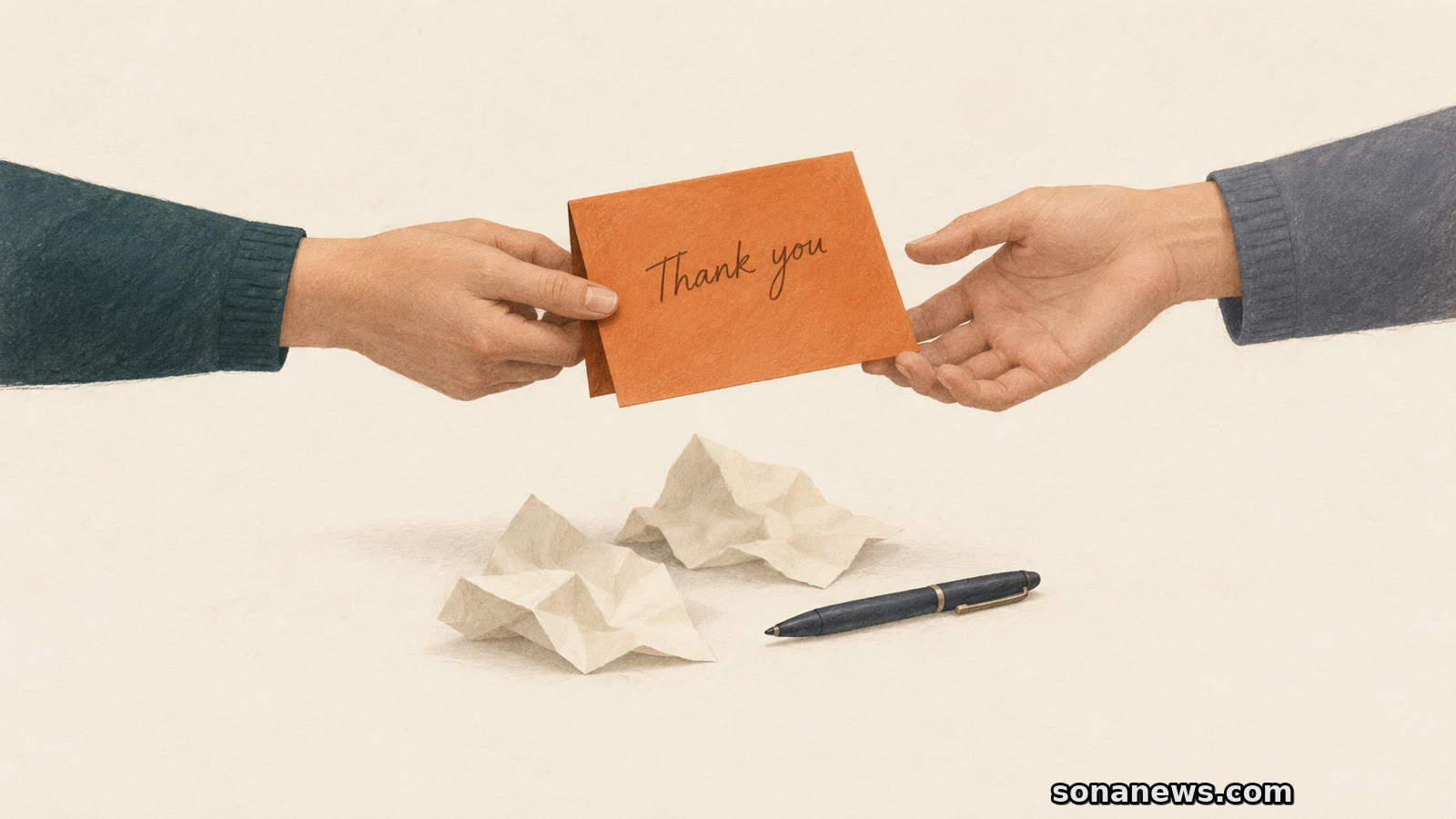
Your thank-you note may matter more than its perfect wording
US research finds that people can underestimate how welcome their appreciation will be. The useful lesson is about sincere, specific thanks, not a guaranteed way to improve a relationship.

Try one artwork, not the whole museum
Slow looking offers a different plan for a gallery visit: choose a work, stay with it and compare what you notice. Museum guidance makes the case without turning art into another wellbeing prescription.
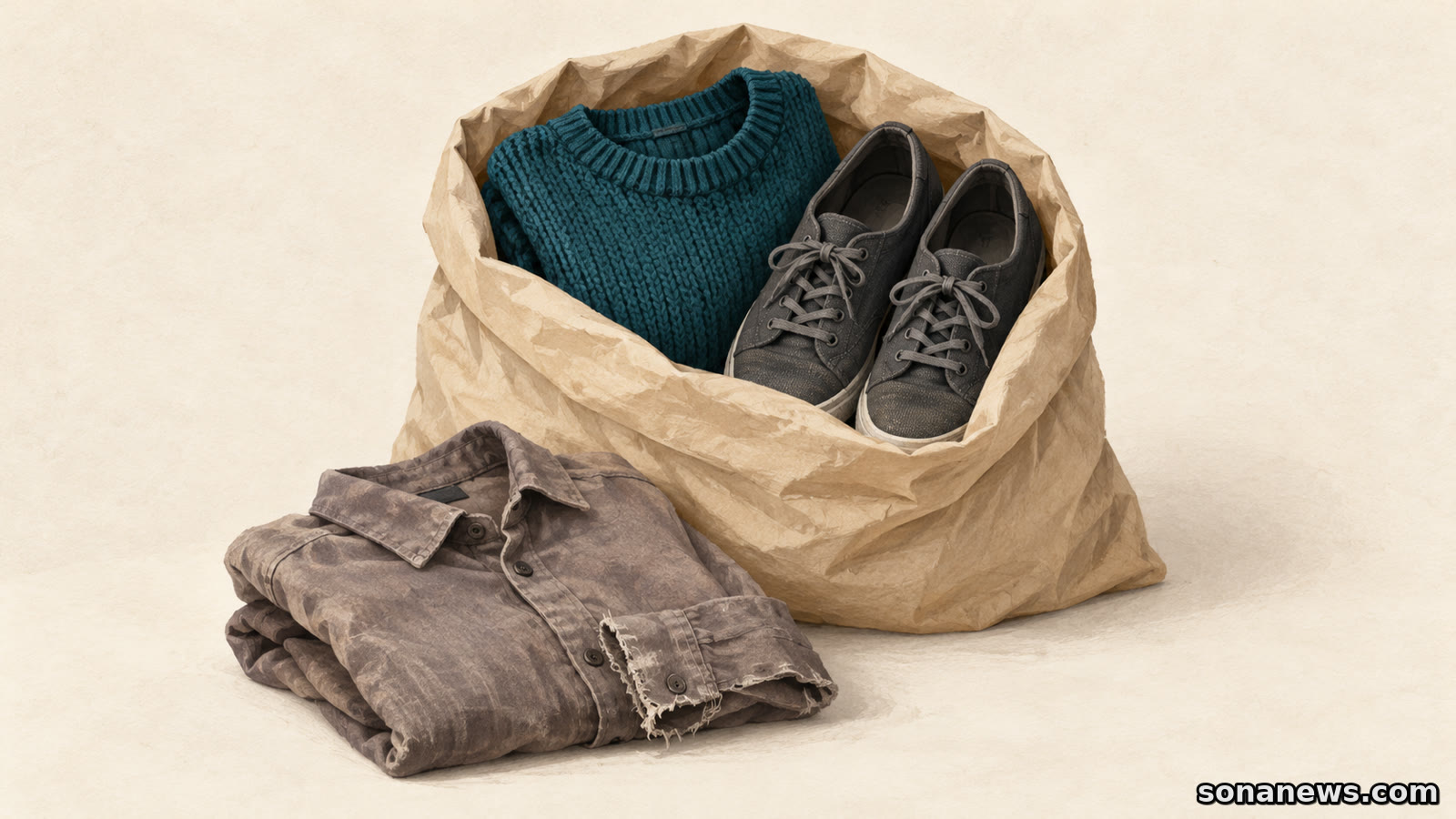
The clothes donation bag is not a recycling bin
UK charity guidance makes a useful distinction: passing clothes on, selling them again and recycling their fabric are different routes. A wardrobe clear-out needs a destination, not just a bag.
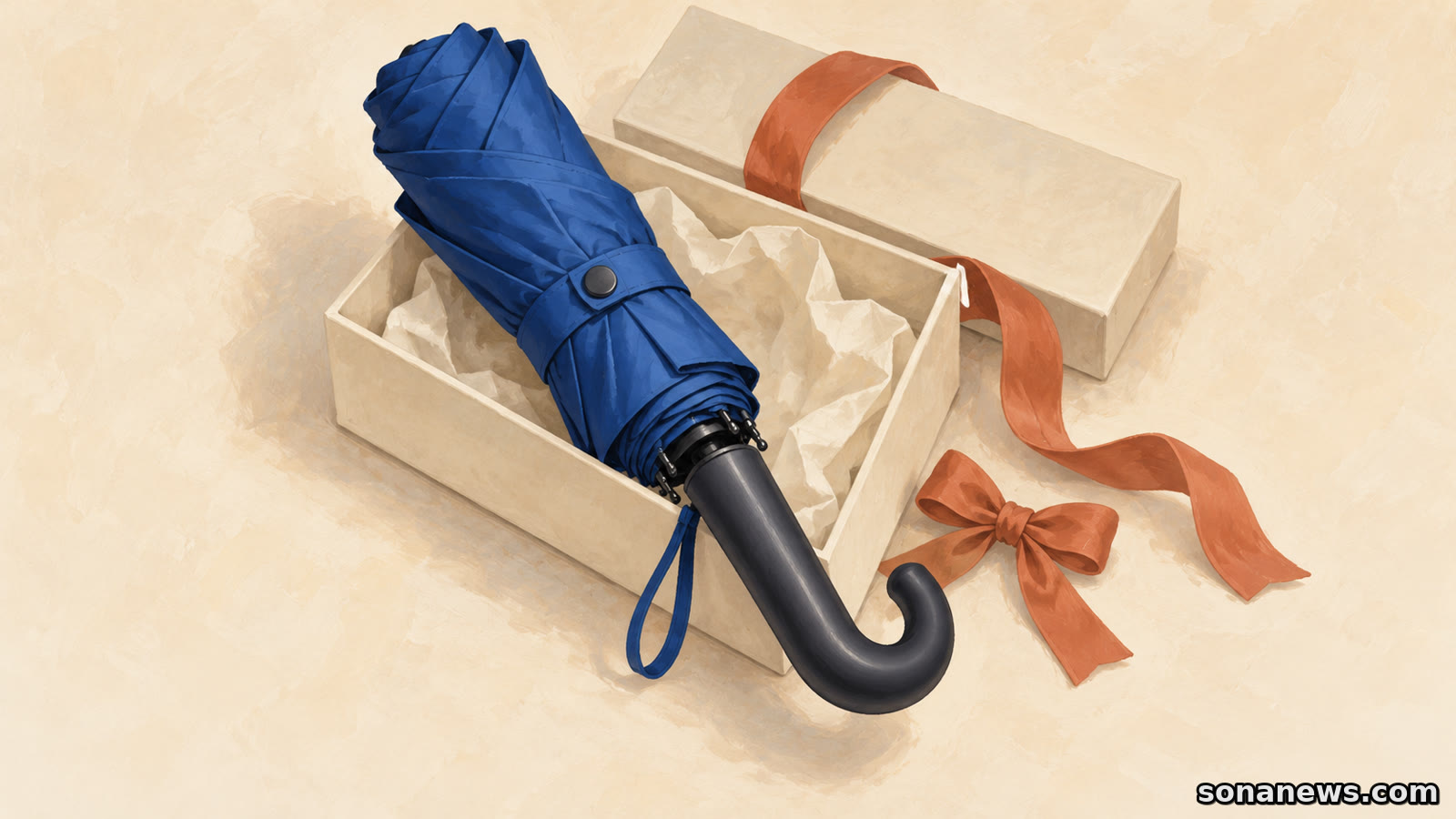
A good gift has a life after the wrapping comes off
Gift research points to a mismatch between an impressive handover and an easy-to-use present. Practicality matters, but that does not make personal touches pointless.
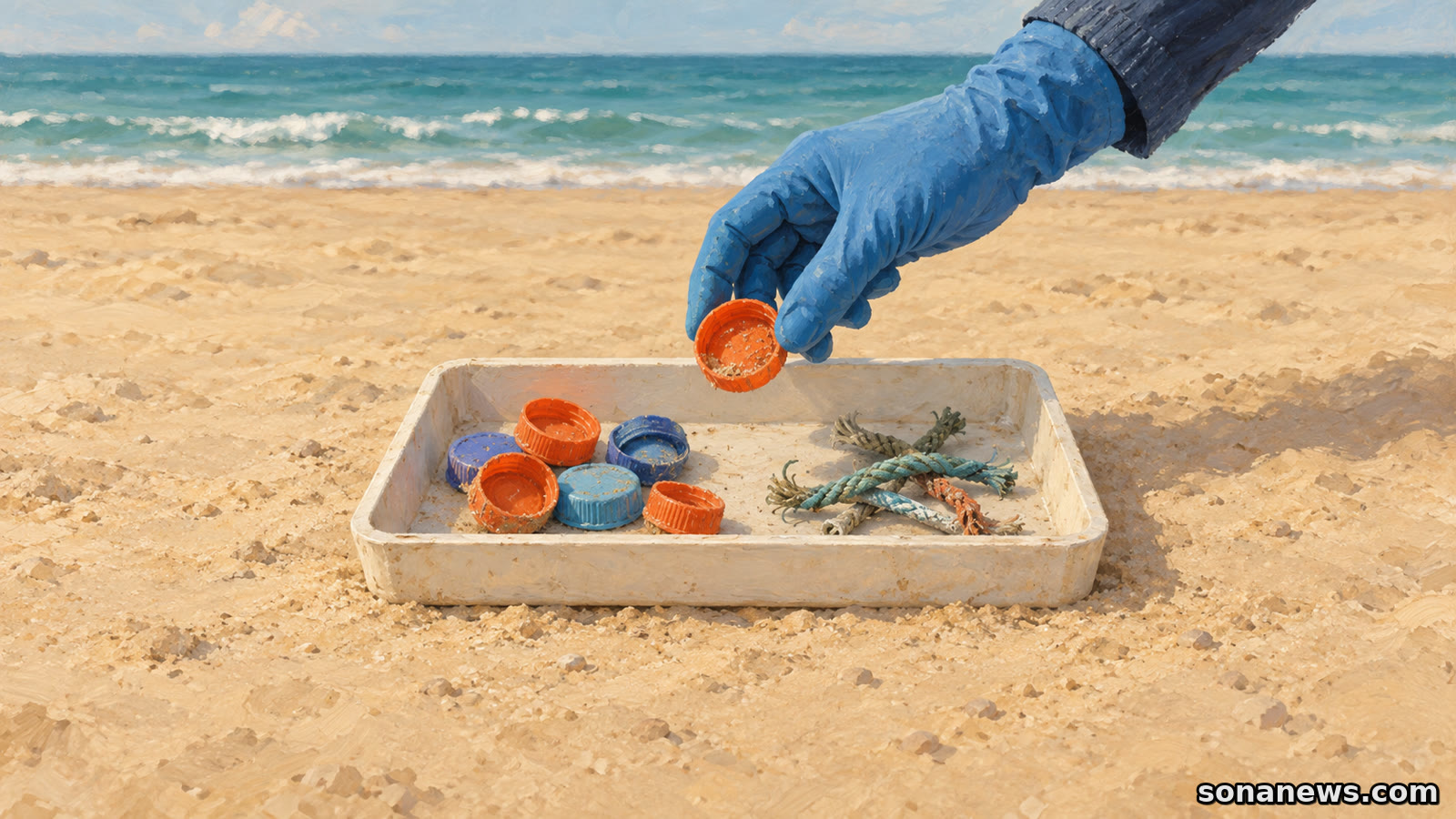
A beach clean’s useful result is not just the bag
The UK’s Great British Beach Clean pairs litter picking with a 100-metre survey. For volunteers, counting and recording are part of the job, not paperwork left over at the end.
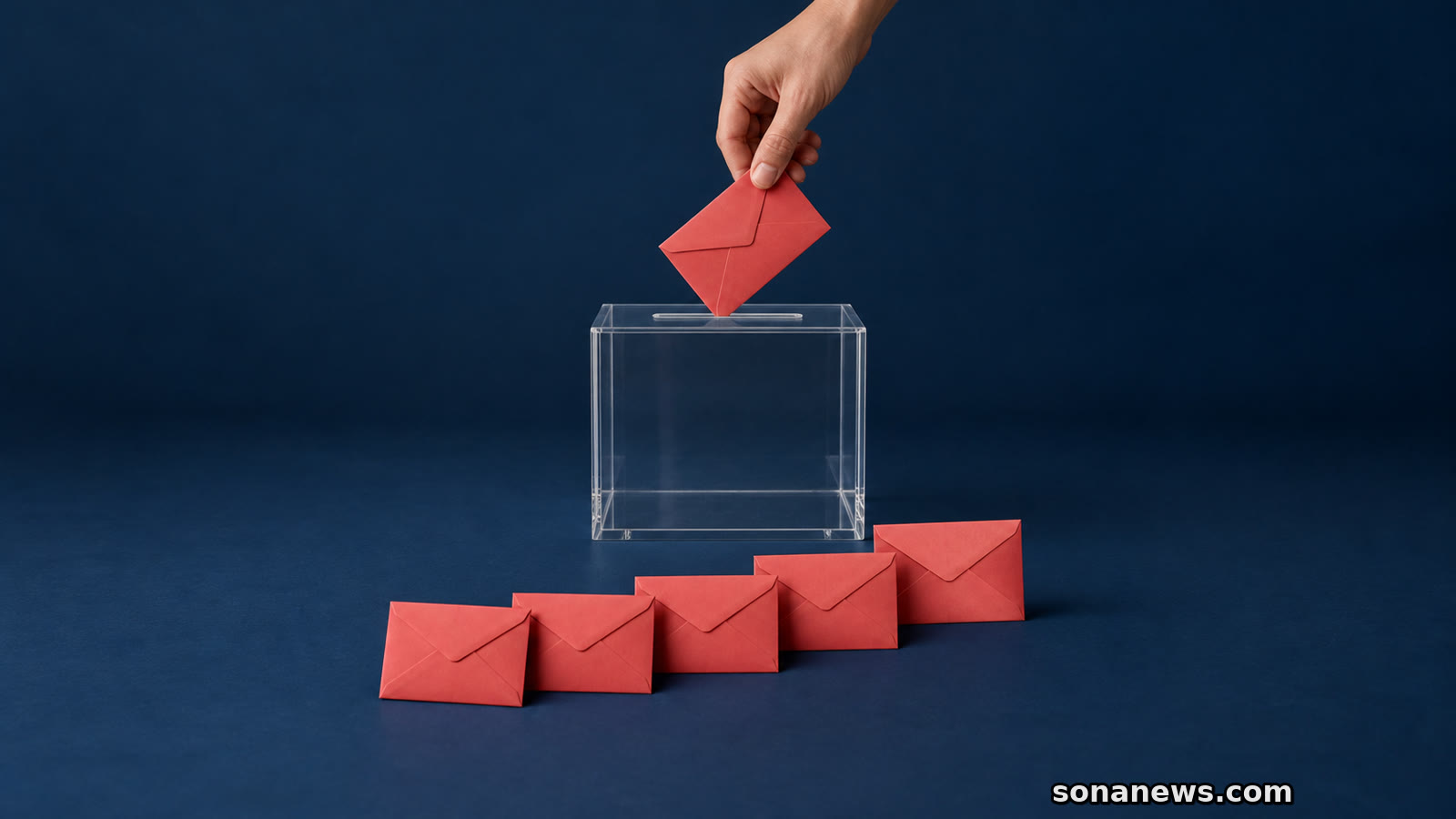
Why a short donor streak can be more persuasive than a big percentage
Across 11 experiments, people were more willing to give when invited to continue a run of donors. The effect offers a useful lesson about social signals, and a warning about how easily momentum can be staged.

Why an AI companion update can feel like losing the relationship
A new study tracked reactions to two chatbot changes. The central pattern was not simply dislike of new software, but a sense that the familiar companion was no longer the same.
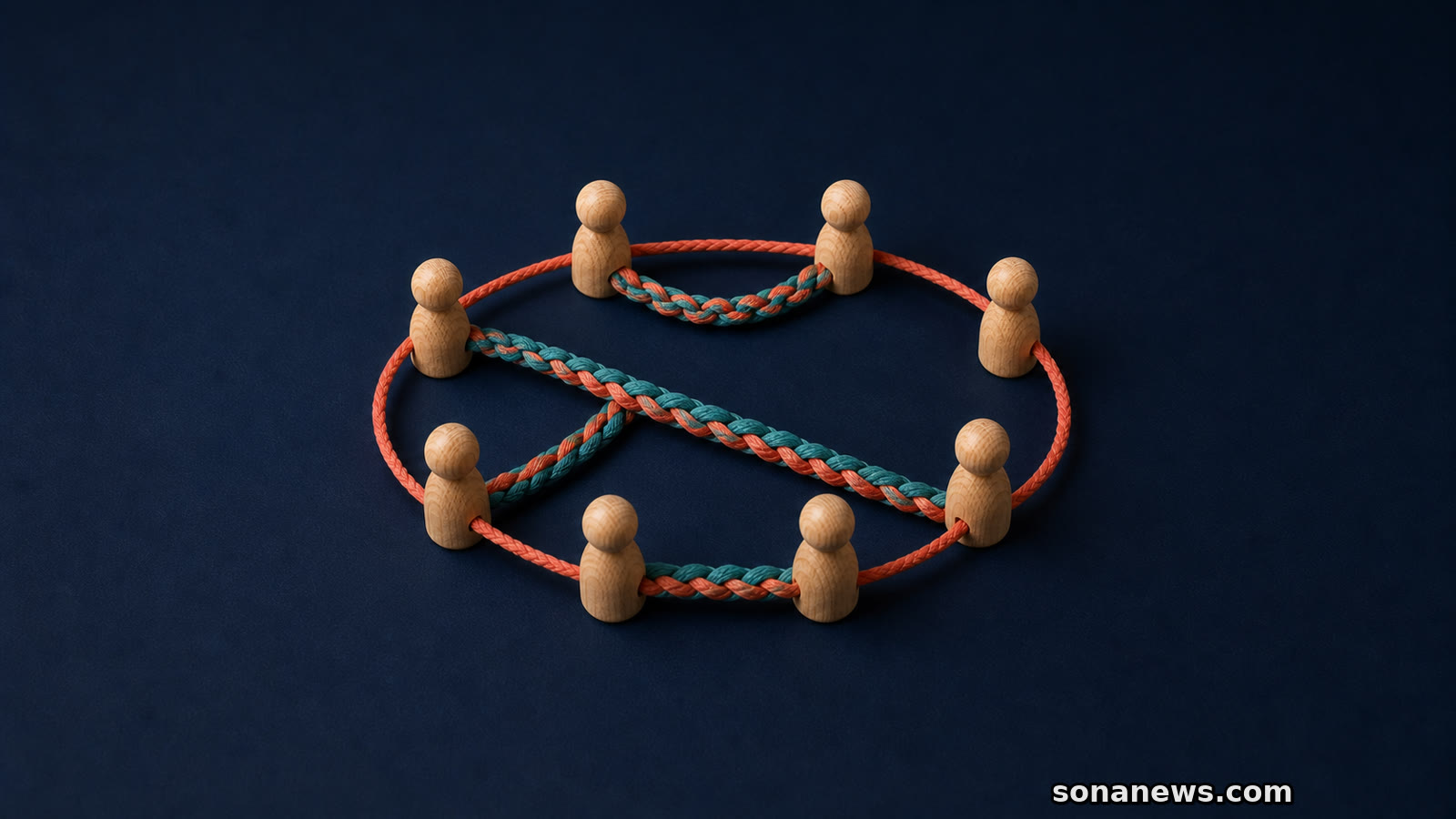
A new friendship study challenges the ‘wide or close’ trade-off
Across five studies with 5,707 participants, wanting a wider friendship network went with wanting intimacy with more friends. The scale measures preferences, not proof that people can sustain both.
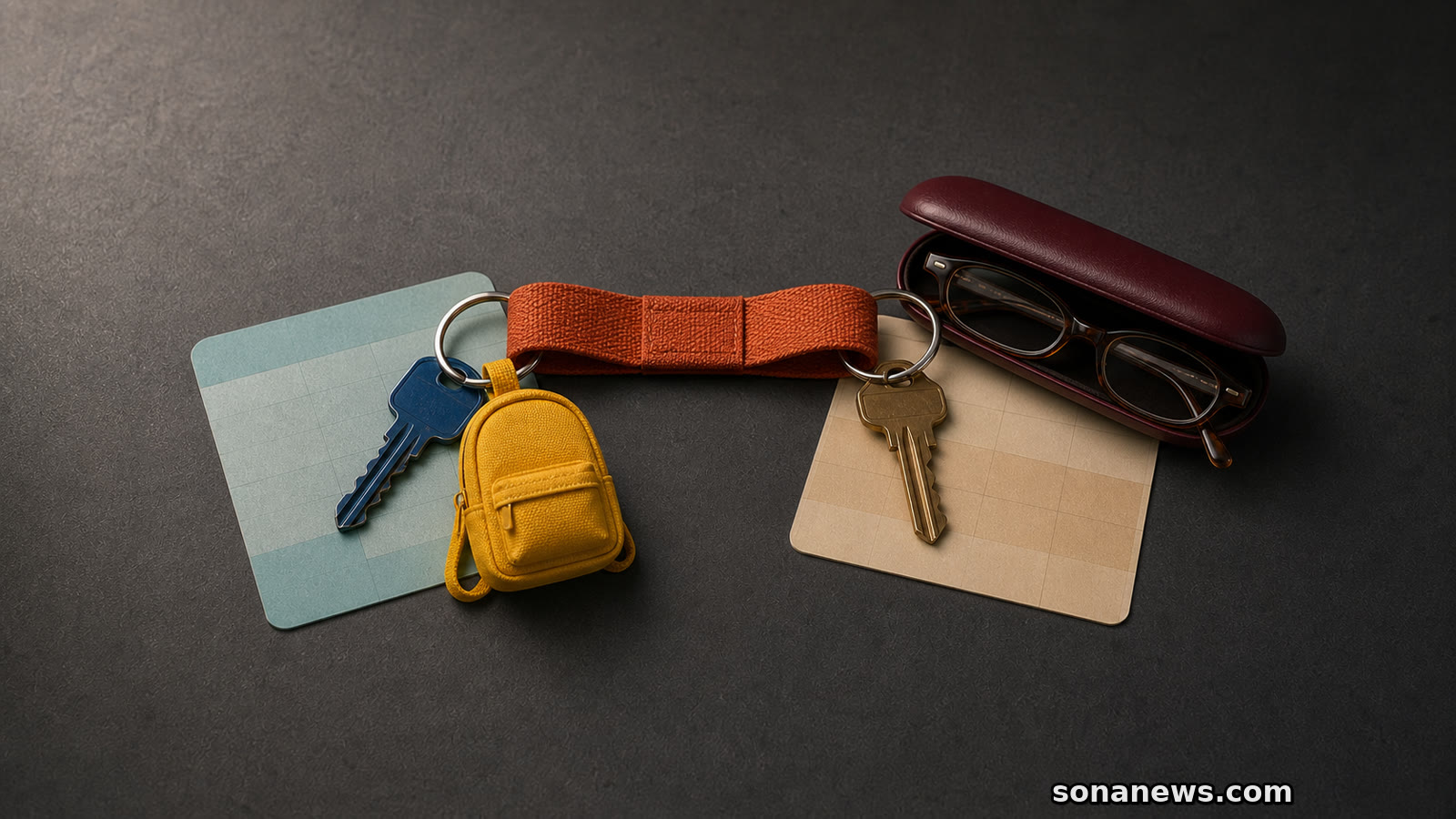
America's sandwich generation is a family map, not one caregiving story
A new Pew estimate puts 54% of U.S. adults in their 40s between an older parent and their own children. The label does not tell us who shares a home, gives hands-on care or feels squeezed.
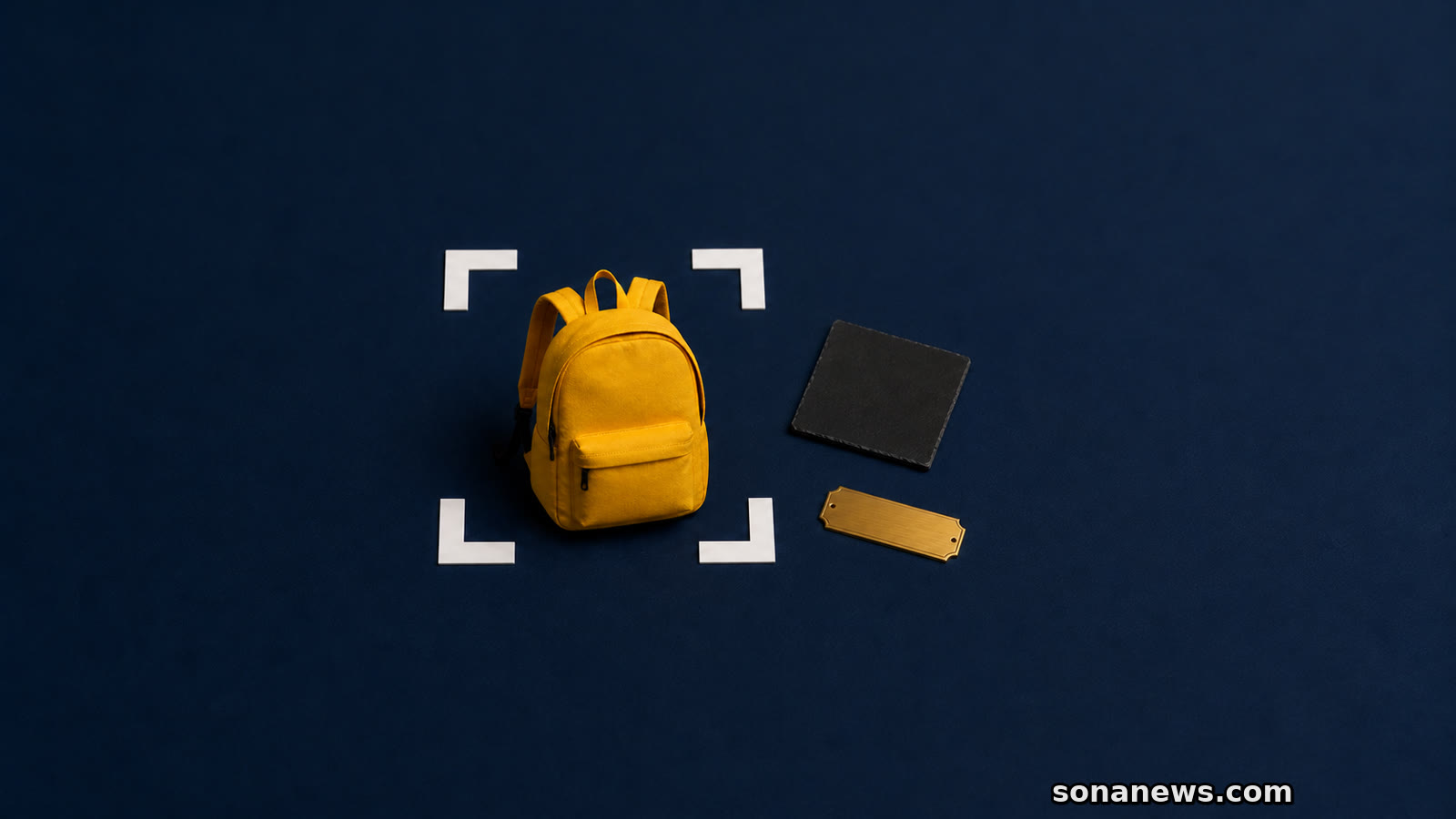
Before you post the first-day school photo, edit the clues around it
A uniform, name board, house number, location tag and caption can turn a milestone portrait into a bundle of personal data. The useful check is broader than hiding a face.
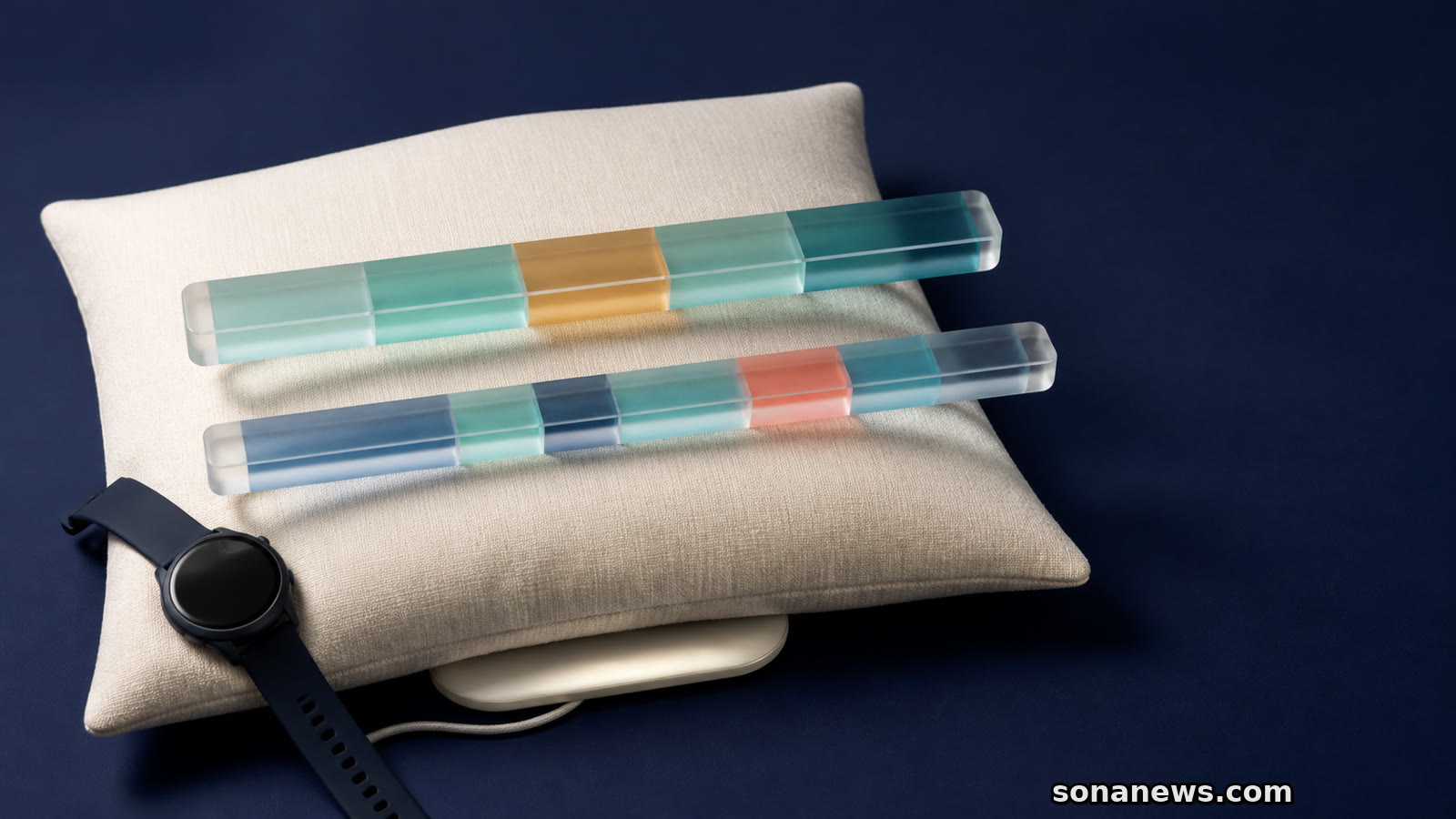
A sleep-tracker study found duration transferred better than sleep stages
Researchers compared 752 paired home nights from 74 older adults across a watch, nearable sensor, research actigraphy and diary. Most single-night measures correlated weakly, and a stage readout is not a diagnosis.

A 22-country study linked relationship satisfaction with self-rated health
The analysis covered 204,907 adults, but it measured whether relationships felt satisfying, not friend counts, and one survey wave cannot show which came first.

A football win tracked into the next day. The watch party was messier
A preregistered study of 842 people across five European countries linked wins with higher next-day life satisfaction and work motivation. Watching with others was not linked to life satisfaction, and the study does not prove a lasting lift.

Leisure guilt can turn free time into another productivity test
A new four-study paper found guilt during 14% of reported leisure occasions. It was more common in solitary leisure, but the research does not show that solo time is the problem.

A ticket is only one rung in America’s arts access gap
New Census estimates trace a ladder from local opportunity to making art and attending events. Income and education gaps appear at every step, without explaining the cause.
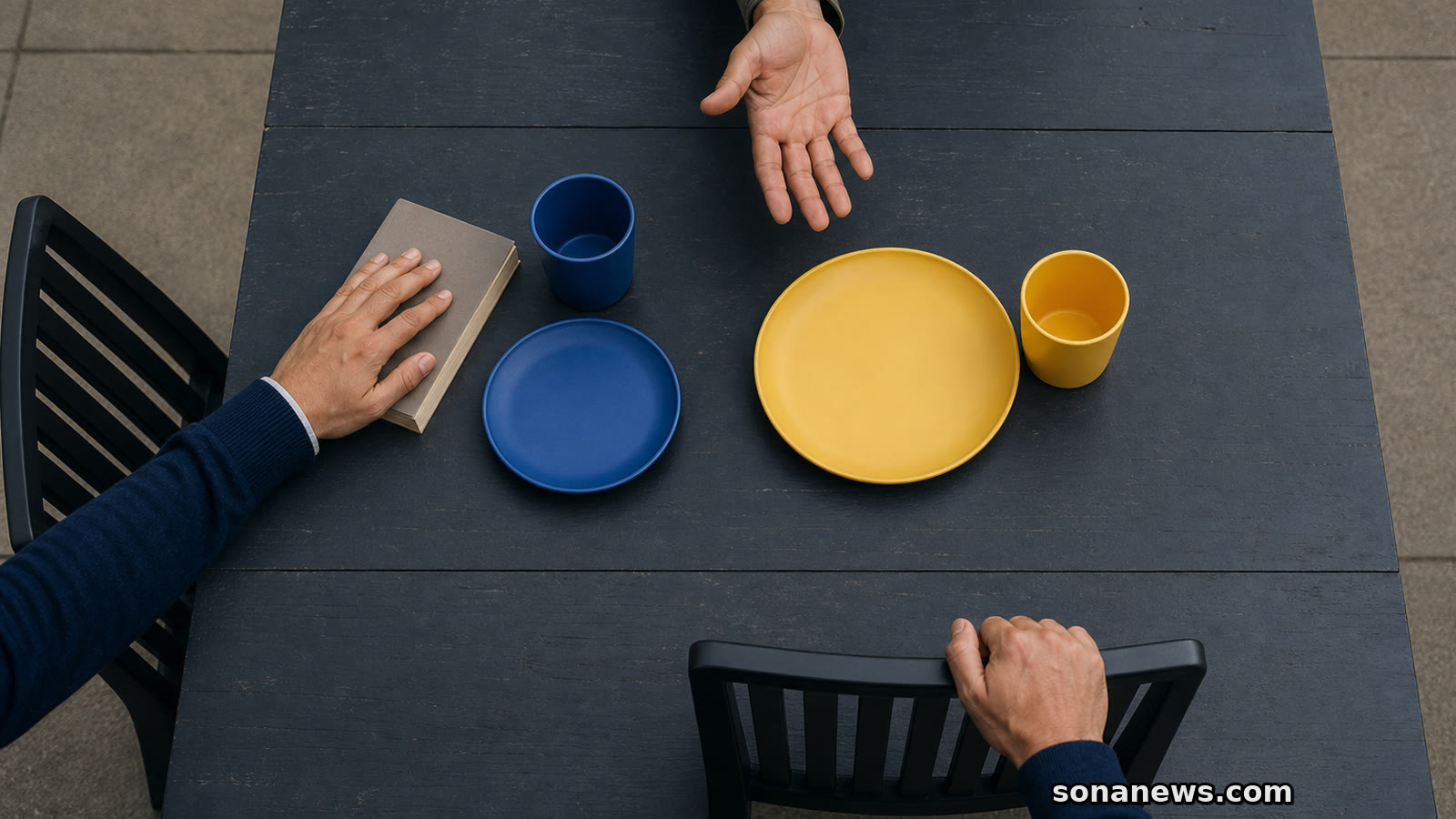
Small talk may need a visible opt-in, not a better icebreaker
A campus field experiment used coloured tableware to show who wanted a chat and who preferred solitude. The useful idea is permission, not a mandate to socialise.

The Odyssey is packing theaters. Moviegoing is still an occasional habit
A huge opening can prove that cinemas still deliver an event. Pew's latest survey suggests the broader US habit is selective, younger and split by income.
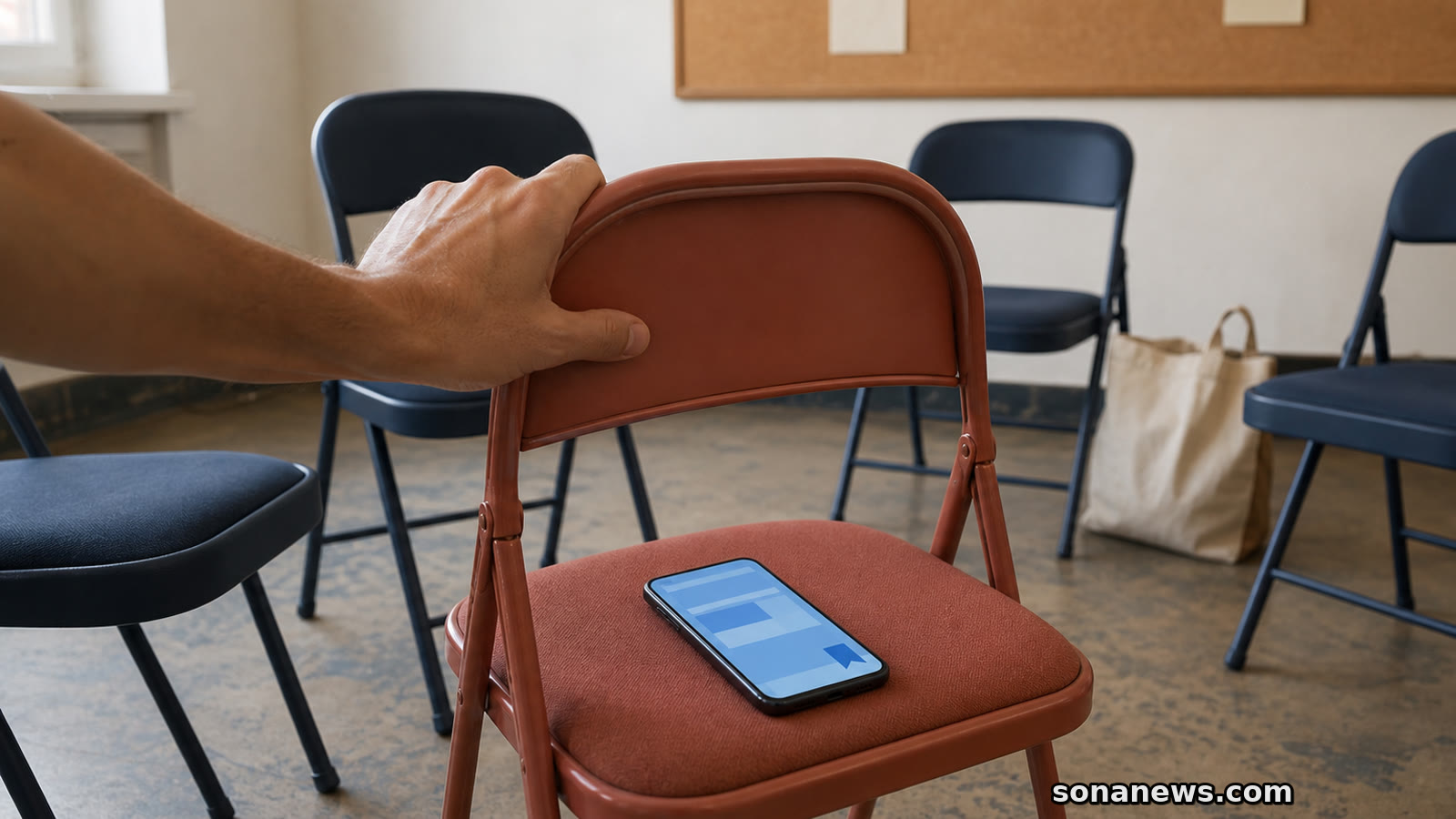
Following the news and joining in are different American habits
A new Pew typology separates news-following spectators from community-focused connectors. Its four clusters map one survey period, not four permanent kinds of person.
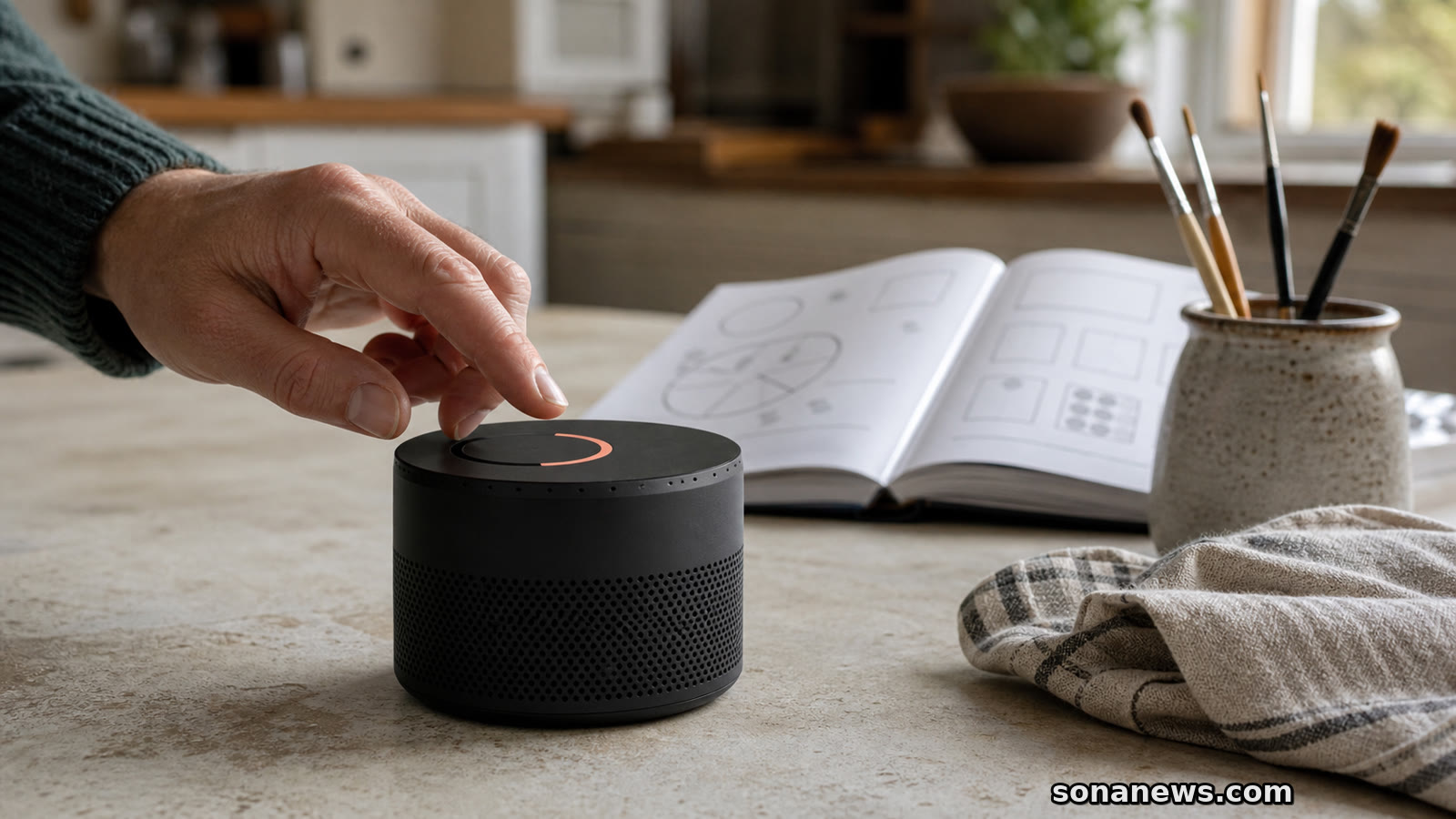
Britain's everyday AI habit has arrived before trust
New ONS data show adults in Great Britain using AI at work, at home and for hobbies while drawing sharp boundaries around care, government decisions, personal data and fake information.
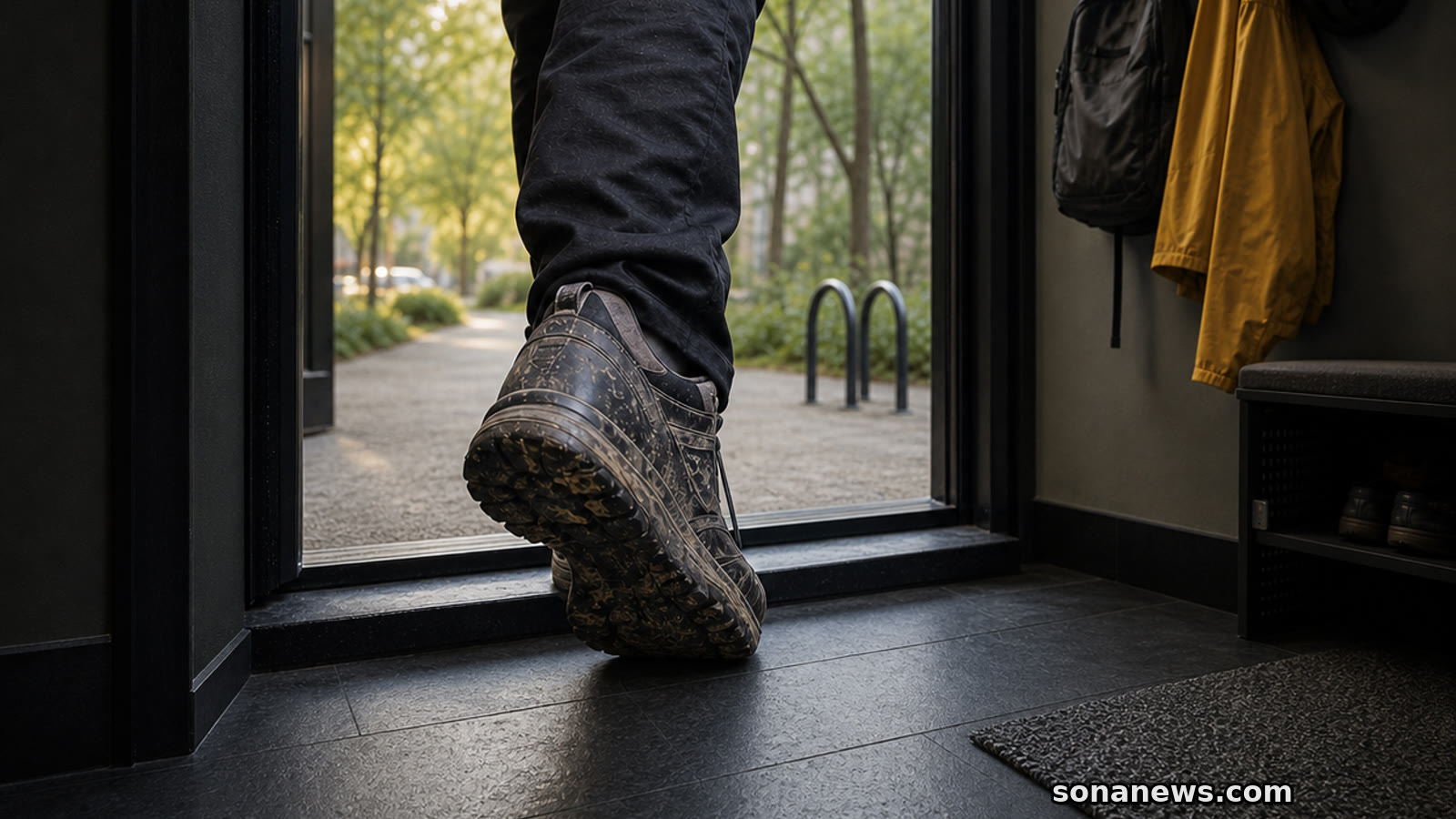
America's outdoor boom has a frequency gap
A record 183.2 million Americans took part in outdoor recreation in 2025, according to an industry report. The same report says the average participant went out five fewer times than in 2019.
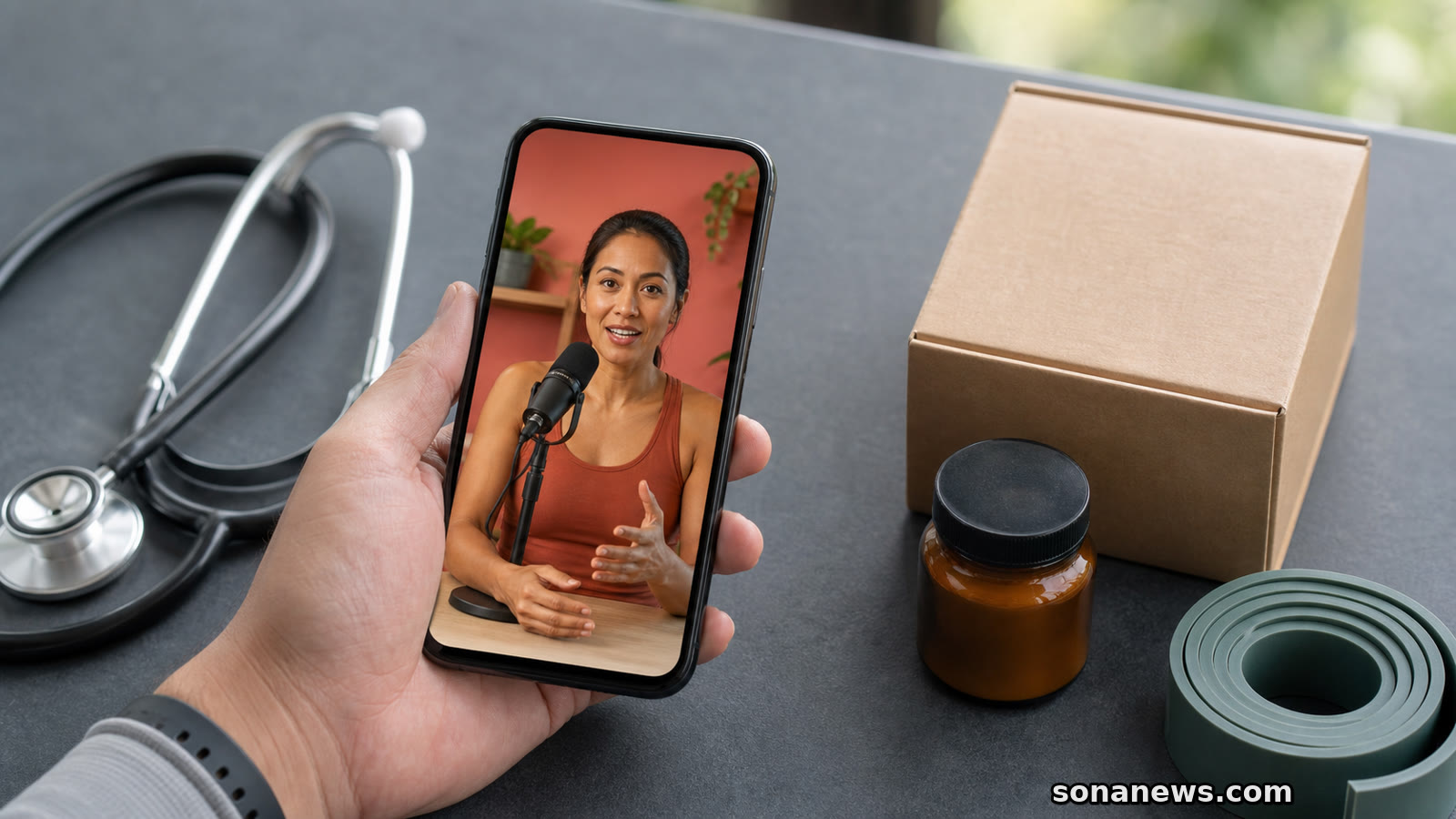
The wellness feed is a shopfront where expertise and sales share the same bio
A new Pew study maps 6,828 prominent U.S.-focused wellness influencers. Its useful lesson is not that every creator is suspect, but that credentials, personal stories and commerce now arrive in one continuous scroll.

The run club has become a social calendar
Strava club growth, parkrun participation and running-culture research suggest the current running boom is not only about performance. It is a low-cost way to put a repeatable plan in the week.
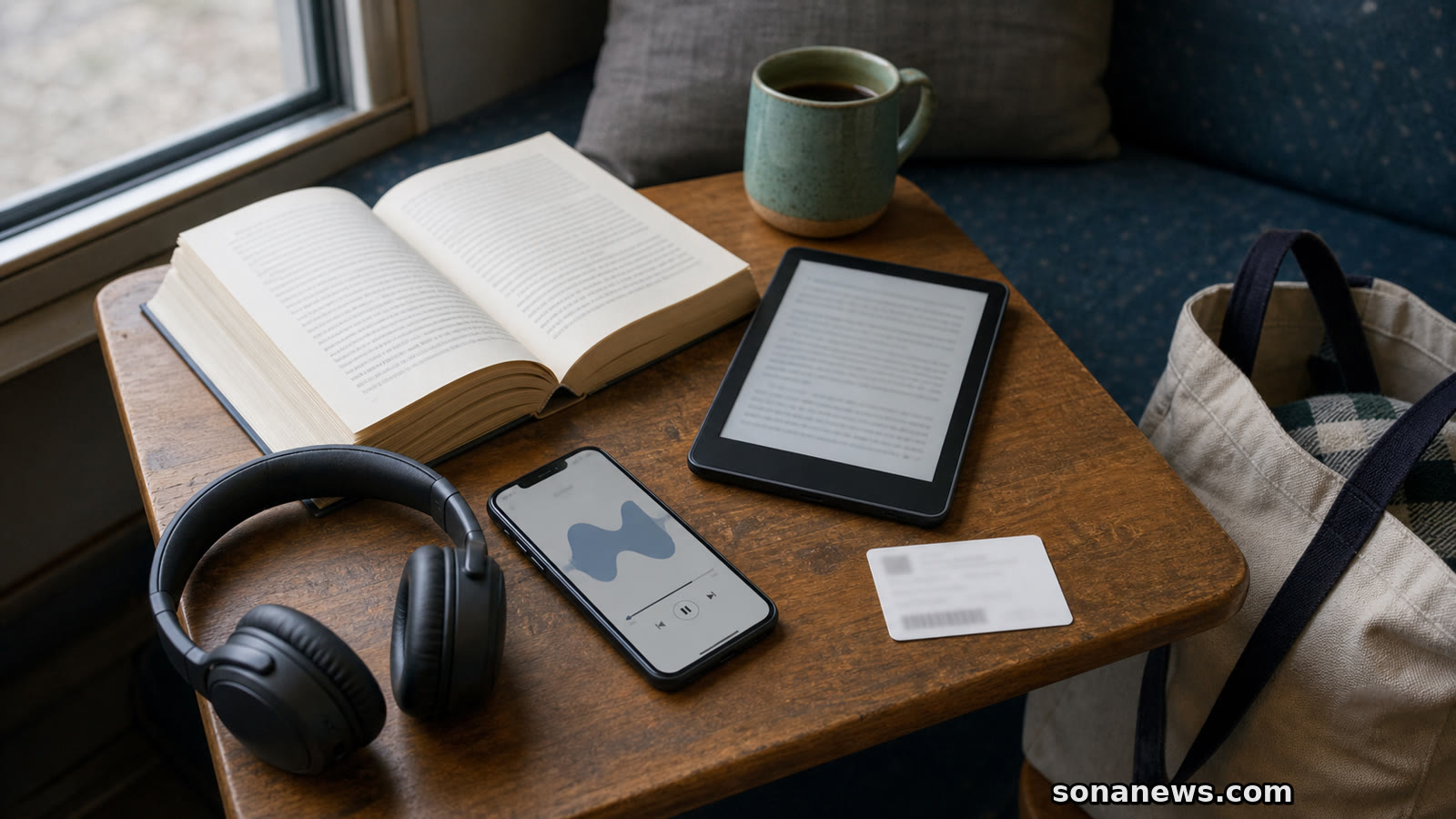
The reading habit is becoming a stack of formats
A 2026 Pew survey, NEA arts data and audiobook industry figures suggest the real shift is not print losing to screens. It is readers moving between paper, phone, library app and headphones.

TV still takes half the leisure day
New U.S. time-use data, Nielsen's April Gauge and Pew's streaming survey suggest the living-room habit has not vanished. It has splintered across broadcast, cable, YouTube and apps.
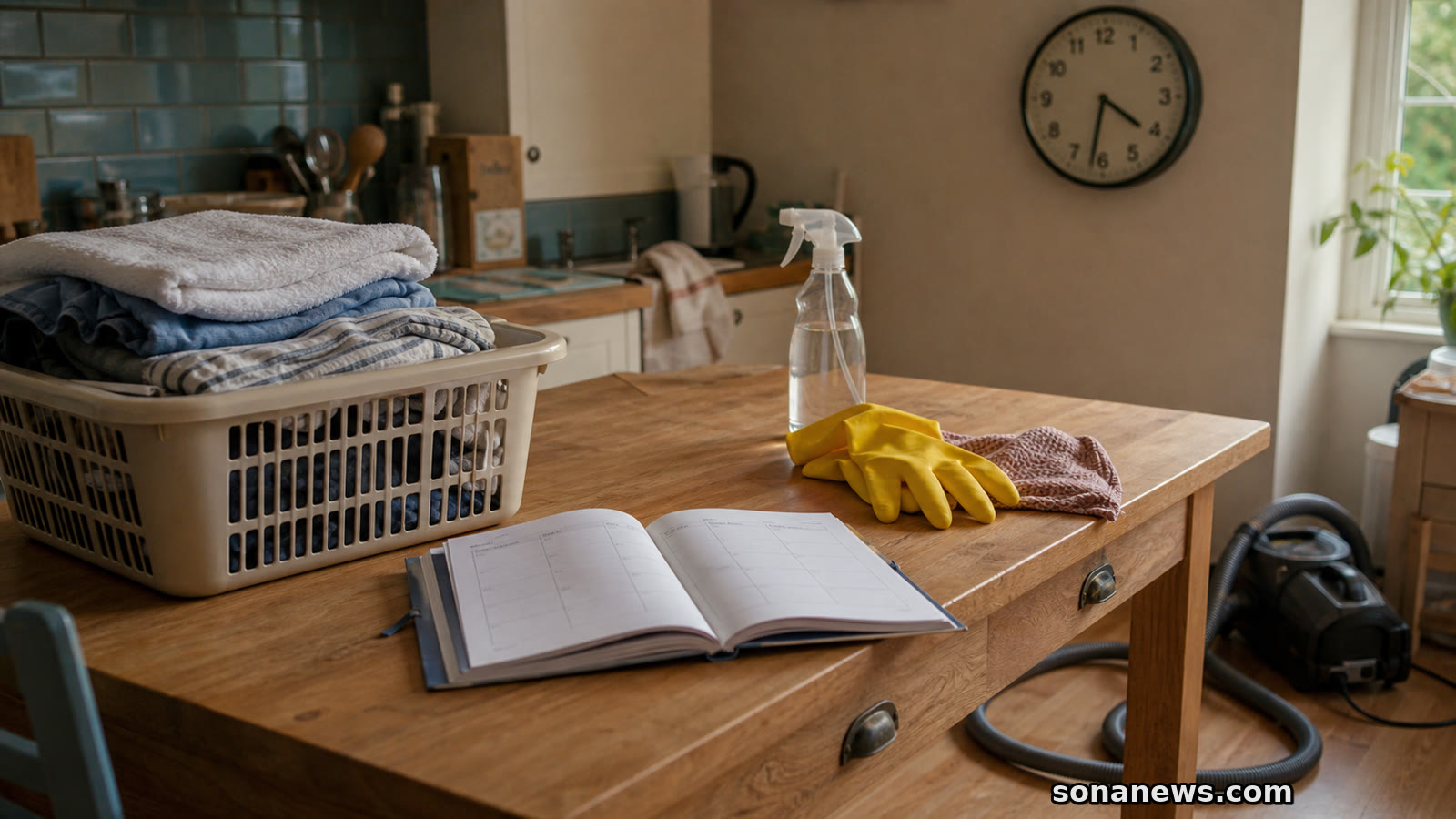
The reset routine is household labour in better lighting
New BLS time-use data, ONS unpaid-work figures and a 2026 cleaning survey suggest the online reset ritual is less a miracle habit than ordinary domestic work made visible.
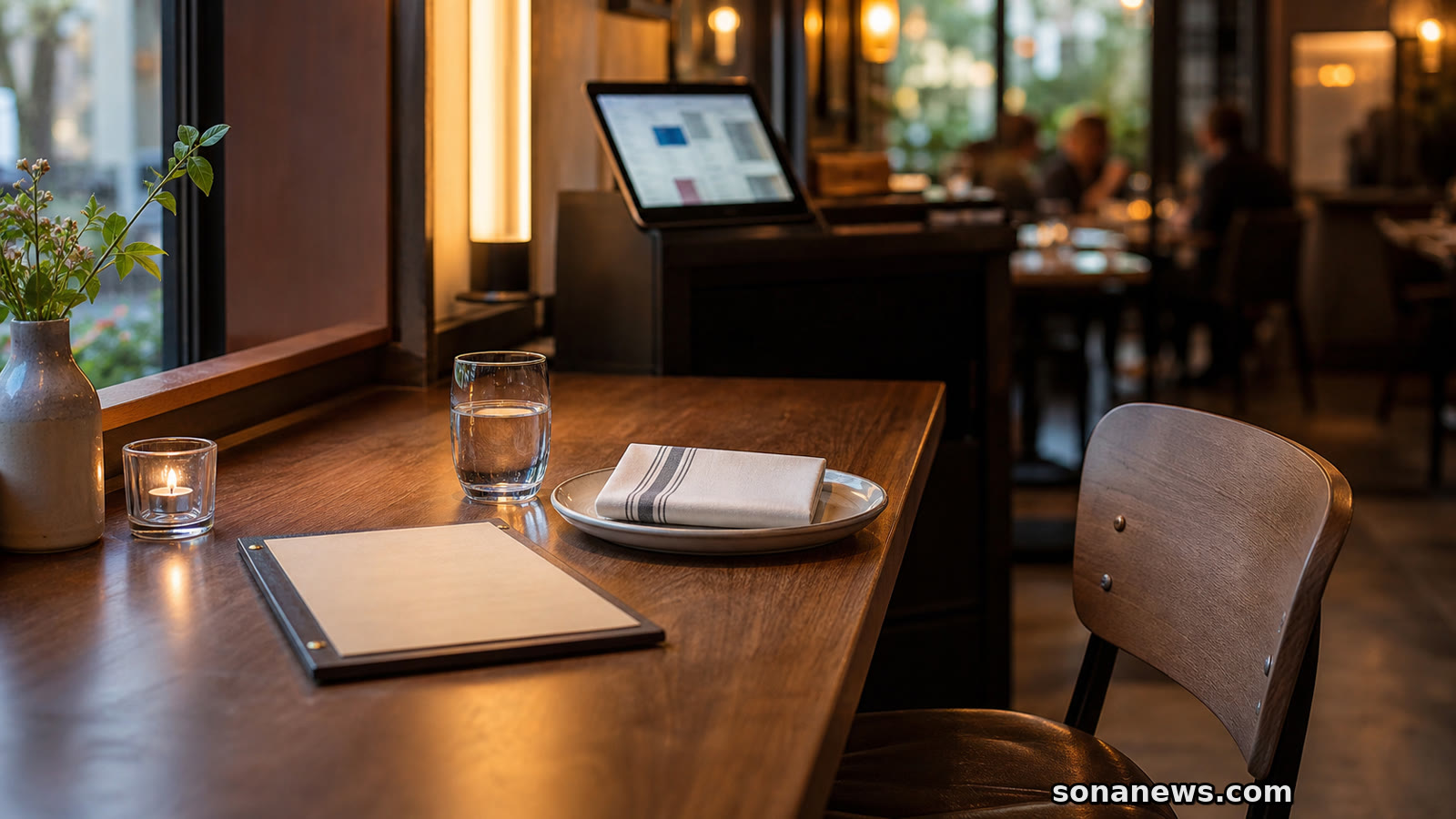
The solo dinner has become a normal reservation
OpenTable, TouchBistro, USDA and ONS data point to a quieter dining shift: eating alone is moving from awkward exception to planned consumer behaviour.
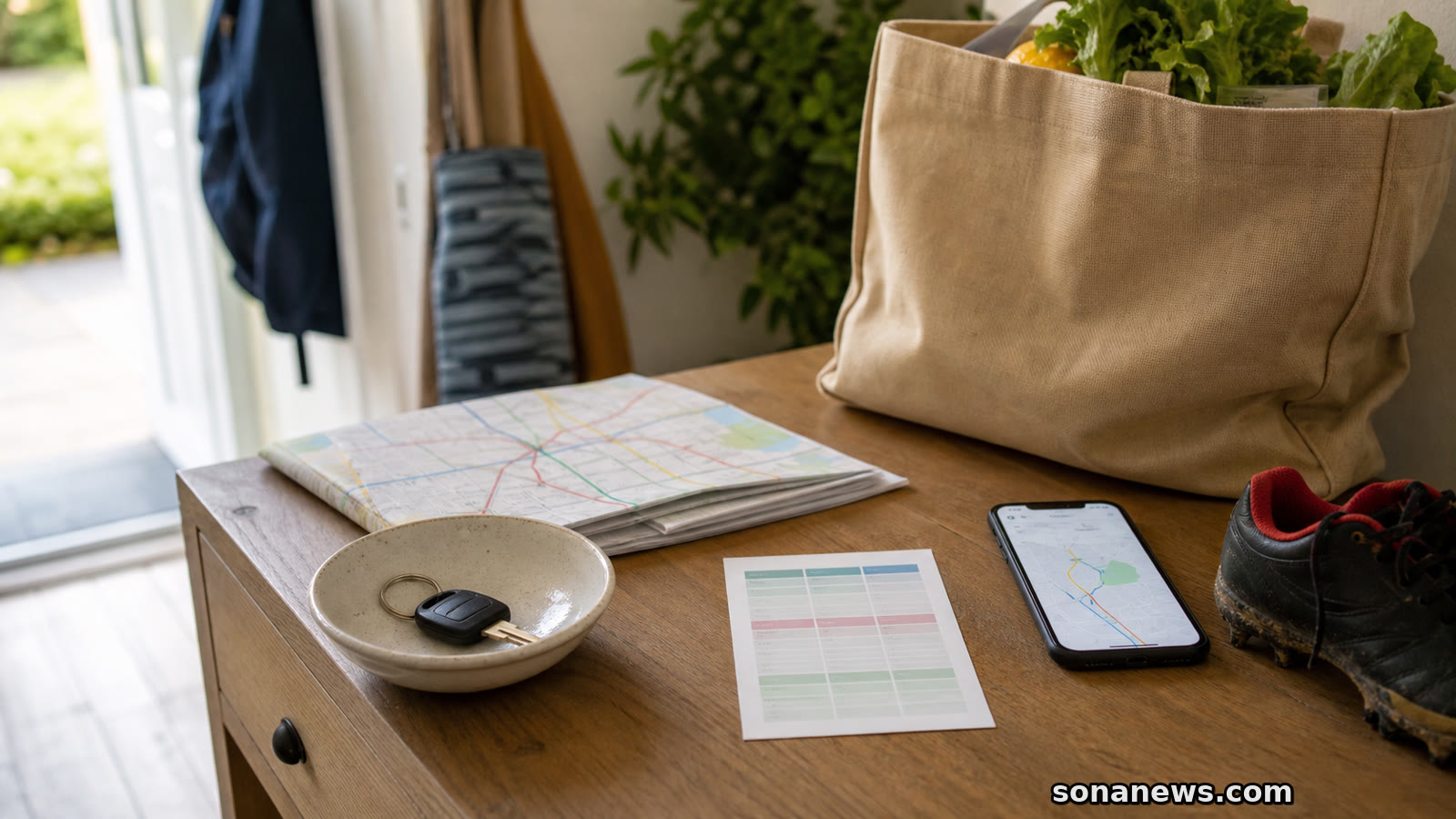
The car key is still a lifestyle anchor
Car ownership was supposed to loosen its grip. Fresh mobility and travel data suggest something less tidy: many households are attached to it, many are trapped by it, and the real story is the choice around it.
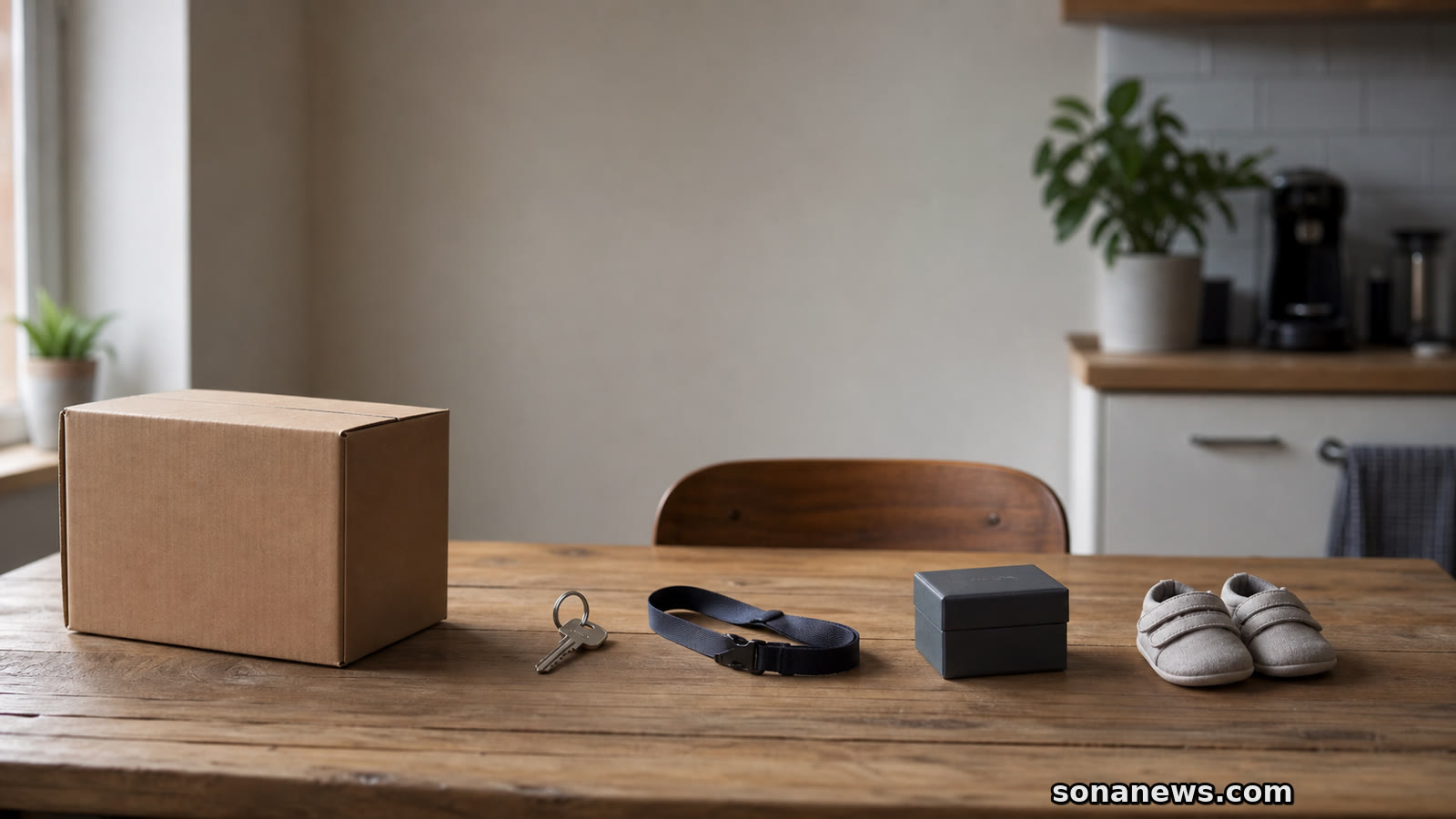
The adulthood checklist has become a sequence, not a race
Deloitte, Census Bureau and ONS data all point to the same quieter lifestyle shift: work, housing, marriage, children and leadership are being paced rather than ticked off in one old order.
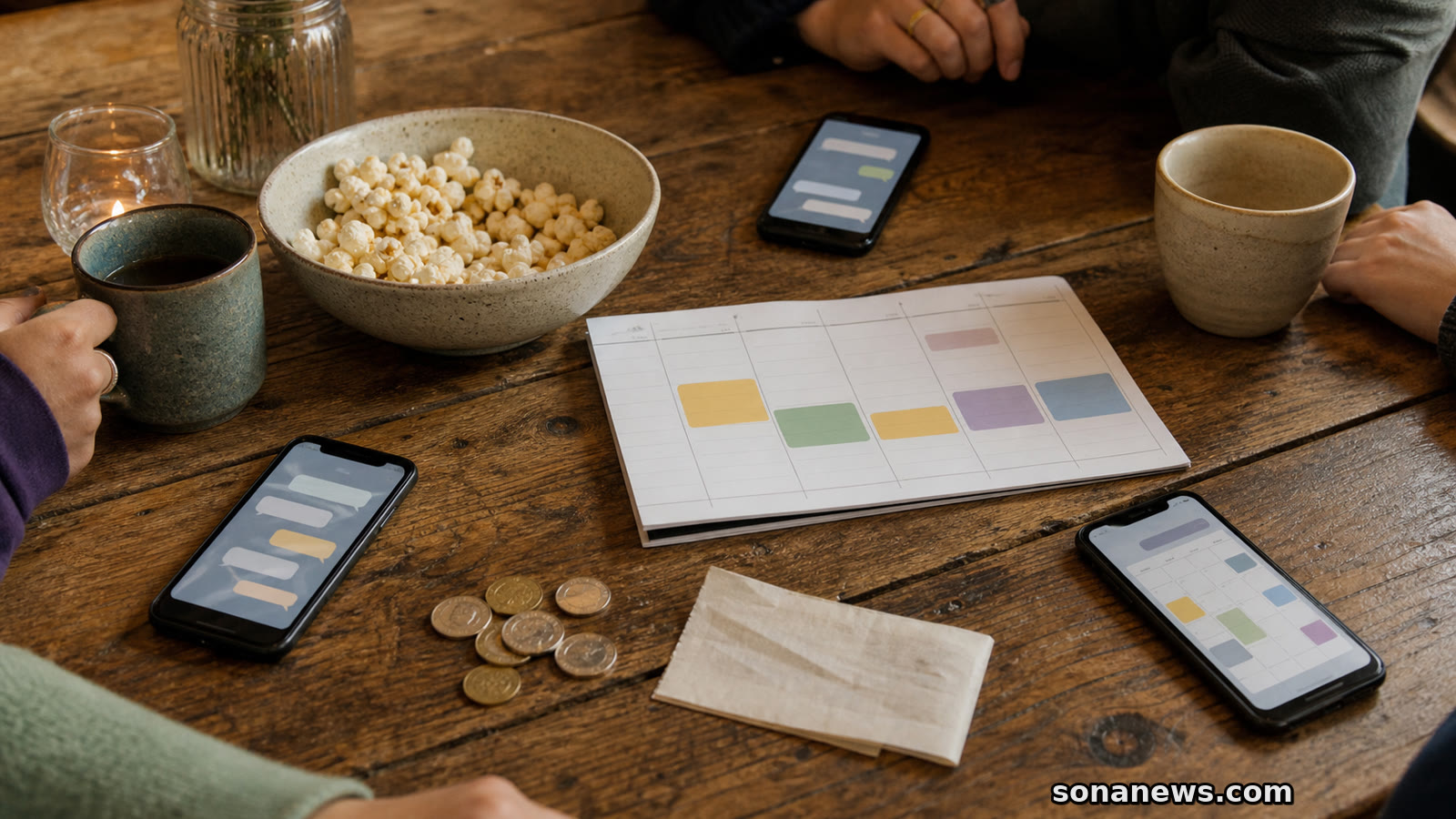
The group chat has become the low-cost social calendar
Messaging used to be the side channel for plans. With online life, tighter budgets and loneliness all visible in the data, it now carries much of the ordinary work of friendship.
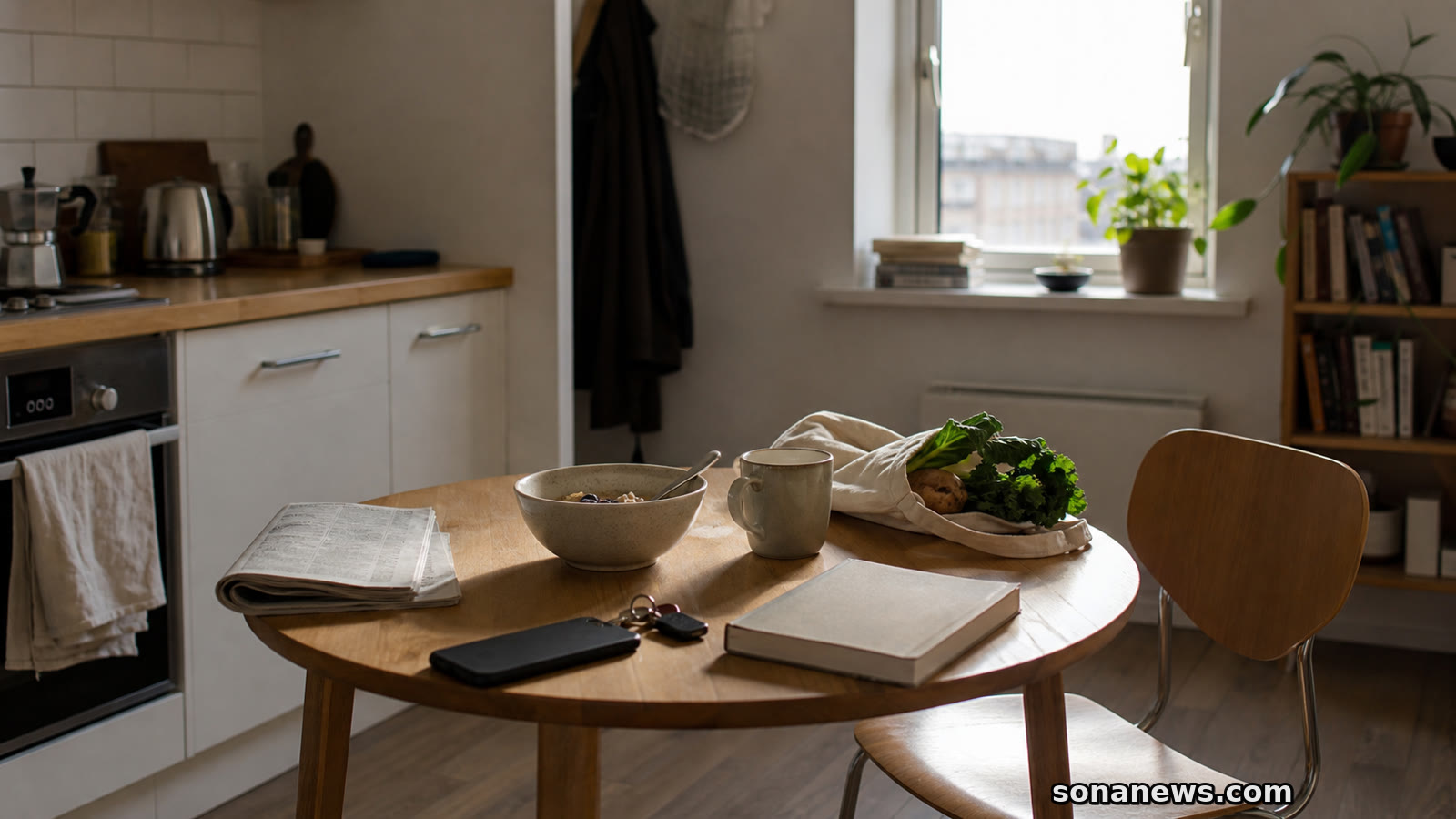
The one-person household is no longer a lifestyle footnote
Eurostat, ONS and U.S. Census figures show that living alone is not a niche consumer story. It is changing what homes, shops and social plans are built around.

The standing catch-up is becoming friendship infrastructure
WHO, Pew and friendship researchers point to a practical shift: adults may not lack friends, but many need a repeatable way to keep ordinary contact from sliding off the week.
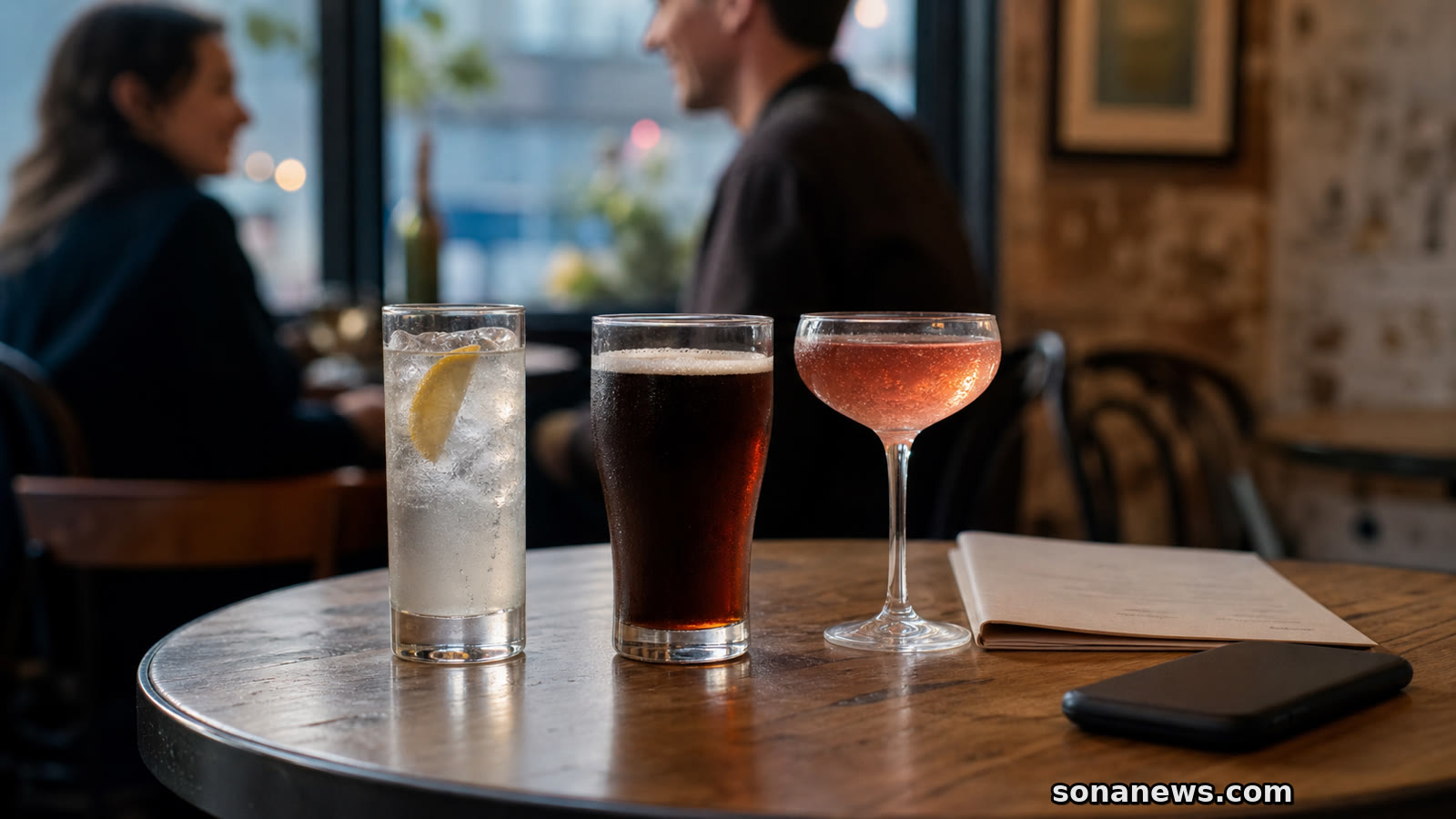
The no-alcohol option has become part of the night out
Gallup, Bank of America, Drinkaware and IWSR data point to a quieter shift: moderation is showing up in household spending, bar culture and the drinks list, not only in January.

The online day has outgrown the old screen-time scold
New data from Ofcom, Pew and DataReportal suggests internet use is now woven through errands, news, entertainment, AI tools and relationships, while access and overload remain uneven.
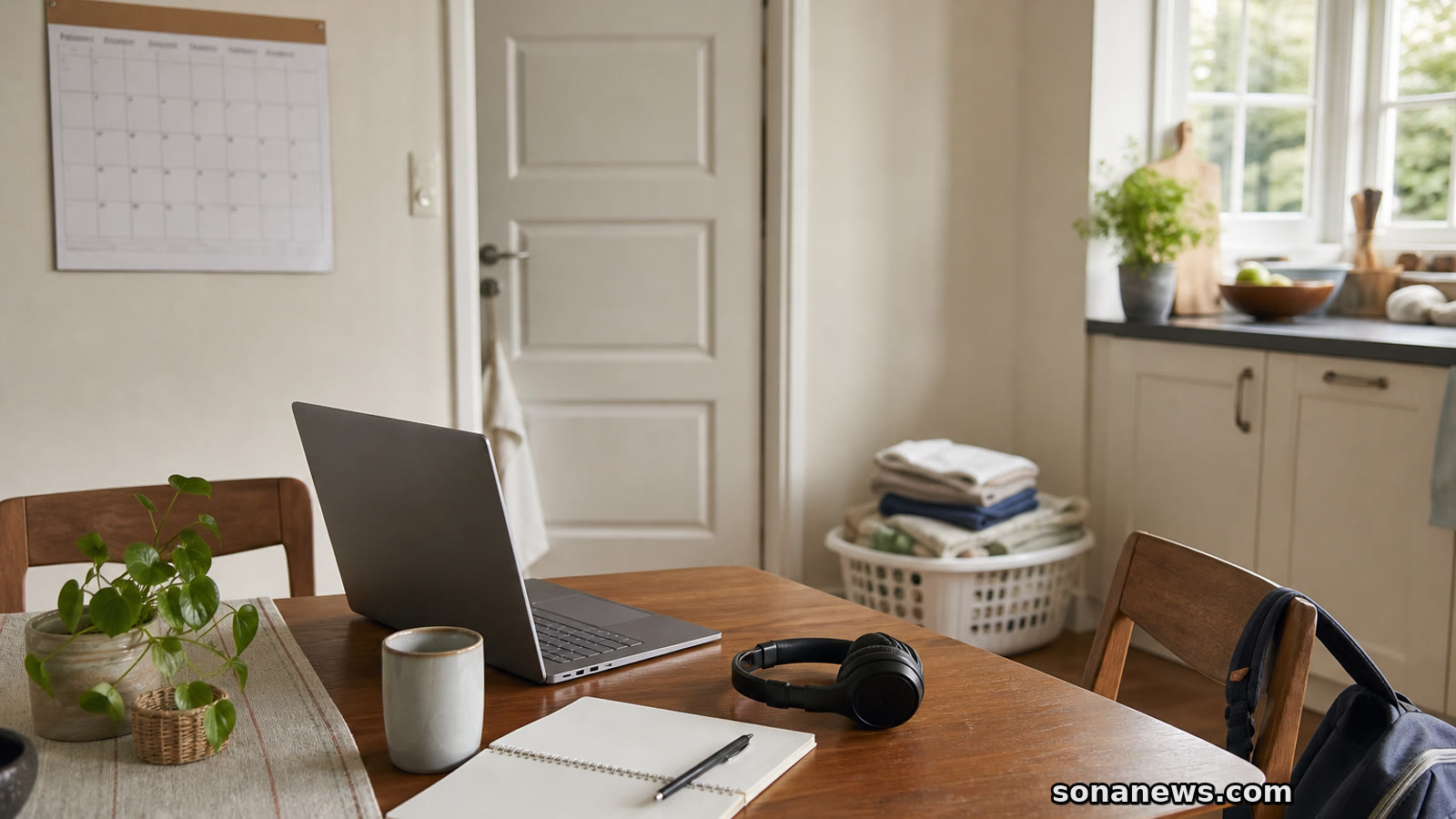
The work-from-home day is now a household routine, not a perk
Hybrid work data from the UK and U.S. suggests remote days have moved out of office policy and into lunch, errands, childcare, rest and the quiet politics of who gets flexibility.

The bargain find has become a status signal, not just a way to spend less
Survey data from ONS, the Federal Reserve, Euromonitor and NIQ show value-hunting is now part pressure, part identity and part public performance.

The volunteer shift is becoming part of the social calendar
New UK, U.S. and WHO evidence suggests community help is less about saintliness than about time, access and ordinary social infrastructure.
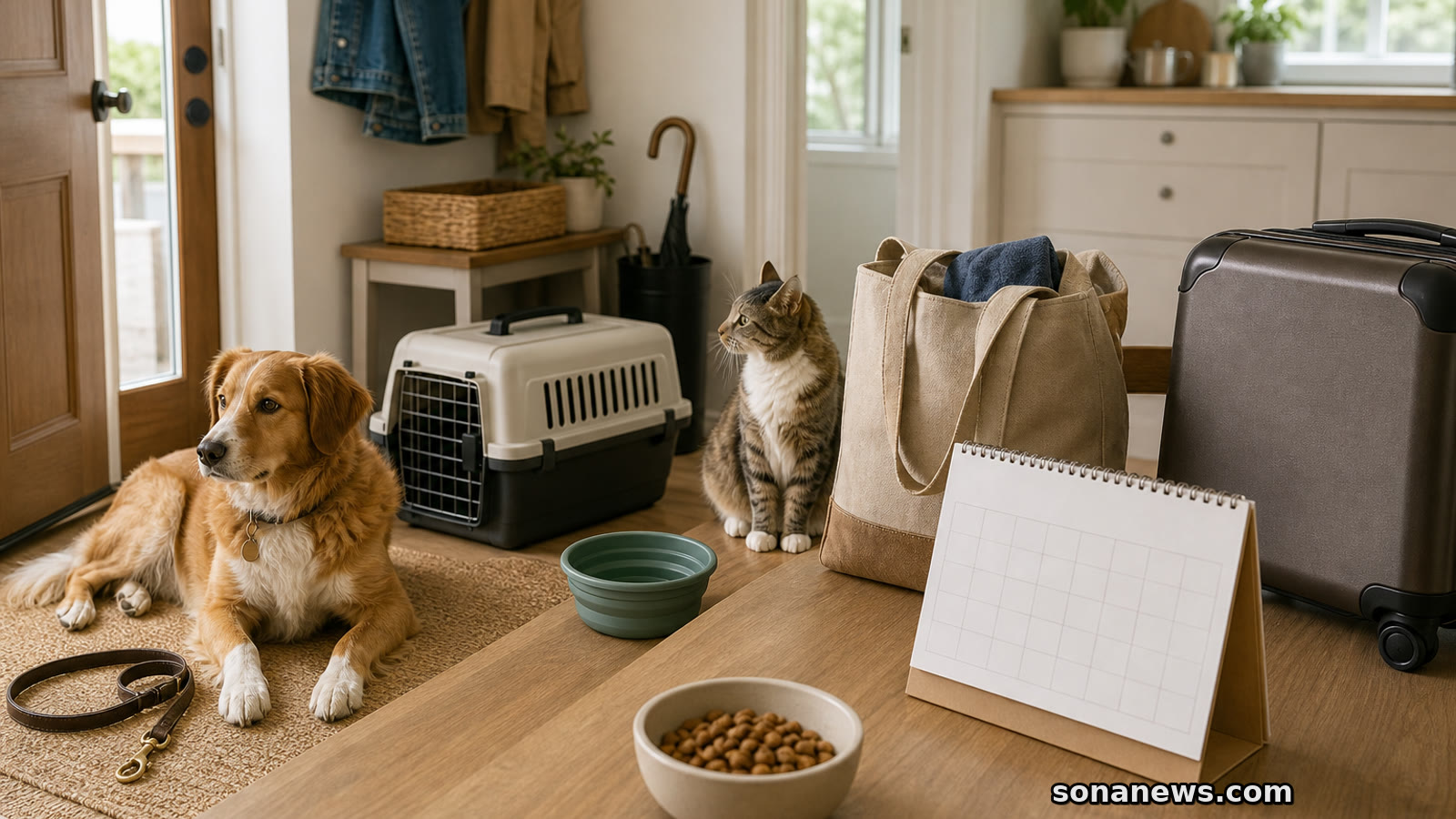
The pet-friendly life now needs a household plan
New U.S. and UK pet data show how dogs and cats have moved from cute extras into errands, travel, budgets and the weekly calendar.

The offline hobby never really went away
New culture and leisure data point to an ordinary truth: books, gardens, cinemas and making things still shape how people spend time away from the feed.
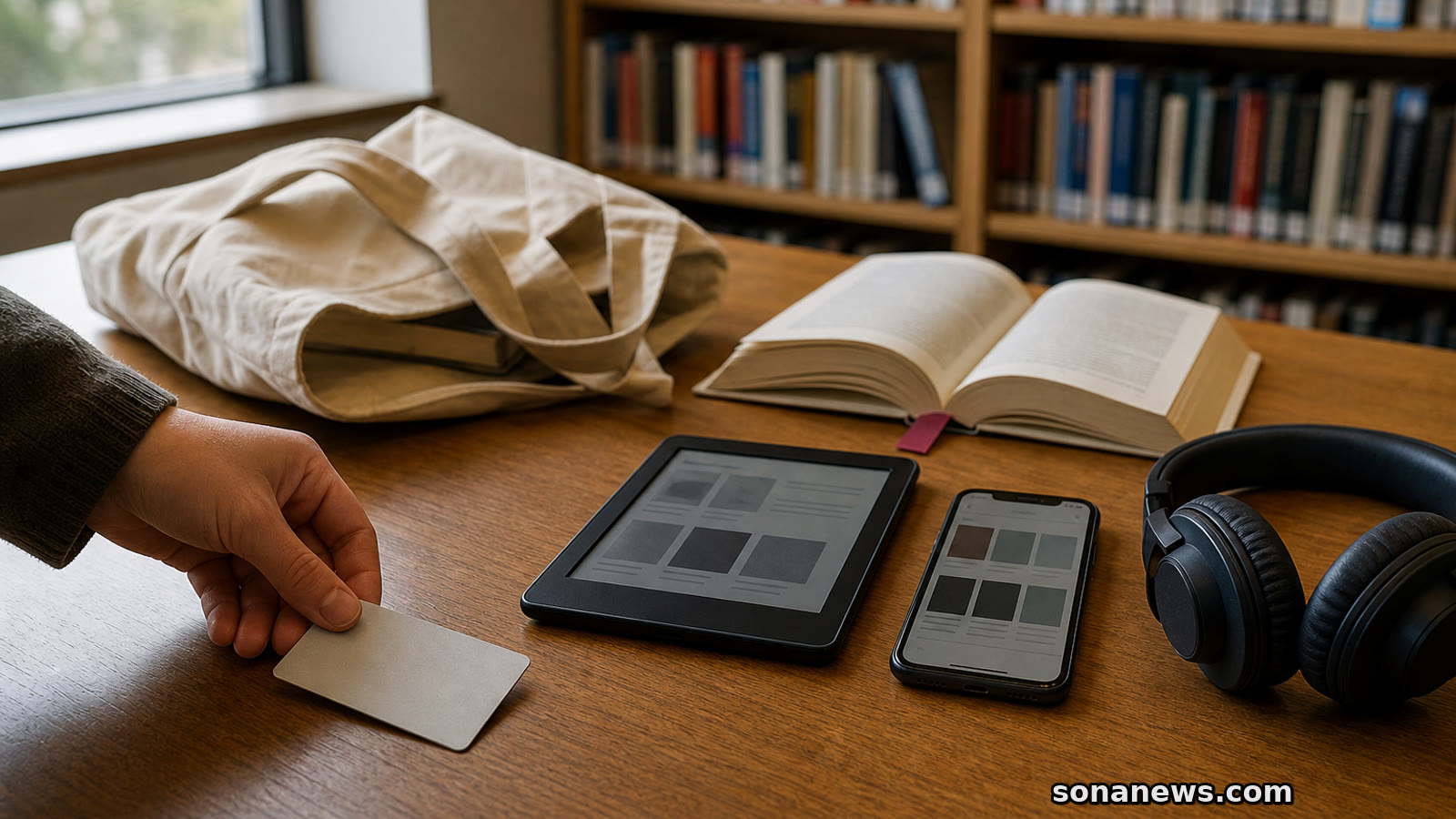
The library card is becoming the quiet subscription
ALA, OverDrive and Libraries Connected data point to a practical shift in everyday culture: the library card is moving into the same mental space as streaming, ebooks and paid lifestyle apps.
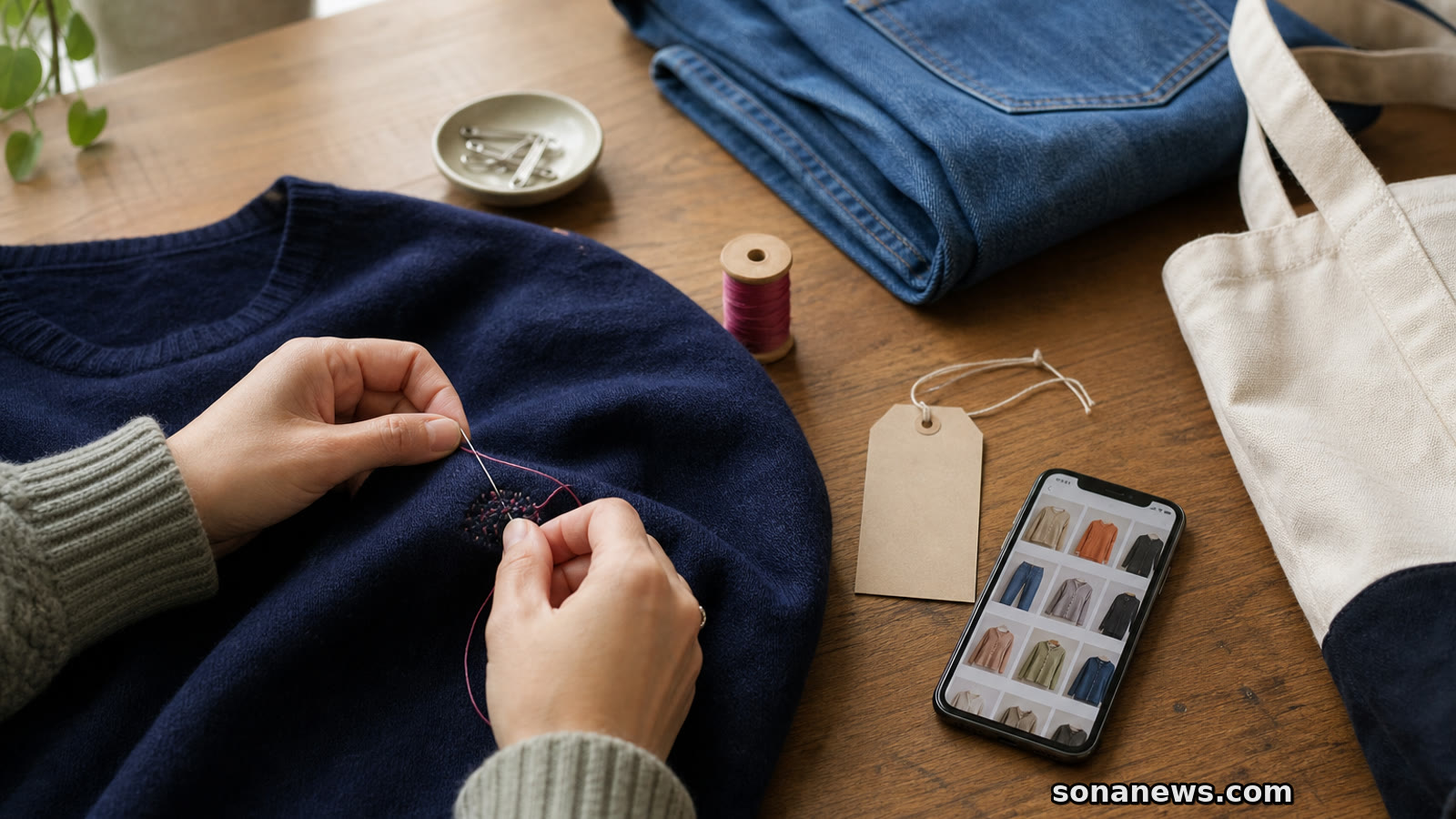
The wardrobe repair habit now starts before checkout
EU and WRAP data point to a plain shift in clothing culture: repair, resale and longer use are becoming part of the shopping decision, not only a clean-up after overbuying.
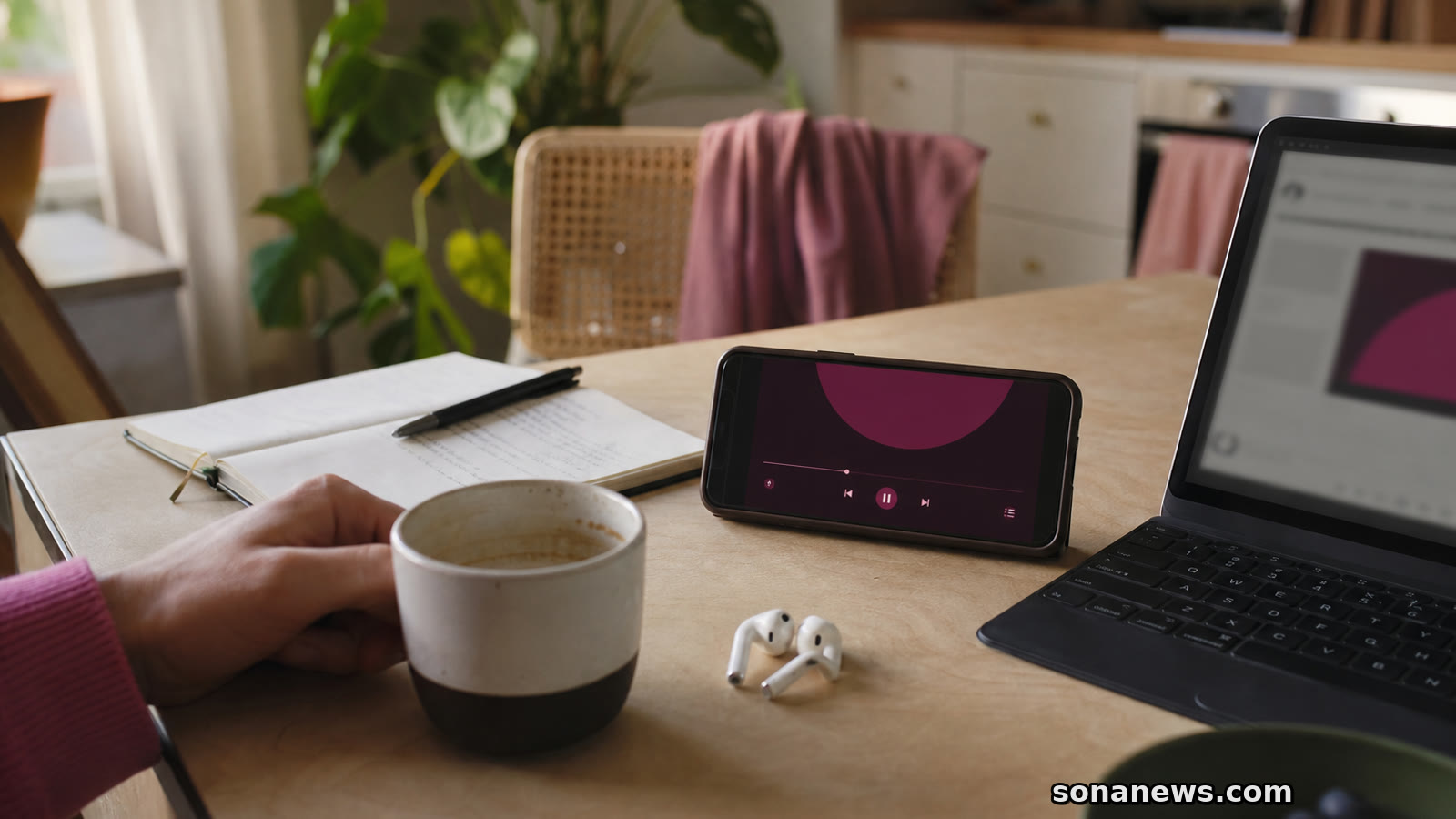
The podcast has become a screen habit
Pew, Edison and GWI data point to a quiet shift in everyday media: podcasts still feel intimate, but more of the habit now lives on YouTube, clips and screens.
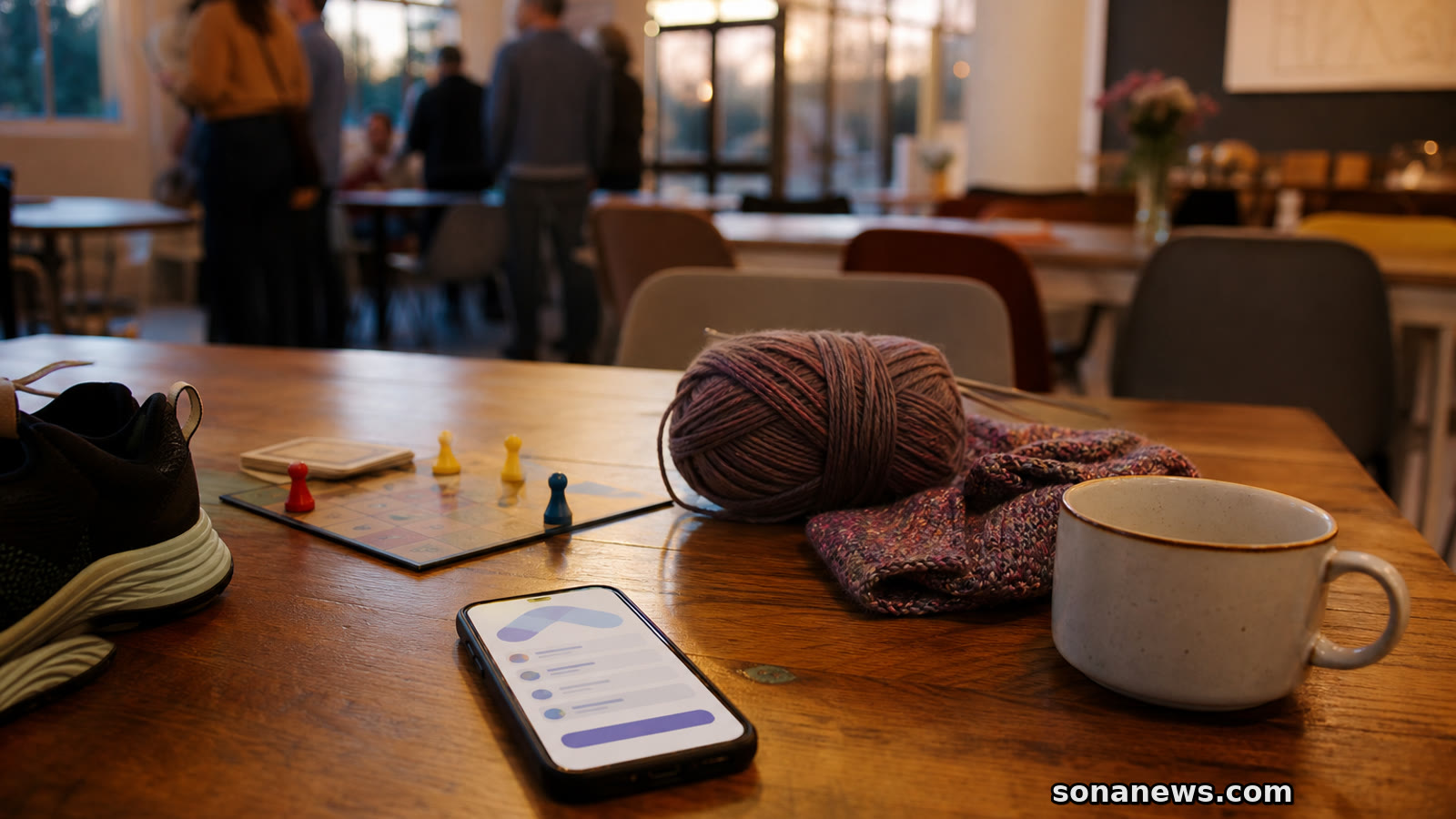
The social plan is becoming a sign-up page
Eventbrite's 2025 study of US and UK 18-to-35-year-olds sits beside WHO, CDC and Pew data on loneliness: more people are turning interests into scheduled, in-person routines.
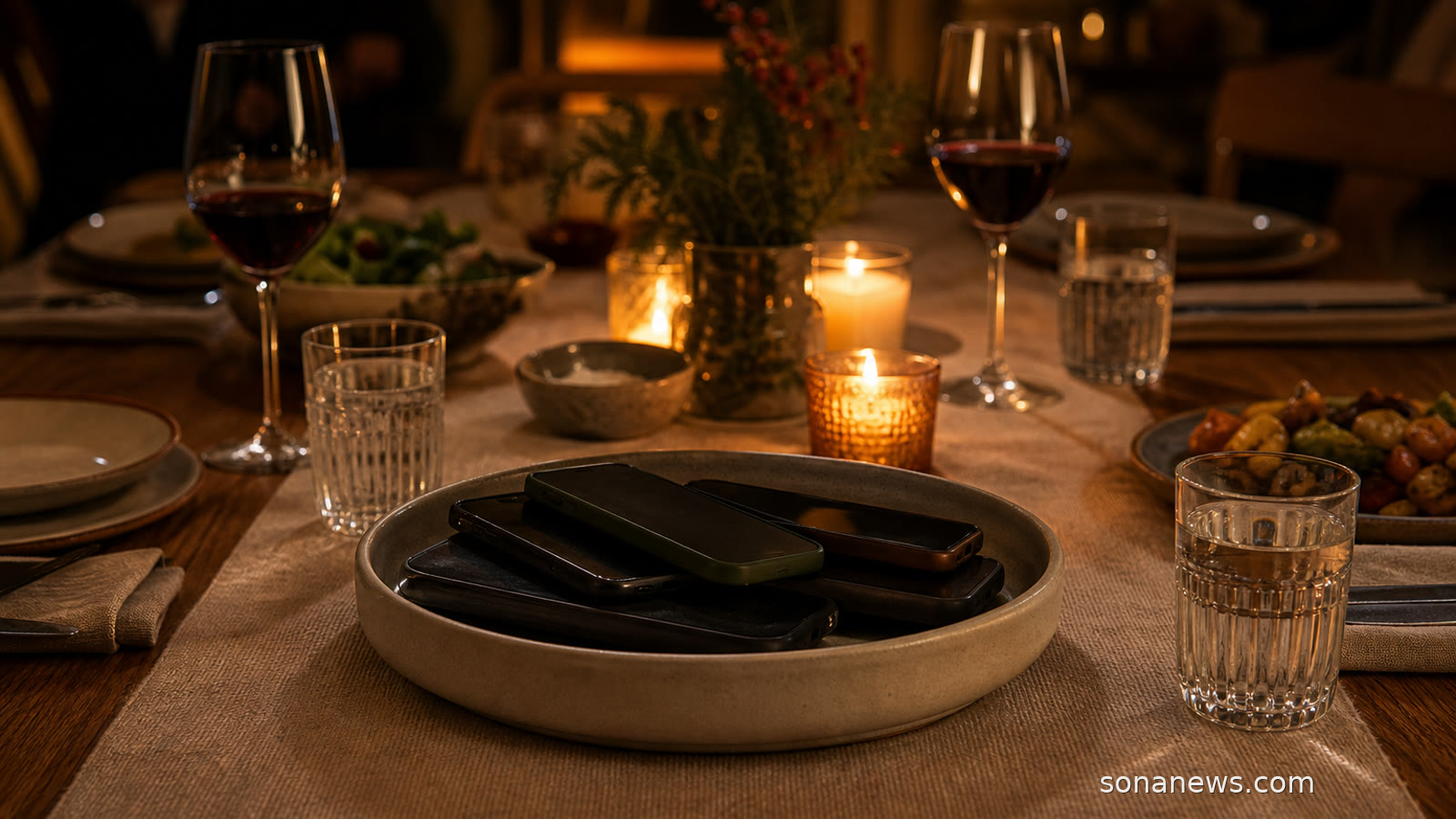
The phone-free dinner is not a trend. It is a small piece of social infrastructure
A meal with fewer screens will not mend loneliness on its own, but the renewed interest in low-key hosting points to a real need: repeated, undramatic time with other people.