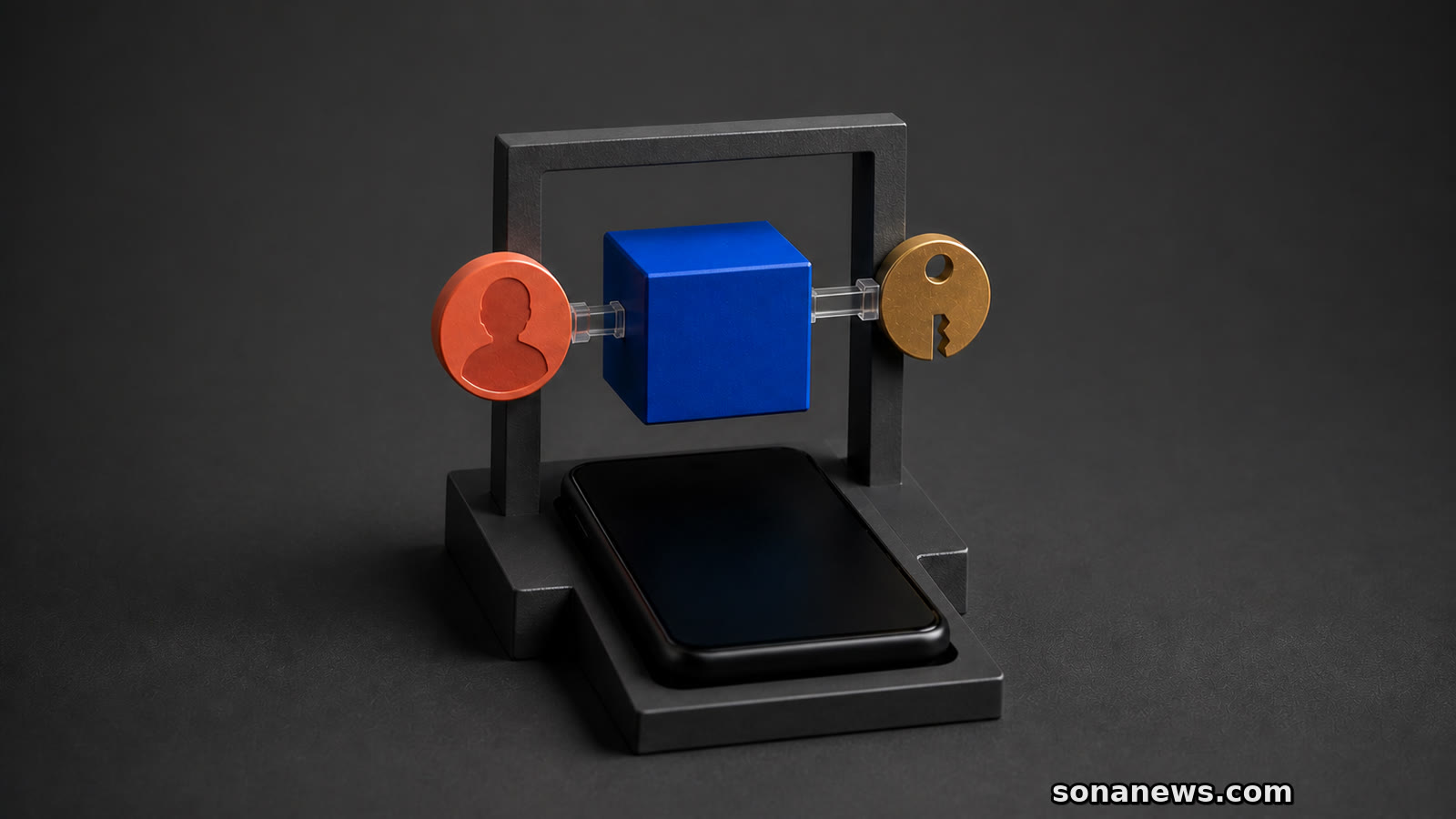
The digital ID wallet is moving login into the phone
Europe’s 2026 wallet rollout makes identity, credentials and data sharing a product design question, not just another sign-in button.
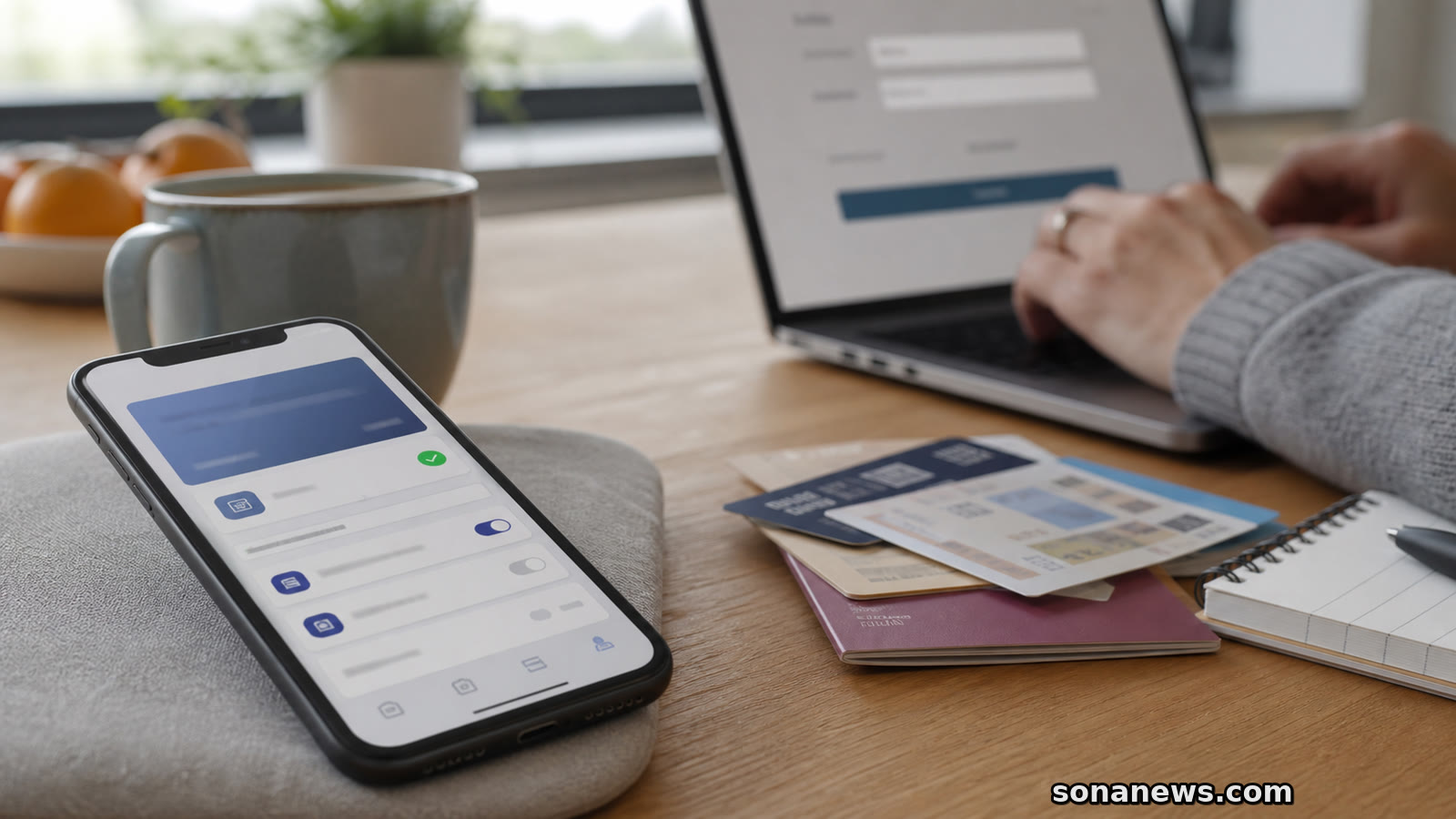

The least glamorous part of the internet may be the most revealing: the login screen. It is where people are asked to prove who they are, remember another password, upload a document, type in a code, accept a prompt, or hand a platform more information than the task really needs.
Europe’s Digital Identity Wallet is meant to change that routine, though not by making identity simple overnight. The European Digital Identity Regulation is already in force, and the European Commission says Member States are mandated to provide EU Digital Identity Wallets to citizens by the end of 2026. That moves digital ID from a policy file into a product deadline.
The wallet is not just a new app icon. In the EU’s description, it can link a national digital identity with proof of other personal attributes, such as a driving licence, diploma or bank account. The official wallet project describes it as a way for citizens, residents and businesses to identify themselves digitally, store and share important digital documents, and sign or seal documents electronically.
That sounds abstract until it reaches an ordinary service. A university, bank, telecom provider, public service or travel platform may not need a full scan of a document if a wallet can prove one specific fact. A service may need to know that a person is eligible, licensed, resident, enrolled or over a threshold, without collecting a larger identity bundle. The important design shift is selective disclosure: proving the piece that matters, rather than handing over the whole folder.
This is why the digital ID wallet is a technology story, not only a government one. Login has become part of platform power. The systems that decide who can open an account, pass an age check, sign a contract, claim a benefit, book a room or access a professional service shape the data people reveal and the friction they face. If the wallet becomes a common option, product teams will need to think about credentials, consent screens, error messages and data minimisation as much as passwords and two-factor codes.
The regulation also changes acceptance. The Commission says service providers legally obliged to identify customers unequivocally will be obliged to accept the wallet for authentication. That does not mean every website will suddenly replace its sign-in button. It does mean the wallet is being built as shared infrastructure, with public services and some private services pulled into the same orbit.
There is a practical reason for caution. Europe already has national electronic ID systems, but the experience has varied by country and service. The new framework builds on eIDAS and tries to make cross-border use less patchy. The technical work is therefore as important as the promise. The EU Digital Identity Wallet Architecture and Reference Framework, maintained in a public repository, sets out common specifications and implementation work so that wallets from different Member States do not become isolated national apps with similar branding.
The user-facing details will decide whether this feels useful or merely bureaucratic. The official wallet material stresses user control, local storage in the wallet app, privacy dashboards and the ability to see what data was shared and with whom. Those are good principles. They still have to survive rushed onboarding screens, vague consent language, device loss, phishing, support queues and the familiar temptation of services to ask for more than they need.
Nor should the wallet be mistaken for a magic privacy shield. A verified credential can reduce unnecessary document uploads, but it cannot by itself decide whether a service’s request is fair, proportionate or well explained. Certification and technical standards can raise the floor, but people will still encounter confusing prompts. A strong identity layer can also become a tempting target if the surrounding ecosystem is careless.
The better way to read the 2026 deadline is as a shift in default expectations. For years, digital identity online has been patched together from email addresses, passwords, card checks, one-time codes, uploaded photos and private platform accounts. The wallet model asks whether a public, interoperable credential can do some of that work with less oversharing.
If it succeeds, the visible change may be quiet. A login page may offer a wallet button. A prompt may show the exact attribute being requested. A credential may prove eligibility without sending a full document. A person may be able to sign something digitally without building another account first.
The next phase of identity online will not be decided by slogans about trust. It will be decided by what a phone asks before data leaves it, what a service can justify requesting, and whether the ordinary login screen becomes a little less hungry.
Editorial note. This article is general technology information. It is not legal, privacy, cybersecurity, identity-verification or regulatory compliance advice.
Sources
- Source: European Commission, "European Digital Identity (EUDI) Regulation", Extracted 2026-06-18. Verified: Regulation (EU) 2024/1183 is in force, Member States must provide wallets by the end of 2026, wallets can link national digital identity with personal attributes, and certain legally obliged service providers must accept the wallet for authentication
- Source: European Commission, "EU Digital Identity Wallet Home", Extracted 2026-06-18. Verified: wallet purpose, user groups, free user access, examples including education, banking, telecom, travel, signing and payments, and stated privacy features including user control and dashboards
- Source: EUR-Lex, "Regulation (EU) 2024/1183", Extracted 2026-06-18. Verified: official legal act title, publication in the Official Journal, amendment of eIDAS Regulation (EU) No 910/2014 and in-force status
- Source: EU Digital Identity Wallet Architecture and Reference Framework repository, Extracted 2026-06-18. Verified: public ARF documentation, common architecture and reference framework, latest tagged documentation stream and wallet principles including broad availability, wide use and user control
Help us improve
Was this article useful?
One anonymous tap helps Sona improve future reporting, headlines and source context.
Up next

The coming Android 16 feature lets Gemini save where you say you left keys or a passport. That can be useful, but it only knows the location you entered.
Continue readingMore in Tech