The coffee maker recall turns the morning brew into a safety check
A new CPSC recall of Kidisle coffee makers is a reminder that kitchen appliance safety can begin with a model sticker, an order receipt and a sober look at steam.
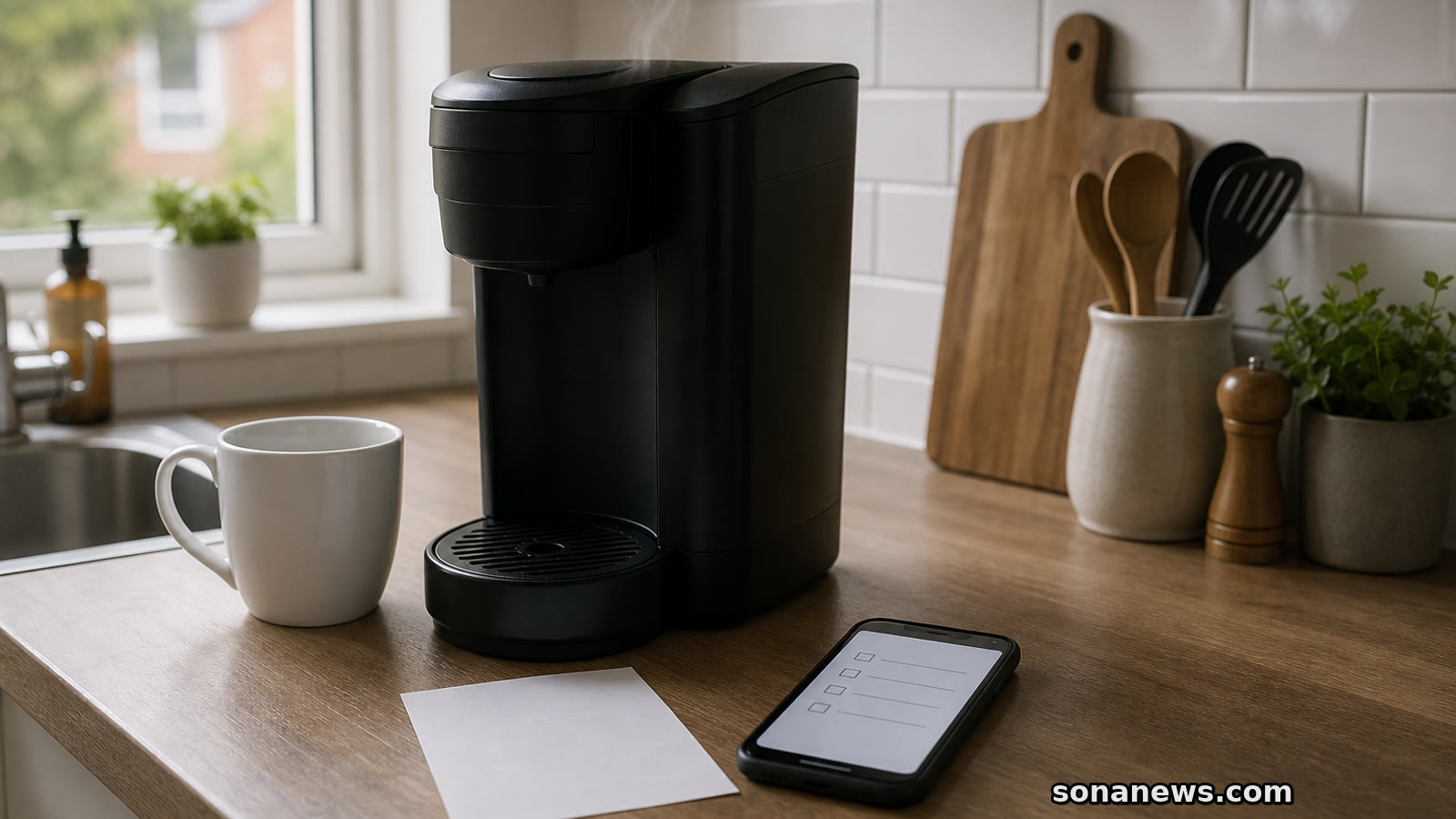

The coffee maker is supposed to be one of the calm machines in the kitchen. It sits on the counter, takes up a corner of the morning and rarely asks to be thought about beyond water, grounds and a cup. That ordinariness is why a recall can feel oddly easy to miss. A product bought online two years ago may no longer have its box, manual or registration card. The only useful record may be a sticker on the underside and an old order receipt.
The U.S. Consumer Product Safety Commission's June 11 recall of Kidisle coffee makers is specific, but the home lesson is broader. CPSC says about 17,600 Kidisle-branded hot and iced coffee machines are being recalled because they can become clogged, allowing hot liquid or steam to build up and release unexpectedly during use. The agency says it is aware of at least 107 reports of unexpected hot liquid or steam release, with at least 27 reported injuries, including first and second-degree burns that required medical treatment.
This is not a warning about every single-serve coffee maker on a kitchen counter. The recall concerns Kidisle model KC101B machines, sold online at Amazon.com, Walmart.com and eBay.com from June 2024 through April 2026 for about $49. CPSC says the machines are black, white or grey, about 11 inches high and 6 inches wide, with a 50-ounce detachable water tank. The model number is printed on a sticker on the underside of the machine, while the brand name may appear on the product order receipt.
That distinction matters. Recall coverage is usually dull and exact because product safety depends on identification. A household does not need a vague fear of coffee makers. It needs a way to connect the object on the counter with the official notice. In practice, that may mean checking the underside, searching email order histories, asking who bought a shared kitchen appliance or confirming whether a second-hand machine came with enough information to identify it.
CPSC's remedy language is direct. The notice says consumers are to stop using the recalled coffeemakers immediately and contact Kidisle for a full refund. It describes a refund process in which the machine is unplugged, the power cord is cut, the word "Recalled" is written on it in permanent marker, and a photo showing the destroyed product, visible model number and cut cord is sent to the recall contact. The point is not consumer theatre. It is to keep a known recalled product from drifting back into a cupboard, office kitchen or resale listing.
The same CPSC notice adds a legal reminder that federal law prohibits selling products subject to a Commission-ordered recall or a voluntary recall undertaken in consultation with the agency. That line is easy to skip, but it is part of the story for marketplace culture. Small appliances move between flats, offices, relatives and online listings. A recall check is not only for the first buyer.
There is also a health-adjacent reason to take steam seriously without turning the piece into medical advice. The NHS explains that scalds are caused by hot liquids or steam, and that severe burns and scalds may need hospital treatment. Its burns and scalds page gives first-aid and urgent-care guidance for people dealing with an actual injury. For this article, the useful takeaway is simpler: steam is not a harmless kitchen inconvenience when pressure and hot liquid are involved.
The wider safety habit is the same one that applies to many small appliances. CPSC's recall hub is searchable and offers recall email subscriptions. Recalls.gov describes CPSC's jurisdiction as covering more than 15,000 types of consumer products used in and around the home, including appliances, electronics, furniture and household products. That is a large haystack. A household record does not need to be elaborate, but it does need to exist somewhere other than memory.
The kitchen is already a place where ordinary routines carry risk. The U.S. Fire Administration says cooking is the leading cause of home fires and home fire injuries, and its public guidance stresses attention, clear surfaces and simple habits rather than panic. A recalled coffee maker sits in a slightly different category: the issue is not whether someone watched the machine carefully enough, but whether the machine is one of the affected models and what the official notice says to do next.
For renters, flat shares and offices, the recall check can be even more prosaic. The person using the coffee maker may not be the person who bought it. A landlord, former tenant, colleague or relative may have handled the original order. That makes the order receipt and model sticker more important, not less. A shared appliance still has a source trail.
The morning brew is not becoming a safety crisis. It is becoming another small example of how modern home admin works: identify the product, use the official source, keep the record, avoid resale fog and do not improvise around a named recall. The calmest kitchen is not the one that ignores the notice. It is the one that can answer, quickly, whether the notice applies.
Editorial note. This article is general home and appliance-safety information, not medical, electrical, legal, fire-safety or repair advice. For a specific product, follow the relevant official recall notice and manufacturer contact route. For an actual burn, scald, electrical fault, fire or emergency, use local emergency services and qualified professional or medical guidance.
Sources
- Source: "Coffeemakers Recalled Due to Risk of Serious Injury from Burn Hazard; Imported by Kidisle", Extracted 2026-06-14. Verified: recall date June 11, 2026; recall number 26-557; about 17,600 affected Kidisle coffeemakers; clogging can cause hot liquid or steam to build and release unexpectedly; at least 107 reports and at least 27 reported injuries; model KC101B; sales channels, sales period, approximate price, refund process and resale prohibition
- Source: "Recalls & Product Safety Warnings", Extracted 2026-06-14. Verified: CPSC recall hub is searchable, provides recall and product safety warning data, links to SaferProducts.gov and recall email subscriptions, and lists burn among top recent recall hazard types
- Source: "Recalls.gov CPSC consumer product recalls", Extracted 2026-06-14. Verified: CPSC covers more than 15,000 types of consumer products used in and around the home, including appliances, electronic or electrical products, furniture and household products; page links to CPSC recalls and unsafe-product reporting
- Source: "Burns and scalds", Extracted 2026-06-14. Verified: NHS says scalds are caused by hot liquids or steam; severe burns and scalds may need hospital treatment; page reviewed 31 March 2026
- Source: "Cooking Fire Safety", Extracted 2026-06-14. Verified: U.S. Fire Administration says cooking is the leading cause of home fires and home fire injuries; 2021 U.S. fire department response estimates; practical kitchen-safety framing around attention and equipment
Help us improve
Was this article useful?
One anonymous tap helps Sona improve future reporting, headlines and source context.
Up next
A gold-coloured lamp has been recalled because its plug can overheat. With no model or serial identifier published, the order record matters more than a visual match.
Continue readingMore in Home & Living