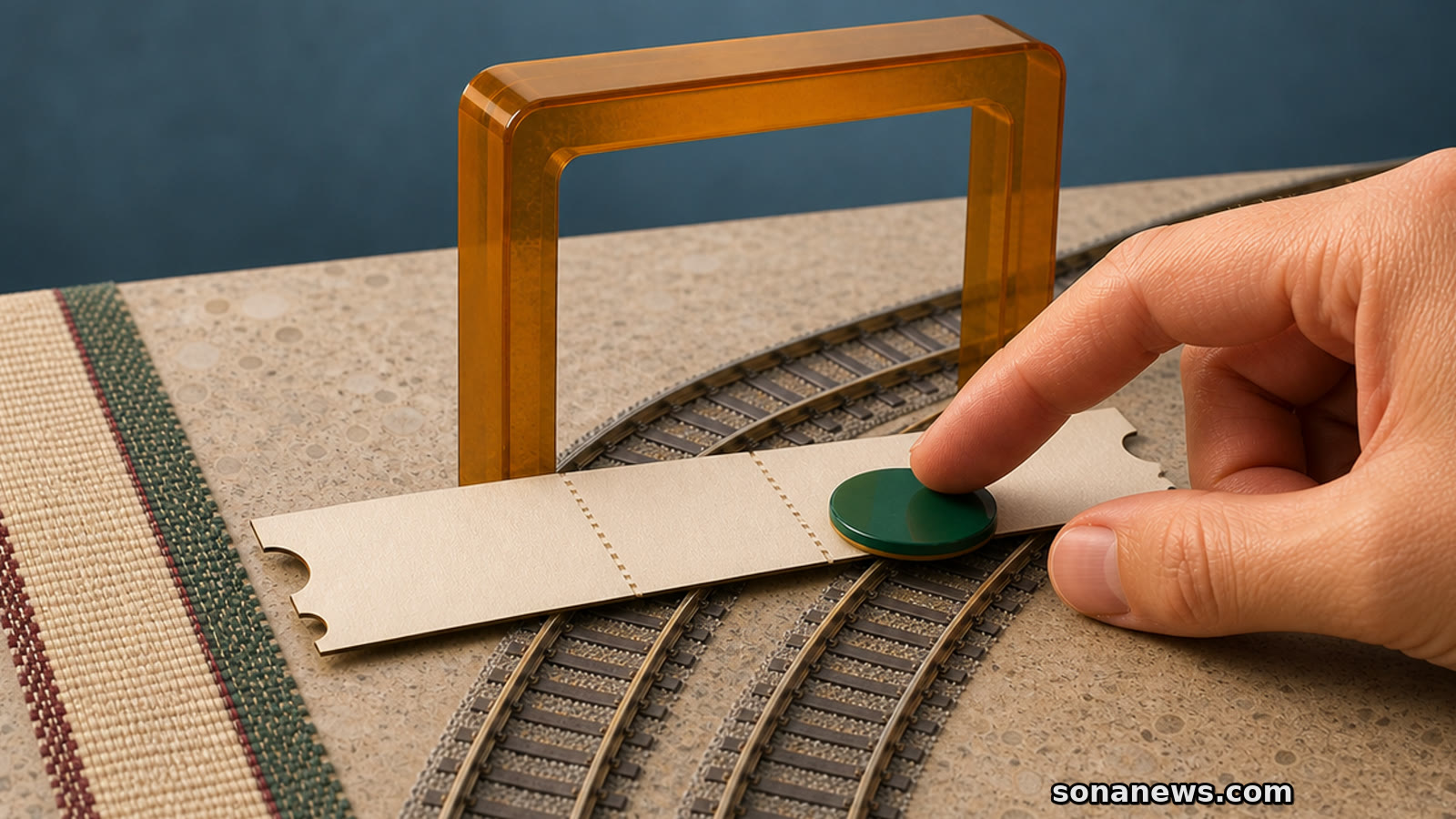
At 11 U.S. national parks, the nonresident fee follows the adult, not the car
A standard vehicle pass can cover a car, while the extra $100 is charged per non-U.S. resident aged 16 or older unless a valid annual pass covers the group.


A U.S. national park road trip acquired a second layer of entrance math in 2026. At 11 named parks, the ordinary vehicle or individual entrance charge is not the whole bill for some international visitors. Each non-U.S. resident aged 16 or older also owes a **$100 nonresident fee**, unless a valid annual pass covers that person.
That distinction matters because the ordinary entrance fee and the nonresident fee count people differently. A standard private-vehicle pass can admit everyone in the car, but the extra nonresident charge is assessed **per adult**, not per vehicle.
The [National Park Service's current nonresident-fee guidance](https://www.nps.gov/aboutus/nonresident-fees.htm) names Acadia, Bryce Canyon, Everglades, Glacier, Grand Canyon, Grand Teton, Rocky Mountain, Sequoia and Kings Canyon, Yellowstone, Yosemite and Zion.
At those parks, a non-U.S. resident aged 16 or older pays the standard entrance charge plus $100. Travellers aged 15 or younger are not charged the entrance fee or the nonresident fee. The add-on also applies when an affected visitor arrives with a commercial tour group.
This is narrower than a blanket “foreign visitor fee.” The NPS manages hundreds of sites, many of which do not charge an entrance fee at all. The $100 charge belongs to the 11-park list, so travellers should not apply it automatically to every national park, monument or recreation area on an itinerary.
Yosemite makes the split especially clear on its [official fees page](https://www.nps.gov/yose/planyourvisit/fees.htm). A $35 standard pass covers a private non-commercial vehicle and its passengers for seven consecutive days. The same page says that per-person nonresident fees still apply.
For example, two non-U.S. resident adults arriving together in one private vehicle, without an annual pass that covers them, would face **$235 in entrance charges**: one $35 vehicle fee plus two $100 nonresident fees. That example covers entrance only. It does not include lodging, camping, tours, permits or any separate reservation requirement.
The arithmetic changes with the group, even when the car does not. This is the planning trap: “one vehicle” no longer necessarily means “one entrance charge.”
The 2026 system also introduced the **$250 America the Beautiful Non-Resident Annual Pass**. According to the NPS, it covers one private vehicle, two motorcycles, or the passholder plus three additional adults where a site charges per person. At the 11 affected parks, it covers both the standard entrance fee and the nonresident fees for the people within that coverage limit.
The pass is valid for 12 months from the purchase date through the end of the same month in the following year. It is assigned to one passholder, is not transferable and requires the passholder to be present with photo identification when used. A digital pass can be purchased through [Recreation.gov](https://www.recreation.gov/interagency-pass/types/nonresident) and saved to a device for immediate use.
A pass is not a universal booking. America the Beautiful passes cover entrance and certain standard day-use fees at participating federal recreation sites. They do not automatically cover expanded amenity fees such as camping, special tours, permits, reservation charges or concession-operated services. They also do not guarantee entry when a park uses capacity controls or another reservation system.
There is one transitional detail for 2026 trips: the NPS says a valid annual pass purchased before January 1, 2026 is honoured under its original terms until it expires. It can cover the entrance and nonresident fees for passengers in the passholder's private vehicle, or the passholder and three additional adults where fees are assessed per person.
For the 11-park rule, count affected people rather than vehicles. Children aged 15 or younger are outside both the ordinary entrance fee and the nonresident add-on.
Check the pass type, expiry and named holder. NPS guidance says valid America the Beautiful passes and park-specific annual passes can cover entrance and nonresident fees within their stated vehicle or per-person limits. The named holder must travel with the group.
An entrance pass is not the same as a campsite booking, timed-entry reservation, tour ticket or permit. Review the individual park's official “Fees & Passes” and “Plan Your Visit” pages for the date of the trip.
The [NPS commercial-tour FAQ](https://www.nps.gov/aboutus/commercial-tours-and-nonresident-fees.htm), updated July 15, says a digital nonresident annual pass can be printed or downloaded to a phone. The passholder must show corresponding identification. Saving the file before entering areas with weak reception removes an avoidable point of failure.
One more boundary can surprise visitors: beginning in 2026, NPS fee-free days waive entrance fees for U.S. citizens and residents, not non-U.S. residents. The NPS says nonresidents pay the normal entrance and nonresident fees on those days unless a valid pass covers them.
The useful mental model is simple. First identify the park. Then separate the vehicle or individual entrance charge from the adult-level nonresident fee. Finally, test whether a valid pass covers the actual group. That order turns a potentially expensive gate-side surprise into a check that can be completed before departure.
Editorial note. This article provides general travel-planning information, not an official determination of residency or eligibility. Fees, pass terms and reservation systems can change. Confirm current rules on the official NPS page for each park before booking or travelling.
Sources
- U.S. National Park Service, “Nonresident Fees” - - extracted 2026-07-27. Verified: 11 named parks, $100 fee for each non-U.S. resident aged 16 or older, $250 annual pass tier, vehicle and per-person coverage, treatment of pre-2026 passes and fee-free days. Page last updated March 5, 2026
- Yosemite National Park, “Fees & Passes” - - extracted 2026-07-27. Verified: $35 private-vehicle standard pass for seven consecutive days, vehicle coverage and separate per-person nonresident fees, nonresident fee age threshold and pass limitation. Page last updated January 9, 2026
- U.S. National Park Service, “Nonresident Fees on Commercial Tours: Frequently Asked Questions” - - extracted 2026-07-27. Verified: fee treatment on commercial tours, digital pass holder and identification rules, 12-month validity, group coverage and offline presentation. Page last updated July 15, 2026
- Recreation.gov, “America the Beautiful: Non-Resident Annual Pass” - - extracted 2026-07-27. Verified: official digital pass channel, $250 tier, passholder presence and non-transferability, coverage boundaries and access instructions
Help us improve
Was this article useful?
One anonymous tap helps Sona improve future reporting, headlines and source context.
Up next

A new official warning says ham sandwiches, pork dumplings and inflight leftovers should be discarded or declared before customs.
Continue readingMore in Travel