The damp-room plan starts before the dehumidifier
EPA, ENERGY STAR and UK housing guidance make the same quiet point: a moisture problem is not solved by buying a machine if the water source stays hidden.
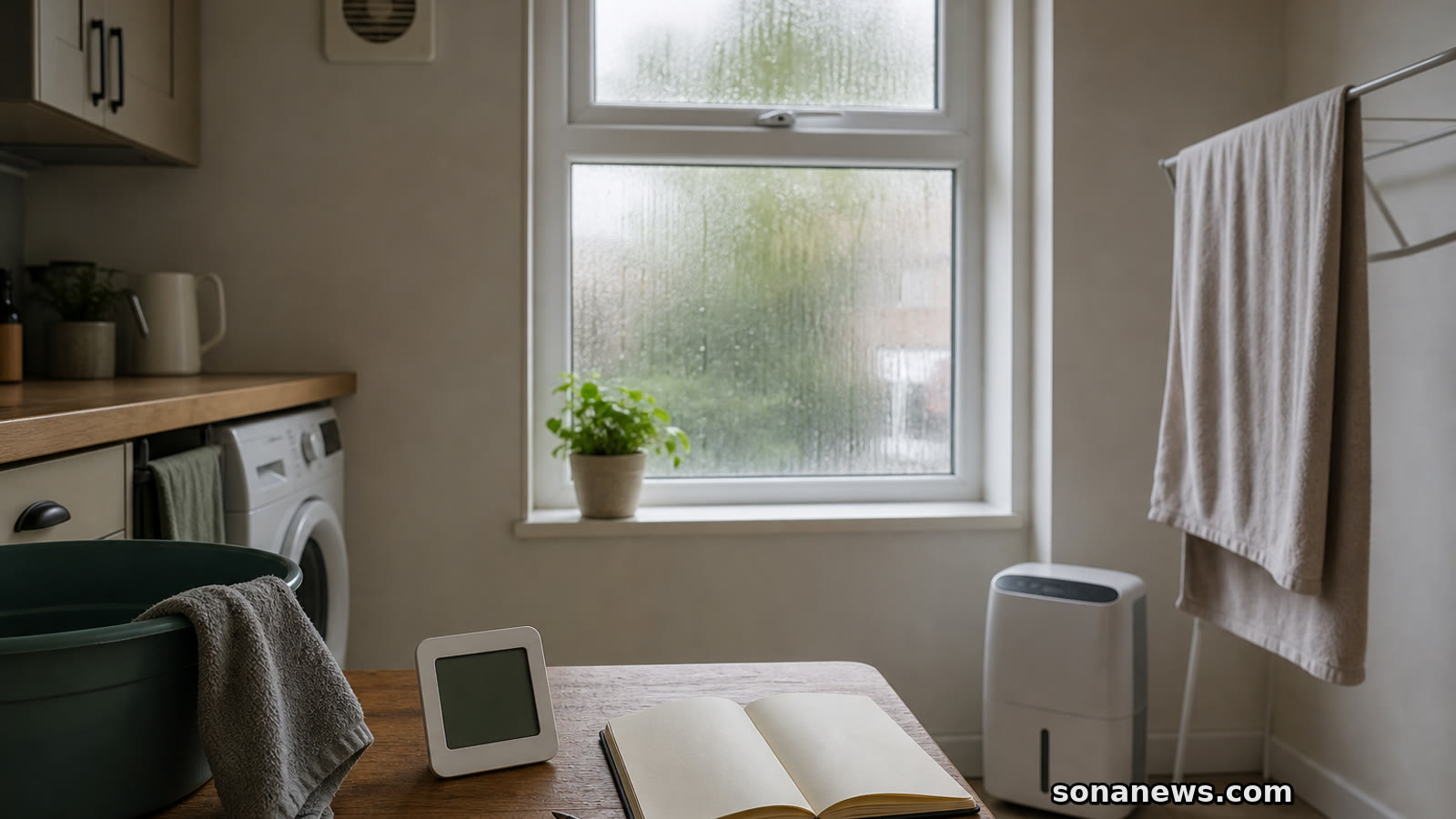

Condensation has a way of making a home feel accused. A wet window. A musty corner. A bathroom fan that sounds busy but seems to leave the mirror wet anyway. The obvious response is often a machine. The better response starts earlier: find where the water is coming from, move wet air outside, and make the appliance part of the plan rather than the plan itself.
That is the practical thread running through several current official guidance pages on damp, mould and home moisture. EPA's moisture guidance, last updated in February 2026, lists the ordinary ways water builds up indoors: plumbing leaks, seepage through basement floors, showers, cooking, indoor drying of clothes, plants, humidifiers and some heaters. None of that is exotic. It is the daily life of a home, plus whatever the building is failing to handle.
The distinction matters because damp rooms are often talked about as if they are a housekeeping confession. GOV.UK's April 2026 guidance for England is unusually direct on that point. It says it is unreasonable to blame damp and mould in the home on "lifestyle choices" and says the fundamental cause will be building deficiencies, inadequate ventilation, inadequate heating or poor energy efficiency, not normal domestic activity. That does not make habits irrelevant. It means the answer cannot be a lecture about opening a window while a leak, blocked vent or cold surface stays untouched.
EPA's short version is less political and just as blunt: the key to mould control is moisture control. If mould is present, the agency says the mould must be cleaned up and the water problem fixed, because cleaning without fixing the water source means the problem will probably return. It also says water-damaged areas and items should be dried within 24 to 48 hours to help prevent mould growth. That window is easy to miss after a leak, a storm, a broken appliance hose or a slow drip under a sink.
A dehumidifier can help, especially in hot, humid climates or rooms where moisture lingers. But official buying guidance makes it a sized tool, not a magic box. ENERGY STAR says dehumidifier capacity is usually measured in pints per 24 hours and depends on both the size of the space and how damp it is before dehumidification. A room that feels slightly damp is not the same load as a wet basement wall or seepage on a floor. Its dehumidifier page also notes that certified models use more efficient coils, compressors and fans and are 20% more efficient than non-certified models.
There are small catches. A bucket model only works if someone empties it, while a hose or drain setup has to be routed safely. ENERGY STAR notes that colder spaces may need a model rated for lower-temperature operation because frost can form on coils below 65°F. EPA adds the maintenance warning that tends to be forgotten after the purchase: dehumidifiers and air conditioners can reduce moisture, but the appliances themselves should not become sources of biological pollutants.
Humidity control also goes the other way. EPA's 2026 humidifier guidance says portable humidifier tanks should be emptied, wiped dry and refilled daily, and that users should not humidify indoor air above 50% relative humidity. That is useful because the home conversation often splits into separate gadget tribes: humidifier in winter, dehumidifier in summer, air conditioner in heat. The damp room does not care which product created the conditions. It cares about water, airflow and cold surfaces.
The least glamorous advice may be the most useful. EPA says bathroom and kitchen exhaust fans should remove moisture to the outside, not into an attic. Clothes dryers should vent outside. Crawlspaces may need ground moisture control and ventilation. Cold surfaces may need insulation, storm windows, better circulation or furniture moved away from corners. Carpet on concrete deserves suspicion in some climates because it can absorb moisture and support biological growth.
For renters, the paper trail matters as much as the towel on the windowsill. GOV.UK's guidance is written partly for landlords and housing providers, but its framing is useful for anyone trying to describe a damp problem without being dismissed. Where is the moisture? When does it appear? Is there a leak, a cold wall, a failed fan, a blocked vent, a heating problem or a recurring patch after cleaning? A hygrometer reading, dated photos and a written repair request can turn a vague complaint into a clearer record. That is not legal advice. It is the difference between "the room feels bad" and "this is what keeps happening".
The consumer trap is buying first and diagnosing later. A bigger dehumidifier might make a wet room feel temporarily better. It might also mask the leak long enough for damage to spread. A scented cleaner might make a corner smell less musty. It does not remove dampness from a wall. A fan may move air, but a fan venting into the wrong place can simply relocate the moisture.
The sensible damp-room plan is dull, which is probably why it works. Look for water. Move moisture outside. Dry wet materials quickly. Keep appliances clean. Size the dehumidifier to the actual space if one is needed. And treat mould that keeps returning as evidence that the source has not been solved, not as proof that someone failed to wipe hard enough.
Editorial note. This article is general home and indoor-environment information. It is not medical, structural, electrical, legal or landlord-tenant advice. If damp, mould, flooding, illness, wiring, contaminated water or a housing dispute is involved, use local official guidance and qualified professional advice for the specific home.
Sources
- Source: "What are the main ways to control moisture in your home?", Extracted 2026-06-11. Verified: EPA last updated the page on February 18, 2026; sources of household moisture include leaks, seepage, showers, cooking, clothes drying, plants, humidifiers and some heaters; bathroom and kitchen exhaust fans and clothes dryers should vent outside; dehumidifiers and air conditioners can reduce moisture but must be maintained
- Source: "A Brief Guide to Mold, Moisture and Your Home", Extracted 2026-06-11. Verified: EPA says the key to mold control is moisture control; mold cleanup should be paired with fixing the water problem; water-damaged areas and items should be dried within 24 to 48 hours; EPA does not regulate mold or mold spores in indoor air
- Source: "Dehumidifiers", Extracted 2026-06-11. Verified: ENERGY STAR says certified dehumidifiers are 20% more efficient than non-certified models; capacity is measured in pints per 24 hours; capacity depends on space size and dampness before dehumidification; below 65°F frost can affect coils
- Source: "Understanding and addressing the health risks of damp and mould in the home", Extracted 2026-06-11. Verified: GOV.UK guidance applies to England and was updated on April 1, 2026; damp and mould primarily affect airways and lungs; guidance says it is unreasonable to blame damp and mould on lifestyle choices and points to building deficiencies, inadequate ventilation, inadequate heating and poor energy efficiency
- Source: "Use and Care of Home Humidifiers", Extracted 2026-06-11. Verified: EPA last updated the page on April 29, 2026; portable humidifiers should be emptied, wiped dry and refilled daily; indoor relative humidity should not exceed 50%; cleaning and rinsing guidance is intended to reduce microbial growth and chemical release into the air
Help us improve
Was this article useful?
One anonymous tap helps Sona improve future reporting, headlines and source context.
Up next
A gold-coloured lamp has been recalled because its plug can overheat. With no model or serial identifier published, the order record matters more than a visual match.
Continue readingMore in Home & Living