The contactless card limit is becoming a bank setting
The £100 contactless cap is no longer a fixed UK regulatory ceiling. The practical story is slower: banks, terminals, fraud controls and customer settings now matter.
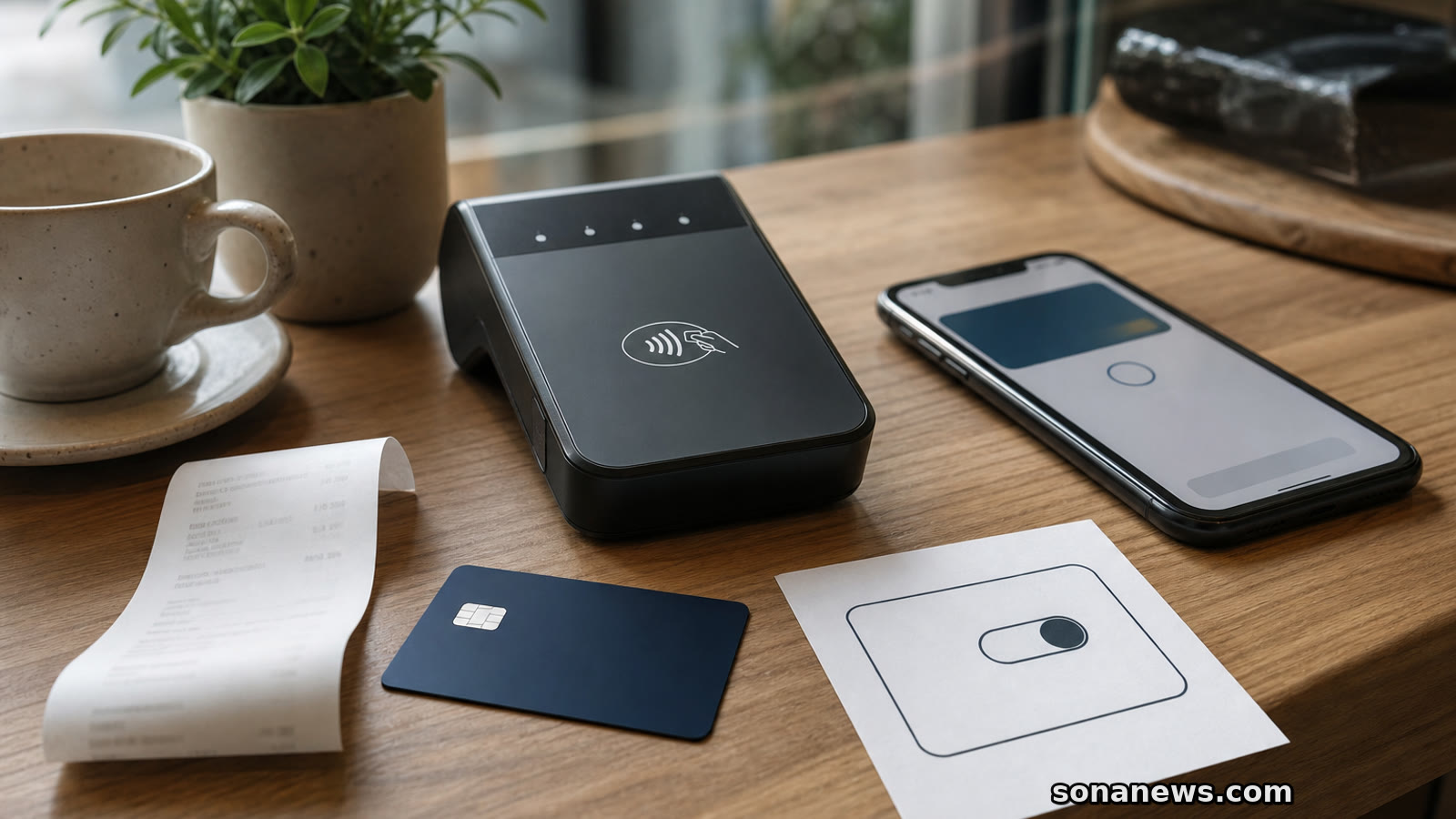

The most important thing about the UK contactless card limit is not that every checkout suddenly changes. It is that the old national ceiling is no longer the whole rule. Since 19 March 2026, the Financial Conduct Authority has allowed banks and other payment providers with strong fraud controls to take a more flexible approach to contactless card payments.
That sounds like a small payments industry adjustment. In daily life, it touches a habit that has become almost automatic. A card is tapped, the terminal chirps, and the purchase disappears into a banking app later. The fixed £100 contactless card limit gave that ritual a clear boundary. Now the boundary can become more like a setting: shaped by a provider's risk controls, the retailer's terminal, industry rules and, in some cases, the customer's own preferences.
The change does not mean the £100 figure vanishes from every till. UK Finance says most consumers are unlikely to see immediate changes. Many banks are expected to keep existing card limits for now, and separate updates to payment terminals and industry rules would be needed before higher contactless card payments can be processed widely. The difference between permission and practical availability is the quiet hinge of this story.
There is also a distinction between cards and phones. The FCA change is about contactless card payments. Mobile wallet payments, such as payments authenticated by a face scan or fingerprint, have already worked differently because the device verifies the user. A higher-value phone payment is not just a card tap by another name; it carries a different authentication step.
Why does any of this matter? Because contactless is no longer a novelty. UK Finance describes it as the UK's most popular way to pay. Its December 2025 data said contactless accounted for 67% of credit card transactions and 76% of debit card transactions, with an average contactless payment value just under £18. In 2025, UK Finance recorded 19.2 billion contactless debit and credit card payments worth £311 billion.
Those numbers explain why a rule change can be both technical and human. A single national limit is simple to understand, but it is blunt. A risk-based system may allow more convenience at some checkouts and more targeted controls behind the scenes. It may also make the bank's own communication more important. The FCA said firms making changes must clearly communicate them to customers under the Consumer Duty, and it has encouraged firms to let people set their own contactless limit or turn contactless off altogether.
The fraud question is the part that needs the least hype and the most precision. The FCA says existing consumer protections remain in place, including reimbursement in unauthorised fraud cases such as a lost or stolen card being used. That is important, but it is not a promise that every payment dispute is simple. A stolen-card transaction, an authorised scam, a budgeting regret and a mistaken purchase are different problems. Raising or personalising a contactless limit does not erase those distinctions.
The case for flexibility is straightforward: fewer PIN prompts, faster hospitality and retail queues, and rules that can adapt as prices and technology change. The case for friction is also real. A PIN prompt can be annoying, but it can also interrupt a careless or risky moment. The regulator's move does not settle that tension. It moves more of the decision from a fixed rule into the systems and settings around the card.
That is why the public reaction matters. BBC News reported that 78% of consumers who responded to the FCA consultation did not want a change to current contactless limits. The same coverage noted worries about overspending and financial abuse. Those concerns do not make the reform automatically wrong, but they do show why the setting layer matters. A flexible limit is only consumer-friendly if it is understandable, visible and reversible.
For households, the useful distinction is between three separate questions. What does regulation now permit? What has a particular bank or payment provider actually changed? What can the payment terminal in front of the customer process? The answer may be different for a plastic card, a phone wallet, a credit card and a debit card.
The contactless limit story, then, is not a clean before-and-after moment. It is a shift in where control sits. The £100 cap once acted as a national shorthand. The next version depends on provider judgement, fraud monitoring, clear notices and customer controls that are easy enough to find before something goes wrong.
Editorial note. This article is for general information only and is not personal financial advice. Sona News does not know your circumstances. Consider regulated professional advice, a qualified financial service or free debt guidance before making decisions about cards, payments, complaints, borrowing, debt or household finances.
Sources
- Source: "Greater flexibility to be given for setting future contactless limits", FCA, Extracted 2026-06-14. Verified: FCA rule change, March 2026 timing, flexibility for banks and payment providers with strong fraud controls, consumer-control encouragement, communication expectations and unauthorised fraud reimbursement statement
- Source: "CP25/24: Quarterly consultation paper No. 49", FCA, Extracted 2026-06-14. Verified: consultation on removing regulatory contactless limits and allowing payment service providers to deliver contactless payments where transactions pose a low level of risk
- Source: "Contactless cards information", UK Finance, Extracted 2026-06-14. Verified: 19 March 2026 implementation date, current £100 and background PIN-check limits, expectation of little immediate consumer change, terminal and industry-rule constraints, mobile wallet distinction and 2025 contactless usage figures
- Source: "£100 contactless card limit to be lifted from March", BBC News, Extracted 2026-06-14. Verified: mainstream reporting of the FCA decision, consumer consultation response figure, concerns about overspending and financial abuse, and background on the UK contactless limit history
- Source: "Get on Discover", Google Search Central, Extracted 2026-06-14. Verified: Discover eligibility depends on indexability and policy compliance; large relevant images should be at least 1200px wide and supported by max-image-preview:large
Help us improve
Was this article useful?
One anonymous tap helps Sona improve future reporting, headlines and source context.
Up next

From September 2026, HMRC is signing up some UK sole traders and landlords who missed Making Tax Digital enrolment. The confirmation starts a software and records process; it does not complete it.
Continue readingMore in Money