The backup generator plan belongs outside the house
Storm-season backup power can feel like a practical home upgrade, but official warnings say the safety plan starts with distance, alarms and a place to run it.
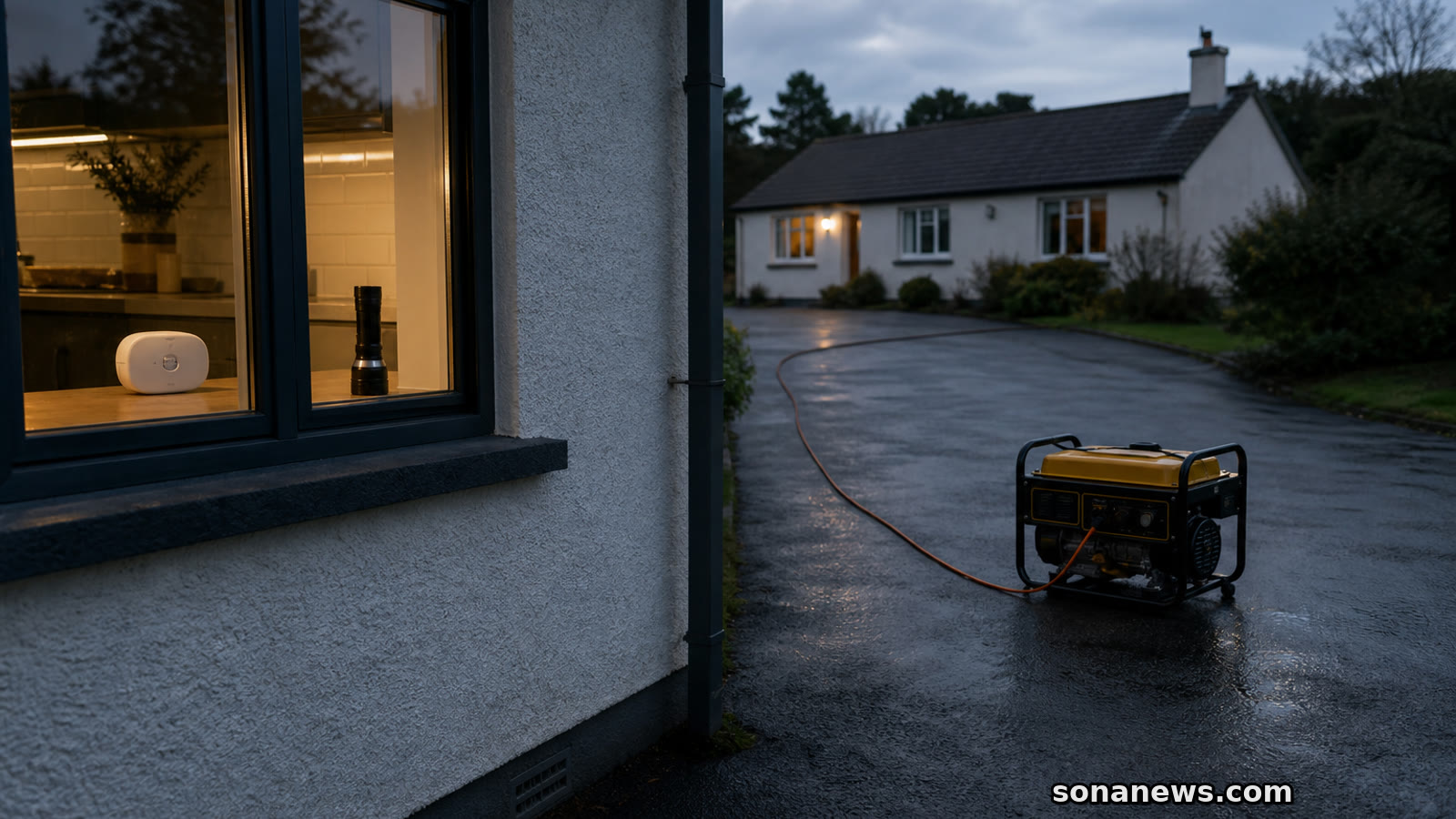

A backup generator can make a power cut feel manageable. The fridge may keep running, a phone can charge and a household does not have to treat every outage as a small domestic crisis. That usefulness is exactly why the generator belongs in the plan before the storm, not in a panicked improvisation after the lights go out.
The U.S. Consumer Product Safety Commission made that point in its May 27 warning ahead of the 2026 Atlantic hurricane season. Its list of post-storm hazards is broader than wind and rain: carbon monoxide poisoning from portable generators, fires, gas leaks, electric shock, wet appliances, unsafe charcoal use and candles. In other words, the home can become more dangerous after the weather has passed, when people are tired, hot and trying to restore ordinary life.
NOAA's 2026 Atlantic outlook gives the season a 55% chance of being below normal, with a 70% likely range of 8-14 named storms, 3-6 hurricanes and 1-3 major hurricanes. That quieter forecast is useful context, not permission to ignore the small print. NOAA also says the seasonal outlook is not a landfall forecast, and that one storm can still make for a bad season. For a household, the more useful question is not how dramatic the basin statistics look. It is where a generator would actually sit if the power failed.
The safety issue is invisible by design. Carbon monoxide has no colour or smell. CDC's generator safety fact sheet describes portable backup generators as a source of poisonous carbon monoxide that can kill without warning. CPSC's carbon monoxide centre says more than 200 people in the United States die each year from accidental, non-fire carbon monoxide poisoning linked to consumer products, and more than 100 of those deaths are linked to portable generators.
That does not mean a generator is a bad purchase. It means the safe part is mostly geography and discipline. CPSC says portable generators should never be used inside homes, garages, basements, crawlspaces, sheds or other enclosed areas, even with doors or windows open. The agency says they belong outdoors only, at least 20 feet from homes and buildings, with exhaust directed away from windows, doors and vents. Ready.gov gives the same broad rule for power outages: generators, camp stoves and charcoal grills are outdoor equipment, not indoor backups.
The inside half of the plan is quieter but just as important. CPSC tells households to install working carbon monoxide alarms and smoke alarms on every level of the home, with CO alarms outside sleeping areas and smoke alarms inside bedrooms. Battery operation or battery backup matters because an outage is the moment when a mains-only alarm may be least useful. Interconnected alarms are described as best because one alarm sounding can make the others sound too.
There is also a product-design detail that is easy to miss in the aisle or online listing. CPSC says shoppers can look for portable generators with carbon monoxide shut-off safety features certified to the latest PGMA G300-2023 and UL 2201-2023 standards. The shut-off is meant to stop the generator when dangerous CO levels build nearby, and UL 2201 certified models also reduce CO emissions. That is a safety layer, not a licence to run a generator in a garage, under a porch or near an open window.
A practical generator plan therefore looks less like buying a heroic machine and more like drawing a boring map. Where is the dry, open, outdoor spot that is far enough from the building? Which windows and vents are nearby? Can the exhaust point away from the house? Are the alarms installed, powered and tested? Where is the manual? Which extension cords match the equipment instructions? Who in the household knows that a sounding CO alarm is not a nuisance to silence, but a cue to get outside and call emergency services?
The same CPSC warning folds in other storm habits that belong beside the generator note. Charcoal should not come indoors. Candles are a last choice when flashlights or battery candles are available. Wet appliances should not be touched while still plugged in, and flooded electrical or gas components belong in the hands of qualified professionals or utilities before use resumes. None of this is glamorous preparedness. It is the part that stops a weather emergency from becoming a household product emergency.
Renters and apartment dwellers have their own version of the same issue. A personal generator may be impossible or unsafe in many buildings, especially around balconies, corridors and shared air intakes. Shared housing needs management rules, building instructions and official emergency advice rather than private improvisation. The core principle is still the same: exhaust does not respect the boundary between one household and another.
Backup power is sold as convenience, but its first question is safety. The generator that seems useful after a storm needs a place, a distance, a direction and alarms before the outage arrives. The machine may sit in the garage while life is normal. The plan should not.
Editorial note. This article is general home-safety information, not medical, electrical, fire, legal or emergency advice. For a specific storm, building, generator, gas appliance, alarm or electrical setup, follow official notices, local emergency instructions, manufacturer guidance and qualified professional advice. If a carbon monoxide alarm sounds or carbon monoxide poisoning is suspected, get to fresh air and contact emergency services.
Sources
- Source: "CPSC Warns of Generator, Carbon Monoxide and Fire Hazards Ahead of Hurricane Season", Extracted 2026-06-13. Verified: release date May 27, 2026; hurricane-season context; listed post-storm hazards; generator placement at least 20 feet outdoors with exhaust directed away; alarm guidance; PGMA G300-2023 and UL 2201-2023 safety-feature references; wet-appliance, charcoal, candle and gas-leak cautions
- Source: "NOAA predicts below-normal 2026 Atlantic hurricane season", Extracted 2026-06-13. Verified: 55% below-normal, 35% near-normal and 10% above-normal probabilities; 8-14 named storms, 3-6 hurricanes and 1-3 major hurricanes; 70% confidence range; season dates June 1-November 30; outlook is not a landfall forecast and one storm can still be serious
- Source: "Generator Safety Fact Sheet", Extracted 2026-06-13. Verified: CDC describes portable backup generators as sources of poisonous carbon monoxide, an odorless and colorless gas that can kill without warning; page date April 11, 2024
- Source: "Carbon Monoxide", Extracted 2026-06-13. Verified: CPSC says more than 200 U.S. deaths each year involve accidental non-fire CO poisoning associated with consumer products, more than 100 linked to portable generators; placement and alarm guidance; symptoms and emergency response framing
- Source: "Power Outages", Extracted 2026-06-13. Verified: page updated June 4, 2026; generators, camp stoves and charcoal grills should be used outdoors and at least 20 feet away from windows; CO detectors with battery backup; no gas stove or oven for home heating; dry-generator and refuelling cautions; medical-device and refrigerated-medicine planning
Help us improve
Was this article useful?
One anonymous tap helps Sona improve future reporting, headlines and source context.
Up next
A gold-coloured lamp has been recalled because its plug can overheat. With no model or serial identifier published, the order record matters more than a visual match.
Continue readingMore in Home & Living