The ten-second euro transfer now has a name check
Instant euro payments have made bank transfers faster, but the quieter consumer change is the free payee check that appears before money moves.
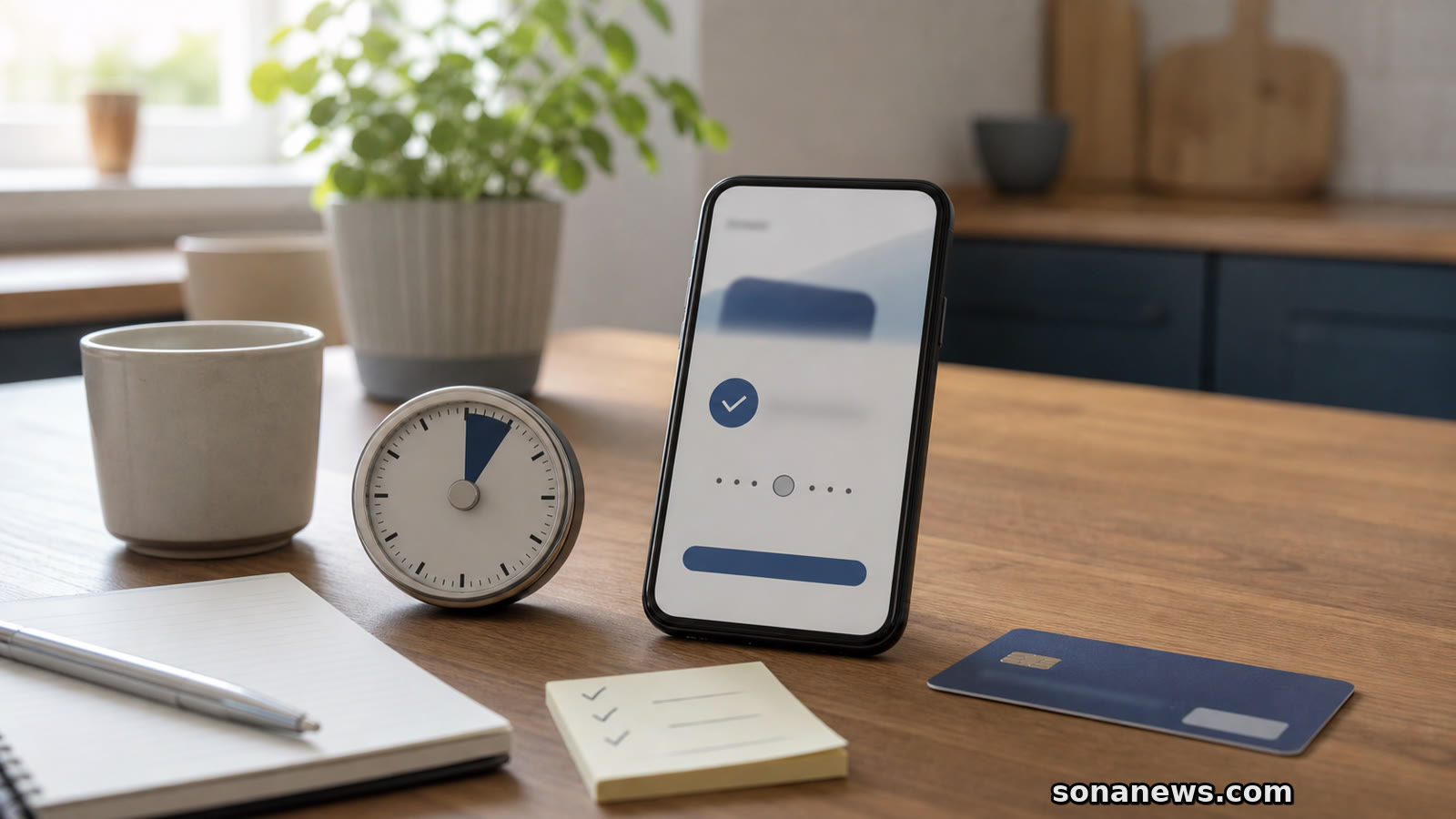

A bank transfer used to have one small virtue: it was rarely theatrical. Money often moved slowly enough for the payment to feel administrative, not instant. The European Union has now pushed euro transfers into a different rhythm. In the euro area, the ordinary account-to-account transfer is increasingly a ten-second event, available at weekends, overnight and across borders.
That sounds like a convenience story. The more interesting consumer detail is the pause that has been put in front of the speed.
Under the EU instant payments rules, payment service providers in the euro area have had to let customers receive instant euro credit transfers since January 2025 and send them since 9 October 2025. The European Commission says these transfers can be made within seconds, around the clock and across every eurozone country. Banks and other payment providers cannot charge more for an instant transfer than for a comparable standard transfer.
The rulebook is not only about moving money faster. It also requires free Verification of Payee, a name check before a transfer is authorised. In plain terms, the provider checks whether the recipient name entered by the payer matches the account identifier, usually an IBAN. The European Central Bank describes the possible results as a match, a close match, no match or other. That answer appears before the payment is initiated.
This matters because instant payment design changes the cost of a mistake. A mistyped account detail, a copied scam instruction or a false sense of urgency can become harder to unwind when the money arrives in seconds. A name check does not make a transfer risk-free. It does make the moment of risk more visible. A mismatch is no longer hidden until after the payment has left the account.
The boundaries are important. The EU regulation covers credit transfers denominated in euro within the European Union, not every card payment, wallet transaction or transfer in Europe. The ECB timeline also shows later dates for non-euro area member states, with receiving, sending and payee-verification obligations phased in from 2027 for many providers outside the euro area. This is a staged payments infrastructure change, not a single switch for every European account.
Nor is the name check a fraud cure. Criminals can still pressure people to ignore warnings. Names can be entered in slightly different ways. A close match can require judgement. A match confirms that the stated payee and account details fit closely enough according to the provider's process, not that the purpose of the payment is safe, fair or sensible. The check is a guardrail, not a guarantee.
For households, the change may be most noticeable in ordinary moments: splitting a bill, paying rent, sending money to family, settling an invoice from a tradesperson or moving funds between accounts. The transfer itself becomes less of an event. The confirmation screen becomes more important, because it has to carry both speed and doubt. It is the point where the system says whether the details appear to belong together.
For small businesses and charities, the same logic is practical rather than dramatic. Faster settlement can help cash flow. It can also compress the time available to spot a wrong beneficiary. The European Payments Council's Verification of Payee scheme rulebook, which entered into force on 5 October 2025, was designed to help payment providers meet the EU obligations four days later. That timing shows how much of the consumer experience depends on plumbing that most people never see.
There is also a competition angle. The Commission says the rules allow payment and e-money institutions to participate directly in payment systems, which could help them provide services more efficiently. That may matter over time for banks, wallets and payment apps. But the immediate reader-facing story is more basic: faster payments are becoming the default expectation, and the safety interface has to keep up.
The UK's Confirmation of Payee system and similar tools in the Netherlands already showed the shape of this idea. The EU version now puts payee verification into the broader euro payments rulebook. It is a modest intervention, but a revealing one. Regulators are not treating speed as an unqualified good. They are trying to pair it with a visible check at the exact point where a mistake becomes expensive.
The practical conclusion is deliberately sober. Instant does not mean careless. A ten-second transfer can be useful, especially when money really needs to arrive quickly. But the more durable change is cultural: the payment screen is no longer just a button to make money move. It is becoming a place where the system is expected to ask one final, awkward question before speed takes over.
Editorial note. This article is for general information only and is not personal financial, legal, regulatory, debt or fraud-prevention advice. Sona News does not know any reader's circumstances. For decisions about payments, banking, complaints, scams, borrowing, saving or financial products, use official guidance, regulated providers, free money guidance services or a qualified adviser where appropriate.
Sources
- Source: "New EU rules make instant euro payments faster and safer", European Commission, Extracted 2026-06-20. Verified: from 9 October 2025 euro area users can send instant euro payments within seconds, 24/7, across the eurozone; receiving was already required from January 2025; fees cannot exceed comparable standard transfers; payee verification must be free
- Source: "Instant Payments Regulation", European Central Bank, Extracted 2026-06-20. Verified: regulation scope, euro credit transfers within the EU, implementation deadlines, equality of charges, Verification of Payee results and later non-euro area deadlines
- Source: "Regulation (EU) 2024/886", EUR-Lex, Extracted 2026-06-20. Verified: legal title, in-force status, amendments to SEPA, cross-border payments, PSD2 and settlement finality frameworks, and the 24-hour, every-calendar-day instant credit transfer definition
- Source: "The Verification Of Payee scheme rulebook now into force", European Payments Council, Extracted 2026-06-20. Verified: EPC rulebook entered into force on 5 October 2025 and supports PSP compliance with EU Instant Payments Regulation obligations effective 9 October 2025 for eurozone PSPs
Help us improve
Was this article useful?
One anonymous tap helps Sona improve future reporting, headlines and source context.
Up next

From September 2026, HMRC is signing up some UK sole traders and landlords who missed Making Tax Digital enrolment. The confirmation starts a software and records process; it does not complete it.
Continue readingMore in Money