The 48-hour intimate-image takedown clock is now a platform design problem
The US Take It Down Act turns non-consensual intimate-image reports into a deadline, pushing apps to build clearer request flows, hashing and duplicate-copy checks.
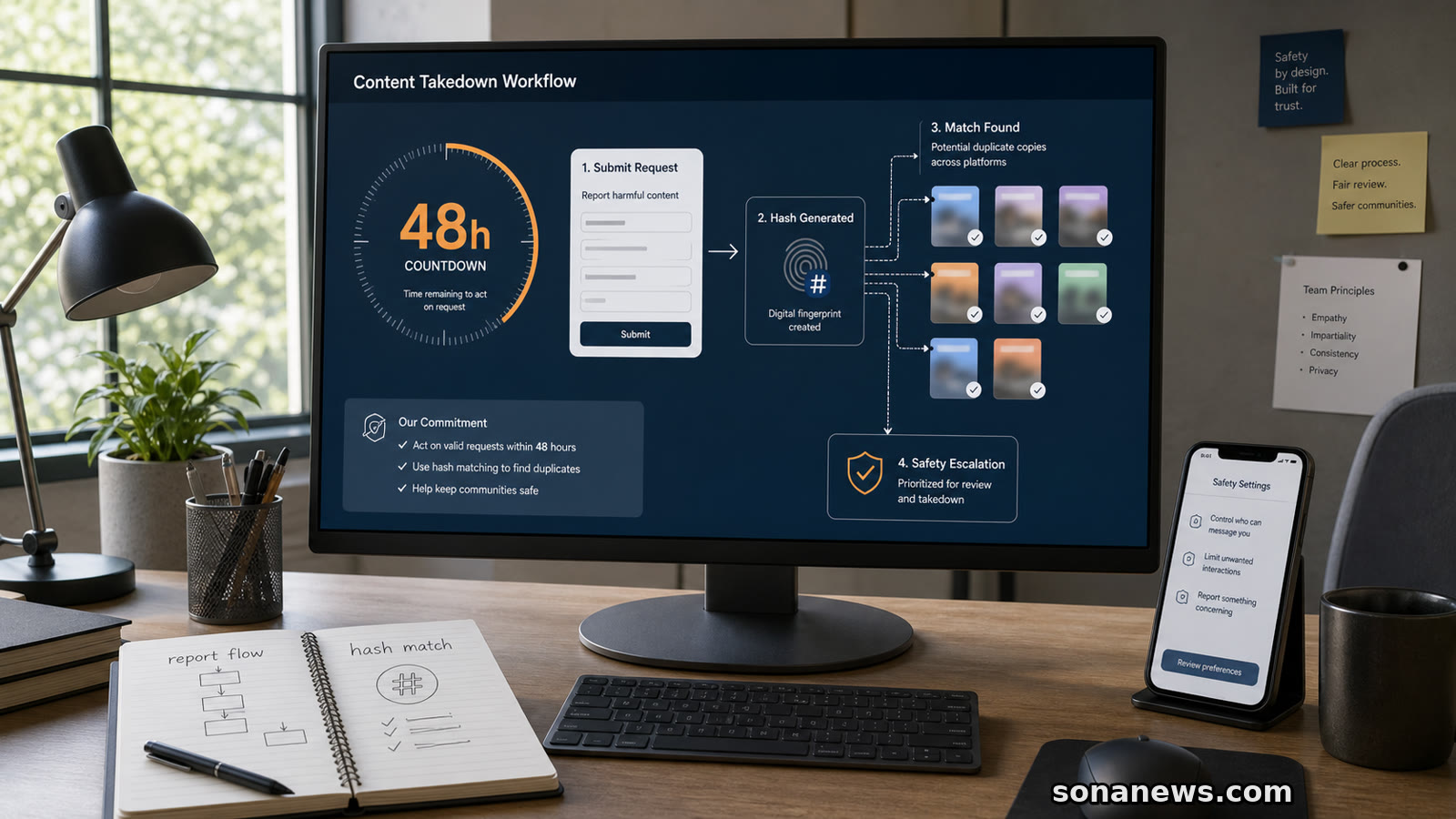

The most important technology deadline in the US Take It Down Act is not a launch event or a new app feature. It is a clock. From 19 May 2026, the Federal Trade Commission says covered platforms must give people a way to request the removal of intimate photos or videos shared online without consent, then remove a validly reported image and known identical copies within 48 hours.
That turns a painful and often chaotic reporting problem into something more operational. A platform cannot handle this as a vague safety pledge hidden in a help centre. If it falls within the law’s scope, it needs a request process that people can find, a review route that works under time pressure, and a way to stop the same file reappearing after the first removal.
The FTC’s business guidance describes a broad range of covered platforms, including social media, messaging, image and video sharing, gaming, and other online services built around user-generated content. The agency’s press release said it had reminded major platforms of the May 2026 obligation, naming companies including Alphabet, Apple, Discord, Meta, Microsoft, Reddit, Snapchat, TikTok and X. The point is not that every service on the internet now has the same duty. It is that mainstream platforms are being pushed to make removal of non-consensual intimate imagery a designed workflow rather than an improvised inbox.
The law also matters because it explicitly includes digital forgeries. The public law defines a digital forgery as an intimate visual depiction of an identifiable person created through software, machine learning, artificial intelligence or other technological means, where the result is indistinguishable from an authentic depiction to a reasonable person. In other words, the reporting system has to be ready for AI-generated abuse as well as images that started as real photos or videos.
That is a design problem before it is a public-relations problem. A workable flow needs plain-language reporting, enough information for a reviewer to identify the material, internal deadlines, escalation rules, a decision record and communication back to the person making the request. The FTC guidance also encourages platforms to explain whether reported content was removed and, if not, why. Those details sound bureaucratic until the clock is running. Then they become the difference between a visible safety route and another dead end.
The harder part is the phrase “known identical copies”. Removing one URL is not enough if the same file is already moving through reposts, mirrors, private groups or neighbouring apps. The FTC points platforms toward hashing, a technique that gives a file a kind of digital fingerprint so matching copies can be detected. Its guidance specifically mentions sharing hashes with the National Center for Missing and Exploited Children’s Take It Down service where material involves minors, and with StopNCII.org where images or videos involve people aged 18 and older.
Those services show what the wider architecture can look like without turning the article into a technical manual. NCMEC’s Take It Down says it helps remove or stop sharing of nude, partially nude or sexually explicit images or videos taken when a person was under 18, and that the image or video does not have to leave the device because a hash value is supplied. StopNCII.org describes a similar device-side hashing model for adults, operated by the Revenge Porn Helpline and SWGfL, with participating companies using the hash to help detect and remove matches.
Hashing is not magic. It depends on platform participation, file matching, policy handling and careful privacy design. It may not address every altered copy, every private channel or every service outside a participating network. But it changes the shape of the problem. The issue is no longer only whether a moderator can judge one report. It is whether a platform can recognise the same harm trying to travel again.
There are also legal and safety caveats. The Act is not a general internet cleanup law for every cruel post or abusive message. It focuses on defined intimate visual depictions, including certain digital forgeries, and on covered platforms. Valid requests, identity, consent, context and duplicate detection all need careful handling. A rushed system can fail victims by being too slow, but it can also create fairness problems if reviews are sloppy, opaque or easy to weaponise.
For ordinary users, the practical effect may be quieter than the law’s title. It may look like a clearer report button, a better explanation of what evidence a platform needs, a confirmation message, or a notice that matching copies have been checked. It may also mean that smaller platforms copy the safety pattern because app stores, advertisers, insurers or users start to expect it, even where the legal analysis is less straightforward.
For platforms, the useful lesson is that trust and safety is becoming product infrastructure. A policy page can promise that abuse is not allowed. A support team can say that reports are taken seriously. The new pressure is different: show where the report enters the system, show that the deadline is tracked, show that duplicate copies are searched for, and show that the process can be audited.
That will not remove the distress from this form of abuse. It will not make every platform safe, and it will not replace specialist support for people affected by intimate-image exploitation. But it does make one thing harder to defend: a service that profits from user-generated content while handling urgent image-removal requests as a slow, informal favour. The 48-hour clock is now part of the product.
Editorial note. This article is general technology, safety and public policy information. It is not legal advice, platform compliance advice, personal safety advice or crisis support. People affected by intimate-image abuse may need qualified legal, safety or victim-support help in their jurisdiction.
Sources
- Source: Federal Trade Commission, "Complying With the Take It Down Act", Extracted 2026-06-26. Verified: Section 3 enforcement effective 19 May 2026, covered platforms must establish a removal process, valid requests require removal of content and known identical copies within 48 hours, broad examples of covered services, guidance on plain-language processes, hashing, NCMEC Take It Down, StopNCII.org and FTC enforcement
- Source: Federal Trade Commission, "FTC Begins Enforcing the TAKE IT DOWN Act", Extracted 2026-06-26. Verified: FTC enforcement start, launch of TakeItDown.ftc.gov for complaints about platforms that fail to act on valid requests or lack a process, and letters to major platforms reminding them of the 19 May 2026 compliance obligation
- Source: Public Law 119-12, TAKE IT DOWN Act, Extracted 2026-06-26. Verified: statutory title, requirement for covered platforms to establish a process within one year of enactment, 48-hour removal timeline, consent rules, and definition of digital forgery involving software, machine learning, artificial intelligence or other technological means
- Source: National Center for Missing & Exploited Children, "Take It Down", Extracted 2026-06-26. Verified: service scope for images or videos taken when a person was under 18, public or unencrypted participating platforms, anonymous use, and hash-value approach without sending the image or video to NCMEC
- Source: StopNCII.org, "Stop Non-Consensual Intimate Image Abuse", Extracted 2026-06-26. Verified: free tool operated by the Revenge Porn Helpline and SWGfL for adults, device-side hashing, participating companies, privacy claims, and use of hashes to help detect and remove matching images
Help us improve
Was this article useful?
One anonymous tap helps Sona improve future reporting, headlines and source context.
Up next

The coming Android 16 feature lets Gemini save where you say you left keys or a passport. That can be useful, but it only knows the location you entered.
Continue readingMore in Tech