A football win tracked into the next day. The watch party was messier
A preregistered study of 842 people across five European countries linked wins with higher next-day life satisfaction and work motivation. Watching with others was not linked to life satisfaction, and the study does not prove a lasting lift.


The whistle goes, the screen changes and the room begins to empty. Yet a match does not necessarily end where the broadcast does. The result can follow a supporter into the next day, into an assessment of life generally and even into the question of how ready they feel for work.
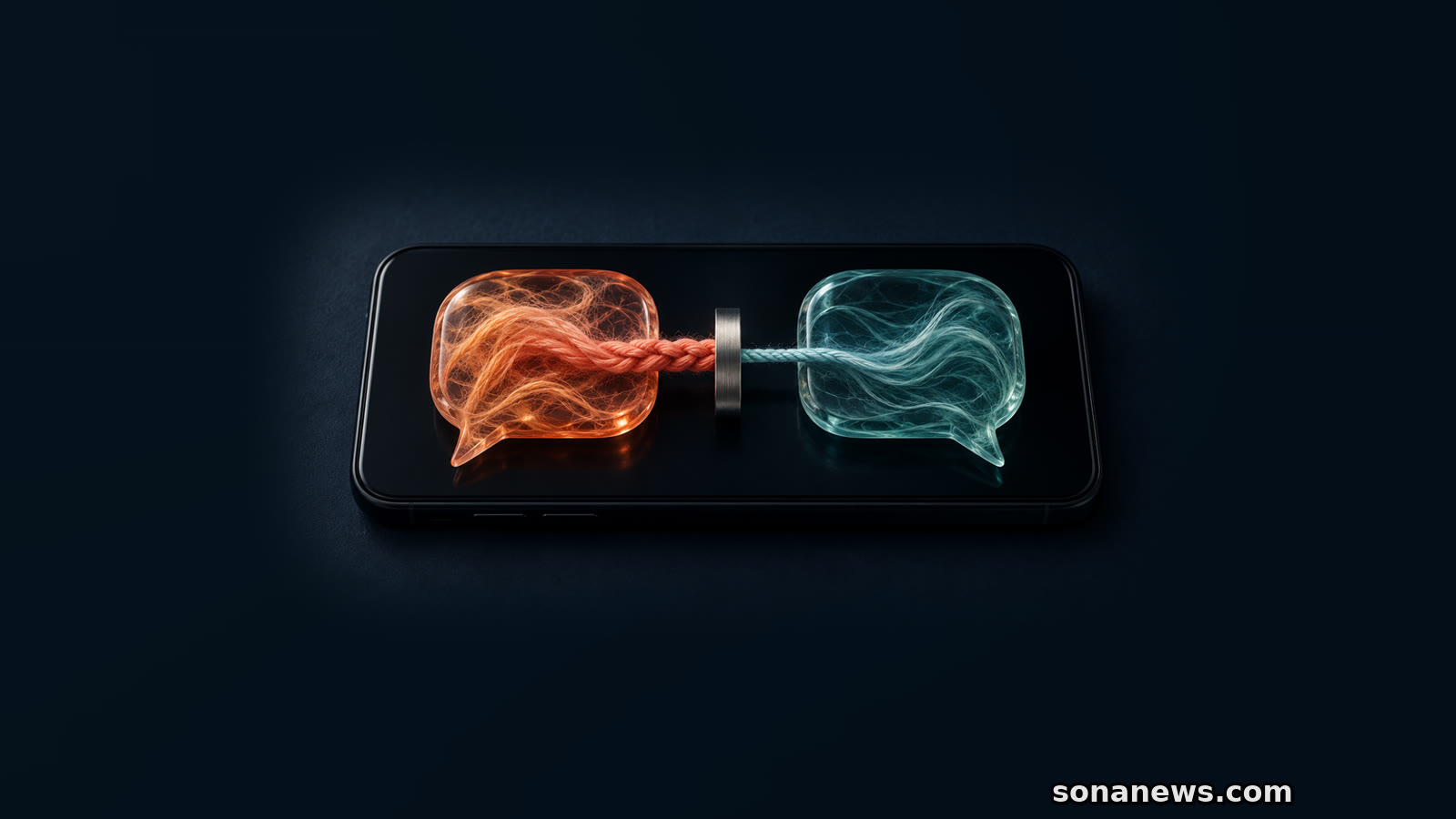
A paper published online by the British Journal of Social Psychology on 7 August examined that spillover during the men's UEFA EURO 2024 tournament. Its preregistered analysis included 842 spectators and 2,414 post-match responses across England, Germany, Italy, the Netherlands and Poland. National-team wins were associated with higher life satisfaction and work motivation when people answered the following day.
The more surprising finding concerned company. Watching with other people, rather than alone, was not associated with life satisfaction. It was associated with lower work motivation, but the statistical model attributed that relationship to alcohol consumption reported around the match.
This is not evidence that a shared match is bad for work, or that solitary viewing is better for wellbeing. It is a narrower observation from one tournament and one self-report sample. The paper measured associations in a naturally occurring competition. Researchers did not assign people to a win or loss, control who sat beside them, or determine what they drank.
The study is useful because it separated two experiences that sports culture often folds together: the outcome on the pitch and the social ritual around it. A crowded sofa, pub table or fan zone can feel like the essence of a tournament. In this analysis, however, the win or loss was the part that tracked with the two next-day outcomes.
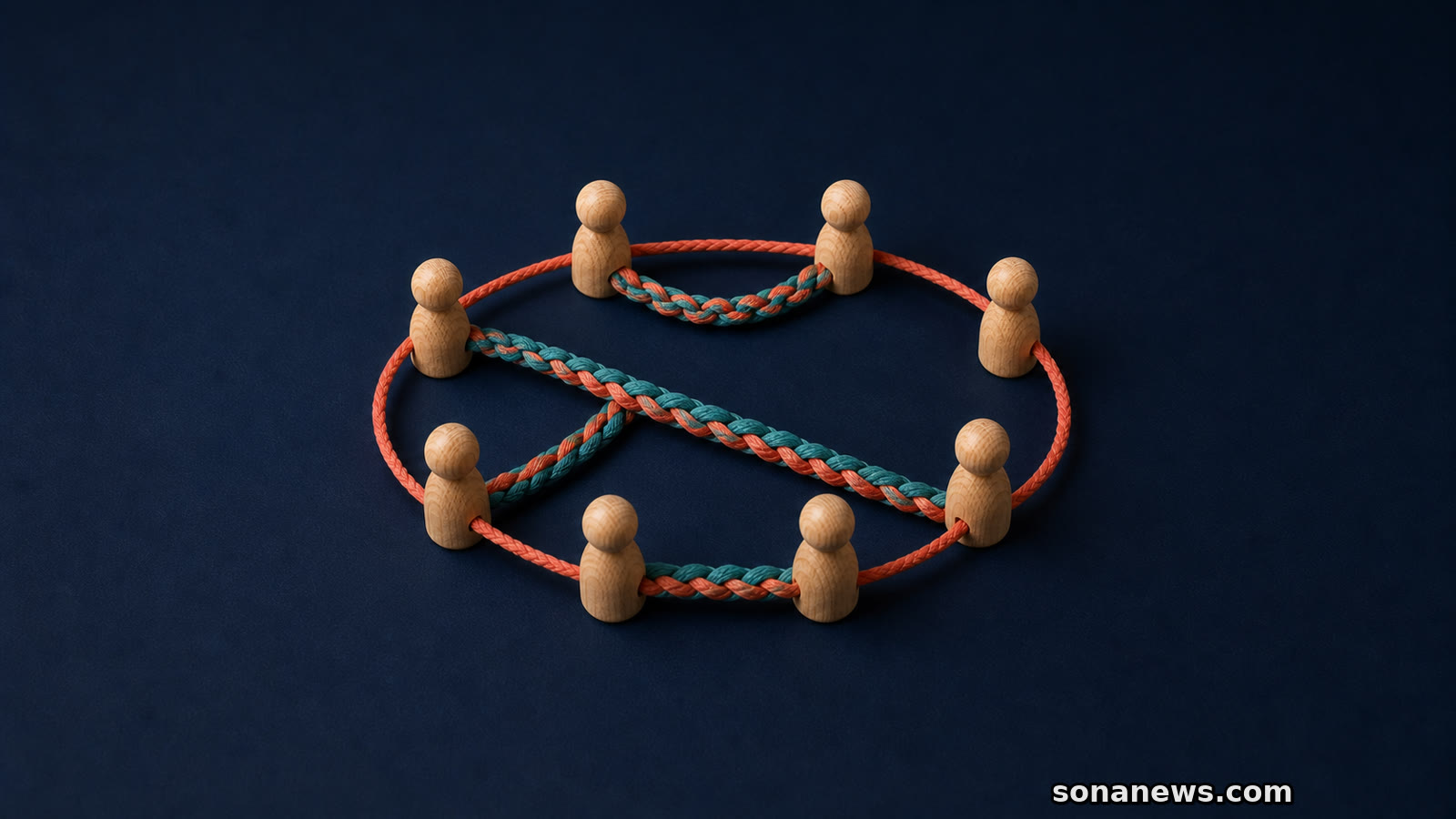
The authors tested possible pathways through team, football and national identity, as well as social connectedness and match-related socialising. Their models linked the positive association after a win to those identity and social processes. Statistical mediation can describe a plausible chain within the data, but it cannot establish that stronger identity caused the reported lift.
The alcohol finding needs the same restraint. The abstract says alcohol consumption explained the association between watching with others and lower work motivation. It does not turn every shared viewing occasion into a drinking event, quantify a safe or unsafe amount, or show that alcohol was the only difference between social and solo viewers. The underlying dataset used a broad seven-point self-report item ranging from very little to very much, rather than a clinical measure of alcohol intake.
What it does challenge is the easy assumption that the crowd itself produced the next-day benefit. Company may shape atmosphere, memory and belonging in ways this outcome measure did not capture. But for life satisfaction and work motivation in this analysis, collective success mattered more clearly than shared spectating.
The new paper drew from a larger open dataset described in Scientific Data in June. That project recruited 1,012 adults aged 18 to 74 through Prolific before EURO 2024. Participants lived in the five countries, supported the national team where they lived and planned to follow the tournament. They completed a baseline questionnaire and were contacted at noon the day after each national-team match.
The full cleaned dataset contains 3,627 event questionnaires covering 25 matches: 11 wins, six draws and eight losses. It includes objective results alongside self-reported life satisfaction, work motivation, social connectedness, national and team identity, viewing context, alcohol consumption and other measures. Participants completed a median of four post-match questionnaires.
That design is stronger than asking people months later how a tournament made them feel. It ties responses to specific results while the event is still close. It also has limits. The full sample was 67.1% male, averaged about 33 years old and was not nationally representative. The countries differed in age and other characteristics. Many outcomes were measured with single questions to keep repeated surveys manageable.
The 842-person analysis is a subset of that larger pool. The public abstract does not explain every exclusion or provide effect sizes, so the size and practical importance of the reported changes cannot be judged from the abstract alone. A statistically detectable next-day association is not automatically a large change in anyone's working life.
A separate preregistered analysis of the same tournament dataset, published on 5 August, shows why the glow should not be reduced to simple happiness. Wins predicted more positive affect and stronger national identification. The stronger identification, in turn, was associated with greater favouritism towards the national in-group and less support for multiculturalism. The researchers found no direct effect on political trust or perceptions of racism and crisis severity.
Those results do not say that watching football makes someone intolerant. They show that collective success can temporarily sharpen who counts as "us", with different associations depending on the outcome being measured. The same match can be a pleasant leisure event, a social appointment and a cue for national identity at once.
That is the broader cultural lesson in the next-day study. Sporting results can spill beyond sport, but not as a universal dose of social connection. Winning tracked with better self-reported life satisfaction and motivation. Simply watching together did not recreate that pattern, and one part of the social occasion tracked in the opposite direction once alcohol entered the model.
The final whistle still matters. It just does not close the psychological boundary as neatly as it closes the match.
Editorial note. This article reports observational behavioural research for general information. It does not provide medical, mental-health, alcohol, workplace or productivity advice.
Sources
- **Neumann et al., British Journal of Social Psychology, Crossref record and abstract:** Verifies the 7 August 2026 online publication, preregistered longitudinal experience-sampling design, 842-person analysis, 2,414 post-game responses, five-country scope, win associations, watching context result, alcohol mediation and tested identity and social pathways
- **Petrowsky et al., Scientific Data, full open methods and dataset paper:** Verifies recruitment, five countries, baseline and noon-after-match surveys, full sample of 1,012, age and gender profile, 3,627 cleaned event questionnaires, 25-match result distribution, measures, exclusions, Prolific recruitment, repeated single-item burden tradeoff, non-representativeness and OSF availability
- **Escher et al., European Journal of Social Psychology, Crossref record and abstract:** Verifies the separate preregistered analysis of 1,012 participants, associations between wins, positive affect and national identification, indirect links with in-group favouritism, multiculturalism and national optimism, and null direct results for political trust and perceptions of crisis severity and racism
- **Open Science Framework dataset record:** Verifies the public research archive cited by the methods paper for data, materials and preregistration
Help us improve
Was this article useful?
One anonymous tap helps Sona improve future reporting, headlines and source context.
Up next
Across 11 experiments, people were more willing to give when invited to continue a run of donors. The effect offers a useful lesson about social signals, and a warning about how easily momentum can be staged.
Continue readingMore in Lifestyle