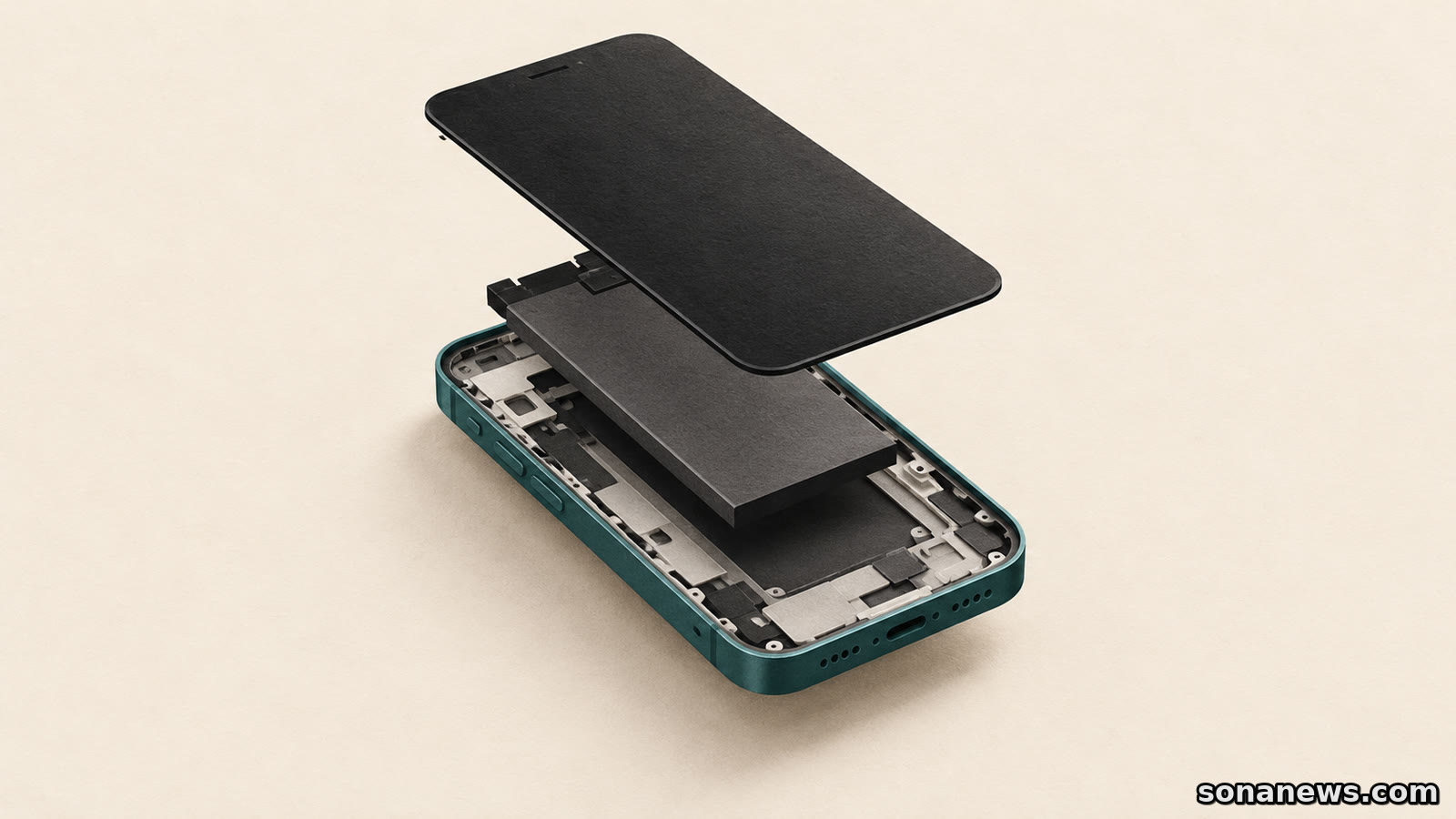
The UK iPhone contactless choice starts beneath the tap
Britain’s regulator is weighing cloud tokens, secure chips or both before third-party wallets can compete. No new UK wallet choice has arrived yet.


The familiar phone tap looks like one action. Underneath it, Britain’s next contactless competition decision is becoming a choice between two technical routes and a difficult question about price.
The UK Competition and Markets Authority is gathering evidence on how third-party developers should gain access to Near Field Communication, or NFC, on iPhones. NFC is the short-range link used when a phone meets a payment terminal. It can also present a ticket, unlock a car or hotel room, identify a student or carry a loyalty credential.
Nothing has changed for UK users yet. The call for evidence closes on 21 July 2026, and the CMA says responses will inform a consultation on possible measures in autumn. It has not chosen a technical design, set a fee or ordered Apple to launch a new system. That distinction matters because a consultation about opening a platform is not the same thing as another wallet appearing on a phone.
Apple already offers developers a route in the UK. Its NFC & SE Platform arrived with iOS 18.1 and uses the iPhone’s Secure Element, a dedicated chip isolated from the main device hardware. Apple’s developer material says authorised apps can support in-store payments, car and hotel keys, transit, corporate badges, student IDs, loyalty programmes and event tickets. Eligible users can also choose a default contactless app.
Access is not simply an on-screen switch. A developer must request an entitlement, enter agreements with Apple, meet security and regulatory requirements, configure the product through Apple Business Register and complete testing. Apple says the agreement includes commercial terms and applicable fees. The CMA says that, in the 18 months after the UK platform launched, it had not seen a new product or service launch through it. The regulator’s current view is that high fees, terms and the cost of supporting a different technical route may be holding developers back.
This is where the two architectures enter the story.
Host-based Card Emulation, or HCE, keeps sensitive information in secure cloud storage and sends a limited supply of one-time tokens to the device for transactions. The Secure Element, or SE, stores and handles the credential on a high-security chip inside the phone. Both can support ordinary contactless payments, but they carry different trade-offs.
HCE is the more familiar route for many developers because Android commonly uses it, and Apple provides it for third-party payment apps in the European Economic Area under legally binding European Commission commitments. The Commission’s 2024 decision requires Apple to provide that EEA access free of charge for ten years. The CMA says multiple European apps, including PayPal, Curve and Klarna, have since launched NFC features using the opening.
The UK is outside that EEA commitment. A company that has already built an HCE service for Android or European iPhones may therefore face extra work to rebuild around Apple’s Secure Element for Britain. The CMA thinks extending HCE to the UK could lower that entry cost and shorten implementation.
HCE is not an automatic winner. Because it depends on a supply of cloud-issued tokens, offline use is generally finite before the device needs to reconnect. The CMA also notes that the common industry standard for digital car keys requires a Secure Element. SE can accommodate current payment and non-payment uses, offers strong offline capability and is already available on UK iPhones. Its problem is practical rather than theoretical: the existing route has not yet produced the UK launches the regulator expected.
Requiring both technologies would preserve more choice. A payment app could reuse HCE work, while a car-key service could use SE. It would also be the costlier option for Apple to operate and maintain. The CMA is asking whether the extra flexibility would justify that burden, rather than assuming that more interfaces are always better.
Then there is the fee. The regulator is considering cost-based pricing, value-based pricing and a price linked to Apple’s own downstream services. Each route contains a trap. A narrow cost calculation may ignore legitimate platform investment. A value calculation is difficult when the market has barely formed. Linking access to Apple Pay charges may carry existing market power into the new fee. The CMA says any final approach should let Apple receive fair remuneration while leaving room for competitors to enter.
For users, the possible outcome is wider than a second payment wallet. The same tap could eventually be initiated by a bank app, a digital identity service, a ticketing app, a hotel key or a car maker’s app. It could also remain largely unchanged if developers decide the economics, certification work or demand do not add up. Opening an interface creates an opportunity, not a product guarantee.
The useful thing to watch is therefore not a new icon. It is whether a future UK rule makes the technical route reusable, the eligibility process workable and the fee predictable enough for a developer to build. Contactless choice begins well before the phone reaches the terminal.
Editorial note. This article is general technology, competition-policy and payments-infrastructure reporting. It is not legal, financial, security, product-development or regulatory compliance advice.
Sources
- Source: Competition and Markets Authority, “Views sought: Access to Near Field Communication functionality on Apple’s mobile platform”, Published 30 June 2026; extracted 14 July 2026. Verified: proposed status, July evidence deadline, expected autumn consultation, UK platform history, HCE and SE definitions and trade-offs, lack of UK launches, European examples, possible use cases and pricing approaches
- Source: CMA, “Issues relating to NFC access on iOS”, Published 30 June 2026; extracted 14 July 2026. Verified: open-call status, scope, closing date and link to the full evidence paper
- Source: CMA, “The CMA’s programme of work across mobile platforms”, Updated 30 June 2026; extracted 14 July 2026. Verified: Apple’s UK strategic market status, digital-wallet workstream, competition objective, expected autumn measures consultation and wider mobile-platform context
- Source: Apple Developer, “NFC & SE Platform for secure contactless transactions”, Extracted 14 July 2026. Verified: iOS 18.1 launch, UK availability, supported use cases, Secure Element architecture, default-app features, entitlement and security process, eligible devices and commercial terms
- Source: European Commission, “Commission accepts commitments by Apple opening access to ‘tap and go’ technology on iPhones”, Published 11 July 2024; extracted 14 July 2026. Verified: legally binding EEA HCE access, free-of-charge commitment, default-app functions, ten-year term and the UK’s exclusion from the EEA decision
Help us improve
Was this article useful?
One anonymous tap helps Sona improve future reporting, headlines and source context.
Up next

Google's planned Chrome 154 default targets insecure public connections, including redirect hops. A secure destination alone does not fix the whole route.
Continue readingMore in Tech