Measles is making the vaccine record part of travel planning
Official updates from CDC, WHO, ECDC and UKHSA point to a practical question before international trips: whether a traveller's records clearly show measles protection.
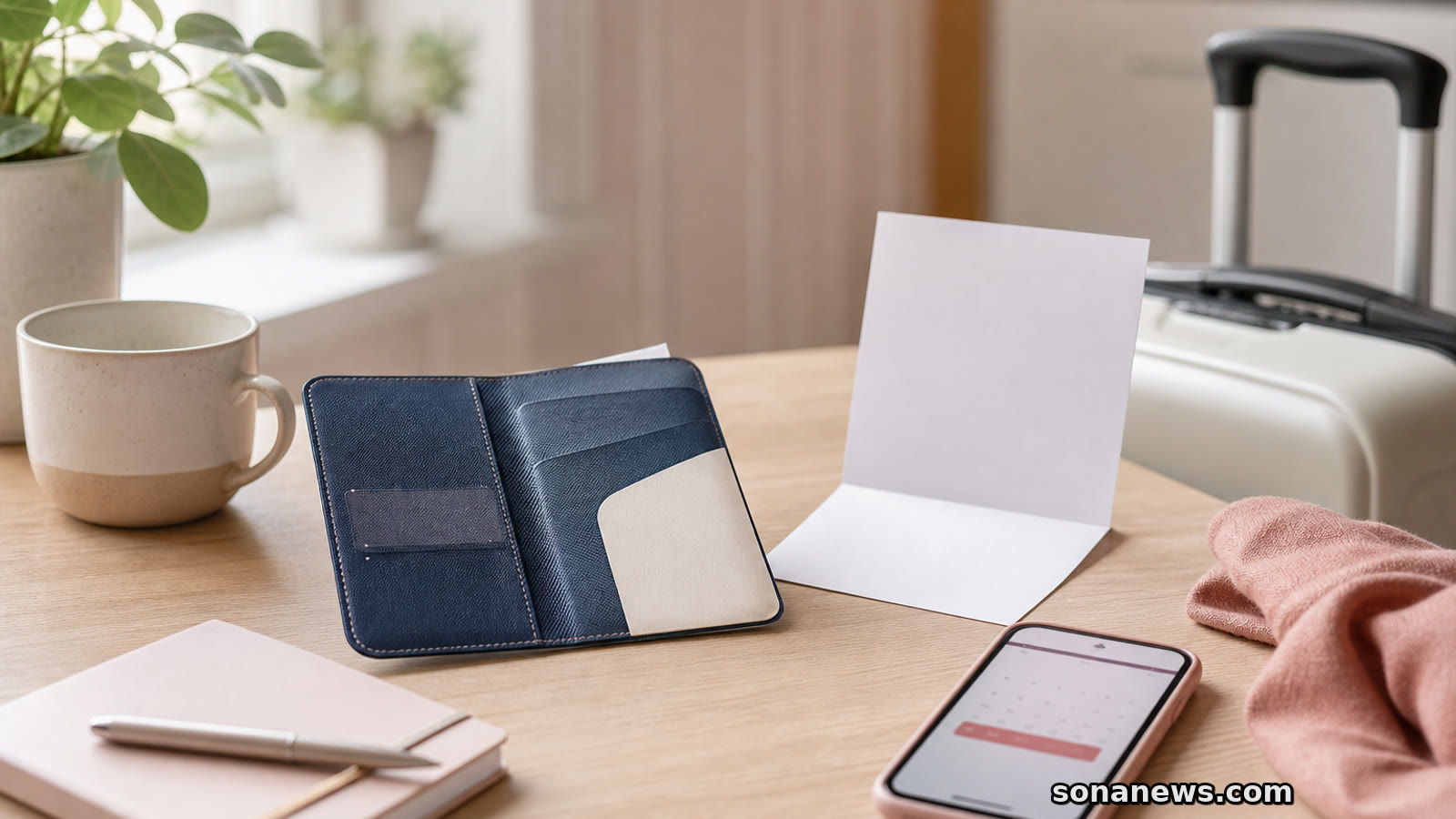

The least glamorous thing in a travel drawer may now matter more than the packing cube. Not the passport, not the adaptor, not the miniature bottles lined up for airport security. The awkward item is the vaccine record: the card, app entry or old clinic note that says whether measles protection is documented.
That sounds like administrative fuss until the numbers come back into view. Measles is not a nostalgic childhood illness that politely stays in the past. It is airborne, highly contagious and still able to move quickly through gaps in vaccination coverage. WHO's latest fact sheet says measles vaccination averted nearly 59 million deaths between 2000 and 2024, yet an estimated 95,000 people still died from measles in 2024, mostly unvaccinated or under-vaccinated children under five.
The travel angle is not theoretical. CDC's measles travel page, updated on 29 April 2026, says measles cases in the United States often originate from unvaccinated international travellers. It also says people without vaccination, without past measles, and travelling internationally or to areas where measles is spreading are at risk. That is public-health language, but the household translation is simpler: a trip can expose an immunity gap that was easy to ignore at home.
Europe shows the same problem in a different shape. ECDC's monthly measles and rubella report, using data retrieved on 27 May 2026, recorded 3,779 measles cases across the EU and EEA from 1 May 2025 to 30 April 2026, including three deaths. The latest complete month, April 2026, brought 451 reported cases. Those figures are not a continent-wide emergency siren. They are a reminder that elimination is fragile when pockets of susceptibility remain.
WHO Europe and UNICEF made that point in February. Cases in Europe and Central Asia fell by nearly 75% in 2025 compared with 2024, from 127,412 to 33,998. That is good news, and it should be read as good news. But the same update said more than 200,000 people in the region had measles over the past three years, and that the number of countries with continuing or re-established endemic transmission rose to 19 in the 2025 verification review. A fall in cases is not the same thing as the virus giving up.
The UK example is useful because it is so ordinary. UKHSA's measles updates say England recorded 2,911 laboratory-confirmed measles cases in 2024, the highest annual number in decades. The agency also notes that the routine childhood programme changed in January 2026, with MMRV replacing MMR for eligible children as varicella vaccination was added. For families, that kind of schedule change can make memory unreliable. A parent may remember a child's first jab but not the second. An adult may remember being vaccinated but not have written proof. Someone born in a different country may have records in another format, or none at all.
This is where public health can feel clunky. Measles protection is not checked in the same neat way as a passport expiry date. Records may sit with a GP, a paediatrician, a school archive, a workplace health file, a parent or no one. Some people have laboratory evidence of immunity. Some have documentation of vaccination. Some have a medical reason to avoid live vaccines and need individual clinical guidance. None of that fits easily into a last-minute travel checklist.
The medical facts are clearer than the paperwork. CDC says two MMR doses provide 97% protection against measles and one dose provides 93% protection. Its travel guidance says people without vaccination or with unknown status can plan vaccination before international travel, ideally at least two weeks before departure, while its vaccine page describes the routine two-dose childhood schedule and higher-risk adult groups such as international travellers, healthcare personnel and post-high-school students. Different countries use their own schedules and eligibility rules, so local health services still matter.
The uncomfortable part is that measles does not need many openings. WHO says one infected person can lead to up to 18 secondary infections, and the virus can remain active in the air or on surfaces for up to two hours. It can spread before a rash appears. That combination makes airports, family visits, schools, clinics and crowded events relevant without making every journey dangerous. The point is not to frighten people out of travel. It is to notice that a vaccine record is a practical document, not a moral statement.
There is a tone to avoid here. Measles stories can slide into blame, especially when vaccination gaps cluster in communities with poor access to healthcare, disrupted services, misinformation, language barriers or historical distrust. ECDC's recommendations mention closing immunity gaps, high-quality surveillance, travel-related checks by health professionals and work with under-served groups. That is the right scale for the problem. Individual records matter, but so do systems that make records, appointments and reliable information easy to use.
For readers planning summer travel, the useful habit is boring and early. Check the official health advice for the destination and home country. Find the vaccine record before the suitcase is open. If the record is unclear, use a qualified health professional or local public-health service rather than guessing from memory. The answer may be simple. It may be more complicated for infants, pregnancy, immune suppression or previous reactions. That is exactly why the question belongs before the airport queue.
Measles prevention is one of those public-health successes that becomes easier to undervalue the longer it works. The vaccine turned a once-common, dangerous disease into something many people rarely think about. Current outbreaks do not erase that success. They expose the maintenance work behind it.
A passport says where a traveller is allowed to go. A vaccine record says something quieter: whether an old layer of protection is still visible on paper. In 2026, that quiet document deserves a place in the travel folder.
Editorial note. This article is for general information only and is not medical advice. Vaccination eligibility, timing and precautions vary by country, age, medical history, pregnancy and immune status. Use official public-health guidance and consult a qualified health professional for personal medical questions.
Sources
- CDC - "Plan for Travel" - - extracted 2026-06-07. Verified: 29 April 2026 update date, travel-origin framing for U.S. cases, risk groups, timing language for vaccination before international travel, evidence-of-immunity categories and contagiousness notes
- CDC - "Measles Vaccination" - - extracted 2026-06-07. Verified: two-dose routine schedule, 97% protection after two MMR doses, 93% after one dose, adult groups where two doses may be relevant under CDC guidance
- WHO - "Measles" fact sheet - - extracted 2026-06-07. Verified: airborne transmission, 59 million deaths averted from 2000 to 2024, 95,000 estimated global deaths in 2024, contagiousness and virus survival facts
- ECDC - "Monthly measles and rubella monitoring report" - - extracted 2026-06-07. Verified: 27 May 2026 report, 3,779 EU/EEA cases from 1 May 2025 to 30 April 2026, 451 cases in April 2026, three deaths and ECDC recommendations on closing immunity gaps
- WHO Europe and UNICEF - "Measles cases dropped in Europe and Central Asia in 2025 compared to the previous year, but the risk of outbreaks remains" - - extracted 2026-06-07. Verified: 33,998 cases in 2025, 127,412 in 2024, nearly 75% fall, 19 countries with continuing or re-established endemic transmission and 95% two-dose coverage threshold
- UK Health Security Agency - measles updates page - - extracted 2026-06-07. Verified: 2,911 laboratory-confirmed cases in England in 2024 and January 2026 MMRV schedule update context
Help us improve
Was this article useful?
One anonymous tap helps Sona improve future reporting, headlines and source context.
Up next
Primary school sessions begin this week, with secondary pupils following later in autumn. For most families, the practical deadline comes from the local school immunisation team.
Continue readingMore in Health