The baby lounger recall makes the nursery a sleep-space check
A new CPSC recall of CooCooBaby loungers points to a wider home habit: separating products that soothe a baby from products that are safe for sleep.
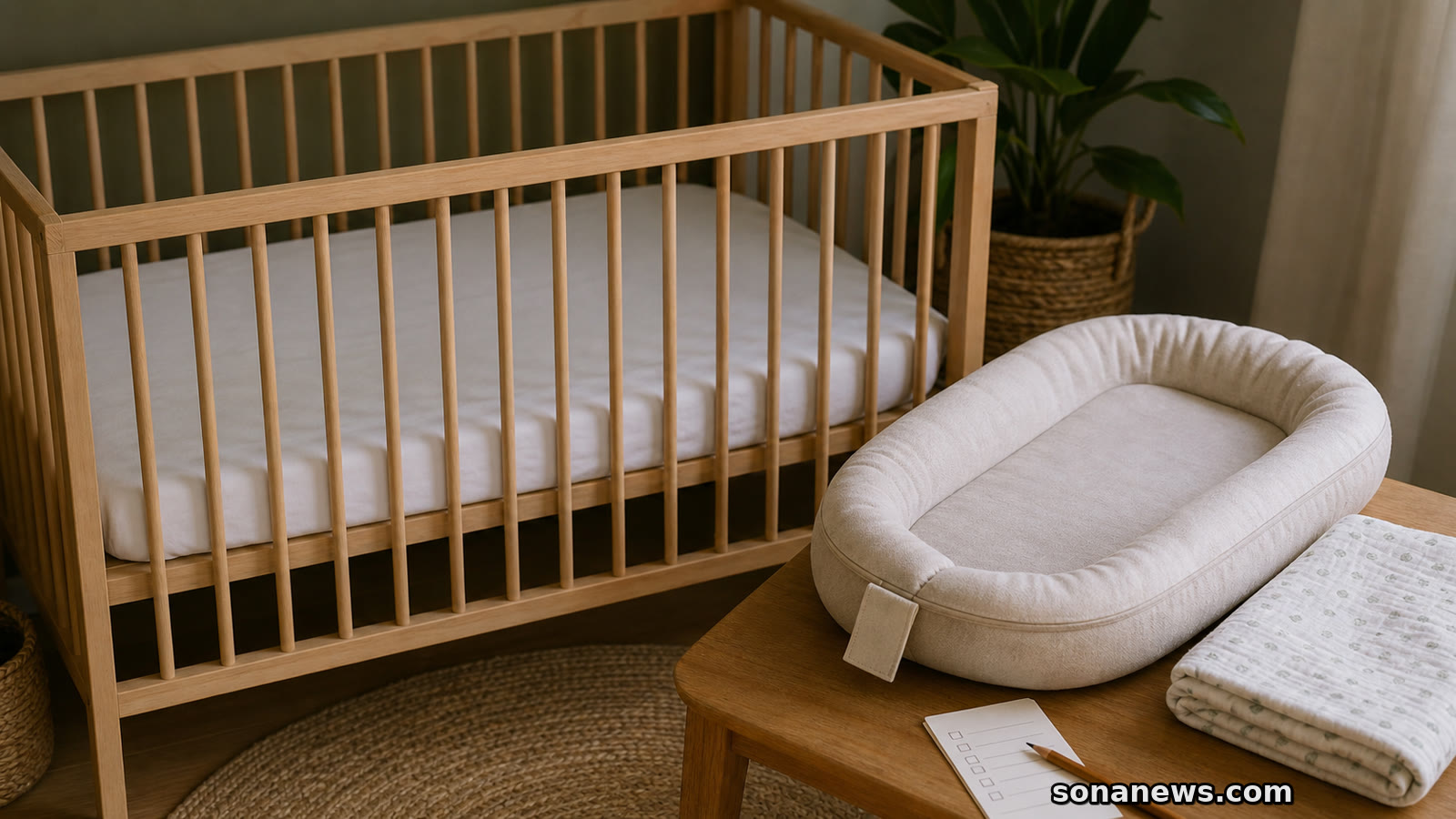

A nursery can make almost anything look gentle. Soft fabric, rounded sides and pastel product photography all lean in the same direction: comfort. The harder question is whether a product that looks soothing is actually a safe place for a baby to sleep.
That is the practical point behind the latest U.S. recall of CooCooBaby Baby Loungers. On June 18, the U.S. Consumer Product Safety Commission announced the recall of about 2,355 CooCooBaby loungers, including the Classic and Deluxe models. CPSC says the products violate the mandatory federal standard for Infant Sleep Products and create an unsafe sleeping environment for infants, with suffocation, fall and entrapment hazards. The notice lists no reported incidents or injuries.
The details matter because this is not a vague warning against every padded nursery product. CPSC says the recalled loungers are made of a foam sleeping pad, padded bumpers and a cloth cover, sold in multiple styles and colours. The Deluxe version has buttons at the foot. The Classic version has a ribbon tie at the foot. Tags on the side carry the CooCooBaby name and manufacturing information. The agency says they were sold online at CooCooBabyOfficial.com and Amazon.com from December 2024 through March 2026 for between $35 and $70.
The hazards are also specific. According to CPSC, the sides are shorter than the minimum side-height limit intended to secure an infant, the sleeping pad is thicker than the maximum limit, and an infant could fall out of an enclosed opening at the foot of the lounger or become entrapped. The portable loungers also do not have a stand, creating a fall hazard. CPSC's remedy is a refund. Its notice tells consumers to stop using the recalled loungers immediately and contact CooCooBaby, with a destruction photo required as part of the refund route.
For a household, the wider lesson is not to become a product-law expert. It is to separate three questions that often get blurred in the first months of baby life. Is this exact product named in a recall? Was it intended or marketed for sleep? If a baby falls asleep somewhere that is not a compliant sleep space, what does official safe-sleep guidance say about moving them?
CPSC's Safe Sleep guidance is deliberately plain. Infant sleep spaces are to be flat, firm and bare, using products intended for sleep that meet federal requirements, such as cribs, bassinets, play yards and bedside sleepers. Its "Bare is Best" message means nothing in the crib, bassinet or play yard except a fitted sheet. The agency also says babies are to be placed on their backs, and moved to a crib, bassinet, play yard or bedside sleeper if they fall asleep elsewhere.
CDC guidance reaches the same domestic point from a health perspective. It advises a firm, flat, non-inclined, safety-approved sleep surface covered only by a fitted sheet, with soft bedding and objects kept out of the sleep area. The CDC also notes that about 3,700 sleep-related deaths among U.S. babies occurred in 2022. That number is not about this recall alone. It is the context for why regulators spend so much energy on surfaces, angles, padding and loose objects.
There is a visual tension here. To adult eyes, a bare crib can look severe and a padded lounger can look cosy. Infant-safety guidance asks the household to distrust that adult instinct. NICHD's Safe to Sleep campaign describes the safe sleep area as firm, flat, level and empty except for a fitted sheet. Soft or squishy items, bumpers, blankets, pillows, toys and positioners belong outside the sleep space because they can raise the risk of suffocation, strangulation, entrapment and other sleep-related deaths.
The recall also shows why baby products need a paper trail. Nursery items are often bought quickly, gifted, passed between relatives or resold after a short period of use. The box may be gone long before a recall arrives. A tag photograph, saved order email, product registration and occasional check of official recall pages can make the difference between a precise match and guesswork.
None of this makes parenting less tiring. It does, however, turn a frightening subject into a concrete household check. The safest nursery setup is not the one that looks most padded in an advert. It is the one that keeps sleep boring: a known product, a clear recall route, a firm flat surface, a fitted sheet, and no confusion between a place to put a baby down while awake and a place designed for sleep.
Editorial note. This article is general household and product-safety information, not medical, legal, childcare or emergency advice. For a specific product, use the official recall notice, product label and seller contact route. For infant health, sleep or injury concerns, use qualified paediatric, medical or emergency guidance in the relevant country.
Sources
- Source: "CooCooBaby Baby Loungers Recalled Due to Risk of Serious Injury or Death from Suffocation and Fall Hazards; Violates Mandatory Standard for Infant Sleep Products", Extracted 2026-06-19. Verified: recall date June 18, 2026; recall number 26-569; about 2,355 affected units; Classic and Deluxe product identifiers; hazard language; sale channels, dates and prices; no reported incidents or injuries; refund remedy
- Source: "Safe Sleep - Cribs and Infant Products", Extracted 2026-06-19. Verified: CPSC guidance on flat, firm and bare infant sleep spaces; use of products intended for sleep that meet federal requirements; Bare is Best; back-sleep message; moving babies to a safe sleep space if they fall asleep elsewhere
- Source: "Helping Babies Sleep Safely", Extracted 2026-06-19. Verified: CDC guidance on firm, flat, non-inclined, safety-approved sleep surfaces; fitted sheet only; keeping soft bedding and objects out of the sleep area; about 3,700 sleep-related deaths among U.S. babies in 2022
- Source: "Safe Sleep Environment", Extracted 2026-06-19. Verified: NICHD Safe to Sleep guidance on firm, flat, level sleep areas; empty sleep spaces except for a fitted sheet; risks associated with soft items, bumpers, blankets, pillows, toys and positioners
- Source: "Infant Sleep Products Business Guidance", Extracted 2026-06-19. Verified: mandatory Infant Sleep Products rule context, including 16 C.F.R. part 1236, infant sleep product definition, and the requirement for products manufactured after June 23, 2022 to meet the relevant standard
Help us improve
Was this article useful?
One anonymous tap helps Sona improve future reporting, headlines and source context.
Up next
A gold-coloured lamp has been recalled because its plug can overheat. With no model or serial identifier published, the order record matters more than a visual match.
Continue readingMore in Home & Living