The solo dinner has become a normal reservation
OpenTable, TouchBistro, USDA and ONS data point to a quieter dining shift: eating alone is moving from awkward exception to planned consumer behaviour.
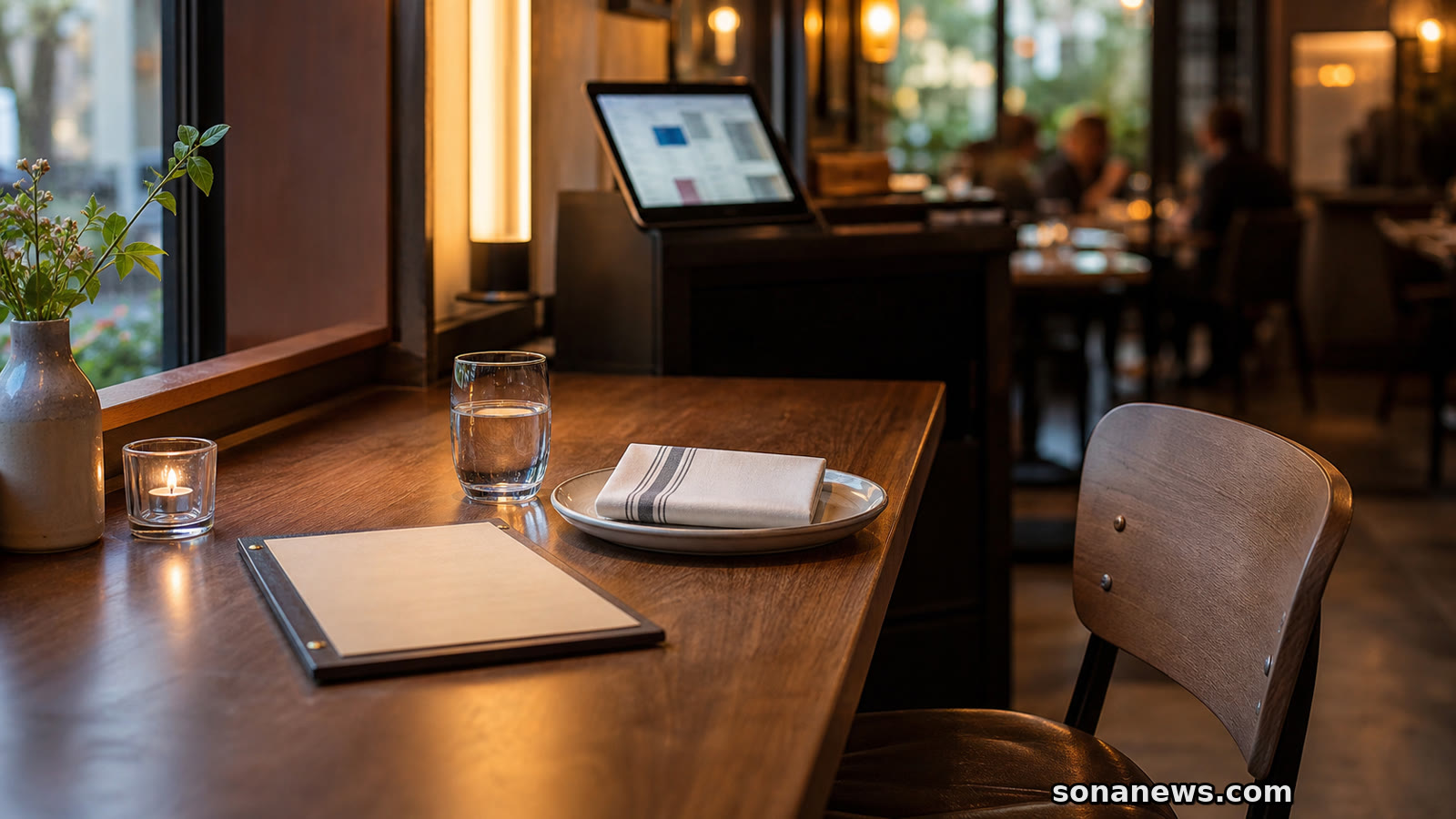

A restaurant table set for one used to arrive with a small cultural script. Was the diner waiting for someone? Had a plan fallen through? Was this a brave act of self-care, or a joke about being alone? The more interesting answer is now plainer: sometimes it is simply dinner.
Solo dining is becoming easier to see because restaurants, booking platforms and diners are treating it less like an oddity. OpenTable lists solo dining among its 2025 dining trends, alongside mid-week meals, larger group bookings and experiential dining. Its advice to restaurants is practical rather than sentimental: make counter seats, bar seats, small tables and service language work for one person, especially as younger diners become more comfortable booking meals on their own.
That is platform data, not a universal census of private life. OpenTable has a commercial reason to tell restaurants that every kind of reservation can grow. Still, the same pattern appears in other consumer research. TouchBistro's 2025 U.S. Diner Trends Report, based on a Harris Poll survey of 1,500 diners, found that 21% of diners said they typically dine out alone, up from 18% in the previous year's report. It also said 29% of Americans dine alone weekly or more often, with higher rates among younger diners.
The change is not just about confidence. It sits inside a larger food-service economy. The USDA Economic Research Service reported in June 2026 that U.S. food spending reached $2.51 trillion in 2025 in inflation-adjusted terms. Food-away-from-home spending was $1.41 trillion and accounted for 56.3% of total food expenditures. In other words, eating out is not a fringe leisure habit. It is a major part of how modern households buy food, convenience and time outside the home.
Household structure helps explain why the table for one feels less exceptional. The Office for National Statistics said that 29.5% of UK households contained a single person in 2024, and that 8.4 million people lived alone, up from 7.6 million in 2014. That does not mean every person living alone wants to eat alone in public, or that solo dining is only for one-person households. Couples, parents, house-sharers and travellers all eat alone too. But the old assumption that a restaurant meal naturally belongs to a pair or a group looks weaker when so much ordinary life is organised outside that pattern.
There is a consumer design story here. A diner alone notices details that a group can cover over with conversation: where the single seat is placed, whether the menu has sensible smaller portions, whether staff treat the booking as valuable, whether the lighting makes reading comfortable, whether the bill arrives with a raised eyebrow or without fuss. A good solo seat is not hidden beside the service station. It is a real place to eat.
The best version of the shift is not the glossy slogan of independence. It is the removal of a needless awkwardness. A person between meetings can take lunch without apologising. A traveller can eat properly without room-service sadness. Someone who wants an hour with a book can have it. A regular can become known at a counter as easily as at a four-top. For restaurants, the opportunity is not only squeezing one more cover into a quiet slot. It is recognising that loyalty can come one chair at a time.
There are limits. Dining out is still shaped by price, transport, safety, disability access, working hours and who feels welcome in a room. TouchBistro's same report found sharp income differences in dining frequency, and it listed high restaurant prices and the lower cost of cooking at home among the reasons some people were eating out less. A solo reservation is not a magic sign of urban freedom if it is available mainly to people with spare cash and nearby options.
Nor does eating alone need to be turned into a personality brand. The culture around it can become as exhausting as the stigma it tries to replace: the main character lunch, the mindful supper, the proof that a person has mastered solitude. The calmer point is that restaurants are adapting to a practical behaviour that many people already know. Not every meal needs a group chat, a date, a family plan or a special occasion.
For Discover readers, the useful signal is modest. Watch how the next restaurant or cafe handles the single customer. The change shows up in counter layouts, online booking flows, two-course lunch deals, bar dining, small plates, early dinner slots and staff who do not ask "just one?" as if the number needs defending. The solo dinner has become a normal reservation because modern life has more single moments in it, and because a good public room makes those moments feel less like a problem.
Sources
- OpenTable - "Top Dining Trends: Insights for Restaurants" - - extracted 2026-06-25. Verified: OpenTable describes its 2025 trend work as a survey of Americans plus reservation data, names solo dining among six dining trends, links the behaviour especially to Gen Z and Millennials, and advises restaurants to make counter seating, small tables and service language work for solo diners
- TouchBistro - "2025 TouchBistro U.S. Diner Trends Report" - - extracted 2026-06-25. Verified: survey of 1,500 U.S. diners conducted by The Harris Poll from Oct. 15 to 25, 2024; 21% of diners said they typically dine alone, up from 18% in the prior report; 29% dine alone weekly or more often; and the report notes income differences in dining frequency
- USDA Economic Research Service - "Total U.S. food spending reached $2.51 trillion in 2025" - - extracted 2026-06-25. Verified: June 11, 2026 Chart of Note; total U.S. food spending reached $2.51 trillion in 2025; food-away-from-home spending was $1.41 trillion; food away from home accounted for 56.3% of total food expenditures
- Office for National Statistics - "Families and households in the UK: 2024" - - extracted 2026-06-25. Verified: 28.6 million UK households in 2024; 29.5% contained a single person; 8.4 million people lived alone, compared with 7.6 million in 2014; and the release notes increased uncertainty from lower Labour Force Survey response rates
Help us improve
Was this article useful?
One anonymous tap helps Sona improve future reporting, headlines and source context.
Up next

Across 11 experiments, people were more willing to give when invited to continue a run of donors. The effect offers a useful lesson about social signals, and a warning about how easily momentum can be staged.
Continue readingMore in Lifestyle