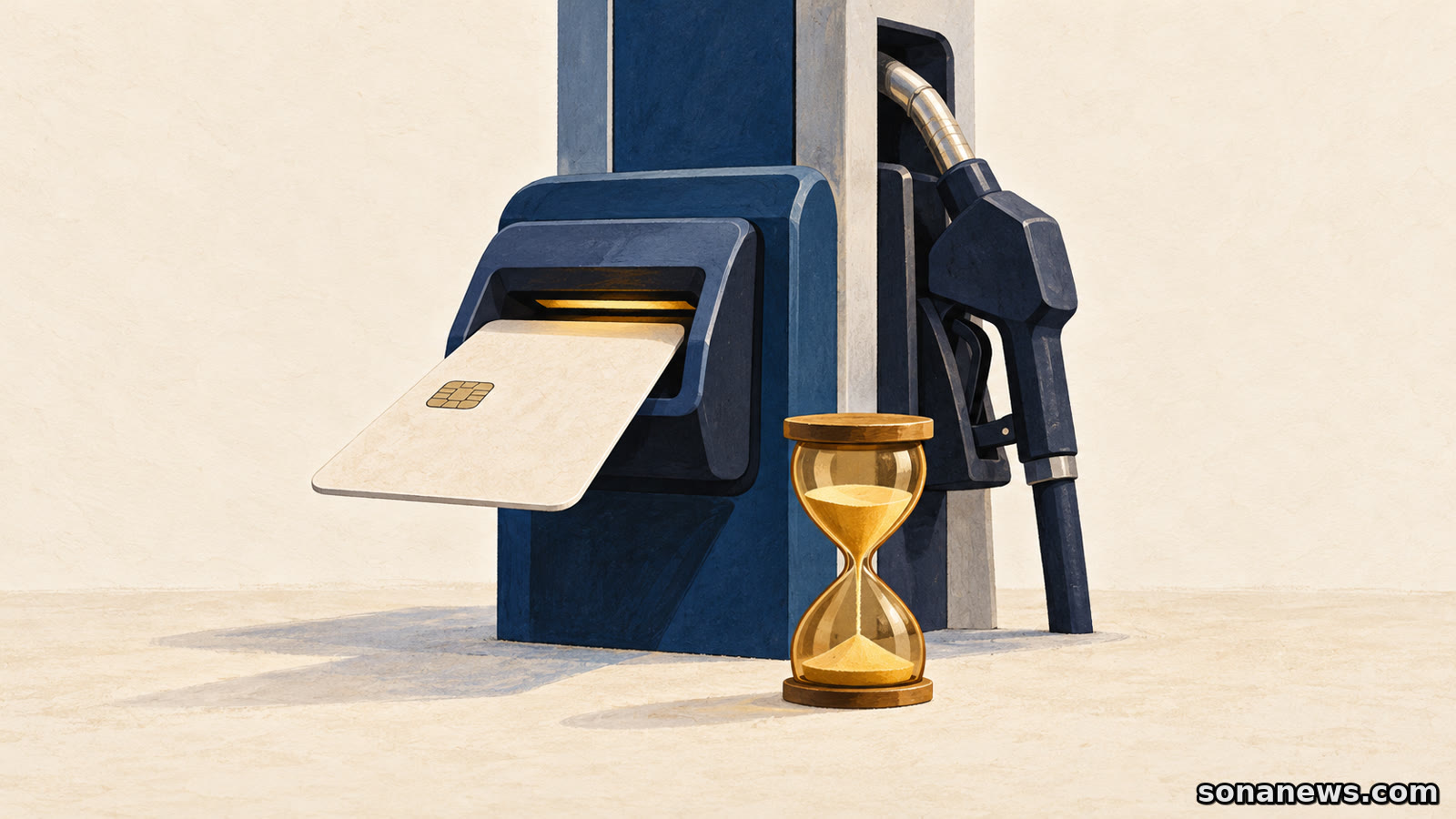
In Great Britain, switching appliances off does not stop the standing charge
An energy bill has a daily cost as well as a charge for what you use. Lower-standing-charge tariffs change that balance, but do not automatically mean a cheaper bill.


The kettle is unplugged, the lights are off and nobody is watching television. Yet part of the energy bill keeps accumulating. For households in Great Britain whose tariff includes a standing charge, a day without using energy is not necessarily a day without an energy cost.
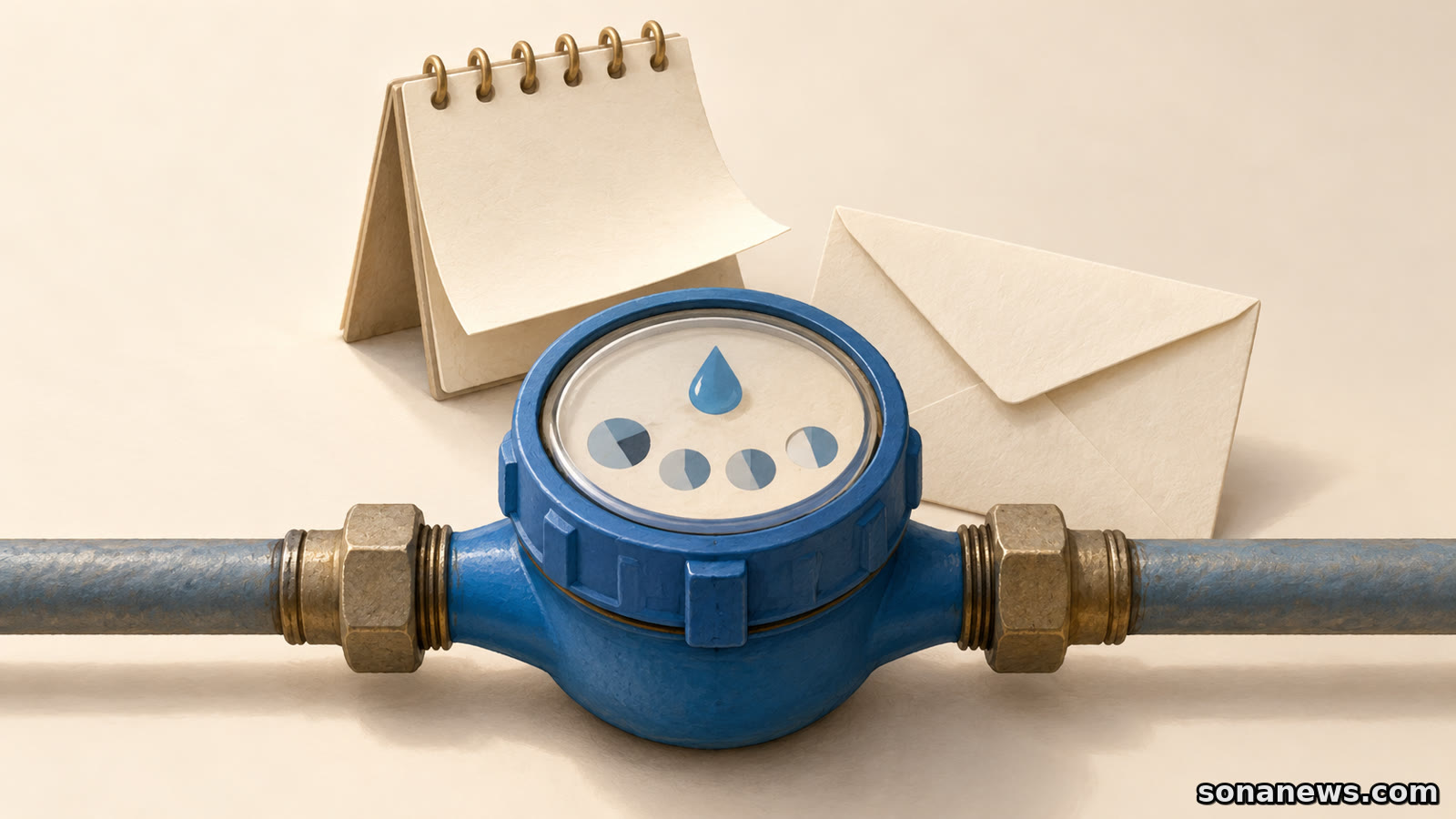
The distinction is easy to miss when attention is on appliances. Ofgem describes two separate prices: the unit rate for gas or electricity consumed, measured in kilowatt hours, and the standing charge paid each day even when no energy is used. Reducing consumption affects the first. It does not, by itself, remove the second.
This is not a new charge introduced for autumn, or a claim that switching appliances off is pointless. It is the difference between paying for energy used and paying a daily amount under the tariff. It also explains why a lower-standing-charge offer needs more scrutiny than its headline saving suggests.
A standing charge is not a charge for leaving a television on standby. It is not calculated by counting the appliances connected to sockets. Under a tariff with a daily standing charge, that part of the bill follows the number of days covered, rather than the number of times the kettle boils.
That matters when a household is away or uses very little energy. Even if consumption genuinely falls to zero for a period, the tariff's daily charge can remain. A small consumption figure and a non-zero bill are therefore not automatically inconsistent.
There is an important limit to that explanation. It does not establish who is responsible for an empty property's account, whether a particular bill is correct, or what happens when a supply contract ends. Those are separate questions. Turning off an appliance should not be confused with closing an account or arranging a change to the energy supply.
Nor is this a recommendation to switch off essential equipment, heating or a property's supply. The point concerns the structure of a bill, not how a household should operate its home.
Ofgem's price cap limits what suppliers can charge under covered standard variable tariffs for unit rates and standing charges. It does not cap the household's total bill. More energy use can still mean a higher bill.
The familiar annual headline figure is based on a specified consumption assumption, not an allowance of unlimited energy. Reading that figure as the most any household can pay creates a second misunderstanding alongside the idea that no usage means no charge.
The regulator's current rates page covers England, Scotland and Wales. Its tables distinguish payment methods and regions, while the explanation also identifies fuel and meter type as relevant. The daily amount shown for one household should not be assumed to apply to another. Northern Ireland is outside the scope of this Great Britain explainer.
Ofgem also says the price cap does not protect a customer who has agreed a fixed tariff. That is another reason to distinguish the regulator's published benchmark from the actual terms of an account. A fixed deal's daily charge and unit rate need to be read as that deal's prices, not inferred from a general cap headline.
The alternative is not necessarily to eliminate a cost altogether. It can be to collect more of it through the units of energy used.
In its policy update, last revised in June 2026, Ofgem describes a one-year lower-standing-charge tariff pilot starting that month. Participating suppliers offer tariffs to eligible customers, with limits on sign-ups and supplier-specific terms. That is not the same as a universal entitlement to a particular tariff or a promise that places remain available at every supplier.
The regulator says it expects suppliers to set higher unit rates for these pilot tariffs. It explicitly warns that participants' bills may not be cheaper than other available tariffs. A reduction in the daily charge therefore cannot be treated as a guaranteed reduction in the overall bill.
The trade-off is straightforward even without a worked savings example. A lower fixed daily amount can be attractive to someone using little energy, while a higher price for each unit becomes more significant as consumption rises. Whether the balance works out favourably depends on the actual prices and usage, not the name of the offer.
The same policy page notes that some specialist suppliers already offer low- or no-standing-charge tariffs to prepayment customers. That qualification matters: it would be wrong to say every energy tariff must have the same daily charge, or that nobody can have a tariff without one.
For a tariff that includes both charges, the basic comparison is the daily rate over the relevant period plus the unit rate applied to energy used. Where a household buys both gas and electricity, the terms for each fuel matter. A discount described across both fuels is not automatically the discount for a single-fuel customer.
This is a way to understand a quotation, not a recommendation to choose a particular contract. Eligibility, the tariff period and other terms still need checking. Ofgem encourages customers considering its pilot to discuss their energy use and suitability with their supplier.
For an existing bill, the useful starting distinction is just as simple: which amount reflects consumption, and which reflects days on the tariff? A falling meter reading increment does not mean both should fall together. An unchanged daily charge does not prove that reducing consumption had no effect.
Switching off an unused appliance and changing a tariff answer different questions. One concerns how much energy is consumed. The other concerns how the supplier charges for it. Keeping those questions separate makes an apparently puzzling bill easier to read, without turning a lower standing charge into a promise of savings.
Editorial note. This article provides general information about household energy charges in Great Britain, not personal financial or legal advice. Individual bills, tariff suitability and responsibility for an account depend on the terms and circumstances. It does not recommend switching off essential equipment or disconnecting a property's energy supply.
Sources
- Ofgem, “Energy price cap and standing charges explained”, retrieved 30 October 2026. Primary support for the unit-rate/daily-charge distinction, charges on zero-use days, cap scope, fixed-tariff exclusion and variable household circumstances. Tax detail is outside this article's scope
- Ofgem, “Energy price cap unit rates and standing charges”, retrieved 30 October 2026. Current page covers 1 October to 31 December 2026; verifies Great Britain geography, regional and payment-method distinctions and the benchmark nature of average rates. No national average is quoted as an individual's tariff
- Ofgem, “Lower standing charge tariffs: next steps”, published 24 July 2025, updated 22 June 2026, retrieved 30 October 2026. Verifies the one-year pilot's June start, eligibility and participation limits, expected higher unit rates, no guaranteed cheaper bill, single-fuel qualification and existing specialist low/no-standing-charge prepayment tariffs. The older consultation proposal is not presented as a universal rule already implemented
Help us improve
Was this article useful?
One anonymous tap helps Sona improve future reporting, headlines and source context.
Up next

Old names and addresses can help trace forgotten bank, building society and NS&I accounts. Finding a record is only the first step towards reclaiming any money.
Continue readingMore in Money