Britain’s summer VAT cut is not automatically a 15% till discount
A temporary 5% VAT rate now covers selected UK family attractions, tickets and children’s meals. What qualifies, when it is used and whether the saving reaches the customer are three separate questions.
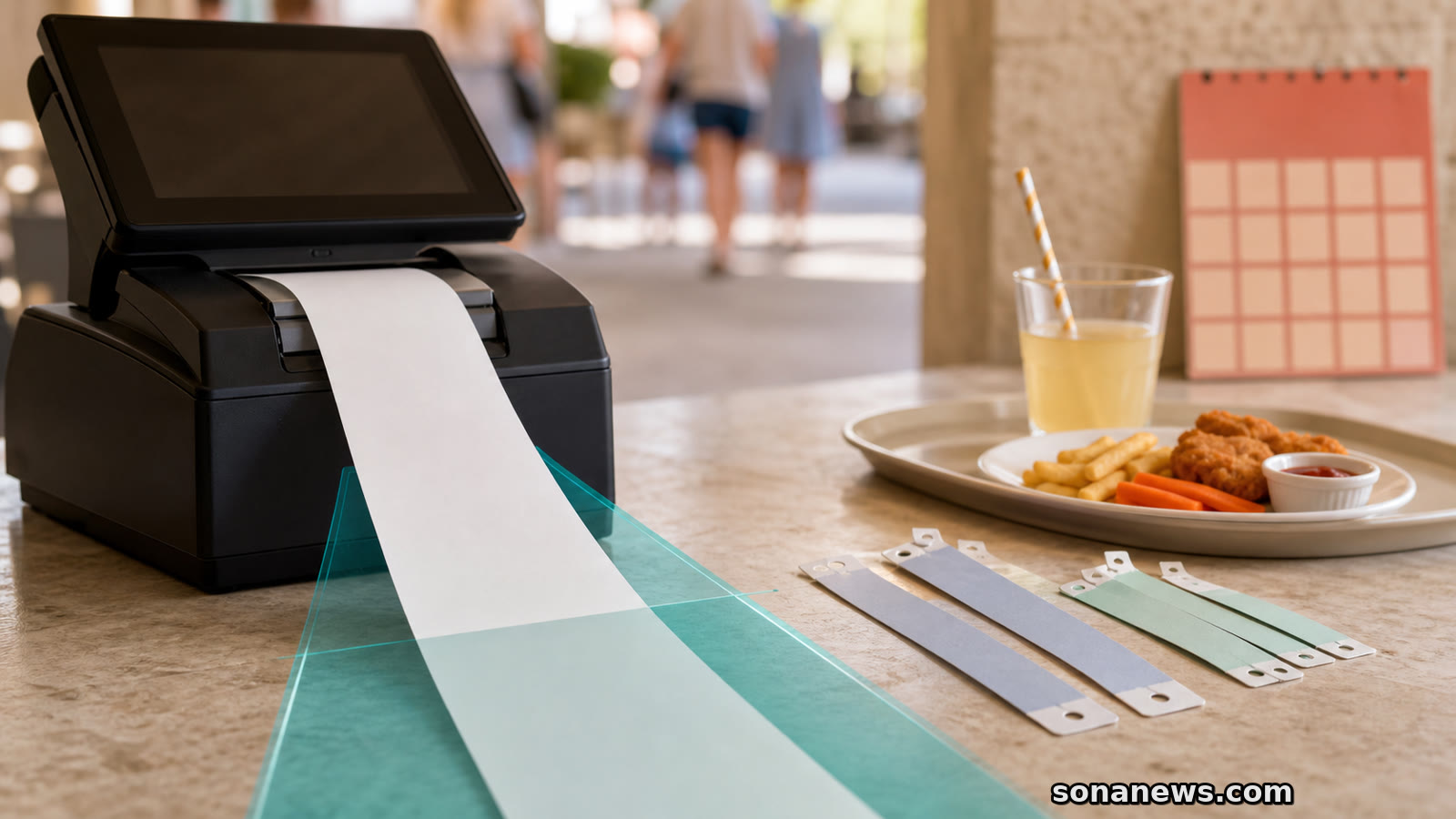

A tax rate can fall by 15 percentage points without the price at the till falling by 15%. Britain’s summer VAT measure is a neat example of why those two sentences are not the same.
From 25 June through 1 September 2026, HM Revenue and Customs says a temporary 5% VAT rate applies to selected children’s meals, children’s admission to certain events, family ticket packages and entry to specified family attractions. The usual standard rate is 20%. The measure runs across England, Wales, Scotland and Northern Ireland, but it is limited by product type, presentation and date.
The arithmetic is the first boundary. Imagine a service with a £100 price before VAT. At 20%, the customer total would be £120. At 5%, with the same pre-tax price, it would be £105. The saving is £15, but £15 is 12.5% of the previous £120 customer price. A drop from 20% to 5% is therefore a 15 percentage-point tax cut, not automatically a 15% discount on the old gross price.
There is a second boundary at the till. HM Treasury says the government expects qualifying businesses to lower prices so that the VAT cut is reflected directly for families. The same fact sheet also describes the examples as savings available if the business chooses to pass through the full benefit. That distinction matters. The tax treatment changes the amount a VAT-registered business accounts for; it does not by itself print a universal new shelf price.
The ticket rules are more selective than the phrase “family activities” suggests. For cinemas, theatres, concerts, exhibitions and shows, the reduced rate covers tickets marketed and sold as children’s tickets. A single family package that includes at least one child can qualify in full. A standalone adult ticket remains standard-rated, and a general group or multi-person ticket does not become a family ticket simply because children use it.
At named attractions, the scope is broader. HMRC lists theme and water parks, fairs, circuses, adventure parks, museums, planetariums, heritage sites, nature reserves, botanical gardens, zoos, aquariums, wildlife parks, farm attractions, soft play centres, indoor bounce venues and observation attractions. For qualifying admission, tickets for adults as well as children can receive the reduced rate.
That does not pull every purchase made on a day out into the same tax category. Separately priced food, merchandise and upgrades keep their normal VAT treatment. Pay-per-ride attractions are excluded from the amusement-park category. Sport, including admission to sports events, use of sports facilities and participation in recreational sport, is outside this temporary relief. Some cultural or charitable admissions may already be VAT-exempt, so a reduced rate does not replace an exemption.
The restaurant side turns on how the meal is sold. A children’s meal eaten on the premises can qualify when it is held out for sale only as a meal for children and is marketed, priced and presented that way, such as on a dedicated children’s menu. A fixed package can include a non-alcoholic drink and other courses. A smaller adult portion, a lower-calorie option, a shared meal or a takeaway does not qualify merely because it is bought for a child.
Time also follows the visit, not just the booking click. HMRC says the reduced rate applies to admission for dates from 25 June to 1 September inclusive. A ticket bought during the window for admission on or after 2 September remains standard-rated. Businesses may opt to apply the lower rate to eligible advance purchases, including some made before the announcement, and make the corresponding VAT adjustments. The government says it would expect any resulting additional VAT paid by a prepaid customer to be refunded, but that wording is not a promise that every old booking will receive an automatic payment.
Repeat entry adds another line. A pass used only within the relief period can qualify. A season or repeat-entry ticket that permits visits beyond 1 September generally does not, unless it costs the same as a standard single-entry ticket. The date printed in a booking calendar is therefore part of the tax treatment, not simply a planning detail.
The useful way to read this policy is as three filters. First comes eligibility: is the meal, ticket or admission actually in scope? Next comes timing: is the supply or visit inside the summer window? Last comes pricing: has the business changed the customer-facing total? A headline about 5% VAT answers only the tax-rate question.
That leaves a less dramatic but more accurate conclusion. The UK has made selected family days out and children’s restaurant meals cheaper to tax for one summer. Some customer prices can fall, and the government wants them to. The receipt, however, remains where tax policy meets a business’s price, a product’s precise category and a date on the calendar.
Editorial note. This article is for general information only and is not personal financial, tax, accounting, legal, pricing or business advice. Sona News does not know any reader’s purchase, booking date, supplier or circumstances. VAT treatment and customer remedies can depend on the precise supply, contract, timing and current law. Official HMRC guidance or qualified professional advice may be appropriate for an individual transaction or business decision.
Sources
- HM Treasury, “Great British Summer Savings 2026: Family activities VAT relief fact sheet”, Extracted 2026-07-17. Verified: 25 June to 1 September period, UK-wide application, 5% rate, broad eligible categories, sports exclusion, season-ticket boundary, government expectation of pass-through and explicit qualification that example savings depend on businesses choosing to pass on the full benefit
- HM Revenue & Customs, “Temporary reduced rate of VAT for children’s meals, tickets and family attractions”, Extracted 2026-07-17. Verified: detailed definitions for children’s meals, children’s and family tickets, qualifying attractions, mixed supplies, sport, advance payments, time of supply and repeat-entry tickets
- HM Revenue & Customs, “VAT rates on different goods and services”, Extracted 2026-07-17. Verified: current guidance states the temporary reduced rate applies from 25 June to 1 September 2026 to certain children’s meals, children’s admissions and family-attraction tickets; it also distinguishes standard, reduced, zero and exempt treatment
- GOV.UK, “VAT rates”, Extracted 2026-07-17. Verified: the UK standard VAT rate is 20% and the reduced rate is 5%, supporting the article’s worked explanation of percentage points versus the change in a VAT-inclusive price
Help us improve
Was this article useful?
One anonymous tap helps Sona improve future reporting, headlines and source context.
Up next
A bank box is rented storage, not a deposit account. Its contents, insurance terms and access rules need three separate checks.
Continue readingMore in Money