The app store link is becoming a checkout choice
Europe’s platform rules are turning a small payment link into a test of fees, support, refunds and trust.
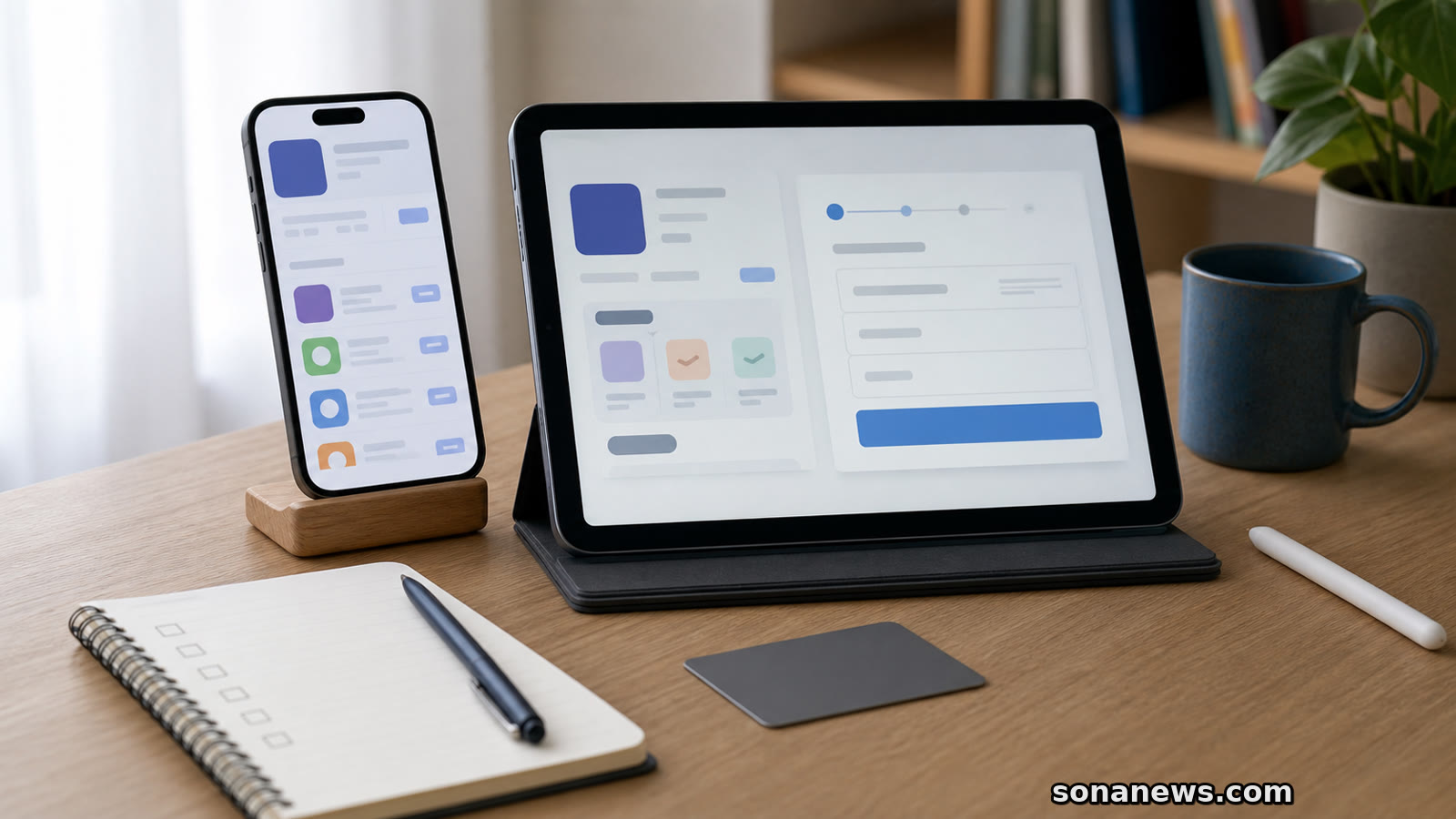

The next app store fight may not look like a fight at all. It may look like a button, a banner, a link in a subscription screen, or a short disclosure before a user leaves one checkout system for another.
That is the practical layer of Europe’s Digital Markets Act as it reaches app payments. The law is often described in grand terms: gatekeepers, contestability, platform power, fairer digital markets. On a phone, those words shrink into a more ordinary question. If an app tells a user that a cheaper or different purchase is available somewhere else, what exactly happens when the user taps?
The European Commission’s current answer is that large app stores cannot make that steering too hard. In April 2025, the Commission found Apple in breach of the DMA’s anti-steering obligation and fined the company €500 million. The Commission’s 2025 implementation report, published in May 2026, puts that decision in a broader year of enforcement, with seven gatekeepers and 23 core platform services under supervision at the end of 2025. The point is not only a fine. It is a signal that payment routes are now part of platform regulation, not just developer relations.
Apple’s response has been detailed, cautious and commercially important. In June 2025, Apple told developers it was introducing updated EU terms that let apps in EU storefronts communicate and promote offers for digital goods or services at a destination of the developer’s choice. That destination can be a website, an alternative app marketplace or another app. It can be reached outside the app, inside a web view or through a native experience.
That sounds simple until the support layer appears. Apple’s developer support page says apps using these options can give in-app information about prices and offers outside Apple’s in-app purchase system, and can use actionable links. It also says that transactions outside Apple’s system will not appear in App Store purchase history, App Store subscription management, Ask to Buy, Family Sharing or Report a Problem in the same way. Apple says developers using external offers are responsible for billing, refunds, cancellations, taxes, privacy compliance, payment processing compliance and customer support.
That is the part users are most likely to feel. A payment outside an app store may be perfectly legitimate. It may also mean a different refund route, a different receipt, a different subscription-management page and a different company holding payment details. The link is no longer just a link. It is a handoff between two trust systems.
For developers, the choice is not only technical either. Apple’s June 2025 notice referred to new business terms for apps that communicate and promote external offers, including an initial acquisition fee, a store services fee and, for certain apps, a Core Technology Commission. Apple’s Core Technology Fee page still explains the existing EU alternative terms, including the one million first annual installs threshold and the €0.50 fee for each first annual install above that threshold for standard apps. It also says Apple planned to move to a single EU business model by January 2026, transitioning from the Core Technology Fee to the Core Technology Commission on digital goods or services.
The result is awkward, which is why it is worth paying attention to. Regulators want app stores to stop using their control of distribution to trap developers inside one payment route. Apple argues that opening links, payments and distribution creates new risks, fewer integrated protections and more places where support can break. Both claims can contain useful truth. More choice can be real, and so can more confusion.
This is where the language around choice becomes too thin. A useful checkout choice is not only the presence of an external link. It includes the disclosure around the link, the price comparison, the refund route, the cancellation path, the company handling the payment and the support desk that answers when something goes wrong. If a subscription moves outside the app store but the app still feels like it came from the app store, users may not notice the boundary until they try to cancel or dispute a charge.
There are limits to the story. This is EU-specific, shaped by gatekeeper rules and by Apple’s own terms. It does not mean every app will offer an external checkout, that every external route will be cheaper, or that Apple’s integrated purchase system disappears. It also does not settle the wider argument about whether app store control protects users or protects a business model. The answer can vary by app, user and transaction.
What has changed is the location of the argument. The old app store debate was often about abstract market power. The new one is about the small screen moment when an app says there is another way to pay. That moment now has policy, fees and customer support folded into it. The checkout link has become a product decision, a regulatory test and, for users, a prompt to understand who is taking responsibility after the tap.
Editorial note. This article is general technology information. It is not legal, tax, payment, privacy or platform compliance advice.
Sources
- Source: European Commission, "Commission finds Apple and Meta in breach of the Digital Markets Act", Extracted 2026-06-16. Verified: 23 April 2025 decision, Apple anti-steering breach finding and €500 million fine
- Source: European Commission, "Commission publishes 2025 report on the Digital Markets Act implementation", Extracted 2026-06-16. Verified: May 2026 report publication, enforcement framing, Apple anti-steering non-compliance reference and DMA cloud-sector context
- Source: European Commission, "Digital Markets Act", Extracted 2026-06-16. Verified: DMA purpose, gatekeeper framing, examples including app stores, and Commission role as sole enforcer
- Source: Apple Developer, "Updates for apps in the European Union", Extracted 2026-06-16. Verified: June 2025 EU app updates, external offer destinations, in-app and out-of-app routes, new fee categories and planned January 2026 business-term transition
- Source: Apple Developer Support, "Communication and promotion of offers on the App Store in the EU", Extracted 2026-06-16. Verified: external purchase link options, disclosure flow, unsupported App Store features for outside transactions and developer responsibilities
- Source: Apple Developer Support, "Core Technology Fee", Extracted 2026-06-16. Verified: CTF scope, one million first annual install threshold, €0.50 fee over threshold for standard apps and Apple’s stated CTC transition plan
Help us improve
Was this article useful?
One anonymous tap helps Sona improve future reporting, headlines and source context.
Up next

The coming Android 16 feature lets Gemini save where you say you left keys or a passport. That can be useful, but it only knows the location you entered.
Continue readingMore in Tech