The airport ID check now has a fee attached
TSA ConfirmID gives U.S. domestic flyers without an acceptable ID a $45 fallback, but it adds time at the checkpoint and does not replace a proper travel document.
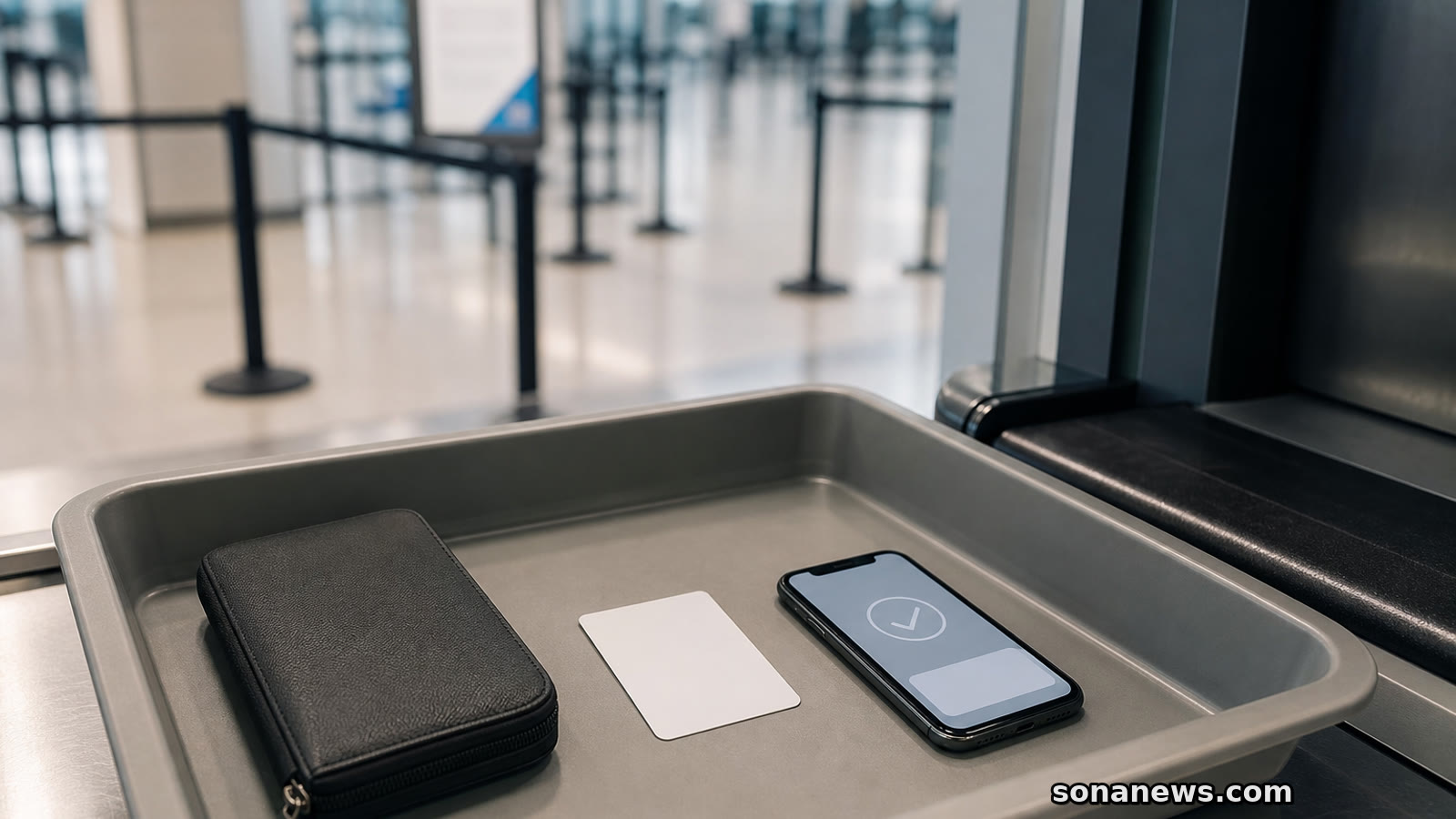

A U.S. airport ID check is no longer just a last-minute wallet panic. Since May 7, 2025, TSA has been enforcing REAL ID rules at domestic checkpoints, and from February 1, 2026, the agency’s new ConfirmID option adds a $45 paid fallback for adult travelers who arrive without an acceptable ID.
The important bit is easy to miss: REAL ID is not the only ID that works. TSA’s accepted list still includes a U.S. passport or passport card, a Department of Defense ID, a DHS Trusted Traveler card, some Tribal IDs, and several other documents. For many people, the practical question is not "Do I have a REAL ID?" It is "Do I have one of the IDs TSA will accept at the checkpoint?"
That distinction matters because ConfirmID is not a faster lane or a casual convenience fee. TSA describes it as an identity verification option for travelers who do not have acceptable identification, including people using a state license or ID that is not REAL ID compliant. The fee is paid through Pay.gov, and the traveler brings the receipt, printed or electronic, to the checkpoint.
TSA says the verification process averages 10 to 15 minutes but can take 30 minutes or more. The agency also warns that completing the ConfirmID process does not guarantee travel. If TSA cannot verify a passenger’s identity, that person may not be allowed through security and could miss the flight.
The 10-day window is useful but narrow. TSA’s ConfirmID information says the fee allows use of the process for 10 days from the date of travel listed on the receipt. Each adult traveler 18 or older without acceptable ID must complete the process separately. That makes this less like buying one family add-on and more like a backup procedure for each adult who needs it.
Families get one small break. TSA says children under 18 do not need to show ID for domestic travel within the United States, although airlines can have their own rules for minors. Adults should not treat that as a general family exemption. The checkpoint rule still starts with each adult’s own acceptable identification.
There are other small details worth checking before turning this into airport folklore. TSA says it currently accepts expired IDs up to two years after expiration, but only for the forms on its acceptable-ID list. A mobile or digital ID may be accepted in some settings, but TSA’s FAQ still tells travelers using digital ID to bring the physical ID to the checkpoint. In other words, the phone alone is not a neat escape hatch for every trip.
The payment mechanics also matter. TSA points travelers to Pay.gov and tells them to keep the confirmation email, screenshot it or print the receipt. Cash is not accepted through Pay.gov, and TSA officers do not take cash at the airport. That makes ConfirmID a process to prepare for, not a spare $45 tucked into a passport cover.
For international readers, the rule is easy to misread from a distance. A passport remains on TSA’s acceptable ID list. The bigger friction point is for U.S. domestic flyers who expected a standard state license to be enough, or for anyone who loses an ID before a trip and has to rely on identity verification at the airport.
The safest planning habit is boring: check the TSA accepted ID page before travel, especially if the trip depends on a state driver’s license, a recently renewed document, or a name change. DHS says a REAL ID-compliant license or card is usually marked with a star, but marking can vary by state. TSA’s own list is the cleaner source than airport rumours, screenshots, or old travel blog posts.
A useful pre-trip check is one accepted ID per adult, plus a separate plan if that ID is lost on the way to the airport. That sounds excessive until the trip involves an early flight, a rental car queue, a child in tears or a connection that leaves no spare half-hour for identity verification.
There is a human side to this too. Airport rules tend to become real only when someone is already standing in a security line, half an hour from boarding, with a bag open on the floor. ConfirmID gives TSA a structured fallback. It does not make poor ID planning harmless.
For travel planning, the article is not "everybody needs to pay $45." They do not. The quieter story is that the checkpoint has become less forgiving for people carrying the wrong ID, and the backup now has a price, paperwork, and waiting time attached.
Editorial note. This article is general travel-planning information based on official TSA, DHS and Pay.gov pages available at publication time. Airport screening decisions are made by TSA at the checkpoint, and travelers should check the current official TSA identification pages before relying on any document or fallback process.
Sources
- TSA, "REAL ID" - confirms that REAL ID enforcement began on May 7, 2025, and explains that domestic flyers need a REAL ID-compliant document or another acceptable ID
- TSA, "Identification" - lists acceptable IDs for adults at checkpoints and notes that passengers without acceptable ID may face ConfirmID or additional verification
- TSA, "TSA ConfirmID" - describes the paid identity verification option for travelers without acceptable identification
- TSA, "About ConfirmID" - gives operational details including receipt use, average verification time and the 10-day validity window
- TSA, "ConfirmID FAQs" - confirms separate adult traveler requirements and explains practical limits of the process
- DHS, "TSA Begins REAL ID Full Enforcement" - official department confirmation of May 7, 2025 enforcement at TSA checkpoints
- Pay.gov, "TSA ConfirmID" - official payment form context for the $45 fee and receipt-based process
Help us improve
Was this article useful?
One anonymous tap helps Sona improve future reporting, headlines and source context.
Up next

A new official warning says ham sandwiches, pork dumplings and inflight leftovers should be discarded or declared before customs.
Continue readingMore in Travel