Brazil’s eVisa makes the airport too late for paperwork
U.S., Canadian and Australian passport holders now have a Brazil visitor-visa check before departure, so the practical starting point is the official eVisa route, not the airline desk.
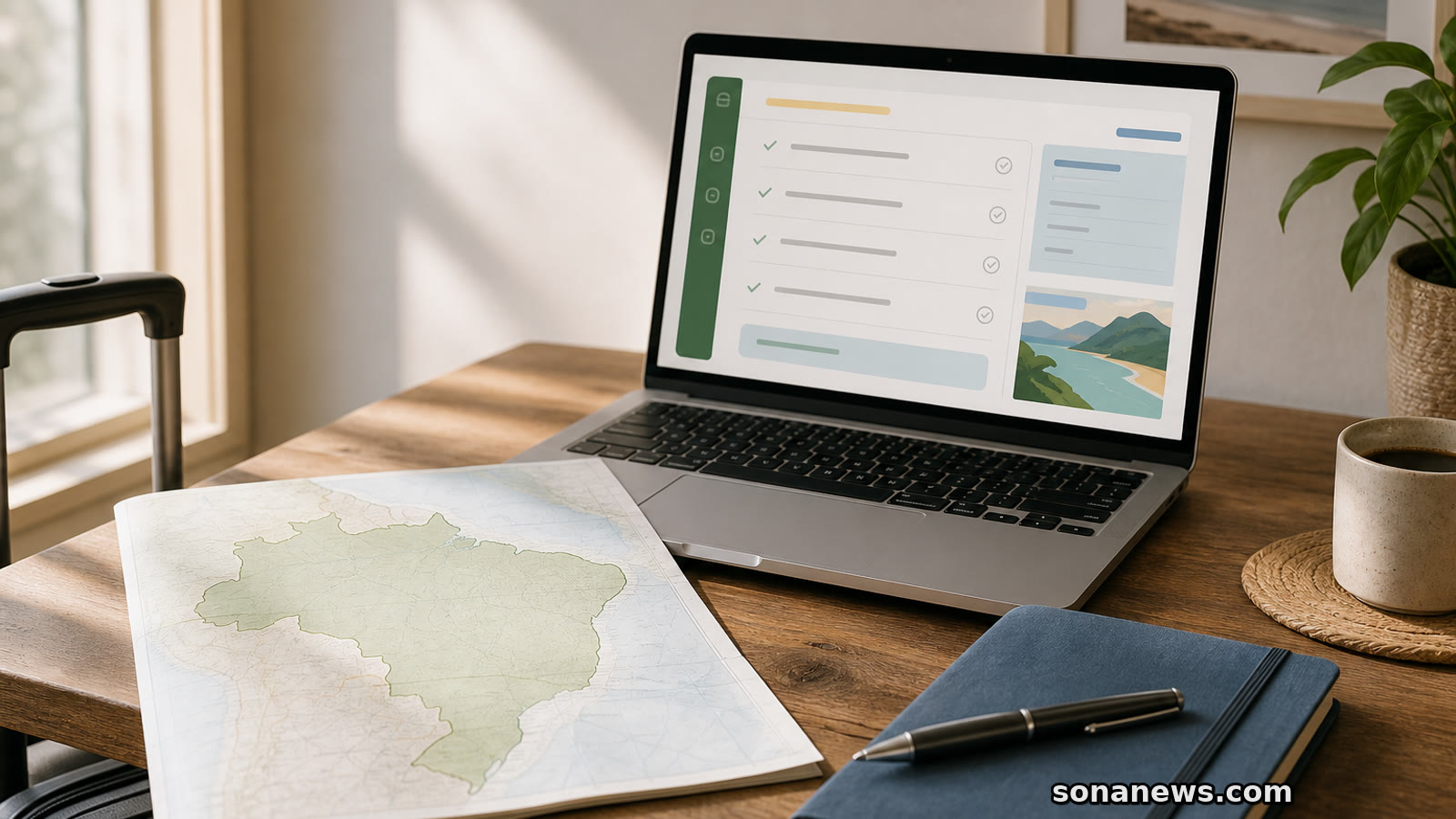

Brazil has not become a closed door. It has become a country where some travellers can no longer leave the entry paperwork to the airport queue. For U.S., Canadian and Australian passport holders, the small but consequential change is that a Brazil trip now begins with a visitor-visa check before departure.
The clearest official wording comes from Brazil’s Ministry of Foreign Affairs. Its consular page for the electronic visitor visa says citizens travelling on passports from Australia, Canada and the United States, when visiting Brazil for tourism or business, are subject to visa requirements for entry into Brazilian territory from 10 April 2025. The same page points those travellers to the Brazil eVisa portal and says the electronic visa route is only for those three nationalities.
That narrowness matters. This is not a universal new form for every visitor to Brazil. It is a passport-specific rule, and it sits beside the wider visa and exemption system that other travellers still need to check through official channels. A British passport holder, a Brazilian dual national, a Canadian travelling with a child, and a U.S. business traveller may all be looking at different administrative questions. The useful habit is not to remember a headline. It is to check the current official source for the passport being used.
For the affected passport holders, the practical consequence is timing. The Australian government’s Smartraveller page states plainly that Australians need a visa to enter Brazil, should arrange it before arrival and will not be able to obtain a visa at the airport or border entry point. The U.S. State Department’s Brazil travel page says U.S. travellers need a valid Brazilian visa or e-visa and visa approval before departing for Brazil. Canada’s official travel advice lists tourist, business and student visas as required for Canadians and links to the Brazil eVisa route.
This is the sort of rule that is easy to misremember because it reverses a recent habit. Brazil had a visa-waiver period for these travellers, then the requirement returned. Old advice may still be shared in group chats, saved itineraries and search snippets. The article is not a substitute for checking eligibility, but the pattern is clear enough for planning: do not treat last year’s Brazil entry note as a permanent fact.
In other words, the airport is now a checkpoint, not the place to begin the process. Airlines and border officers are not there to turn a half-remembered rule into an instant approval. That is the mundane, slightly irritating part of modern travel admin: the permission question has moved upstream, into the same planning window as tickets, accommodation and passport validity.
The Brazilian consular page frames the eVisa as an online process for tourism and business stays of up to 90 days. It lists ordinary supporting items such as a signed passport valid through the end of the trip, free visa pages, an online application form, a passport-style photo and the eVisa fee, stated on that page as US$80.90. For minors, the page lists additional documents, including a birth certificate and parental authorisation material. Those details are exactly why families and group trips can be more fragile than a solo weekend break when paperwork is left late.
There is also a lookalike-site problem. Once a government rule becomes a travel chore, search results can fill with paid intermediaries, old blog posts and pages that blur official links with service fees. The Brazilian consular page names the eVisa portal directly. The Canadian page links to the Brazil eVisa route. The safer baseline is to start from an official government page, then follow the named portal from there, rather than working backwards from a sponsored result.
Entry paperwork is not the whole Brazil planning story. The U.S., Canadian and Australian travel-advice pages also carry safety and security guidance, with cautions about crime and regional risks. That does not make every trip unsafe, and it is not a reason to flatten Brazil into a warning label. It does mean the visa check should sit alongside the usual country-advice check, especially for first-time visitors or people building a multi-city itinerary.
The lesson is modest but easy to miss. Brazil’s eVisa is not a dramatic border story. It is one more example of travel becoming less forgiving of last-minute admin. A flight to Rio de Janeiro, São Paulo, Brasília or the coast may still feel like a holiday decision. For the passport holders covered by the rule, it is also a pre-departure paperwork decision, and the wrong time to discover that is at check-in.
Sources
- Source: "Electronic Visitor Visa (e-Visa) - U.S., Canadian & Australian Citizens", Ministério das Relações Exteriores, Consulate General of Brazil in Miami, Extracted 2026-06-14. Verified: affected passport nationalities, 10 April 2025 start date, tourism and business scope, eVisa portal direction, up-to-90-day framing, documents, minor-document warning and US$80.90 fee listed on the page
- Source: "Brazil International Travel Information", U.S. Department of State, Extracted 2026-06-14. Verified: U.S. quick-facts visa requirement, passport validity and blank-page notes, requirement for a valid Brazilian visa or e-visa and approval before departing for Brazil, plus separate safety-advisory context
- Source: "Travel advice and advisories for Brazil", Government of Canada, Extracted 2026-06-14. Verified: Canadian tourist, business and student visa requirements, Brazil eVisa link, more-than-90-day extension note, possible customs questions about return or onward ticket and sufficient funds, and current travel-advice context
- Source: "Brazil Travel Advice & Safety", Australian Government Smartraveller, Extracted 2026-06-14. Verified: Australians need a visa to enter Brazil, visa should be arranged before arrival, no visa is available at airport or border entry point, and entry and exit conditions can change at short notice
Help us improve
Was this article useful?
One anonymous tap helps Sona improve future reporting, headlines and source context.
Up next
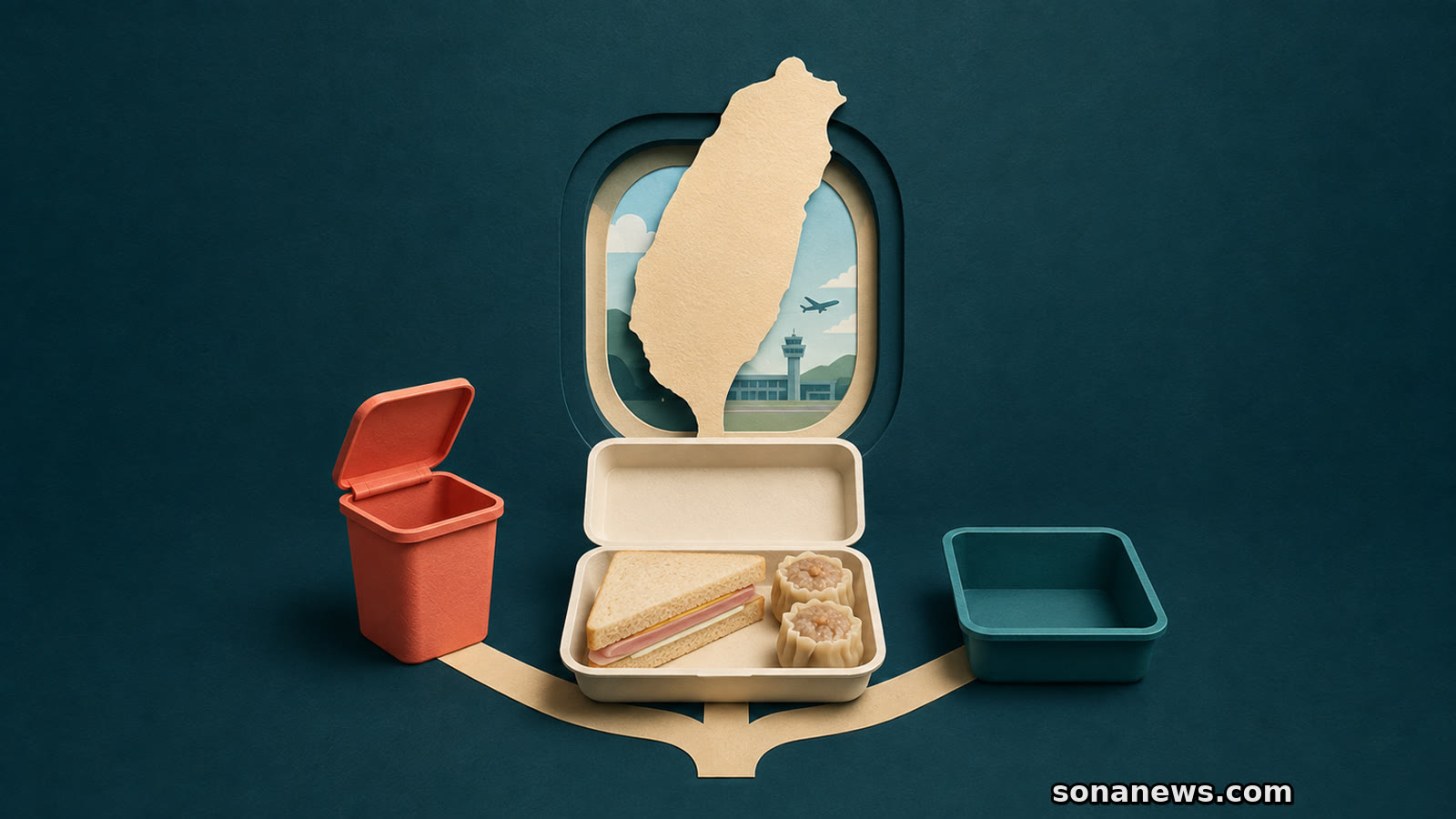
A new official warning says ham sandwiches, pork dumplings and inflight leftovers should be discarded or declared before customs.
Continue readingMore in Travel