The U.S. national park trip now needs a plan B
Yosemite, Arches and Glacier are easing advance vehicle reservations in 2026, but Rocky Mountain and Logan Pass show why the booking calendar has not vanished.
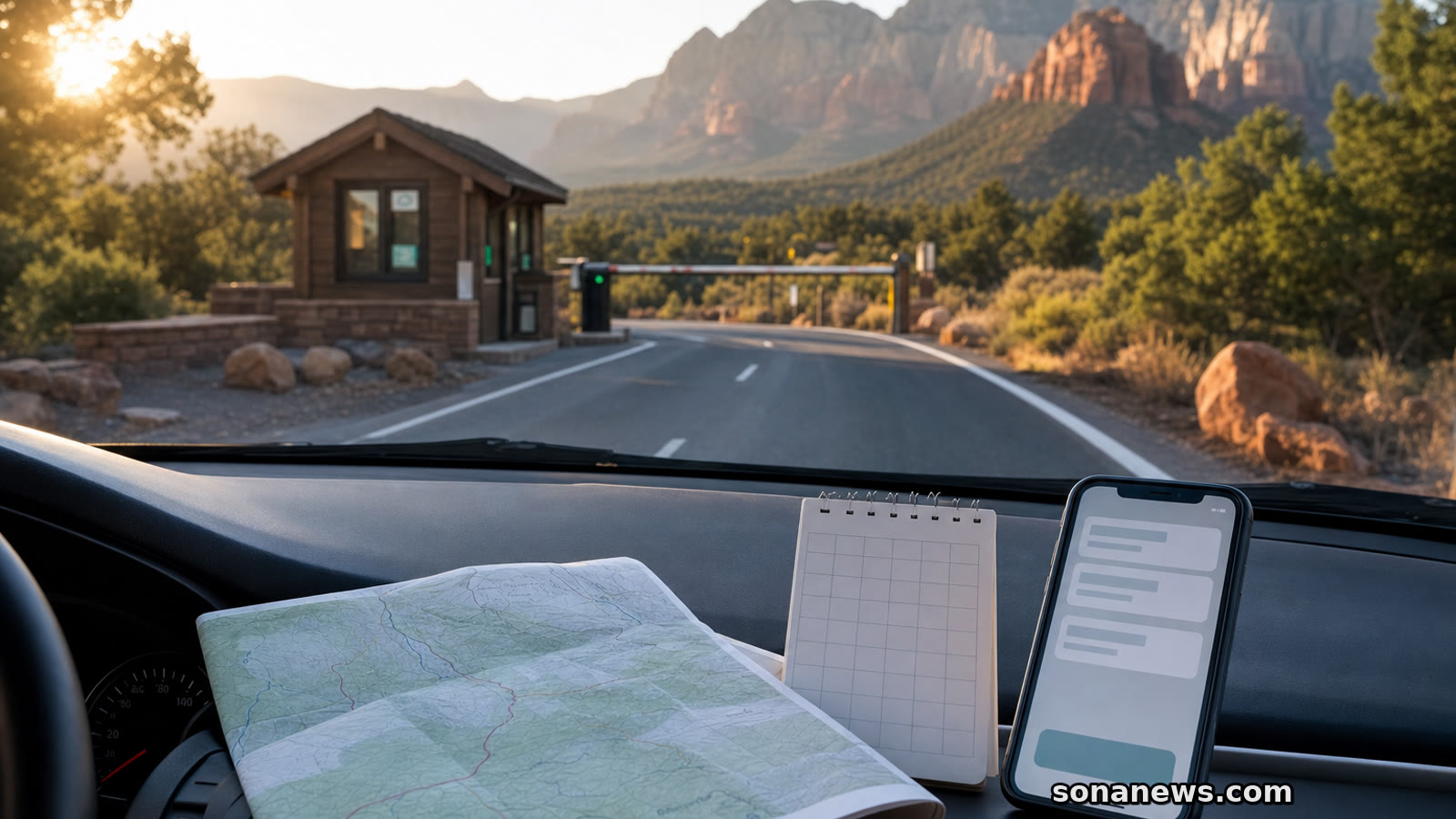

The summer national park checklist used to be satisfyingly physical: map, water, shoes, fuel, patience. In 2026, the more awkward item is invisible until it is not. Some of the most visited U.S. parks are dropping advance vehicle reservations this year. Others are keeping timed entry, ticketed shuttles or parking limits that can shape the day just as much as a trail map.
The National Park Service announced in February that four high-visitation parks would take different approaches for summer 2026: Arches, Glacier, Rocky Mountain and Yosemite. The headline is tempting: reservations are being lifted at several famous parks. That is true, but incomplete. The better reading is that park access is becoming more local, more conditional and more dependent on what happens when a road or car park fills.
Yosemite is the cleanest example of the shift. The park says it will not use a timed reservation system in 2026. Its entrance reservation page says the decision followed a review of 2025 traffic patterns, parking availability and visitor use. Most weekdays, the park says, still had available parking, stable traffic and visitation within operational capacity. That does not make Yosemite quiet. The park's own trip-planning page still warns that millions visit from April through October and tells visitors that arriving before 9 am or after 5 pm can reduce delays.
Arches is similar on paper, with an important desert wrinkle. The park announced that it will not require advanced timed-entry reservations in 2026, so visitors may enter during operating hours without booking a slot. It also warns that entrance lines and limited parking can still occur in peak periods, especially on weekends and holidays. The reservation gate may be gone for the season, but the finite number of spaces at Delicate Arch, Devils Garden and other popular stops has not magically expanded.
Glacier is the case that should stop anyone from treating 2026 as a simple rollback. Vehicle reservations will not be required anywhere in the park, according to the park's 2026 vehicle reservations page. At Logan Pass, though, the park is adding a more precise tool: private vehicle parking limited to three hours from July 1 through Labor Day, September 7, with a ticketed Logan Pass shuttle for some day-use access. The park says the shuttle is aimed at express service to Logan Pass, and tickets are handled through Recreation.gov with a $1 processing fee. For longer hikes beginning at Logan Pass, including Highline Trail routes, Glacier says visitors will need the shuttle rather than relying on a three-hour parking stay.
Rocky Mountain is the counterpoint. Its 2026 timed entry system began on May 22 and runs into October, with two reservation types. A standard Timed Entry reservation is required for much of the park between 9 am and 2 pm daily through October 12. Timed Entry + Bear Lake Road is required for the Bear Lake Road Corridor between 5 am and 6 pm daily through October 18. The park says reservations allow entry within two-hour windows, cost only a non-refundable $2 Recreation.gov processing fee, and do not replace the normal entrance fee or pass.
That mix tells travellers something useful. The old question was, "Does this park need a reservation?" The 2026 question is clunkier but more accurate: which part of the park, on which date, at what time, and by what mode of access? A visitor driving into Yosemite Valley on a weekday morning faces a different problem from someone aiming for Logan Pass parking at midday or Bear Lake Road before dawn.
There is a policy reason for the patchwork. NPS says the plans are tailored to infrastructure, visitation demand, safety, parking and roadway capacity. That sounds bureaucratic, but the practical meaning is plain. A mountain pass, a narrow desert entrance road and a valley with heavy day traffic do not fail in the same way. A park-wide reservation can be too blunt in one place and essential in another.
The reader risk is not only being turned away. It is designing a trip around last year's rule. A family may remember that Yosemite required peak-period reservations in recent seasons and assume the same in 2026. Another traveller may hear that Glacier has no vehicle reservation and miss the Logan Pass parking limit or shuttle ticket rules. Someone booking Rocky Mountain accommodation may forget that Bear Lake Road has its own earlier, longer timed window.
There is also a language problem. "No reservation" can mean no advance vehicle reservation for entry. It does not necessarily mean no campground booking, no wilderness permit, no shuttle ticket, no trail-specific permit, no entrance fee and no temporary diversion if a road or parking area reaches capacity. Arches, for example, says reservations are still needed for Devils Garden Campground and Fiery Furnace hikes. Yosemite still strongly points overnight visitors toward lodging, camping and wilderness permit planning.
For international readers planning a U.S. road trip, this is where the park-by-park habit matters. A route that links several famous parks can cross several access systems in a week. The sensible planning move is not to hoard every possible slot or panic about rules changing. It is to check the official park page before choosing dates, then check again nearer arrival for road status, parking controls, shuttles and weather-related openings.
The broader story is not that national parks are suddenly open or suddenly restricted. It is that managers are trying to swap blunt reservation systems for targeted pressure valves where they think those can work. In practice, that puts more responsibility on the traveller to notice the difference between entry, parking, shuttles and permits.
A park trip still starts with a map. In 2026, it also starts with the small print on the official planning page.
Editorial note. This article is general travel-planning information, not official park guidance. Park access, road openings, parking controls, shuttles, permits and weather conditions can change. Use the linked National Park Service and Recreation.gov pages before booking or travelling.
Sources
- U.S. National Park Service, Office of Communications - "National Park Service Expands Access for Summer 2026 While Maintaining Safety at High-Visitation Parks" - - extracted 2026-06-07. Verified: February 18, 2026 announcement, four-park framing, Yosemite/Arches/Glacier/Rocky Mountain comparison and park-specific access approach
- Yosemite National Park - "Entrance Reservations" - - extracted 2026-06-07. Verified: no timed reservation system in 2026, evaluation of 2025 traffic and parking data, active traffic management approach
- Yosemite National Park - "Plan Your Visit" - - extracted 2026-06-07. Verified: no entrance reservation required in 2026, entrance fee still applies, April to October crowd warning and suggested off-peak arrival times
- Arches National Park - "Arches National Park Lifts Entry Reservation Requirement for 2026" - - extracted 2026-06-07. Verified: no advanced timed-entry reservations in 2026, possible entrance lines and parking limits, reservations still required for Devils Garden Campground and Fiery Furnace hikes
- Glacier National Park - "Vehicle Reservations in 2026" - - extracted 2026-06-07. Verified: vehicle reservations not required in 2026, ticketed-only shuttle system and three-hour limited timed parking at Logan Pass
- Glacier National Park - "Visiting Logan Pass in 2026" - - extracted 2026-06-07. Verified: July 1 to Labor Day Logan Pass parking period, ticketed shuttle details, longer-hike access warning
- Rocky Mountain National Park - "Timed Entry Permit System" - - extracted 2026-06-07. Verified: May 22 start, October end dates, two timed entry options, Bear Lake Road hours, two-hour windows and $2 Recreation.gov processing fee
Help us improve
Was this article useful?
One anonymous tap helps Sona improve future reporting, headlines and source context.
Up next

A new official warning says ham sandwiches, pork dumplings and inflight leftovers should be discarded or declared before customs.
Continue readingMore in Travel