For many UK visitors, the trip now starts before boarding
The UK ETA is now a £20 pre-travel check for many visa-free visitors, and the details matter before families, transit passengers and passport holders reach the gate.
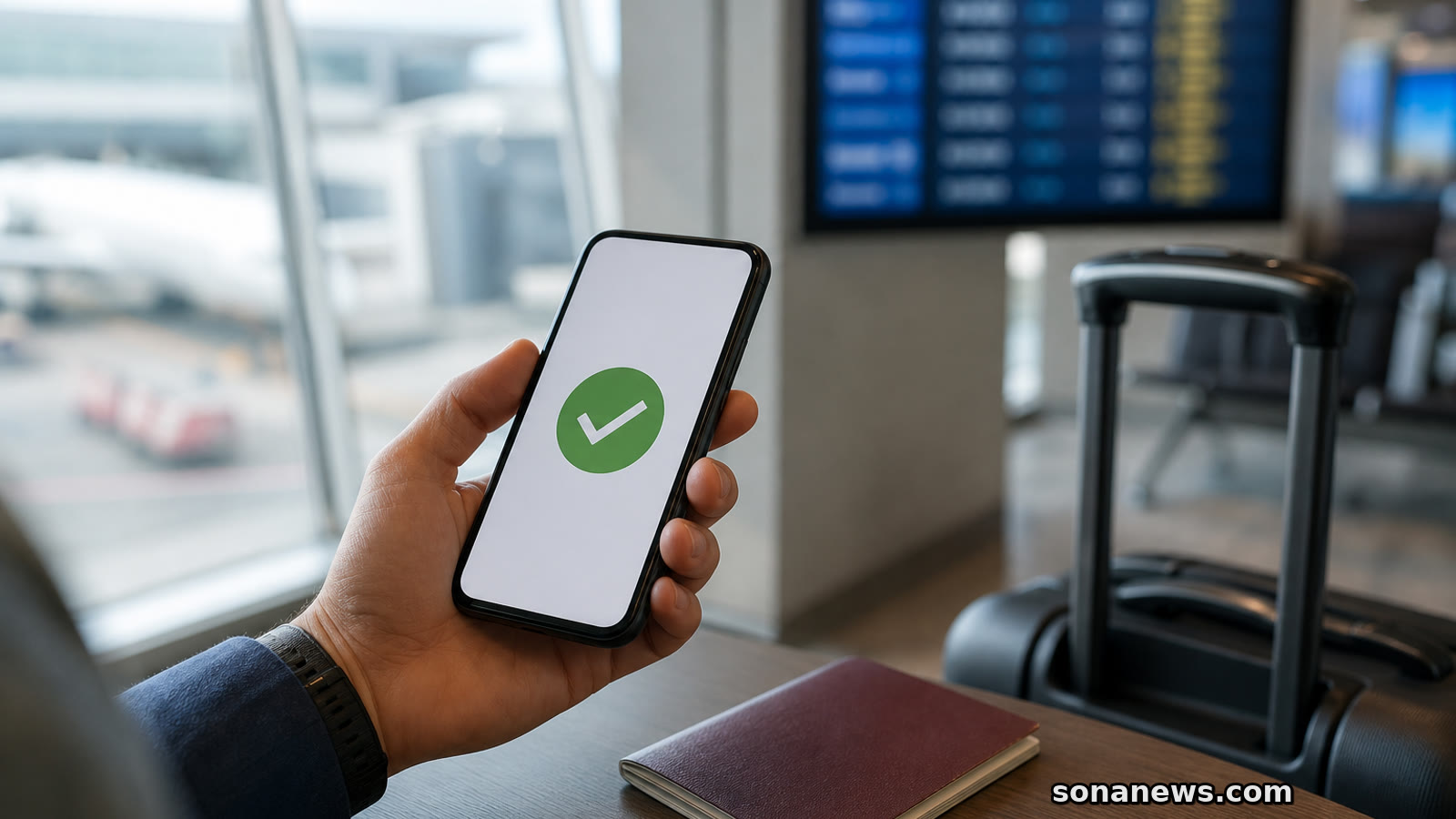

For many short trips to Britain, the first border check now happens before anyone reaches the boarding gate. The UK Electronic Travel Authorisation, usually called the ETA, is no longer a niche rollout for a few nationalities. It has become part of ordinary trip planning for many visitors who do not need a visa for a short stay.
The current GOV.UK guidance puts the basic rule in plain terms: an ETA lets a person travel to the UK, Jersey, Guernsey or the Isle of Man for up to six months, and it costs £20. It can cover tourism, visiting family, some business trips, short-term study and other limited purposes listed by the government. It is not a visa, and it is not permission to enter. Border Force still makes the entry decision when the traveller arrives.
That distinction sounds bureaucratic until it reaches the check-in desk. The Home Office says visitors who need an ETA and do not have one will not be able to board their transport, unless they are exempt. Carriers are checking permission before travel. In practice, the ETA belongs in the same mental folder as the passport expiry date, the name on the booking and the route through the airport.
The fee is only one part of the change. The application is linked to the passport used for the application, so a passport renewal can shorten the useful life of an approval. GOV.UK says an ETA lasts for two years or until that passport expires, whichever comes first, and it can be used for repeated journeys while valid. A traveller who applies with one passport and then travels with another has created a very avoidable problem.
Families have their own trap. The GOV.UK overview says each person travelling needs an ETA, including babies and children. One parent can apply for someone else, but the application still belongs to an individual traveller and an individual passport. This is the part most likely to be missed in a household where adults assume that a child simply travels under the parents' paperwork.
Timing matters too. The application page says decisions usually arrive by email within a day, but travellers should allow up to three working days because some applications need more review. It also says the applicant must wait for the email confirming the ETA before travelling to the UK. That makes the ETA a poor fit for the frantic hour before an airport transfer, especially when a group application can produce decisions at different times.
The exemptions are where old habits can mislead people. British and Irish citizens do not need an ETA. People with a UK visa or permission to live, work or study in the UK do not need one either. GOV.UK also lists other exemptions, including some transit passengers who do not pass through UK border control, and tells travellers to check with their airline if they are unsure about the route. A connection through Britain is therefore not one simple category. The question is whether the passenger will go through passport control.
The nationality list can also move. GOV.UK's eligibility page, updated in April 2026, lists the nationalities that can currently apply and notes recent changes for some countries. That is a useful warning against relying on a screenshot, an old travel forum answer or a cached airline page. The official checker is slower than a rumour, but it is the source that matters when the boarding decision is made.
The ETA also has limits after arrival. The GOV.UK page on what an ETA allows says it can be used for visits of up to six months for tourism, visiting family and friends, business trips or short-term study, among other listed purposes. It also says an ETA cannot be used to live in the UK through frequent or successive visits, work for a UK company outside limited exceptions, claim public funds or marry or register a civil partnership. Those details are not decorative small print. They separate a visit from a trip that needs a different route.
For a travel planner, the practical lesson is not that Britain has become unusually difficult to visit. It is that another digital permission has moved upstream. The border conversation now starts when the ticket is being booked, not when the passport is opened at arrivals.
The fairest way to treat the ETA is as a pre-flight document check rather than a formality. Does the traveller's nationality qualify? Is this the same passport that will be used at the airport? Does every person in the group, including children, have their own approval if they need one? Is the journey a visit covered by ETA rules, or does GOV.UK point to a visa instead?
None of this makes for glamorous travel copy. It is admin. But it is the kind of admin that decides whether a trip begins with a boarding pass or an awkward conversation at the airline desk.
Editorial note. This article is general travel-planning information based on official UK government pages available at publication time. It is not immigration or legal advice. Requirements can change by nationality, passport, route and purpose of travel, so travellers should use current GOV.UK guidance or qualified advice for their own situation.
Sources
- GOV.UK, "Get an electronic travel authorisation (ETA) to visit the UK" - verifies the £20 official fee, the broad ETA purpose, that each traveller including babies and children needs one when required, and that an ETA does not guarantee entry
- GOV.UK, "Apply for an ETA" - verifies application requirements, no refund after applying, decision timing, the need to wait for confirmation, passport linkage and two-year or passport-expiry validity
- GOV.UK, "Check if you can get an electronic travel authorisation (ETA)" - verifies eligibility by passport nationality, current eligible nationalities and April 2026 updates extending ETA use to Jersey, Guernsey and the Isle of Man
- GOV.UK, "When you do not need an ETA" - verifies exemptions for British and Irish citizens, visa holders, people with UK permission, certain transit passengers and other listed groups
- GOV.UK, "What you can and cannot do with an ETA" - verifies permitted short-stay purposes and limits, including work, marriage and frequent or successive visits
- Home Office in the media, "Electronic Travel Authorisation (ETA) factsheet - April 2026" - verifies current official framing of ETA as a digital permission to travel, not a visa or tax, and confirms the current £20 cost and carrier-facing travel permission point
- GOV.UK, "No permission, no travel: UK set to enforce ETA scheme" - verifies the 25 February 2026 enforcement framing and carrier checks for visitors who need advance permission
Help us improve
Was this article useful?
One anonymous tap helps Sona improve future reporting, headlines and source context.
Up next

A new official warning says ham sandwiches, pork dumplings and inflight leftovers should be discarded or declared before customs.
Continue readingMore in Travel