The soft cheese recall makes the fridge part of the health story
CDC and FDA are investigating a Listeria outbreak linked to recalled requeson and soft ricotta. The useful lesson is product-specific and practical, not panic.

A food recall can sound like a distant notice until it names something that might be sitting in a fridge. That is why the current U.S. warning over requeson and soft ricotta deserves a calm read. It is not a reason to fear every cheese counter. It is a reminder that, during a Listeria investigation, the product, the shelf and the surfaces around it all become part of the story.
CDC said on 4 June that it was investigating a multistate outbreak of Listeria infections linked to soft cheese. The agency listed eight illnesses in three states, with seven hospitalisations and one death in Maryland. FDA's outbreak page gives the same case count and names the recalled product as Clover Hill Dairy soft ricotta or requeson cheese, made in Mechanicsville, Maryland.
The recall is specific. CDC says Clover Hill Dairy recalled requeson and soft ricotta on 3 June, including products sold from its retail market, at farmers markets and through other distributors, including in New York and Virginia. FDA says confirmed distribution is Maryland, New York and Virginia, while noting that product could have gone further. The label detail to look for, when packaging is available, is manufacturer permit or plant number 24-128. FDA also notes that some products may have been relabelled under another brand.
Those details are the opposite of useful panic. They narrow the question. A household does not need to regard the whole refrigerator as suspicious because it read the word Listeria online. The practical question is whether the recalled cheese, or a product that may match it, was present. If it was, CDC and FDA say the cheese should not be eaten, sold or served, and surfaces or containers that may have touched it need cleaning and sanitising.
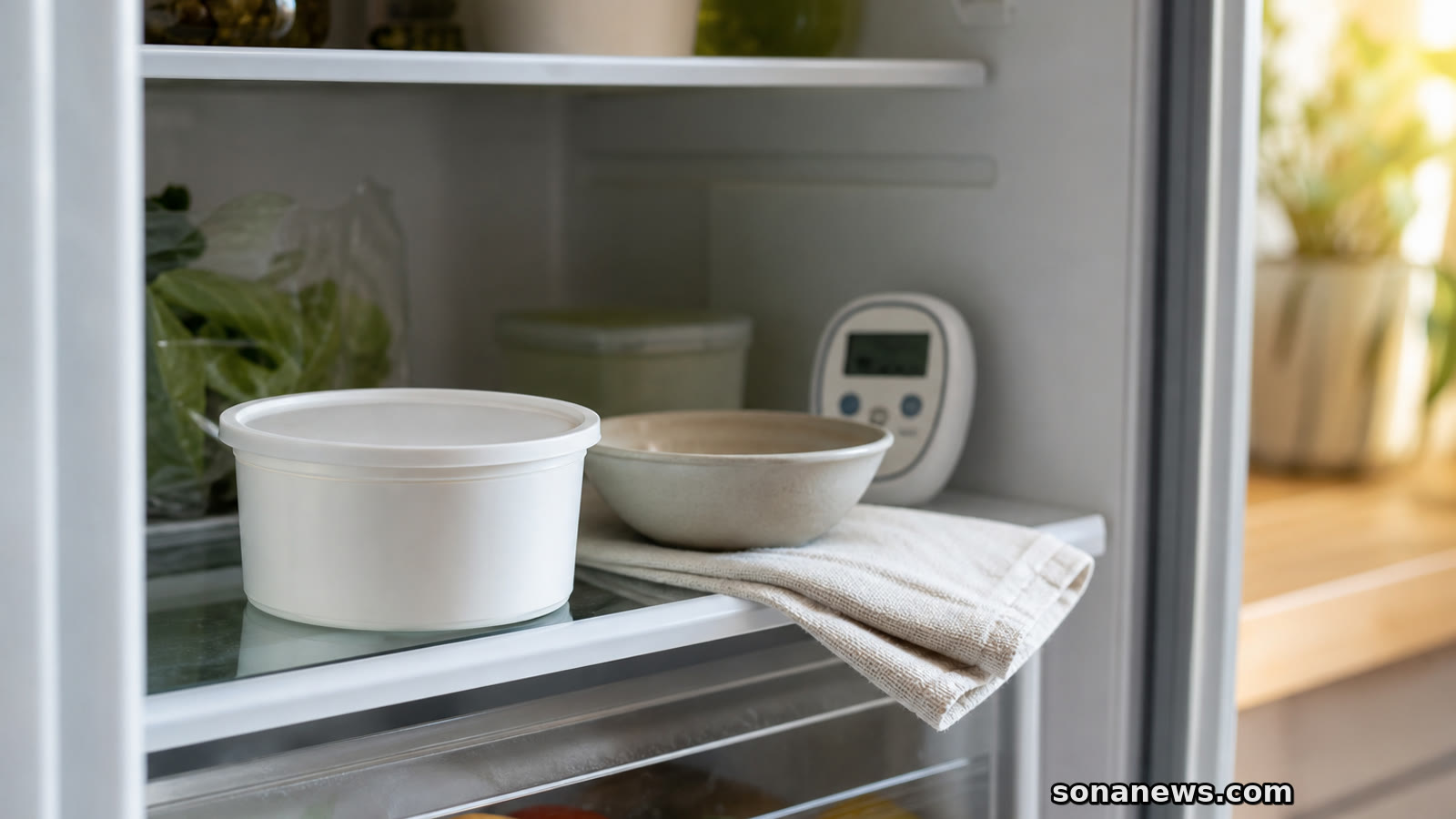
The fridge matters because Listeria behaves differently from many kitchen risks people imagine. CDC and FDA both warn that Listeria can survive in refrigerated temperatures and spread to other foods and surfaces. That is why the recall notice does not stop at the container. It reaches the drawer, the shelf, the knife, the serving bowl, the hands that moved food around while dinner was being made.
The numbers also need context. Eight confirmed illnesses can look small beside the force of a national alert, but CDC explains that recent illnesses may not yet be reported because it usually takes three to four weeks to determine whether a sick person is part of an outbreak. Some people recover without medical care, and some are not tested for Listeria. That does not mean the true count is unknowable. It means the public count is a surveillance picture, not a live scoreboard.
The investigation is still moving. CDC's update says epidemiologic, laboratory and traceback data show that some requeson or soft ricotta products are contaminated with Listeria monocytogenes and are making people sick. Whole genome sequencing showed bacteria from sick people's samples were closely related genetically, which points investigators toward a shared source. FDA is more cautious in another important way: it says the agency is still in the early stages of the investigation and that there is not enough evidence yet to determine whether the recalled cheese explains the entire outbreak.
That tension is normal in outbreak work. Agencies act before every uncertainty is closed because waiting for a perfect answer can leave contaminated food in circulation. At the same time, they keep checking whether the initial product explains all the cases. For readers, the useful position is neither complacency nor dread. It is close attention to the official recall page, the product identifiers and the higher-risk groups named by public-health agencies.
Listeria is not equally dangerous for everyone. CDC describes Listeria infection as rare but serious, especially for pregnant people, newborns, adults aged 65 or older and people with weakened immune systems. Other people can become infected, but CDC says they rarely become seriously ill. The current warning is therefore sharper for households where someone is pregnant, older or immunocompromised, or where food is prepared for someone in those groups.
Symptoms are another reason the story can be hard to read from the outside. CDC says symptoms usually begin within two weeks after eating contaminated food, but may start as early as the same day or as late as ten weeks after exposure. That long window helps explain why interviews, food histories and genetic testing matter. A case reported in June may involve food eaten long before the recall appeared in a news feed.
The least helpful version of this story is a vague warning about cheese. The more useful version is narrower and more boring, which is good. Check the official CDC and FDA pages for the named product, company and locations. Notice whether a household is in a higher-risk situation. Understand why cleaning advice appears in a recall notice for a refrigerated food. Then let the investigation do what it is meant to do: turn scattered illnesses, product records and lab results into a clearer public-health answer.
Editorial note. This article is for general information only and is not medical advice. Foodborne illness risk varies by health status, pregnancy, age, immune status, product exposure and local public-health updates. Use official CDC, FDA and local health department information for the current recall, and qualified health professionals for personal medical questions or symptoms.
Sources
- CDC - "Listeria Outbreak Linked to Requeson/Soft Ricotta Cheese" - - extracted 2026-06-09. Verified: 4 June 2026 outbreak notice, open investigation, eight cases, seven hospitalisations, one death, three states, Clover Hill Dairy recall, permit number 24-128, higher-risk groups, refrigerator survival and cleaning context
- CDC - "Investigation Update: Listeria Outbreak, June 2026" - - extracted 2026-06-09. Verified: epidemiologic, laboratory and traceback evidence; WGS relationship among patient samples; 3 to 4 week reporting lag; illness sample dates from March 2023 to May 2026; ongoing effort to identify additional linked products
- FDA - "Outbreak Investigation of Listeria monocytogenes: Soft Cheese (June 2026)" - - extracted 2026-06-09. Verified: ongoing status, June 4 update date, recalled Clover Hill Dairy soft ricotta/requeson, confirmed distribution in MD, NY and VA, possible wider distribution, product relabelling, permit number 24-128 and FDA caution that the recalled cheese may not explain the entire outbreak
- CDC - "About Listeria Infection" - - extracted 2026-06-09. Verified: Listeria infection is rare but serious, higher-risk groups include pregnant people, newborns, adults 65 or older and people with weakened immune systems, and infection is caused by contaminated food
- CDC - "Preventing Listeria Infection" - - extracted 2026-06-09. Verified: prevention guidance for higher-risk groups, soft cheese and raw milk risk context, and the emphasis on safer food choices for people at increased risk
Help us improve
Was this article useful?
One anonymous tap helps Sona improve future reporting, headlines and source context.
Up next
Primary school sessions begin this week, with secondary pupils following later in autumn. For most families, the practical deadline comes from the local school immunisation team.
Continue readingMore in Health