A pulse oximeter reading is an estimate, not the whole picture
The fingertip clip uses light, not a blood sample. US health guidance explains its accuracy limits and why a wellness device is not the same as a medically reviewed one.
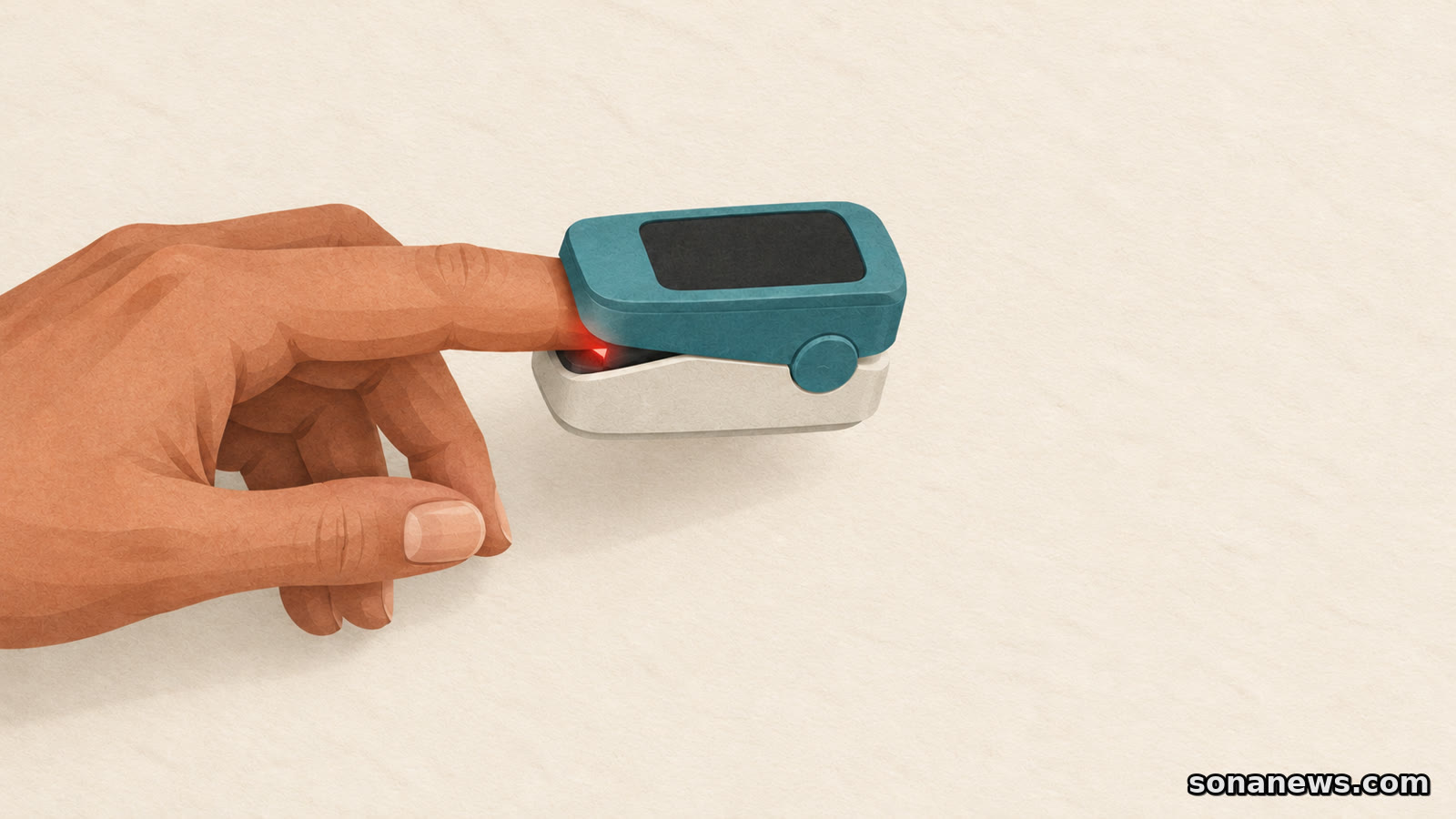

A percentage on a small screen can look more certain than the measurement behind it. A fingertip pulse oximeter offers a quick estimate of blood oxygen saturation, but it does not take a blood sample, provide a diagnosis or explain on its own how someone is doing.
That is the distinction at the heart of US Food and Drug Administration guidance. The agency describes pulse oximetry as useful, while warning that circulation, skin pigmentation and other factors can affect accuracy. It also separates devices reviewed for medical purposes from products sold for general wellness. Two similar-looking clips need not have the same intended use or regulatory history.
This is established health information, not a newly announced October restriction. The practical question is what the number represents, what can interfere with it and what evidence sits behind the device displaying it. The FDA's regulatory distinctions apply to the United States, not automatically to products sold elsewhere.
A pulse oximeter usually fits around a fingertip. Light passes through the tissue and a sensor measures it. The device uses that information to estimate oxygen saturation, which gives information about the oxygen carried in the blood. It generally also displays pulse rate.
The convenience is significant: the estimate can be obtained quickly, without drawing blood. MedlinePlus, the US National Library of Medicine's health information service, describes its use in clinics, hospitals and some home-monitoring arrangements. The same convenience does not make it a complete assessment of lung or heart health.
The FDA explains that the oxygen-saturation figure is normally labelled SpO2, while pulse rate may appear as PR. Those are different measurements. Recognising a number on the screen is not the same as knowing how to interpret it for a particular person, especially when an existing condition or the setting changes the clinical context.
MedlinePlus notes that clinicians may use an arterial blood gas test when a more accurate result is needed. That is a different test requiring a blood sample, not another name for the finger clip. A pulse oximeter's non-invasive estimate and a laboratory measurement should not be treated as interchangeable simply because both concern oxygen.
The FDA lists poor circulation, skin pigmentation, skin thickness, skin temperature, current tobacco use and fingernail polish among factors that can affect readings. MedlinePlus also identifies artificial nails and cold skin. These limitations concern the measurement process, not just whether the battery is working or the display is easy to read.
A reading settling on the screen therefore answers only one question: the display has stopped changing at that moment. It does not establish that every source of error has disappeared. Equally, an unexpected reading cannot reveal its own cause. The device does not distinguish, by itself, between a measurement problem and a change that needs clinical assessment.
Skin pigmentation deserves particular care in that explanation. The FDA says scientific evidence suggests differences in performance between people with lighter and darker skin pigmentation. Its device information page records concerns that pulse oximeters may be less accurate in people with darker skin. That is a question about device performance and the evidence used to evaluate it, not a reason to discount someone's symptoms.
Nor does it provide a universal correction formula. The cited guidance does not give readers a fixed amount to add to or subtract from a result according to skin colour. This article offers no such calculation and does not assess the accuracy of an individual device.
The FDA's consumer page makes a distinction that is easy to miss when browsing similar products. Certain pulse oximeters are intended for medical purposes and help inform clinical decisions. The agency says a small number of these medically intended devices are available over the counter following FDA clearance.
Other products are marketed for general wellness, sport or aviation. The FDA says these are not reviewed or evaluated by the agency before sale and are not evaluated for use in clinical decision-making or deciding whether medical intervention is needed.
So “over the counter” is not a sufficient description of the evidence behind a product. It does not mean that every freely sold device has been cleared for medical use. But saying that no over-the-counter pulse oximeter has medical clearance would also misrepresent the FDA's current explanation. Intended purpose and review status are the relevant distinctions.
This is not a ranking of brands, a shopping recommendation or a claim that appearance proves quality. It explains why a familiar clip shape and a percentage display cannot establish what a device has been evaluated to do.
The FDA published draft guidance in January 2025 addressing performance testing and labelling for pulse oximeters intended for medical purposes. Its guidance page, checked for this article, still describes the document as a draft. Skin pigmentation is among the stated reasons for the proposed recommendations.
That status matters. A proposal to improve evaluation is not evidence that every device already on sale has been retested, replaced or made equally accurate across skin tones. Nor is it a new international product rule. The draft concerns the FDA's approach to supporting US premarket submissions.
The consumer message is less technical. The FDA says readings should be considered alongside symptoms and how a person feels, rather than relied on alone. It directs people with concerns about a reading, or serious or worsening symptoms, to a healthcare provider. A number is one piece of information, not permission to ignore everything else.
Editorial note. This article provides general health information, not medical advice, a diagnosis, treatment or a personal oxygen-monitoring plan. A qualified healthcare professional should interpret individual readings and advise on any monitoring or treatment. Do not use this article or a pulse oximeter result to delay medical care. The FDA advises contacting a healthcare provider about concerning readings or serious or worsening symptoms.
Sources
- **FDA: Pulse Oximeter Basics** Read 9 October 2026. The current page title is Pulse Oximeter Basics despite its older URL. Supports the light-based estimate, screen labels, limitations, symptom context and distinction between medically intended OTC devices and general-wellness products. US regulatory scope only; no threshold or individual treatment plan reproduced
- **MedlinePlus: Pulse Oximetry** Read 9 October 2026. Supports fingertip light/sensor process, healthcare and home settings, nail and circulation limitations, and arterial blood gas testing as a different, more accurate investigation. Numerical escalation thresholds are deliberately not generalised into an individual decision tool
- **FDA: Pulse Oximeters** Read 9 October 2026. Supports the optical estimate, skin-pigmentation accuracy concerns, contextual interpretation and January 2025 draft-guidance history. Existing guidance, not a fresh October announcement
- **FDA: Pulse Oximeters for Medical Purposes, draft guidance** Read 9 October 2026. The live description calls this draft guidance; supports its testing, labelling and premarket-submission scope. No claim of a final standard, worldwide obligation or completed retrofit. Four pages represent two institutions, not four independent studies
Help us improve
Was this article useful?
One anonymous tap helps Sona improve future reporting, headlines and source context.
Up next

WHO guidance pairs sound level with listening time. A weekly exposure tracker can make that relationship clearer, but it is not a hearing test or a personal safety guarantee.
Continue readingMore in Health