A U.S. Rowenta vacuum recall puts the battery label in focus
A U.S. recall of some Rowenta X-Force stick vacuum batteries is a reminder that appliance safety often comes down to a model number and date code, not the machine's colour or age.
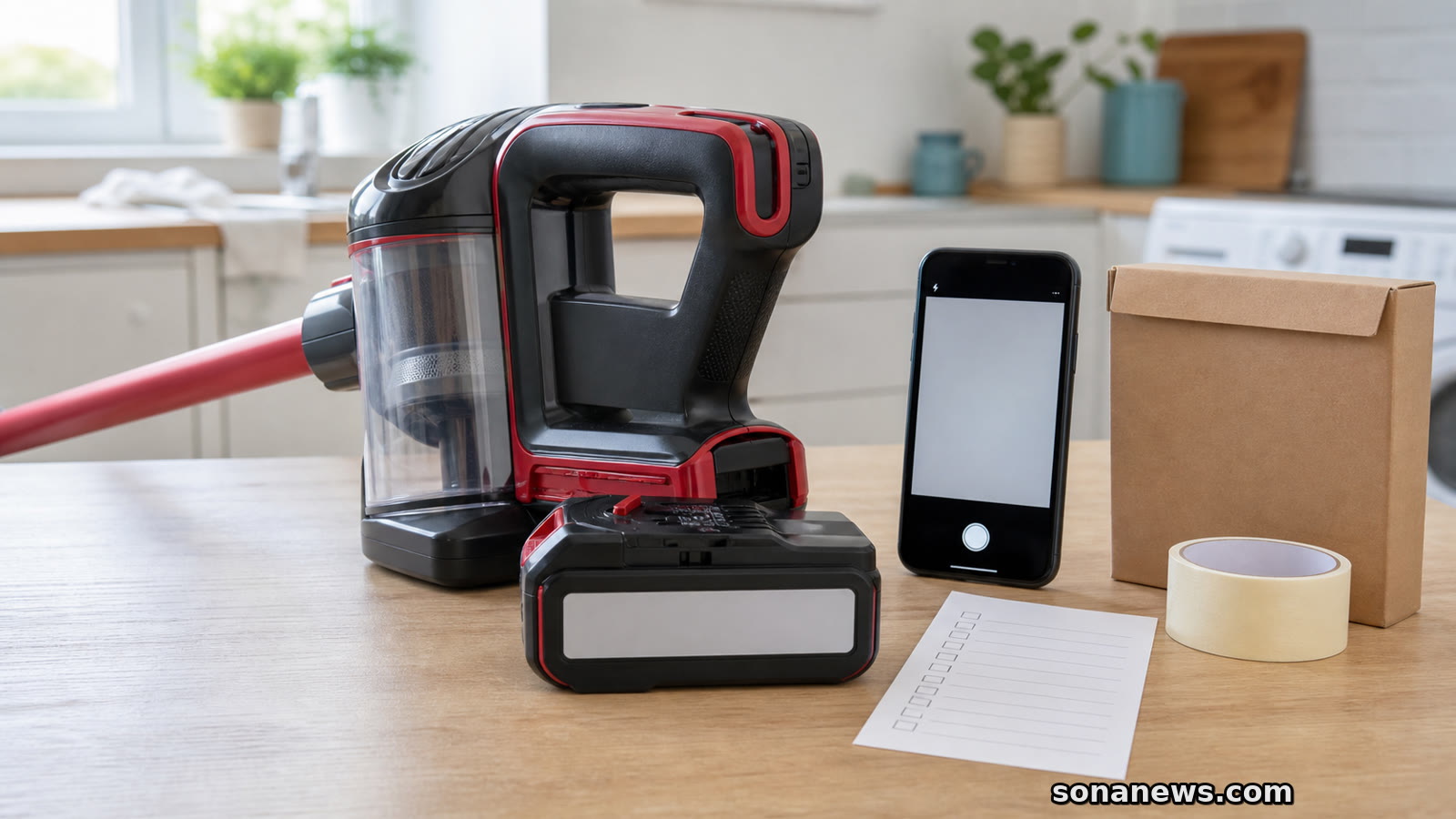

Cordless vacuums are easy to treat as background machinery. They live behind a door, in a utility cupboard or on a wall dock, then come out for ten minutes after breakfast crumbs, pet hair or a hallway spill. That ordinary rhythm is exactly why a battery recall can be missed. The product looks familiar, charges in the same corner and may not feel old enough to invite a safety check.
The July 2 U.S. recall of certain Rowenta cordless vacuum cleaner batteries is a reminder that the important clue may be on the removable pack, not on the whole machine. The U.S. Consumer Product Safety Commission says the recall covers about 3,660 Rowenta X-Force cordless vacuums with a lithium-ion battery housed in the handle. The affected vacuum models are the X-Force Flex 14.60 Animal, model RH99A2U1, and the X-Force Flex 15.60 Animal, model RH99F2U1.
The battery detail is more precise still. CPSC identifies the recalled battery as the Versatile X-Force lithium-ion battery, model ZR0097U2. The affected date codes begin with 23 or 24, and the batteries were manufactured before December 2024. That is a narrower question than whether the vacuum is red, black and silver, whether it came from a particular website, or whether it was bought during a sale. A household needs the label, not a memory.
CPSC's hazard language is direct: the recalled lithium-ion battery can overheat and ignite, creating a risk of serious injury from fire and burn hazards. The agency says Rowenta has received two reports of the battery overheating or not charging, plus 65 additional reports globally. No injuries have been reported in the notice.
The sales trail is broad enough to matter. CPSC says the products were sold at Williams Sonoma, Crate & Barrel, Rowenta.com, Shopify.com, Amazon.com and Walmart.com from July 2023 through January 2026, for about $250 to $550. Rowenta's own recall campaign tells customers with RH99 stick vacuums purchased before February 2026 to stop using the vacuum and file a claim for a new battery. The company describes the action as a preventative voluntary recall of certain battery packs.
None of that means every Rowenta vacuum, every stick vacuum or every lithium-ion appliance is unsafe. It does mean the household check has to be exact. A vacuum may have changed hands within a family, moved after a house clear-out, or lost its receipt. The product page in someone's email is useful, but the safer record is usually a photograph of the label and date code, kept with the recall link until the remedy is complete.
The remedy route also matters because this is not a standard household-waste item. CPSC says consumers should stop using the vacuum immediately, remove the recalled battery from the handle, register with Rowenta and upload a photograph showing the battery model number and date code. After verification, Rowenta will send a free replacement lithium-ion battery.
Disposal is the part that can go wrong after the headline has been read. The CPSC notice warns not to put the recalled lithium-ion battery or device in the trash, the general recycling stream, curbside recycling bins or the used battery boxes found at some retail and home-improvement stores. It says recalled lithium-ion batteries need different handling because they present a greater fire risk, and points to municipal household hazardous waste collection centres where accepted.
The Environmental Protection Agency gives the broader reason. Its consumer guidance says lithium-ion batteries and devices containing them should not go in household garbage or ordinary recycling bins. It advises separate recycling or household hazardous waste collection points, with terminals taped or batteries placed in separate plastic bags to reduce fire risk. The EPA also notes that even used batteries can retain enough energy to injure people or start fires.
That wider guidance should not turn a recall into a home experiment. A removable vacuum battery is one thing; a sealed or damaged device can be another. EPA guidance tells consumers not to try to remove batteries that are not user-removable or serviceable, and to contact the manufacturer for handling instructions if a lithium-ion battery is damaged. For this recall, the official Rowenta and CPSC instructions are the route, not improvised repair, postal workarounds or a trip to the nearest bin.
The useful habit is dull but portable: check the product name, then the model, then the battery model and date code, and save a picture before the item goes back into the cupboard. That habit will not make every recall disappear. It does make the difference between a vague worry about a cordless appliance and a clear answer about the specific battery in the handle.
Editorial note. This article is general household and product-safety information, not medical, legal, electrical, repair, waste-handling or fire-safety advice. For a specific recalled product, use the official recall notice and company route. For smoke, fire, burns, damaged batteries, wiring concerns or immediate hazards, use qualified local professional, medical or emergency guidance.
Sources
- Source: "Rowenta Recalls Cordless Vacuum Cleaners Due to Risk of Serious Injury from Fire and Burn Hazards", U.S. Consumer Product Safety Commission, Extracted 2026-07-08. Verified: recall date July 2, 2026; recall number 26-595; about 3,660 units; affected vacuum models RH99A2U1 and RH99F2U1; battery model ZR0097U2; affected date-code range; hazard wording; sales channels, sales period and price range; two U.S. reports, 65 additional global reports and no reported injuries; replacement-battery remedy and special disposal warning
- Source: "Rowenta X-Force Recall Campaign", Rowenta USA, Extracted 2026-07-08. Verified: voluntary recall framing; affected RH99 X-Force models; preventative battery-pack recall; instruction for RH99 stick vacuums purchased before February 2026; claim route for a replacement battery; old-battery disposal according to local municipal lithium-ion battery guidelines; Rowenta contact route
- Source: "Used Lithium-Ion Batteries", U.S. Environmental Protection Agency, Extracted 2026-07-08. Verified: consumer guidance that lithium-ion batteries and devices containing them should not go in household garbage or ordinary recycling bins; separate recycling or household hazardous waste collection; terminal taping or separate plastic bags to prevent fires; warning that even used batteries can retain enough energy to injure or start fires; manufacturer guidance for damaged batteries
- Source: "Lithium-Ion Battery Recycling Frequently Asked Questions", U.S. Environmental Protection Agency, Extracted 2026-07-08. Verified: broader EPA framing that most discarded lithium-ion and lithium primary batteries are likely hazardous waste due to ignitability and reactivity; household batteries are exempt from federal hazardous-waste rules but EPA strongly recommends they not be placed in trash or curbside recycling; damaged, defective or recalled batteries require careful handling
Help us improve
Was this article useful?
One anonymous tap helps Sona improve future reporting, headlines and source context.
Up next
Heat-pump tumble dryers do not need an exhaust hose through an outside wall. Their water tank, drainage options and installation instructions still deserve a check before delivery.
Continue readingMore in Home & Living