The summer cooling plan starts before the air conditioner
Fans, curtains, sizing and installation are not side notes. Official guidance shows why small setup choices matter before a hot room turns into an appliance problem.
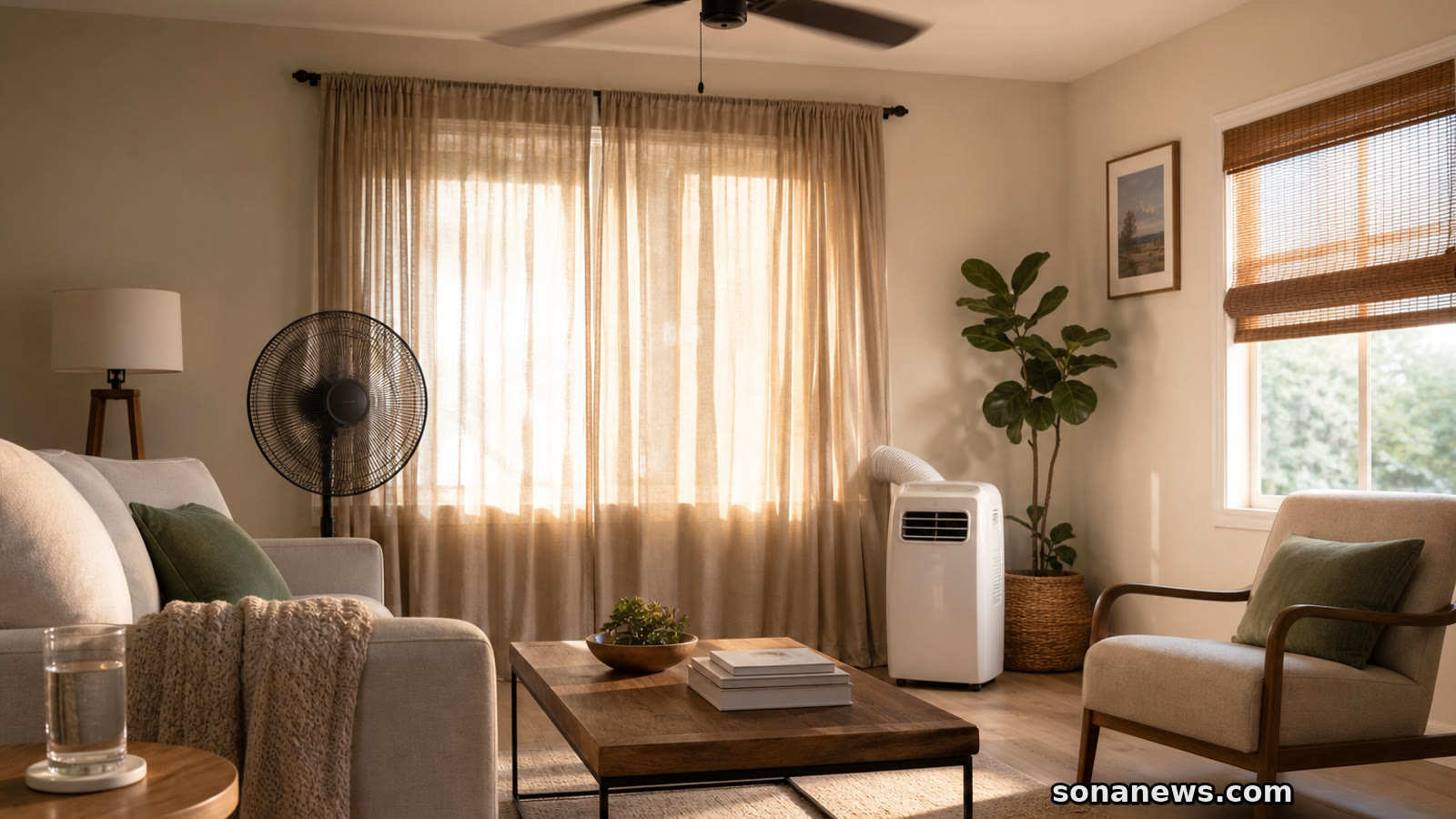

The hottest room in a home usually exposes the plan before it exposes the appliance. Curtains have been open all afternoon. A fan is stirring air around an empty corner. A window unit was bought because the box promised more power than the room looked as if it needed. By evening, the air conditioner is working like a rescue service.
That is the unglamorous story behind summer cooling. The purchase matters, but so do the habits around it: shade, airflow, sizing, installation and whether the machine is asked to fix a room that has been collecting heat for hours.
The bigger backdrop is not only domestic irritation. The International Energy Agency says global power demand is rising as electrification spreads through buildings, transport and industry. Its 2026 electricity report extends the forecast period to 2030 and puts buildings inside that larger demand picture. An older IEA cooling report is blunter about the household side: air conditioners and electric fans already account for about a fifth of electricity used in buildings worldwide, or 10% of all global electricity consumption.
That does not mean a household should treat comfort as guilt. It does mean cooling is now infrastructure in miniature. A summer living room is connected to power grids, product labels, weather warnings and health guidance, even when the problem looks like a hot sofa and a noisy fan.
Official home guidance is surprisingly practical on the first step: move air across people, not rooms. The U.S. Department of Energy says circulating fans create a wind chill effect that makes people feel more comfortable. A ceiling fan can allow a thermostat setting about 4°F higher without reducing comfort, according to the same guidance. The important word there is people. A fan left running in an empty room is not cooling the room in the way an air conditioner does. It is mostly moving air for nobody.
Shade is the quieter part of the plan. GOV.UK's Beat the Heat guidance, updated in May 2026, includes a keep cool at home checklist and treats indoor heat as a safety issue as well as a comfort issue. Its point is simple enough: the home can be managed before the worst heat of the day, not only after the room has peaked. That is where blinds, curtains and timed ventilation become household equipment, even though nobody markets them like gadgets.
Then comes the appliance decision. Room air conditioners are sold in a language of capacity, usually BTU per hour. The Department of Energy says a typical estimate is 20 BTU for each square foot of living space, while warning that room height, sun exposure, shading, window size, climate and layout also matter. Bigger is not automatically better. An oversized unit can cool the air too quickly without removing enough humidity, leaving the room uncomfortable while wasting energy.
ENERGY STAR makes the same point in plainer shopping language: an oversized room air conditioner costs more, wastes energy and does not provide better cooling. It also warns that a poorly installed room unit can leak as much air as a 6-square-inch hole. That is a useful image because it moves the issue away from settings and toward the gap around the machine. A badly sealed window unit can be an expensive way to cool the outdoors.
The thermostat is another small trap. The Department of Energy says setting a room air conditioner colder than needed will not cool the room faster and will waste energy. This is one of those household facts people know in theory and ignore in a sweaty room. A very low number feels like urgency. The machine does not read it as urgency. It reads it as a target.
None of this is a case against air conditioning. In some homes and during serious heat, mechanical cooling is not a luxury. The caution is about treating the air conditioner as the whole plan. A cooler home usually comes from layers: stopping sun before it enters, moving air where people sit, sizing the unit for the room, sealing it properly, keeping heat-producing devices away from the thermostat and knowing when heat becomes a safety concern rather than a comfort complaint.
There is a consumer angle here too. Variable-speed room air conditioners, ENERGY STAR certification and smart controls can help, but they are not a substitute for the basics. A connected unit still has to fit the room. A high-efficiency model still loses ground if the installation leaks. A ceiling fan still needs a person underneath it.
The most sensible summer cooling plan may be less dramatic than the adverts suggest. It is a sequence, not a single purchase: keep heat out, use moving air honestly, choose the right-sized machine, install it cleanly and take heat guidance seriously when conditions become unsafe. Boring, perhaps. But in a hot room, boring is often what works.
Editorial note. This article is general home and consumer information. It is not medical, electrical or emergency advice. During extreme heat, follow local public-health guidance and seek professional or emergency help when conditions are unsafe.
Sources
- U.S. Department of Energy - "Fans for Cooling" - - extracted 2026-06-08. Verified: circulating fans create a wind chill effect, ceiling fans can allow a thermostat setting about 4°F higher without reducing comfort, summer fan direction guidance and ENERGY STAR ceiling fan efficiency claim
- U.S. Department of Energy - "Room Air Conditioners" - - extracted 2026-06-08. Verified: room air conditioners cool individual rooms, EER and EER2 context, 20 BTU per square foot sizing estimate, oversizing humidity problem, and warning that a colder thermostat setting does not cool faster
- ENERGY STAR - "Room Air Conditioners" - - extracted 2026-06-08. Verified: right-sizing guidance, oversized units cost more and waste energy, variable-speed technology context, and the poorly installed room AC leak comparison to a 6-square-inch hole
- GOV.UK - "Beat the heat: hot weather advice" - - extracted 2026-06-08. Verified: UK Health Security Agency home-cooling and hot-weather safety resources, keep cool at home checklist, applies to England, and 20 May 2026 update note
- International Energy Agency - "Electricity 2026" - - extracted 2026-06-08. Verified: global electricity demand growth, buildings as part of electrification demand, and forecast period expanded to 2026-2030
- International Energy Agency - "The Future of Cooling" - - extracted 2026-06-08. Verified: air conditioners and electric fans account for nearly 20% of electricity used in buildings worldwide, about 10% of global electricity consumption, and cooling demand as a long-term power-system issue
Help us improve
Was this article useful?
One anonymous tap helps Sona improve future reporting, headlines and source context.
Up next
A gold-coloured lamp has been recalled because its plug can overheat. With no model or serial identifier published, the order record matters more than a visual match.
Continue readingMore in Home & Living