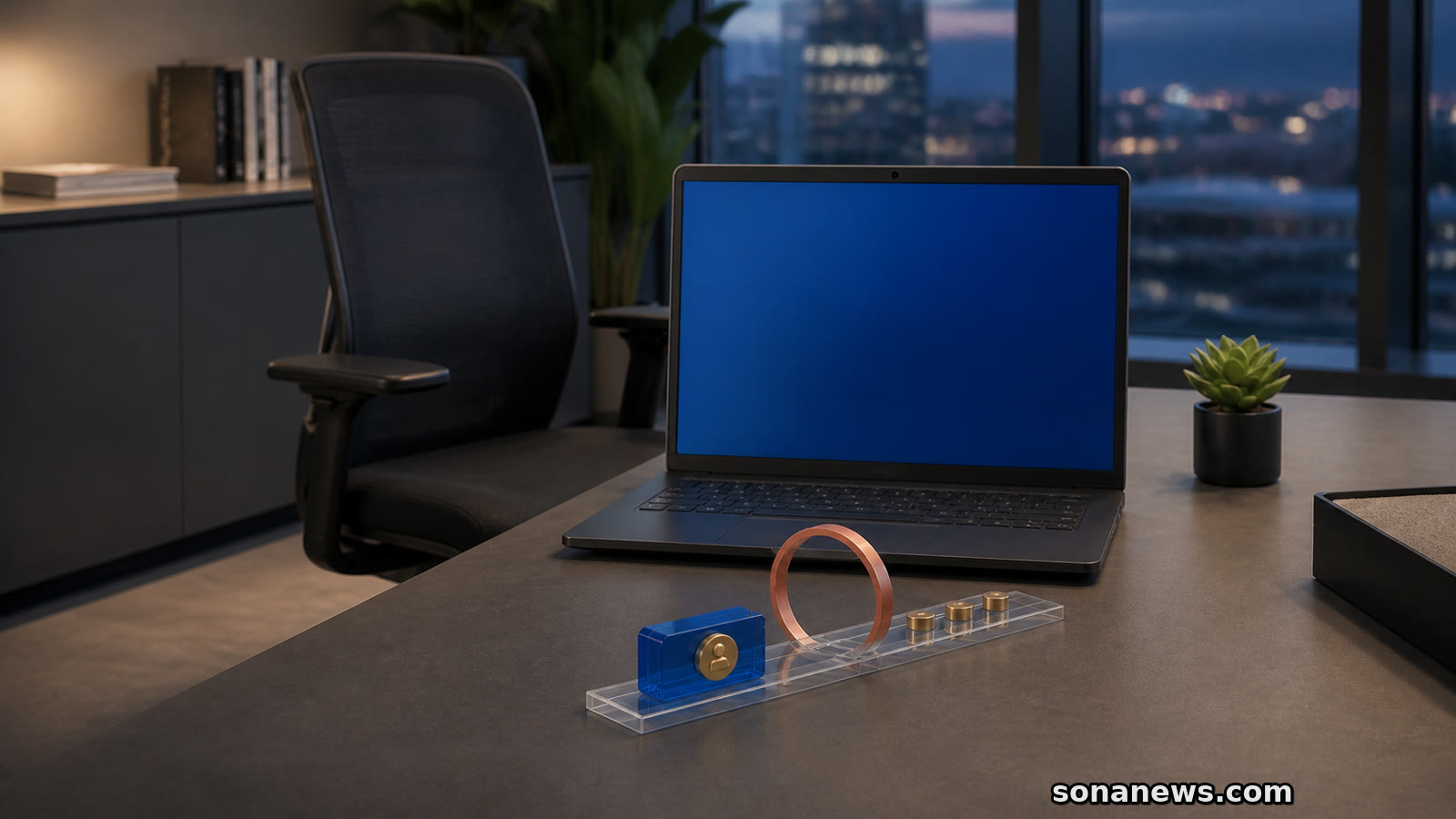
Europe’s USB-C laptop rule has reached the desk drawer
New laptops placed on the EU market now sit inside the common charger rules. The useful question is whether the charger and cable you already own can deliver the power the machine asks for.
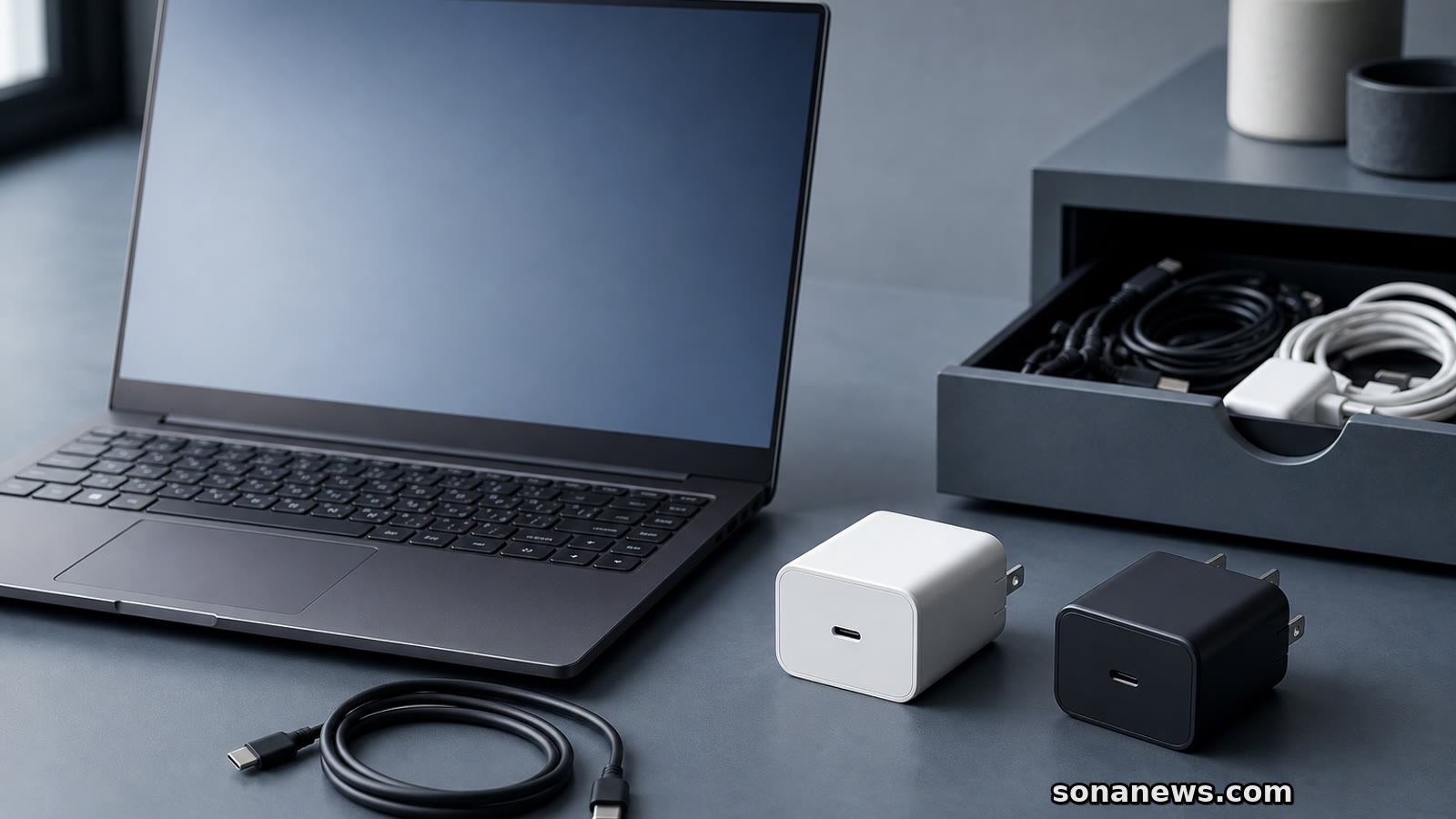

The old laptop charger drawer tells its own history. A round plug that fitted one machine and nothing else. A chunky brick with a connector nobody in the house can identify. A USB-C cable that looks promising until the laptop refuses to charge properly.
Europe’s common charger rule has now moved into that drawer. The European Commission says the rules applied to phones, tablets, headphones, e-readers, keyboards, mice and several other portable devices from 28 December 2024. Laptops followed on 28 April 2026. For shoppers, the change sounds simple: new covered laptops placed on the EU market need to work with USB-C charging.
The useful part is less glamorous than the headline. This is not a promise that every charger in the house can power every laptop at full speed. It is a push toward a more predictable baseline: a common USB-C port, harmonised fast charging rules, clearer information at purchase and the option to buy a device without another charger in the box.
That last point matters. The Commission says discarded and unused chargers account for about 11,000 tonnes of e-waste each year, and it estimates that the common charger package can save consumers at least €250 million a year on unnecessary charger purchases. Those are EU-level estimates, not a guarantee that one household suddenly buys nothing new. But they explain why the rule is about more than tidying cables. The policy is trying to stop each new device from automatically adding another power brick to circulation.
The laptop phase is where the tidy version of the story gets messy. Phones and earbuds rarely ask for the same power as a work laptop or a gaming machine. USB-C is the connector shape, but power delivery is negotiated between the laptop, charger and cable. A charger that is fine for a phone may be painfully slow for a laptop. A cable that transfers data may not safely carry the wattage printed on a high-power charger.
The USB Implementers Forum’s Power Delivery page helps explain the gap. USB Power Delivery was expanded in revision 3.1 to support delivery of up to 240W over a full-featured USB Type-C cable and connector. Before that update, USB PD topped out at 100W using 20V and 5A cables. In ordinary terms, the port can now cover far more laptops than it could a few years ago, but the equipment still has to match. The weakest part in the chain sets the practical result.
That is why the label and charger information may be the most useful consumer-facing detail. The Commission’s common charger guidance says manufacturers must provide visual and written information on charging characteristics, including power requirements, fast charging support, compatible charging devices and whether a charger is included. A buyer should be able to see whether the old charger is likely to be enough before adding another accessory to the basket.
There are limits. The rule is for devices placed on the market after the relevant dates. It does not make older laptops change ports, and it does not make second-hand shelves, repair cupboards or office drawers magically standard. It also does not mean every manufacturer will include a charger. In fact, the ability to sell a device without one is part of the policy. That is helpful if you already have a suitable charger. It is annoying if you discover too late that your existing one is underpowered.
A sensible reading is therefore practical, not triumphant. The shopping question changes from "does this laptop have its own weird plug?" to "what USB-C power does it need, and do I already have the right charger and cable?" That is still a question. It is just a better one.
The rule also nudges the industry away from a quiet kind of lock-in. Proprietary chargers were rarely the biggest reason someone stayed with a brand, but they did make replacements and travel spares more awkward. A common charging port weakens that small friction. It also makes shared spaces easier: offices, classrooms, hotels and family homes can stock fewer emergency chargers if the port and power information are less mysterious.
None of this will feel dramatic if it works. The best version is boring. A laptop arrives, the box says clearly what it needs, the port is familiar, and the buyer only buys a new charger when the one at home cannot do the job. That is not a revolution. It is the sort of small design constraint that can make everyday technology less wasteful and less irritating.
The desk drawer will not empty overnight. But after 28 April 2026, the next laptop sold into the EU has less excuse to add another orphaned charger to it.
Editorial note. This article is general technology and policy information. It is not legal, procurement, electrical-safety or product-compliance advice.
Sources
- European Commission - "EU common charger rules: Power all your devices with a single charger" - - extracted 2026-06-09. Verified: rules applied to listed portable devices from 28 December 2024; laptops followed from 28 April 2026; Commission estimates on 11,000 tonnes of charger e-waste and roughly €250 million annual consumer savings
- European Commission - "The EU common charger" - - extracted 2026-06-09. Verified: USB-C is the common port; harmonised fast charging, unbundling of chargers and consumer charging information are part of the common charger solution; requirements apply to laptops from 28 April 2026
- Ireland Department of Climate, Energy and the Environment - "One Size Fits All Phone and Electronic Charger Directive to come into place" - - extracted 2026-06-09. Verified: national implementation framing, laptop deadline of 28 April 2026, consumer information requirements and circular-economy rationale
- USB Implementers Forum - "USB Charger (USB Power Delivery)" - - extracted 2026-06-09. Verified: USB Power Delivery Revision 3.1 can deliver up to 240W over a full-featured USB Type-C cable and connector; prior USB PD limit was 100W
- Google Search Central - "Get on Discover" - - extracted 2026-06-09. Verified: Discover eligibility requires indexed content that follows policies; large relevant 16:9 images of at least 1200px width are recommended; clickbait and sensationalism should be avoided
Help us improve
Was this article useful?
One anonymous tap helps Sona improve future reporting, headlines and source context.
Up next

The coming Android 16 feature lets Gemini save where you say you left keys or a passport. That can be useful, but it only knows the location you entered.
Continue readingMore in Tech