The Machu Picchu ticket now starts with the circuit
Peru's official booking flow means the route, time slot and visitor-capacity season matter before a traveller reaches the ruins.
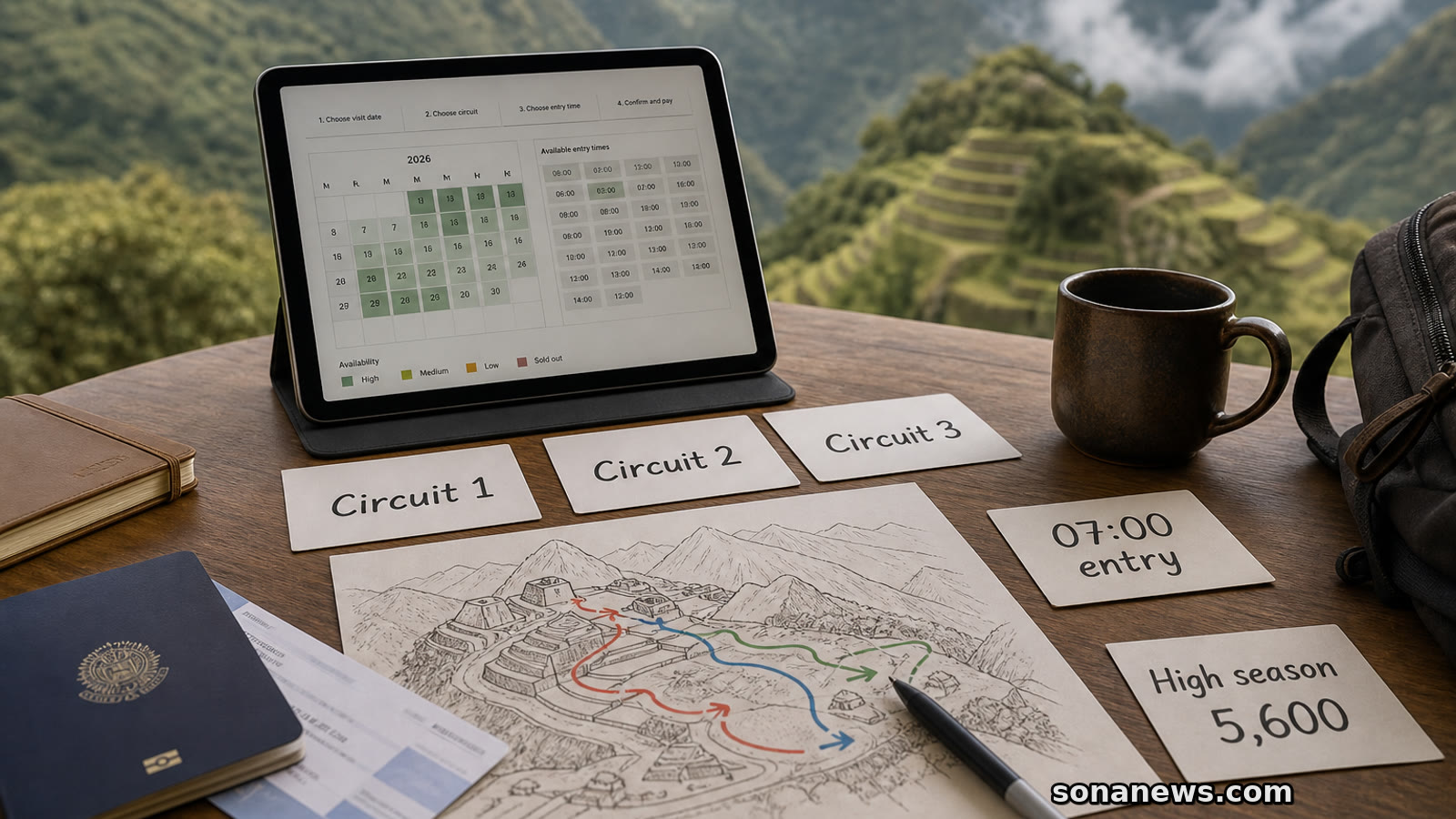

A Machu Picchu ticket can look, from a distance, like a simple date on a once-in-a-lifetime itinerary. The useful reality is narrower. Peru's official system frames the visit as a managed route through a protected archaeological site, with a circuit, a time and a capacity season sitting ahead of the postcard view. The trip does not start at the stone terraces. It starts with the route choice.
The official Machupicchu website says online ticket sales for the llaqta are handled through Peru's State Platform for the Management of Visits to Cultural Centers, developed by the Ministry of Culture and the Secretariat of Government and Digital Transformation. The booking link sends visitors to Tu Boleto, the official ticket site. That sounds like ordinary e-commerce until the traveller reaches the circuit question.
The Ministry of Culture's Machupicchu site says the old five-circuit model was modified by Ministerial Resolution 528-2023-MC. Since 1 June 2024, three circuits grouping 10 routes have been in effect. Circuit 1 is the panoramic circuit, Circuit 2 is the classic Machu Picchu circuit, and Circuit 3 is the royalty circuit. Several named routes sit within those groups, including mountain, terrace, Intipunku, Inka Bridge, Waynapicchu, Great Cavern and Huchuypicchu options, with some routes listed as high-season only.
That makes the ticket less interchangeable than many first-time visitors assume. A route designed around terraces is not the same planning decision as a mountain route. A classic route is not the same thing as an add-on path. The official labels matter because the site is not a free-flowing museum floor where a visitor can wander back into every sector after choosing the cheapest available slot. The booking choice shapes the day.
The 2026 capacity story adds a second layer. Peru's state news agency Andina, citing the Ministry of Culture's 2026 measures, reported a maximum of 5,600 visitors per day during defined high-season periods: 1 January, 2 to 5 April, 19 June to 2 November, and 30 to 31 December 2026. For the rest of the year, the cap remains 4,500 visitors per day. A higher high-season cap does not mean unlimited tickets. It means more places inside a managed ceiling.
Those numbers also explain why the phrase "sold out" can be more precise than it sounds. A date may have capacity, while a preferred route or time is tighter. A train, bus, hotel night or Cusco connection can become awkward if the ticket left in the official system is not the route the traveller imagined. The low-drama approach is to line up the official ticket, the route, the entrance hour and the transport day as one chain rather than four separate errands.
The common mistake is to read the circuit label as a cosmetic detail that can be corrected at the gate. The official material points the other way. The named route is part of the ticket architecture, and the visit is managed through sectors and paths rather than a single open precinct. That does not make the trip forbidding. It makes the early booking screen more important than the last-minute hotel-desk conversation.
There is a fee wrinkle too, but it needs careful reading. Andina's English report says 2026 promotional ticket rates apply to Peruvian citizens, foreign residents in Peru and citizens of the Andean Community, with documentation required to prove eligibility. That is not the same as a blanket promise of the same price for every international tourist. The safer reading is that price categories, identity documents and visitor status belong in the official ticket check, not in a forum screenshot.
The visitor-management logic is not only commercial. A Ministry of Culture protocol for high-demand visits says its objective is to protect and conserve the archaeological heritage of Machupicchu while seeking an adequate visitor experience during busy periods. The same protocol describes the role of the park and cultural authorities in organising, maintaining and overseeing circuits, zones, sectors and routes. The ticket system is part of conservation management, not just a queueing tool.
That distinction matters for travellers because it changes the useful order of planning. The first question is not merely "Can I go on Tuesday?" It is "Which official route am I booking for that day and hour?" The second question is whether the route is open in that season. The third is whether the rest of the journey supports that timed entry without turning the morning into a stress test.
Machu Picchu remains a travel dream precisely because it is not an ordinary attraction. The official booking mechanics now make that plain. A good itinerary frames the ticket as a route contract, a time slot and a conservation limit in one document. The view may be timeless. The admin is not.
Editorial note. This article is general travel-planning information based on official and high-authority sources available at publication time. It is not personalised legal, immigration, ticketing, tax, accessibility or safety advice. Ticket availability, route names, eligibility categories, prices, capacity limits, operating days and entry procedures can change, so travellers need to verify their own trip details through official Peruvian cultural and ticketing sources before relying on a Machu Picchu booking.
Sources
- Source: "Online tickets", Machupicchu official site, Extracted 2026-06-27. Verified: online entrance-ticket sales are handled through Peru's State Platform for the Management of Visits to Cultural Centers, developed by the Ministry of Culture and the Secretariat of Government and Digital Transformation, with the official booking link to Tu Boleto
- Source: "Circuits and routes", Machupicchu official site, Extracted 2026-06-27. Verified: the previous five-circuit model was modified through Ministerial Resolution 528-2023-MC, three new circuits grouping 10 routes came into effect from 1 June 2024, and the official route names include panoramic, classic and royalty circuits with some high-season-only routes
- Source: "Planning to visit Machu Picchu in 2026? Check out new ticket rates and visitor limits", Agencia Peruana de Noticias Andina, Extracted 2026-06-27. Verified: Ministry of Culture 2026 visitor-capacity limits reported as 5,600 per day during stated high-season periods and 4,500 per day otherwise, tickets purchased through the official Tu Boleto website, and promotional-rate eligibility for Peruvians, foreign residents in Peru and Andean Community citizens
- Source: "Protocolo para la Gestion de Visitas a la Llaqta o Ciudad Inka de Machupicchu", RM-000207-2024-MC Anexo 1, Extracted 2026-06-27. Verified: the protocol objective of protecting and conserving Machupicchu's archaeological heritage while supporting an adequate visitor experience during high-demand months, and the role of cultural authorities in organising and maintaining circuits, zones, sectors and routes
Help us improve
Was this article useful?
One anonymous tap helps Sona improve future reporting, headlines and source context.
Up next
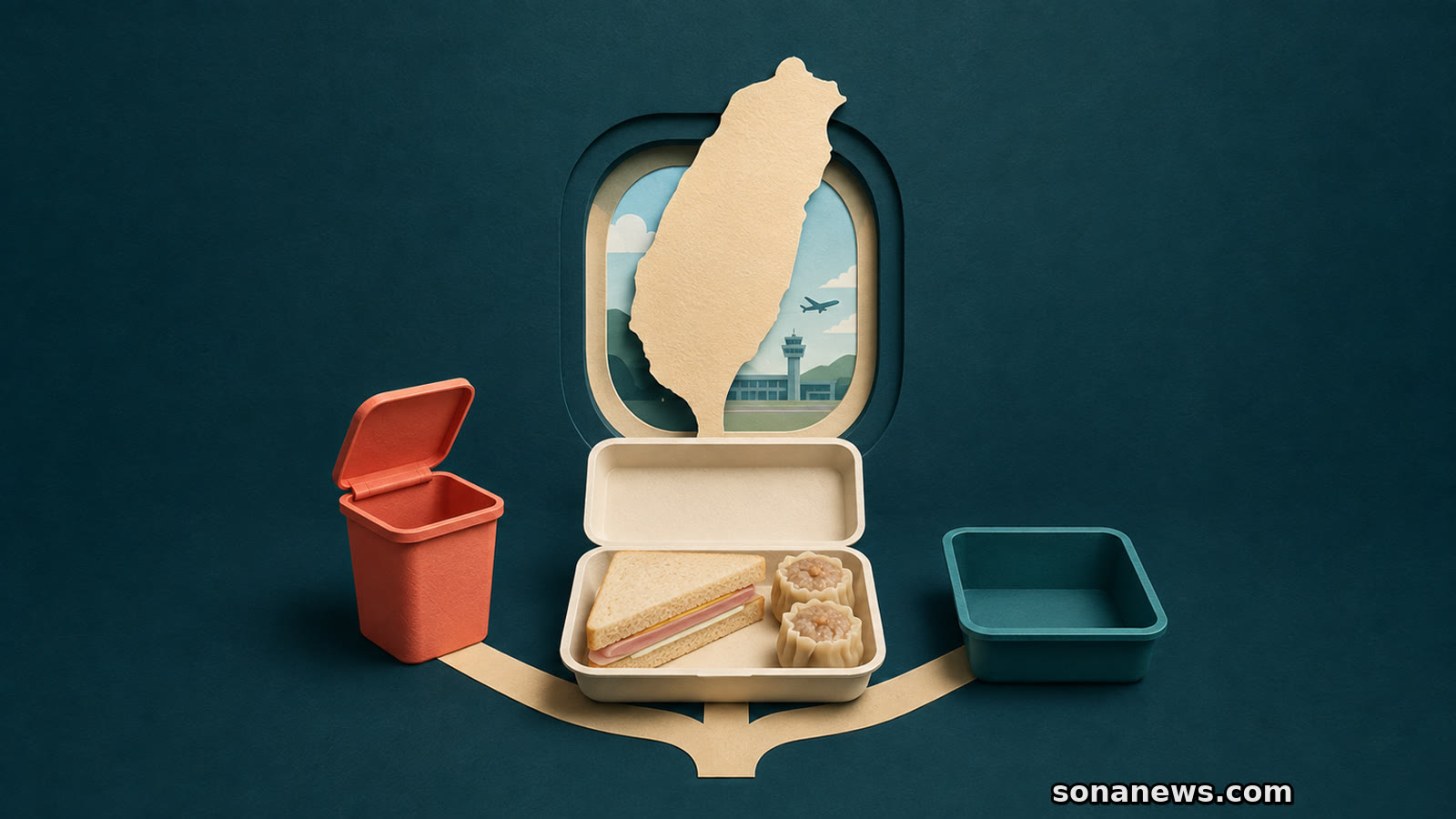
A new official warning says ham sandwiches, pork dumplings and inflight leftovers should be discarded or declared before customs.
Continue readingMore in Travel