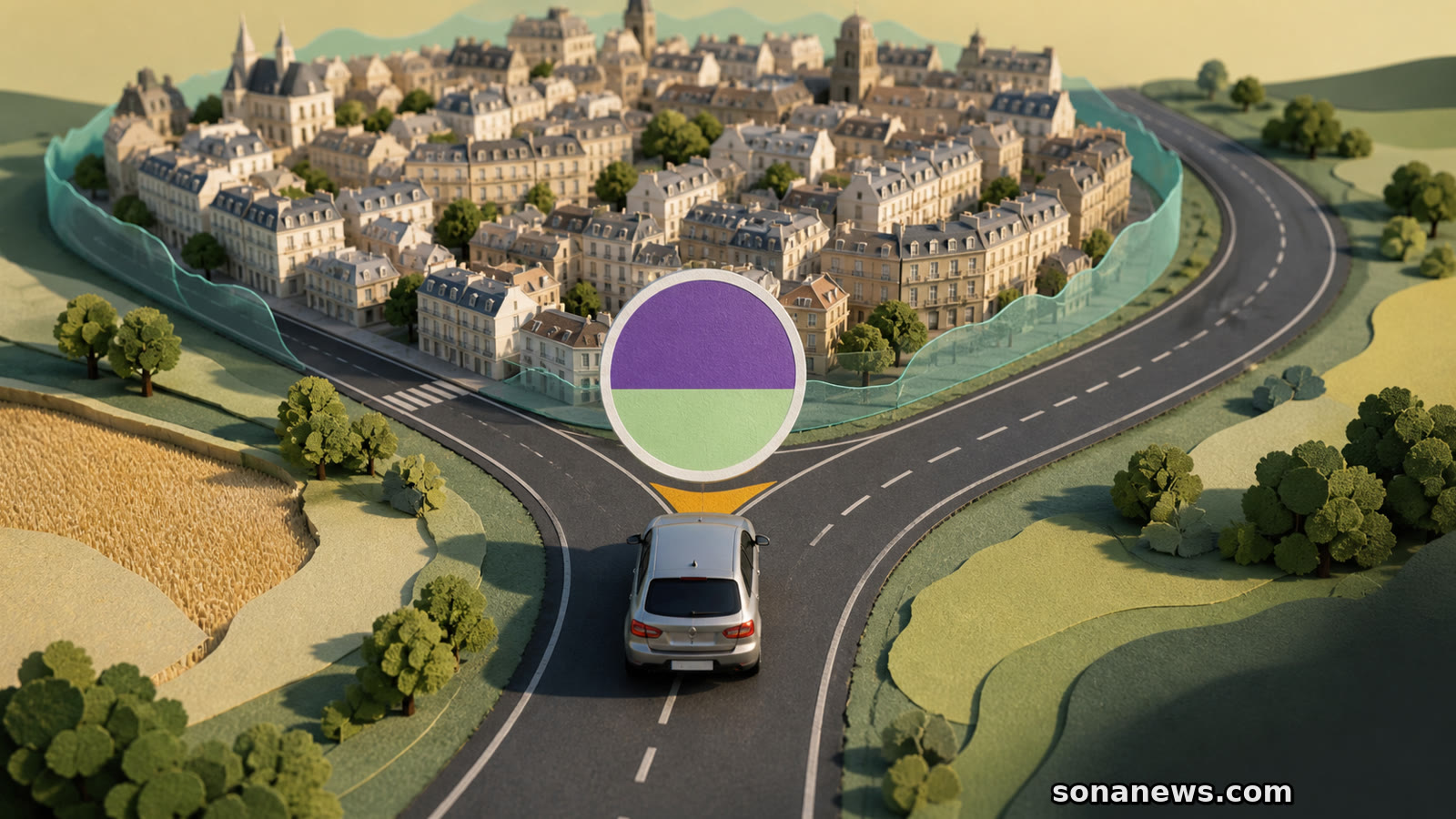
The World Cup trip now starts with the border plan
With 2026 matches spread across the United States, Canada and Mexico, an official ticket is only one part of a journey that may cross three entry systems.
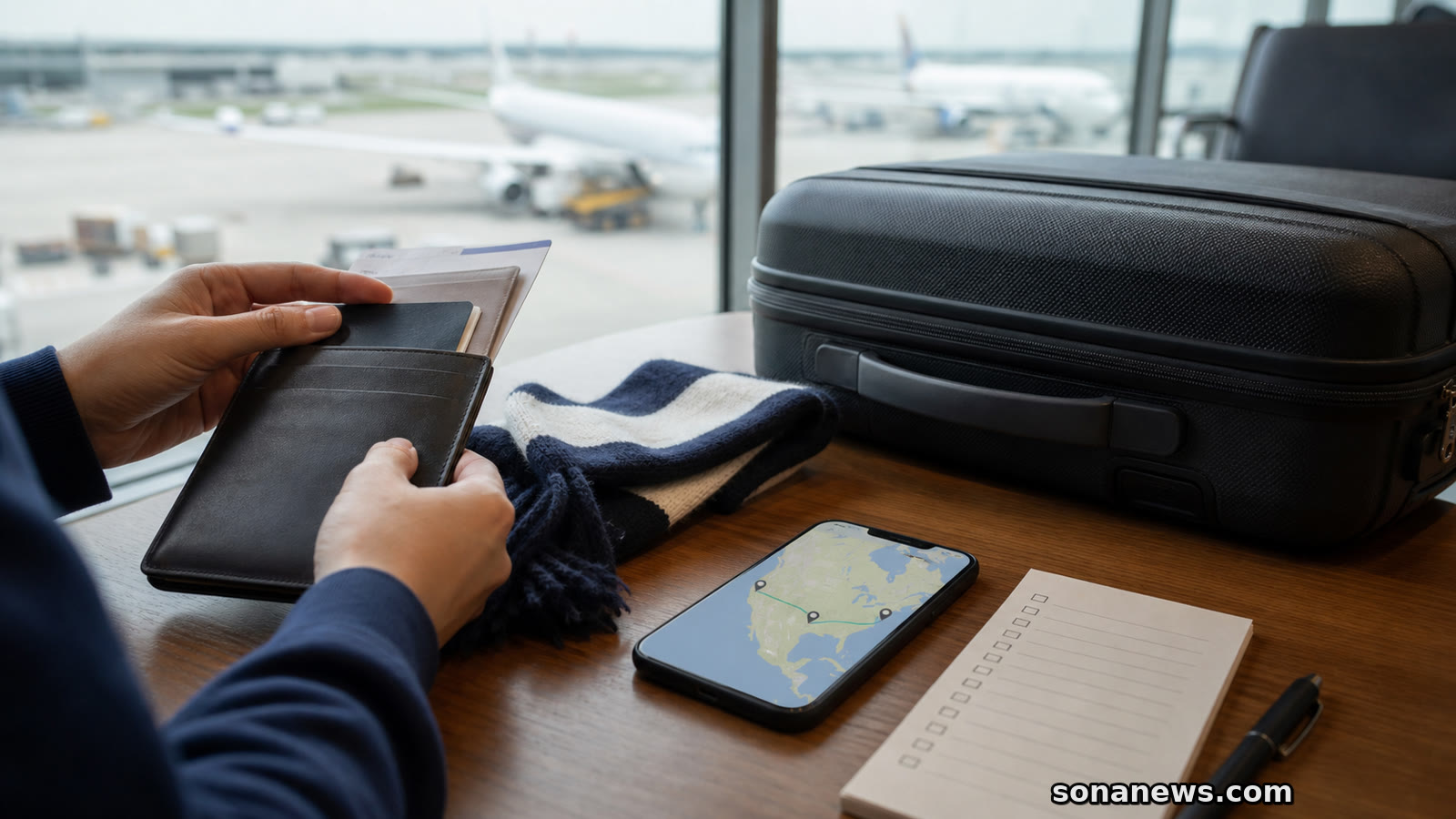

A World Cup trip sounds, at first, like a ticketing problem. Find the fixture, buy the seat, book somewhere to sleep and work out how early to reach the stadium. In 2026, that is only the visible part of the journey. The tournament is being played across the United States, Canada and Mexico, which means the practical trip can become a border plan before it becomes a football holiday.
The point is not that the rules are mysterious. It is that they are separate. GOV.UK’s World Cup travel advice says the FIFA World Cup takes place from 11 June to 19 July 2026 in the US, Canada and Mexico. It also gives the sentence that should sit at the top of any multi-city itinerary: entry requirements, local laws and customs will be different for each co-host, and anyone visiting or transiting through more than one country should check the travel advice for each one.
That matters because the tournament encourages movement. A fan may start with one city, then add a knockout match, a side trip or a cheaper flight through another country. What looked like a sports itinerary can quickly become a sequence of immigration moments: airport arrival, land crossing, transit stop, onward proof and return flight. A match ticket may explain why someone is travelling. It does not decide whether they can board, transit or enter.
For the United States, the familiar word is ESTA for many visa-waiver travellers. U.S. Customs and Border Protection describes ESTA as an automated system that determines eligibility to travel to the United States under the Visa Waiver Program. The same official page makes the important distinction: an ESTA authorisation does not determine whether a traveller is admissible to the United States. CBP officers make that decision when the traveller arrives. CBP also recommends applying as soon as travel plans begin, or before purchasing airline tickets.
That distinction is useful beyond the US. A digital permission is not the same as a guarantee of entry, and a booking confirmation is not the same as a border decision. GOV.UK’s World Cup advice adds that ESTA travellers must be able to show proof of a journey departing the USA when they enter, and that the final decision rests with CBP. The practical lesson is not to panic, but to stop treating the border step as something to remember at the departure gate.
Canada’s official World Cup page makes a similar point in plain language. Immigration, Refugees and Citizenship Canada says fans attending a FIFA World Cup 26 match enter Canada as tourists. There is no special World Cup visa. Depending on citizenship and method of travel, fans may need a visitor visa or an electronic travel authorisation. The page also says a FIFA event ticket does not guarantee that a visa or eTA application will be approved, and it urges people to apply early so they do not miss their event.
Mexico adds another reminder that the route matters. The Instituto Nacional de Migración’s official online FMM page, for foreigners entering by land, says applicants need a valid current passport or passport card, and a valid visa if their citizenship requires one. It describes the condition of stay as visitor without permission to work, says the form is valid for one entry only, and notes that fees paid are not a guarantee of entry. For World Cup travellers, the wider point is simple: air, land and transit choices can change the paperwork conversation.
There is also a ticketing layer. GOV.UK advises fans to buy tickets only through the official FIFA ticketing platform, says no tickets will be sold at stadiums, and warns that printed copies or screenshots may not be accepted at stadium gates. That turns the phone into part of the travel infrastructure, alongside the passport, authorisation email and accommodation details. The most fragile part of the trip may be the assumption that one official-looking thing can stand in for another.
None of this makes the World Cup less joyful. It makes the administration more visible. The tournament has the rhythm of a shared event, but the journey remains individual and country-specific. A person flying into one country, sleeping in another and watching a match in a third is not taking one seamless legal route just because the branding is seamless.
The calm version of the checklist is not complicated. Start with the official country pages, not social posts or ticket forums. Check the entry requirement for every country in the route, including transit. Check whether the permission needed is tied to air travel, land travel or both. Keep ticket rules separate from border rules. Leave time for applications and corrections. Then let the football be the complicated part.
A major tournament can make travel feel like a single moving crowd. Border systems do not see it that way. In 2026, the fans who have the least stressful trips may not be the ones with the most elaborate spreadsheet of fixtures. They may be the ones who understood early that the route between matches has its own rules.
Editorial note. This article is general travel-planning information based on official sources available at publication time. It is not legal, immigration or personalised safety advice. Entry requirements, transit rules, ticketing rules and border decisions can change, so travellers should check the official government and tournament pages for their own citizenship, route and dates before travelling.
Sources
- Source: "World Cup 2026", GOV.UK Foreign Travel Advice for USA, Extracted 2026-06-17. Verified: tournament dates, co-host countries, warning that entry requirements and local laws differ by country, advice to check each country when visiting or transiting more than one, official ticketing platform, no stadium ticket sales and note that screenshots may not be accepted
- Source: "Electronic System for Travel Authorization", U.S. Customs and Border Protection, Extracted 2026-06-17. Verified: ESTA purpose under the Visa Waiver Program, distinction between travel authorisation and admissibility, CBP officer decision at arrival, application timing recommendation and e-Passport requirement
- Source: "FIFA World Cup 26: What you need to enter Canada", Immigration, Refugees and Citizenship Canada, Extracted 2026-06-17. Verified: fans enter as tourists, no special World Cup visa, possible visitor visa or eTA depending on citizenship and travel method, ticket does not guarantee approval and apply-early language
- Source: "Forma Migratoria Múltiple", Instituto Nacional de Migración, Extracted 2026-06-17. Verified: land-entry FMM context, passport or passport-card requirement, visa if required by citizenship, visitor without permission to work condition, one-entry and 180-day maximum validity language, and note that fees do not guarantee entry
Help us improve
Was this article useful?
One anonymous tap helps Sona improve future reporting, headlines and source context.
Up next
A new official warning says ham sandwiches, pork dumplings and inflight leftovers should be discarded or declared before customs.
Continue readingMore in Travel