A relaxed theatre performance is not a promise of silence
Guidance from theatres in England separates softer stage effects from a more accepting audience atmosphere. Before booking, check what changes and where you can take a break.
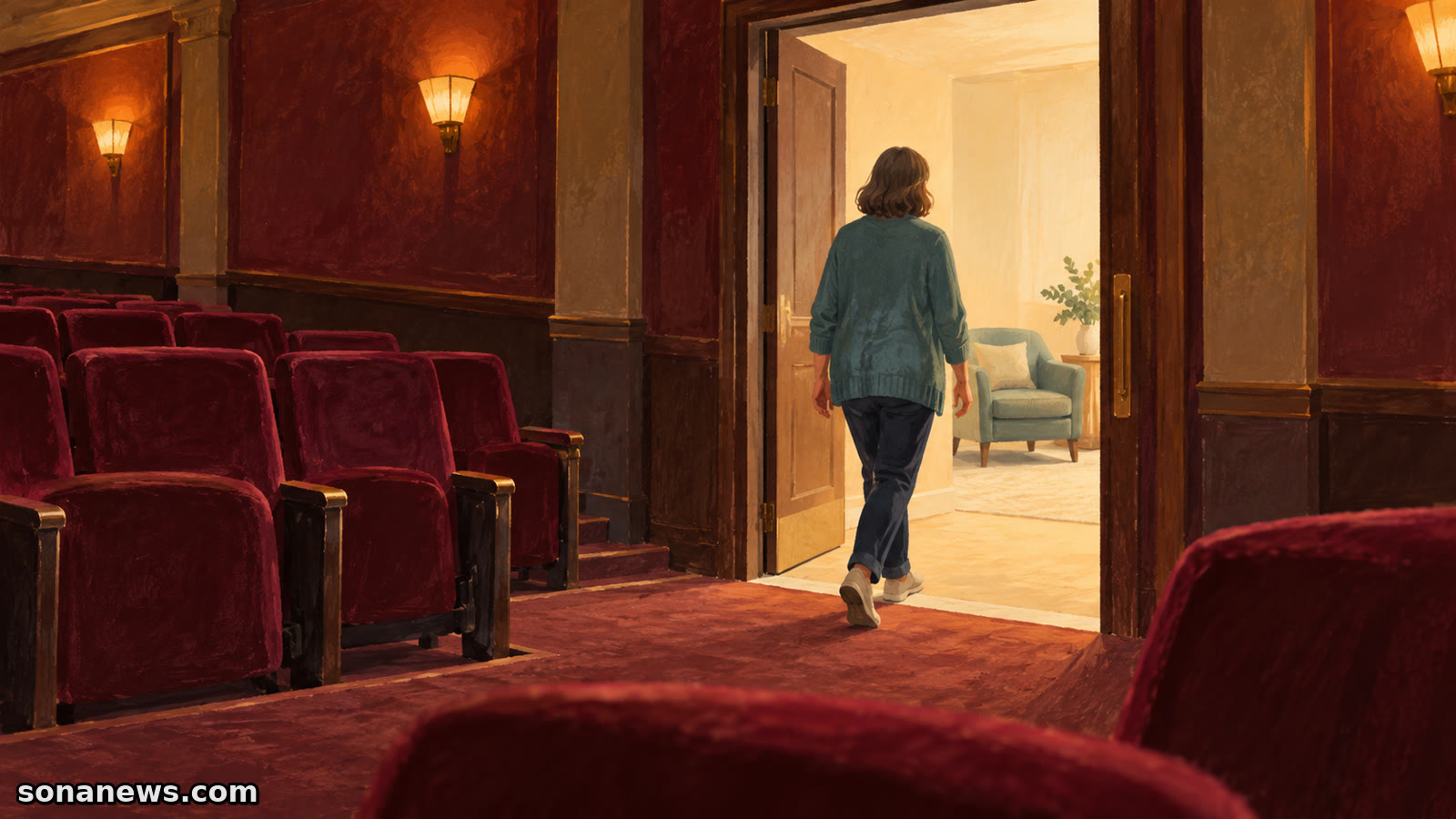

A theatre performance can turn down its loudest effects while making more room for noise from the audience. That is not a contradiction. At a relaxed performance, changes to the production and changes to the expectations placed on spectators serve different purposes.
For someone booking a first visit, the distinction matters. A quieter soundtrack does not mean everyone will sit silently. Being able to leave and return does not necessarily mean there will be an empty seat beside you. The useful question is not simply whether a show is labelled relaxed, but what the theatre has arranged for that particular performance.
Published guidance from the Royal Shakespeare Company, Sheffield Theatres and the Everyman Theatre in Cheltenham gives concrete examples in England. Together, the pages describe an approach to attending theatre, not a single specification that can be assumed at every venue or in every country.
The RSC defines a relaxed performance through both the ambience of the auditorium and a relaxation of theatre rules. Its guidance includes increased lighting in the seating area and a chill-out room for anyone needing quiet time during the show.
It also explains that the director, actors and technical team consider what might need adapting. Very loud noises or music might be turned down; particular movements or lines might change slightly. That wording leaves room for decisions about the production. It does not promise that every sound, surprise or difficult subject has been removed.
Sheffield Theatres is more specific about its own arrangements. It describes lowering sound levels, reducing loud effects, slowing flashing or strobe lighting effects and keeping the auditorium lights on low. It also asks audiences to accept noise, movement and different ways of expressing enjoyment, including singing along.
Those are two separate adjustments: the theatre can soften an effect it controls, while welcoming responses it does not script. For a spectator who needs a particularly quiet environment, that is important information rather than a flaw in the event. Relaxed does not mean silent, and it is not a guarantee of suitability for every individual.
At Sheffield, the guidance says people can leave for a small quiet area just outside the auditorium and return when ready, including more than once. The Everyman's page similarly says audience members can leave and re-enter at any point, with a chill-out room available before and during the performance.
The Everyman describes an additional arrangement for its main-house relaxed performances: a television in the Circle Bar chill-out space shows the performance live. Taking time outside the auditorium need not mean losing the whole thread of the story there. That is a specific facility, not something the word relaxed guarantees elsewhere.
This changes how a visit can be planned. Instead of treating a break as the moment the outing has failed, a group can establish in advance where someone could go and how they would return. The venue's access team can explain the actual route, the space available and any arrangements for accompanying people.
The quieter space also deserves its own question. Where is it, what is it like and can the performance still be heard there? A general promise of somewhere to step out leaves practical details unresolved. This is about matching the published arrangements to a visitor's needs, not expecting everyone to use the same solution.
The Everyman says it sells its relaxed performances to half capacity. Sheffield says it does not sell every seat, so people can move around freely. These are useful details, but they are not interchangeable promises about seating at other theatres.
Someone choosing seats should therefore ask what reduced capacity means for the booking in front of them. It would be a mistake to infer a guaranteed empty neighbouring seat, a particular aisle position or step-free access from the relaxed label alone. Those are separate questions for the venue.
Nor does the label, by itself, explain whether the performance includes captioning, audio description or sign-language interpretation. If one of those services is needed, check the exact performance listing. A change to audience etiquette cannot substitute for information about how the show will be accessible.
The RSC says it produces a visual story for each relaxed performance and sends it out beforehand. This includes details of the theatre, the people a visitor will meet, what they look like, the plot and other information the company considers important.
That material can help turn an abstract booking into a more concrete plan. It is worth asking what is available before the visit and when it will arrive. A sample from an older production can show the format, but it cannot establish the effects or arrangements in the show being booked now.
The audience is not limited to children. Sheffield's explanation explicitly includes adults, while the RSC describes the performances as suitable for people with learning disabilities or autism, or anyone who would benefit from a more relaxed environment. The Everyman says its relaxed performances are open to everyone. The production's age guidance and content still need checking separately.
None of these pages is evidence that attending will improve health or remove all anxiety. They describe practical changes and a different social expectation. That is enough to make them useful without turning an access arrangement into a wellbeing claim.
Before booking, establish the exact date, the changes to sound and lighting, the approach to audience noise, and the arrangements for taking a break. Then check any seating, access or content requirement that matters to the person attending. A relaxed performance makes more sense when the plan allows different ways of being in the room, rather than promising that the room will be quiet.
Editorial note. This article explains published theatre arrangements, not medical advice or a guarantee that a performance will meet an individual's access needs. Confirm the current production's effects, content and facilities with the venue before booking.
Sources
- Royal Shakespeare Company, Relaxed performances. Checked 21 October 2026. Primary description of relaxed theatre rules, brighter auditorium lighting, a chill-out room, possible production changes and advance visual stories. Its linked sample is from an older production, so it is not used as evidence of any current show's effects or content
- Sheffield Theatres, Relaxed Performances. Checked 21 October 2026. Primary guidance on reduced sound, slower flashing/strobe effects, low house lighting, leaving and returning repeatedly, unsold seats, tolerance of audience noise and movement, and adult inclusion. Slower flashing is not described as absence of flashing or a safety guarantee
- Everyman Theatre, Relaxed Performances. Checked 21 October 2026. Primary Cheltenham venue guidance on low auditorium lighting, softened effects, re-entry, half capacity, a chill-out room and the main-house live relay in the Circle Bar. Show dates on the page are not used as verified booking availability. These are local provisions, not promises for other venues
Help us improve
Was this article useful?
One anonymous tap helps Sona improve future reporting, headlines and source context.
Up next

The winter bird-counting project in the United States and Canada has begun its 40th season. Its most useful beginner rule is not to add up arrivals.
Continue readingMore in Lifestyle