Europe’s flight-rights overhaul turns disruption into a paperwork trail
A provisional EU deal keeps the three-hour compensation threshold, but makes claim instructions, luggage pricing and family seating part of the booking story.
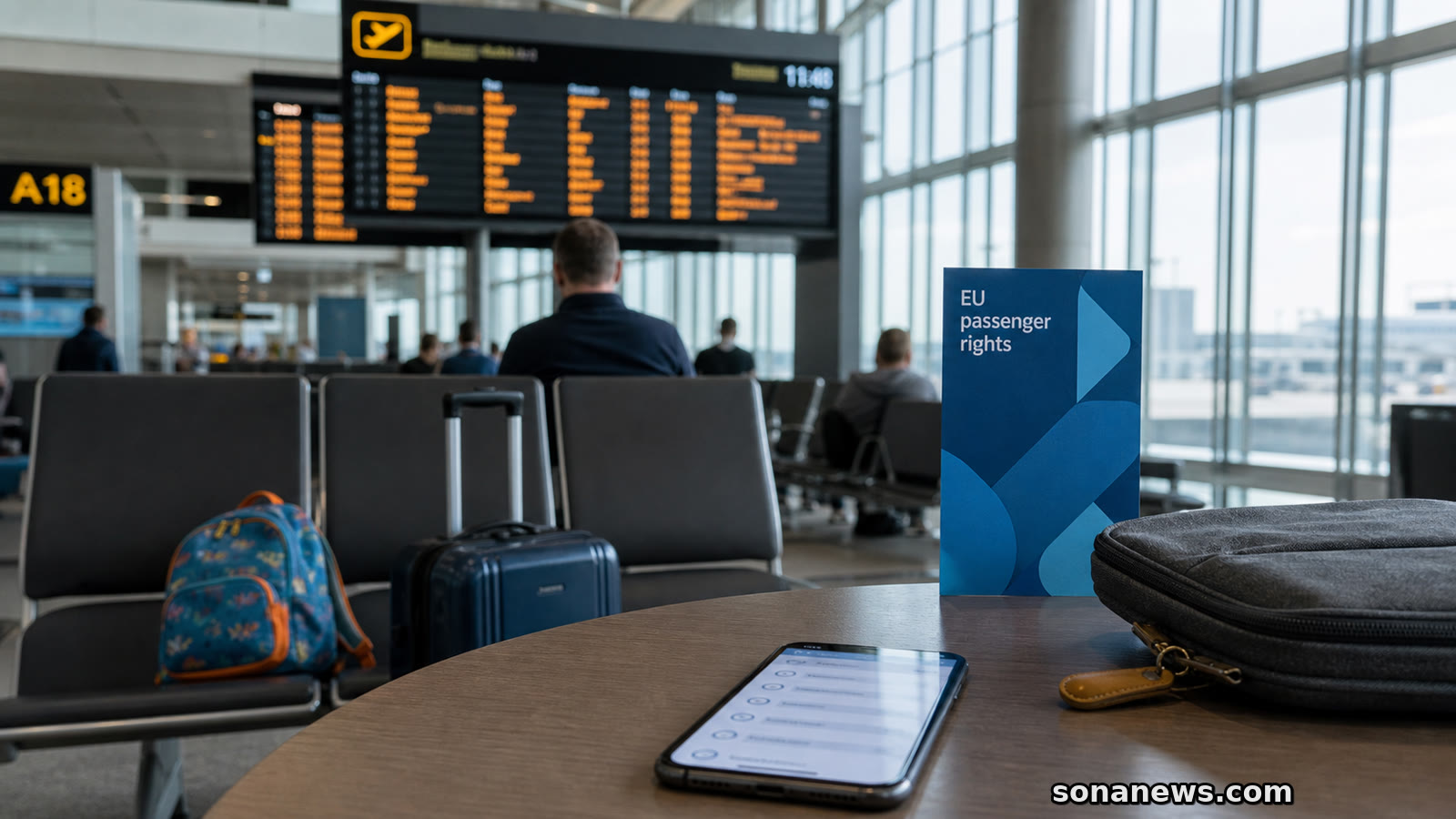

The next European flight disruption may still feel exactly like the old one. The gate screen changes, the queue gets restless, a family tries to keep everyone seated together and the airline app becomes the most refreshed object in the terminal. What is changing is the paperwork around that moment.
On 15 June, the European Commission, European Parliament and Council announced a provisional deal to update EU air passenger rights for the first time in more than two decades. It is not yet the rulebook for tomorrow morning’s boarding gate. The agreement still needs formal approval by Parliament and Council, then publication in the Official Journal of the European Union. The Commission says the revised rules would apply 12 months after publication.
That timing matters because travel rights are easy to overstate in the heat of a disrupted trip. The useful story is not “new rights today”. It is that Europe is trying to turn a famously argumentative part of air travel into a more standardised file: what happened, what the passenger was told, how a claim is made and when the airline must answer.
The headline point is that the three-hour compensation threshold survives. Official summaries say passengers would continue to be able to claim compensation after a cancellation or a delay of three hours or more, with the familiar distance-based amounts of €250, €400 and €600. Parliament’s release says compensation would also remain relevant for denied boarding and for flights cancelled less than 14 days before departure. Those figures are not a guarantee for every bad airport day. Extraordinary circumstances, routing details and the legal scope of the regulation still matter.
The more practical change is the claim trail. Parliament says airlines would have to provide clear electronic instructions on how to request compensation within four days of the end of the journey, without forcing passengers to create an account or use a specific app to receive that information. It also says passengers would have nine months to file a compensation claim, while airlines would have 30 days to pay or explain a refusal. That turns a vague post-trip complaint into something closer to a dated administrative sequence.
The deal also moves some of the small-cost arguments earlier in the booking process. The Commission says the agreement strengthens fare transparency, including hand-baggage charges, so travellers can compare offers across airlines and booking platforms more clearly. Parliament says ticket prices should include carry-on luggage at the start of booking, while passengers would have the right to carry one personal item without an extra fee. Airlines could still design different fares, but the starting comparison would be less likely to hide the practical cost of travelling with ordinary cabin items.
Family seating is another quiet but memorable piece of the reform. Parliament says children under 14 would have to be seated next to an accompanying person without extra fees. It also points to strengthened seating protections for passengers with disabilities or reduced mobility and for pregnant passengers. For a solo business traveller, that may sound like a minor line in a transport file. For a family at an airport desk, it can be the difference between a manageable delay and a stressful one.
The no-show rule is less emotional but equally familiar to frequent travellers. The Commission says the agreement bans no-show policies for return flights, meaning passengers who miss or do not take the outbound leg cannot be denied boarding on the return flight, and cannot be charged a fee simply to use that return. As with every travel-rights point, the final legal text will matter. But the direction is clear: hidden trip-wire rules are being pulled into the open.
For travellers, the present-day checklist is still grounded in current EU rules. Your Europe’s passenger-rights page says the regime applies to flights within the EU, flights departing from the EU, and flights arriving in the EU from outside the EU when operated by an EU airline, with related coverage for Iceland, Norway and Switzerland. It also explains that airlines must give written notice of rights in disruption situations. The reform does not make every global itinerary an EU claim, and it does not replace checking the exact route, airline and booking.
The sensible habit is less glamorous than the policy announcement: keep the trip record. Booking confirmations, boarding passes, airline disruption messages, screenshots of re-routing offers, receipts for paid luggage or seats and the time a claim instruction arrives can all become part of the file. That is not a call to turn travellers into lawyers. It is a recognition that the journey now includes a trail of digital evidence as surely as it includes a bag tag.
Europe’s flight-rights overhaul is therefore not only about compensation. It is about the booking page, the cabin bag, the family seat map, the delayed gate screen and the email that explains what to do next. The airport argument has not vanished. It is being given a clock, a format and a paper trail.
Editorial note. This article is general travel information based on official sources available at publication time. It is not legal advice, immigration advice or a decision on any individual claim. Passenger rights, claim deadlines, route coverage and airline obligations can depend on the final legal text, the flight itinerary, the operating carrier and the facts of a disruption, so travellers should verify current rules through official EU sources and the relevant airline for their own journey.
Sources
- Source: "Commission welcomes landmark agreement on revised air passenger rights", European Commission, Extracted 2026-06-24. Verified: 15 June 2026 political agreement, first overhaul in more than two decades, retained compensation framework, fare transparency, hand-baggage charges, no-show policy ban, unchanged scope, formal approval requirement and 12-month application after Official Journal publication
- Source: "Deal on air passenger rights: MEPs secure improved traveller protection", European Parliament, Extracted 2026-06-24. Verified: provisional agreement status, three-hour delay threshold, compensation amounts, clear electronic claim instructions, nine-month passenger claim period, 30-day airline response period, no forced account or app, family seating, personal item, carry-on price transparency and spelling or boarding-pass fee points
- Source: "Air passenger rights", Your Europe, Extracted 2026-06-24. Verified: current EU air-passenger-rights scope, covered flight categories, delayed and cancelled flight rights, denied boarding context, written-notice expectation and related coverage for Iceland, Norway and Switzerland
Help us improve
Was this article useful?
One anonymous tap helps Sona improve future reporting, headlines and source context.
Up next
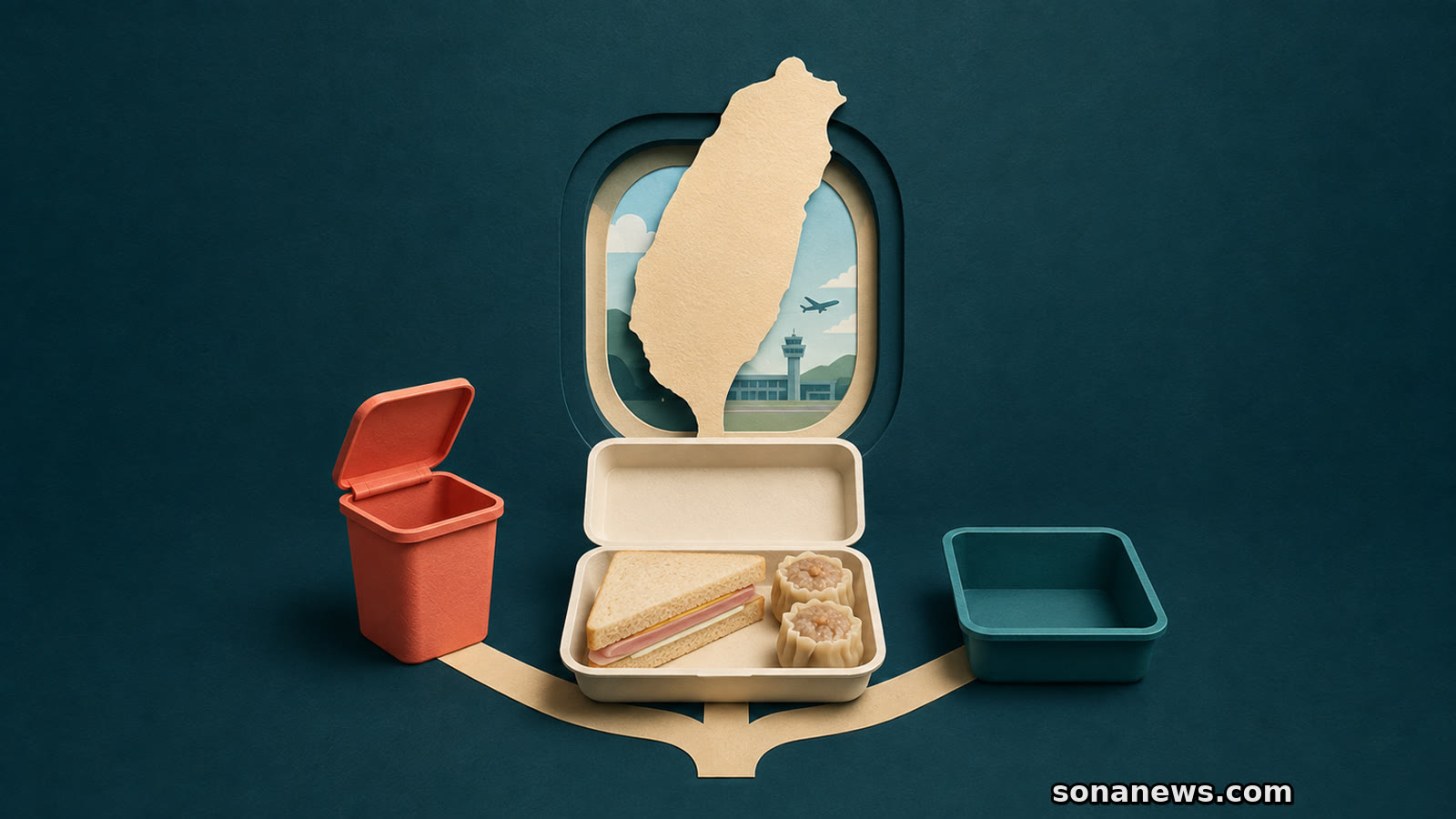
A new official warning says ham sandwiches, pork dumplings and inflight leftovers should be discarded or declared before customs.
Continue readingMore in Travel