Japan’s tax-free shopping change moves the refund to departure
From November 2026, visitors will pay Japan’s consumption tax at checkout first, then rely on customs confirmation and a refund process before leaving.
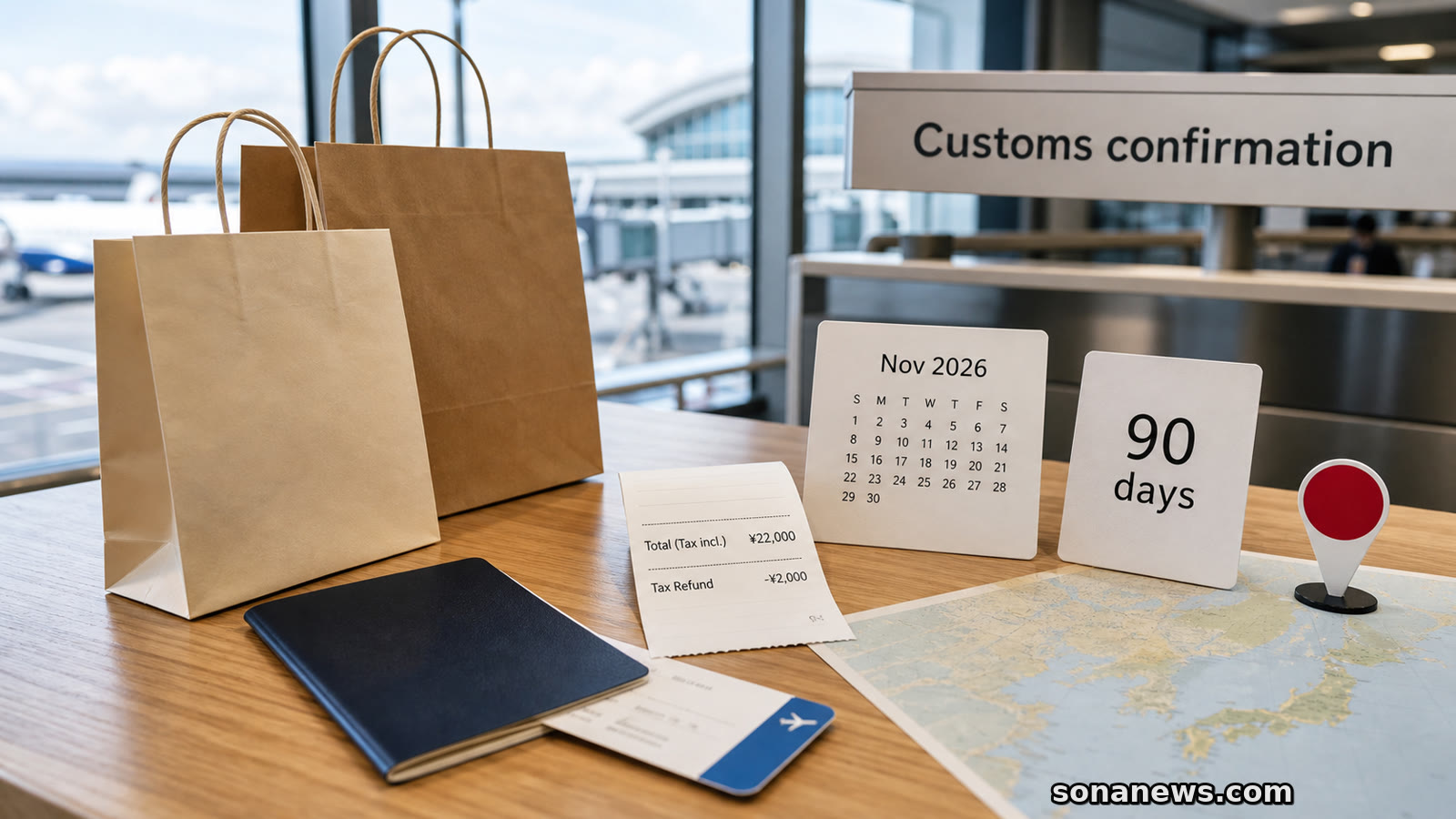

Japan’s tax-free shopping change is easy to misread as a small back-office tweak. It is not. For visitors who plan to use tax-free shopping in Japan, the important shift is where the saving happens. From 1 November 2026, official tax guidance says the system moves to a refund method. The shop sells eligible goods at a price that includes consumption tax, then the traveller seeks confirmation at customs before departure and receives the consumption-tax equivalent back after the required procedure is complete.
The current rhythm is familiar to many Japan shoppers: present a passport in a designated tax-free shop, meet the conditions, and the tax is removed at the till. JNTO says the current model lets eligible visitors receive the 10 percent consumption tax exemption at the point of purchase at designated stores. That mental model will be stale for trips that fall after the switchover. The till becomes the start of the record, not the end of the saving.
The National Tax Agency’s April 2025 English brochure lays out the new flow. An eligible purchaser presents passport details, the tax-free shop sells at a tax-inclusive price, purchase record information is provided, customs confirms at departure that the goods are being carried out of Japan, and the shop then refunds the consumption-tax equivalent. The tax law does not prescribe one single refund channel, according to the same guidance, leaving possibilities such as card, transfer, app or cash arrangements depending on the business setup.
This matters because a tax-free purchase becomes linked to the departure sequence. The NTA guidance says customs confirmation must be received within 90 days from the date of purchase, counted from the day after purchase. It also warns that if the purchaser does not possess any of the tax-free goods covered by the same purchase record information at customs confirmation, confirmation cannot be received for all goods in that purchase record. In practical terms, the receipt grouping, luggage packing and departure timing become part of the story.
There is a second, earlier change that is easy to confuse with the 2026 refund system. JNTO’s tax exemption page says that from 1 April 2025, tax-free shopping will not apply if items are sent by international parcel. The National Tax Agency also notes that separate-shipment handling was abolished on 31 March 2025. Japan Customs’ FAQ says the handling for unaccompanied baggage by presenting export documents to customs was abolished on that date. The old assumption that a parcel route can tidy up tax-free paperwork is therefore a poor planning shortcut.
The reform also tidies some of the existing product distinctions. The NTA brochure says the general-goods and consumable-goods distinction, the 500,000 yen maximum purchase amount for consumables, special packaging requirements, and the daily-use determination are abolished under the new method. That may make shop-floor explanations simpler over time. It does not remove the core condition that the goods are tied to being taken out of Japan.
Japan Customs remains the anchor point for that condition. Its current FAQ says tax-free purchases by eligible non-residents are for goods bought at tax-free shops for the purpose of bringing them back to their countries. It also says customs may inspect possession of tax-free goods at departure, and that consumption tax has to be paid if goods are not exported by the time of departure, for example because they were transferred or consumed in Japan. The new refund system uses that departure check more visibly.
For travellers, the change is less about panic and more about sequencing. A shopping-heavy Japan trip after 1 November 2026 may need a little more departure slack, not because every person will face a long queue, but because the refund is no longer fully settled at checkout. Receipts, passport details, packed goods and the departure airport become linked in a way that casual city shopping does not always encourage.
There is also a budgeting wrinkle. A visitor expecting an instant tax-free price at the shop may see a larger card charge first, then a later refund. The final economics may still be similar when the conditions are met, but the cash-flow feeling is different. That matters for families, long trips, expensive electronics and anyone trying to keep a card limit calm while moving between hotels and airports.
The lower-risk habit frames tax-free shopping as a departure-day task from late 2026. Official Japanese guidance belongs in the plan before relying on a refund, goods need to remain available for confirmation, parcel assumptions deserve caution, and a shop receipt is not proof that the refund is finished. The saving has not disappeared. It has moved from the till to the exit door.
Editorial note. This article is general travel and tax-system information based on official sources available at publication time. It is not personalised tax, legal, immigration, customs or financial advice. Eligibility, procedures, timing, refund channels and enforcement can change and can depend on passport status, purchase details, route and departure circumstances, so travellers should verify their own position through official Japanese government guidance before relying on a tax-free shopping refund.
Sources
- Source: "Tax-Free Shopping System will be shifted to the Refund Method from November 2026", National Tax Agency Japan, Extracted 2026-06-25. Verified: refund method effective from 1 November 2026, tax-inclusive sale first, customs confirmation at departure, refund of consumption-tax equivalent, 90-day confirmation clock, possession rule for goods in a purchase record, refund channels not prescribed by the Consumption Tax Act, and abolition of product-category and packaging distinctions under the new method
- Source: "Changes Are Coming to Tax-Free Shopping in Japan", Japan National Tourism Organization, Extracted 2026-06-25. Verified: current point-of-purchase 10 percent exemption model, November 2026 move to refund-based procedures before departure, and the separate 1 April 2025 international-parcel change
- Source: "Japan’s Tax Exemption", Japan National Tourism Organization, Extracted 2026-06-25. Verified: tax exemption applies only under conditions, broad item examples, and official notice that tax-free shopping will not apply to goods sent by international parcel from 1 April 2025
- Source: "5004 Consumption Tax Exemption for Exports (for Non-residents/Visitors)", Japan Customs, Extracted 2026-06-25. Verified: tax-free shop definition, non-resident visitor purpose of bringing goods out of Japan, passport and purchase-record context, customs inspection at departure, tax due if goods are not exported, and abolition of unaccompanied-baggage export-document handling on 31 March 2025
- Source: "FY2025 Tax Reform, Consumption taxation", Ministry of Finance Japan, Extracted 2026-06-25. Verified: policy rationale for refund method, application from 1 November 2026, 90-day customs confirmation point, and separate-shipment handling abolition while direct overseas delivery by tax-free shops remains described separately
Help us improve
Was this article useful?
One anonymous tap helps Sona improve future reporting, headlines and source context.
Up next
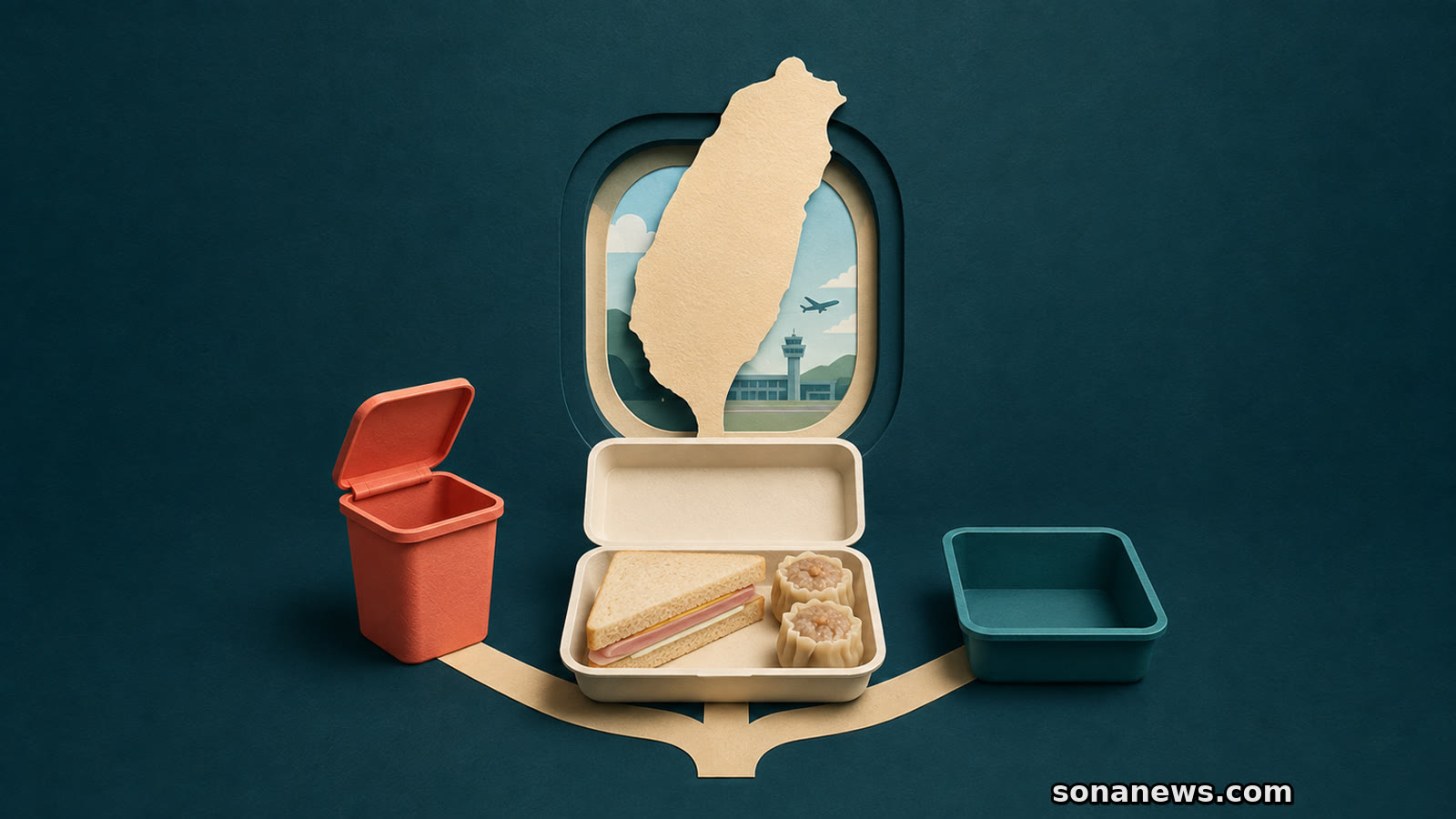
A new official warning says ham sandwiches, pork dumplings and inflight leftovers should be discarded or declared before customs.
Continue readingMore in Travel