Tympanometry: the ear-pressure test is not a hearing score
A small ear probe and a pair of headphones answer different questions. NHS guidance explains why checking eardrum movement is only one part of a hearing assessment.
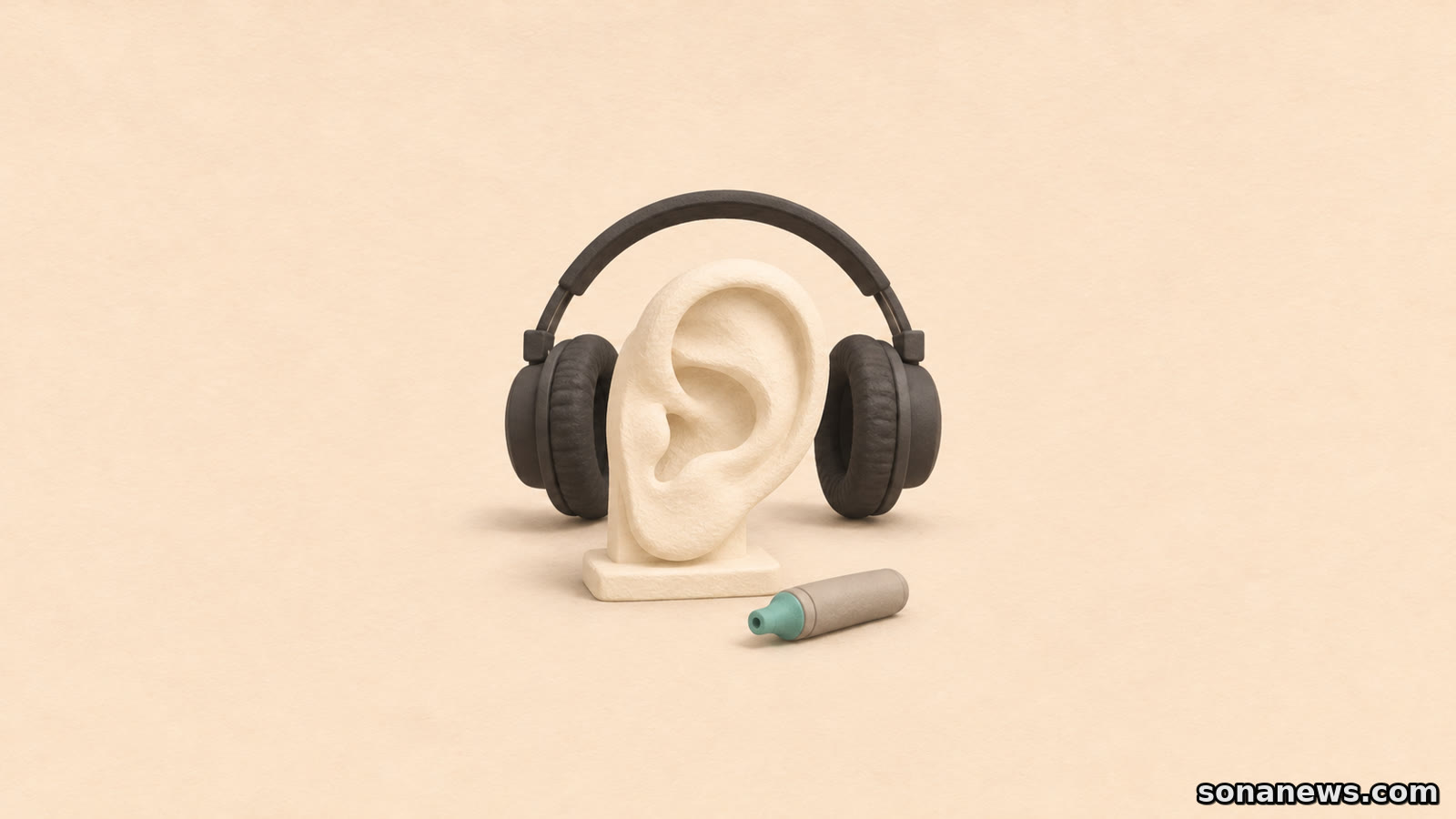

The small plug used during a hearing appointment may look like an earphone, but it can be doing a different job. In tympanometry, a probe checks how the eardrum responds as pressure in the ear canal changes. It does not, by itself, establish the quietest sound a person can hear.
That distinction explains why an audiologist may use both a probe and headphones during one assessment. One test examines how the eardrum and middle ear are working; another measures responses to sounds. They contribute different information rather than competing versions of a single hearing score.
NHS patient guidance in England sets out the difference clearly. This is established information about hearing assessments, not a new test or a change to referral rules. The underlying distinction is useful beyond England, although access, appointments and the combination of tests depend on the local service and the person being assessed.
What the pressure test actually checks
York and Scarborough Teaching Hospitals describes tympanometry as placing a small rubber tip at the entrance to the ear, gently changing the pressure in the ear canal and recording the response. Its patient leaflet compares the sensation to the pressure change felt when going up or down a hill.
The test helps the clinician assess whether the eardrum moves as expected and whether there may be a problem with the eardrum or middle ear. The trust lists congestion or pressure behind the eardrum among the things it can help detect. That is a description of the test's purpose, not a diagnosis that can be made from the sensation of pressure alone.
The NHS's national hearing-tests page likewise describes tympanometry in terms of eardrum movement and a possible blockage behind it that may interfere with hearing. Neither description makes it a complete measure of how someone hears everyday sounds or understands conversation.
A result about this part of the ear therefore needs to be understood alongside the rest of the assessment. A pressure test and a listening test are related, but they are not interchangeable.
What the headphone test adds
Pure tone audiometry asks a different question: what are the quietest sounds a person can hear at different pitches? York's leaflet calls these hearing thresholds. Sounds are presented through earphones, and the person responds, commonly by pressing a button when a sound is heard.
The earphones are not always the familiar over-ear kind. The same leaflet describes insert tips that fit in the ear canal. The shape of an object at the ear is therefore not enough to identify which measurement is taking place. The test's name and the clinician's explanation matter more than whether the equipment looks like a plug or a headset.
Depending on the findings, further testing may use a device positioned behind the ear to transmit sound through vibration. East Kent Hospitals' diagnostic-hearing leaflet also describes pure tone testing with earphones and a bone-conduction device. These are parts of a clinical assessment, not instructions for recreating it with household headphones.
The practical distinction remains simple. Listening for tones helps establish hearing thresholds; changing ear-canal pressure helps assess the eardrum and middle ear. A result from one does not replace the information supplied by the other.
Speech is another question again
Hearing a tone and identifying a word are different tasks. Speech audiometry uses speech rather than the tones used in pure tone testing. York's leaflet describes words or sentences, with the person repeating what they hear.
That testing may take place in quiet or with background noise, and with one ear or both ears involved. East Kent describes speech testing using single words. The examples are not a contradiction: different services and assessments can use different speech-test arrangements.
This is why the phrase “a hearing test” can conceal several components. It is not necessarily one procedure that produces one all-purpose answer. The NHS says an appointment may include a few different tests to check for hearing loss and investigate its cause.
It also means that another test is not automatically evidence that the first one failed. East Kent explains that the choice depends on the reason for referral and the information needed. Different measurements can be necessary to answer different parts of the same clinical question.
The appointment is more than its equipment
Before testing, an assessment may include a discussion of symptoms and their effect on daily life. York describes taking a history and sometimes using questionnaires. It also describes otoscopy: looking into the ear with a light and magnifier to check the canal and eardrum, including for blockages such as wax.
Looking into the ear, testing its response to pressure and measuring responses to sound are separate steps. None should be mistaken for a home interpretation chart. This article does not provide thresholds, graph shapes or a way to decide what an individual result means.
Results and timing also vary. The NHS says people usually receive hearing-test results at the end of the appointment. East Kent cautions that some diagnostic results need further analysis and may be discussed later or sent in a report. An immediate answer is therefore not guaranteed for every test battery.
The useful question at the end is what each test measured and how its findings fit together. The audiologist can explain that combination, including whether further investigation is needed. A reassuring result from one component should not be treated as a complete assessment on its own.
The little pressure probe has a specific job. Understanding that job makes the headphones, speech testing and clinical discussion less mysterious. It does not turn an isolated measurement into a diagnosis or a universal hearing score.
Editorial note. This article provides general health information, not medical advice, diagnosis or treatment. A qualified healthcare professional should interpret an individual's hearing tests. Do not delay care because of a test result or this article. NHS guidance treats sudden hearing loss, or hearing that worsens over days or weeks, as needing urgent assessment; outside the UK, use the appropriate local urgent-care service.
Sources
Help us improve
Was this article useful?
One anonymous tap helps Sona improve future reporting, headlines and source context.
Up next

The spoon in the cutlery drawer is not the same as a medicine spoon. Official guidance explains why the measuring device, its units and the bottle's strength belong together.
Continue readingMore in Health