Europe’s EES is live, but ETIAS applications are not open
The border system now records many non-EU short-stay travellers across 29 countries. The separate pre-travel authorisation has not opened, so there is nothing legitimate to buy yet.

A digital border check in Europe is now real. An ETIAS checkout is not.
That distinction has become unusually important since the Entry/Exit System, or EES, became fully operational on 10 April 2026. The European Commission says EES now registers non-EU nationals travelling for a short stay whenever they cross the external borders of 29 European countries using the system. ETIAS, the separate online travel authorisation planned for many visa-exempt visitors, is still not operating and is not accepting applications.
A traveller can therefore meet new biometric procedures at a border without having an ETIAS to show. A website offering to sell that authorisation today is not an early route into the official system.
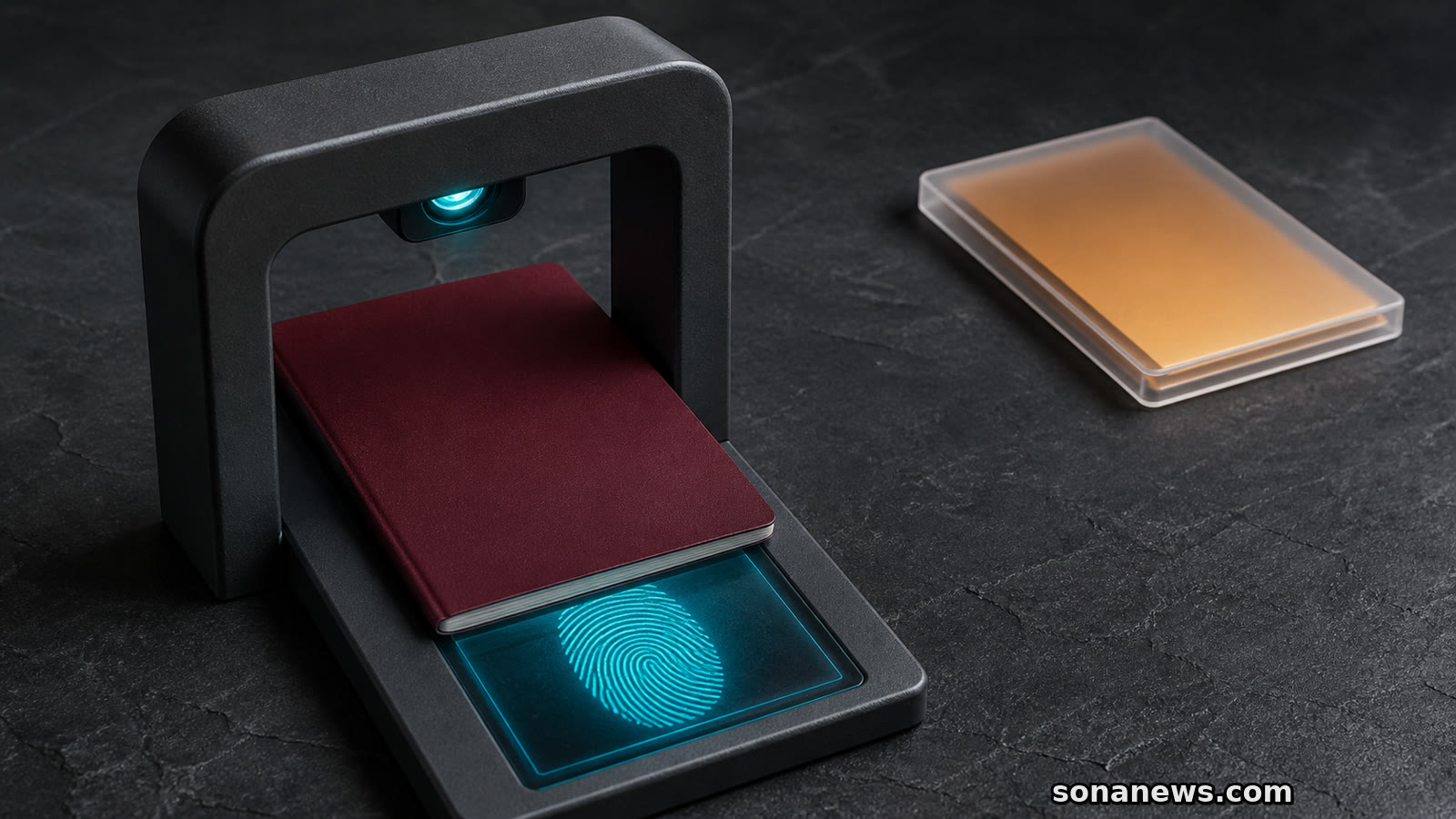
EES is a record of entry and exit, not a pre-travel product. The Commission says it stores a traveller’s name, travel-document details, fingerprints, captured facial image, and the date and place of entry or exit. It also records refusals of entry. Since 10 April, it has replaced manual passport stamping for the journeys in scope.
The broad category is non-EU nationals making a short stay, whether they hold a short-stay visa or travel without one. Personal coverage can still turn on citizenship, residence status, family rights and the documents presented, so a headline about “all tourists” would be too wide.
The border itself also matters. EES operates at the external borders of the participating countries, not every time somebody moves between them. A flight or land crossing into the area can be the registration point. Once inside, an internal journey between participating countries is not a fresh arrival from outside merely because another national frontier appears on the map.
For British passport holders, current UK government guidance offers a concrete example. It says the traveller may be asked on a first visit to create a digital record at the port or airport, including fingerprints and a photograph, and does not need to submit information before reaching the border. At the juxtaposed controls for Eurostar in London, Le Shuttle in Folkestone and the Port of Dover, the EES process can happen before departure from the UK. That is a location detail for those routes, not a universal European sequence.
ETIAS is designed for a different moment. It will be an online pre-travel authorisation for visa-exempt visitors from almost 60 countries travelling to any of 30 European countries that require it. The official eu-LISA page lists countries including Australia, Brazil, Canada, Japan, New Zealand, South Korea, the United Kingdom and the United States among the nationalities expected to need it, subject to stated exceptions.
But the future requirement is not a current application. The European Commission’s ETIAS page says the system is not in operation and no travel-authorisation applications are being collected. It says the European Union will announce the specific start date several months before launch. Eu-LISA likewise says applications will be made through the official website or mobile app once operations begin.
The UK government describes ETIAS operations as expected from autumn 2026, but repeats that no action is required now and that the EU will announce the date. The more useful planning rule is therefore status-based rather than season-based: do not turn an expected window into an invented opening day.
Official pages currently describe a €20 fee once ETIAS operates, with exemptions for some applicants. That price does not make a payment page legitimate before the application system opens. UK guidance warns that a site selling ETIAS now is acting fraudulently. No legitimate intermediary can obtain an authorisation that the official system is not collecting.
The two systems are often described together, but even their maps differ. The Commission describes EES across 29 countries. Eu-LISA’s ETIAS list contains 30, including Cyprus. The UK guidance explicitly says Cyprus is outside EES. Ireland does not appear in the ETIAS country list and is also outside the EES scope described in that guidance.
This is why “Europe” is a useful headline shorthand but a poor final eligibility test. The destination, the border of first entry, the passport used and any residence or family-status documents can all change which process is relevant. A connecting itinerary can also place the external-border check somewhere other than the traveller’s final city.
EES and ETIAS do interact in the wider border architecture, but they are not interchangeable proof. EES records a crossing and the associated biometric and document data. ETIAS will screen an online authorisation before travel for eligible visa-exempt travellers. Neither label, by itself, guarantees entry. Border authorities still apply the conditions relevant to the traveller and journey.
First, identify the document and status being used, rather than starting with a social-media nationality list. A passport holder with a residence permit or another exemption may not follow the ordinary visitor route.
Second, find the first external border on the actual itinerary. The same destination can produce a different processing point when reached by a direct flight, a connection, Eurostar, a ferry or a road journey.
Third, separate a live border procedure from a future online purchase. Prepare for possible EES biometric registration and extra border time where the journey is in scope. For ETIAS, check the official EU status page, but do not apply or pay while that page says applications are not being collected.
Europe’s two digital systems are easiest to understand by place and time. EES is a live record made at the border. ETIAS is a future authorisation made before travel. In August 2026, only the first half of that sentence describes an operating system.
Editorial note. This article provides general travel-planning and border-system information from official pages available on 20 August 2026. It is not personalised legal or immigration advice and does not determine whether EES or ETIAS applies to a particular person, document or journey. Rules, launch dates, fees, exemptions and participating countries can change. Check the official EU pages and the authorities for the passport, residence status, carrier and route before travel.
Sources
- European Commission, “Entry/Exit System (EES)”, Updated and extracted 20 August 2026. Verified: full operation from 10 April 2026; 29 participating countries; short-stay non-EU scope; passport, biometric, entry and exit data; and replacement of manual passport stamps
- European Commission, “European Travel Information and Authorisation System (ETIAS)”, Extracted 20 August 2026. Verified: ETIAS is not operating; applications are not being collected; the specific date will be announced several months before launch; future official website or app; 30-country and visa-exempt-traveller scope
- eu-LISA, “EES”, Extracted 20 August 2026. Verified: EES is operational; it records entry, exit and refusal for non-EU nationals; uses fingerprints and facial images; and replaces manual stamps
- eu-LISA, “ETIAS”, Extracted 20 August 2026. Verified: no applications are currently collected; future official site and app; €20 published fee; listed visa-exempt nationalities; 30 destination countries including Cyprus; and stated fee exemptions
- UK Foreign, Commonwealth & Development Office and Cabinet Office, “EU Entry/Exit System”, Updated 10 April and extracted 20 August 2026. Verified: practical first-registration process for British travellers; juxtaposed UK controls; no EES pre-submission; Cyprus and Ireland boundary; expected ETIAS window with no current action; and fraud warning for sites selling ETIAS before launch
Help us improve
Was this article useful?
One anonymous tap helps Sona improve future reporting, headlines and source context.
Up next
Some train-deck storage is available without a reservation, but a suitcase over 160 cm in total dimensions still needs the right seat on the Tokaido-Sanyo-Kyushu route.
Continue readingMore in Travel