Delayed baggage: the airport report is not the end of the claim
UK and EU guidance separates reporting a missing bag from claiming for the delay. The date it comes back matters, and receipts still count.
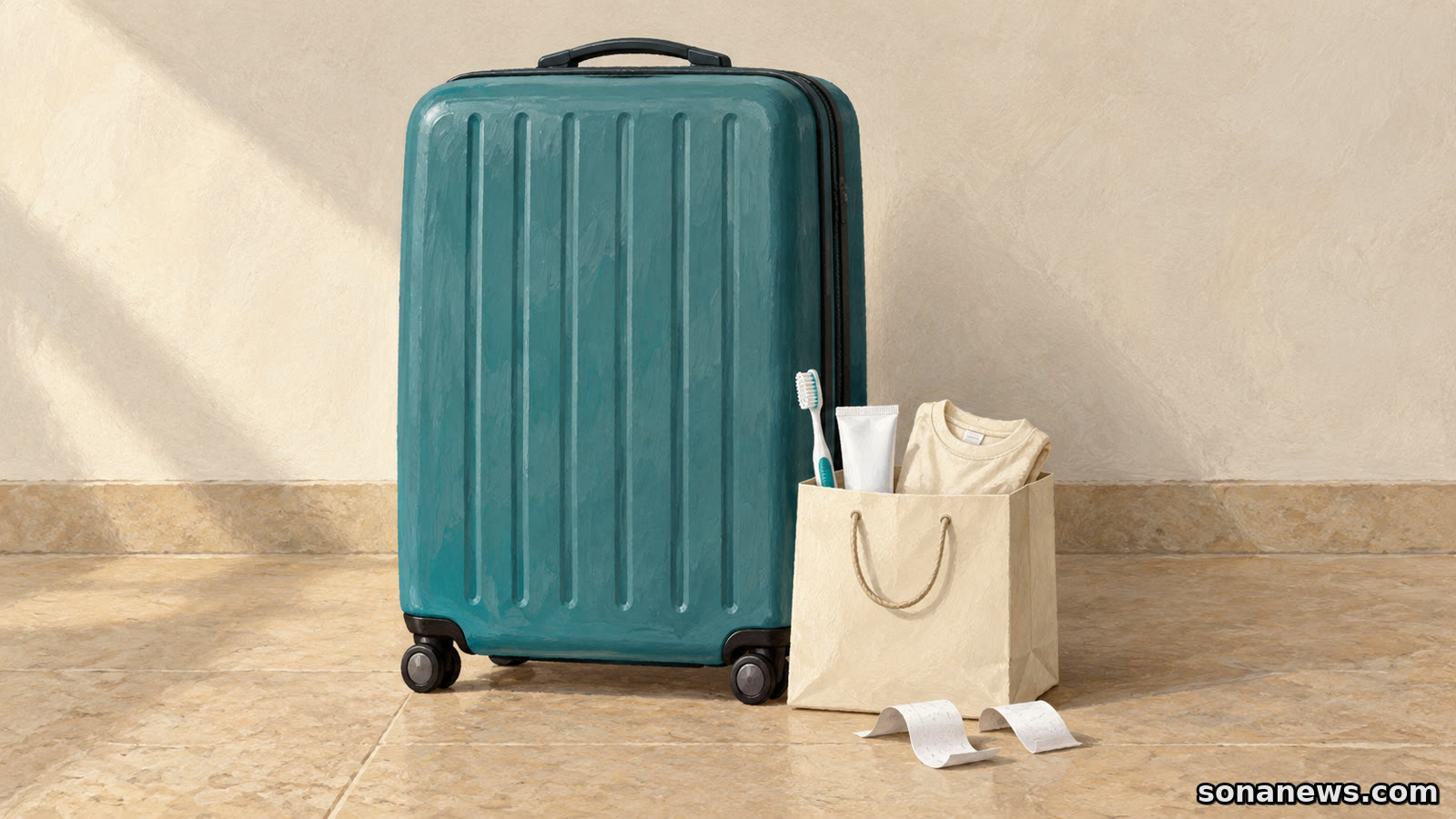

The suitcase has finally arrived, but the toothbrush, clean underwear and other basics bought while it was missing still need paying for. For a traveller following UK or EU baggage guidance, the airport's missing-bag report is not the same step as asking the airline to reimburse those costs.
The UK Civil Aviation Authority tells passengers to report a baggage problem at the airport, keep the Property Irregularity Report, often shortened to PIR, and then contact the airline in writing to make a claim. For delayed baggage, it gives a deadline of 21 days from receiving the bag. The EU's Your Europe service also gives 21 days from receipt for a delayed-luggage claim.
That is the useful distinction: the tracing process concerns where the bag is; the claim concerns the losses the delay caused. A report reference helps with the first and may be needed for the second. It does not, by itself, establish that the airline has accepted a request for money.
Reporting promptly gives the airline the information it needs to trace the bag and arrange its return. The CAA's guidance is to report at the airport and retain the PIR. Carrier procedures can also offer an online route, including for passengers who have already left.
British Airways provides a concrete example. Its reporting page directs customers to a baggage desk or its online baggage portal. A missing-baggage report number is different from the baggage receipt handed over at check-in. The report reference is used to follow the bag's status and add information.
BA also says it may send a report number by email or text when it already knows a bag has missed its flight. In that situation, its instructions are to check contact details and provide a forwarding address. The presence of a notification therefore does not mean that every practical detail has been settled.
This is BA's process, not a promise that another airline uses the same portal, numbering system or delivery arrangements. The operating airline's current instructions remain the place to establish how a particular report is handled.
The 21-day period in the CAA and EU guidance is measured from receiving delayed luggage, not simply from the flight date. It should not be confused with permission to wait three weeks before telling the airline that a bag failed to arrive.
Nor is it a reason to hold off contacting the carrier about expenses. Reporting the missing bag, keeping evidence of necessary purchases and checking the claim procedure are separate parts of the same problem. The deadline is the outer limit described in that guidance, not a recommended waiting period.
BA's own pages illustrate why reading the label beside a number matters. Its reporting page says delayed bags should be reported within eight days of the flight. Its claims page separately lists a requirement to have reported missing bags within 21 days of going missing. Those are the airline's published reporting instructions; neither wording replaces the CAA and EU guidance on a delayed-baggage claim after the bag is returned.
Where an airline's pages leave uncertainty about a case, prompt written contact is more useful than choosing the longest period on a website. Keeping the carrier's acknowledgement also makes it easier to distinguish an open tracing report from a submitted expenses claim.
The CAA says most airlines reimburse the bare essentials needed when luggage is delayed. Away from home, that may include toiletries, underwear and laundry costs. BA's claims page lists essential toiletries and basics up to a reasonable value, and expressly asks customers to retain receipts so it can assess a claim.
That is not a fixed shopping allowance. A receipt records what was bought and what it cost; whether the expenditure qualifies still depends on the circumstances and the applicable rules. A trolley of replacements is not automatically reimbursable because the original suitcase was missing.
The distinction between arriving on holiday and arriving home also matters. The CAA says airlines may consider losses smaller on a return-home journey because clothes and other essentials are already available. That does not mean every homebound claim fails. It explains why a delayed bag alone does not determine the amount.
A useful record brings the pieces together: the baggage report reference, the date the bag came back, receipts for essential purchases and copies of the written claim and response. These establish different facts. A tracking update cannot show the price of replacement toiletries, and a shop receipt cannot establish when the airline returned the suitcase.
A bag that returns damaged raises another issue. The CAA says damage should be reported on arrival and a written claim made within seven days. BA specifies seven days from receipt for reporting damage to checked baggage or loss of contents, and asks passengers to keep the damaged item because it may be needed to complete the claim.
That makes a quick inspection on return important to the paperwork. A completed tracing report does not describe a broken wheel or establish the condition of the contents. BA also says a repair or replacement may be offered depending on the circumstances, so its guidance is to discuss the case before disposing of a damaged bag or buying another.
A suitcase that never returns is not the same situation as one returned late. BA lists baggage reported missing for more than 21 days among the matters customers can claim for. The delay-claim deadline measured from receipt should not be treated as the complete rulebook for permanent loss.
Travel insurance is a separate route with its own cover, excess and notification limits. The CAA notes that policy deadlines vary. Neither an airline report nor an insurance notification should be assumed to complete the other's procedure.
The practical end of a baggage delay is getting the suitcase back. The administrative end is knowing what has actually been submitted, what evidence accompanies it and which deadline applies. They need not happen on the same day.
Editorial note. This article provides general travel information, not personal legal or insurance advice. Baggage rights and procedures depend on the journey, carrier and applicable law. Consult the airline's current instructions, your policy terms and a qualified adviser where individual advice is needed.
Sources
- UK Civil Aviation Authority, Lost, delayed or damaged baggage: Verified 1 October 2026. Supports airport reporting, retaining the PIR, a separate written claim, 21 days from receipt for delayed bags, essential purchases, homebound differences, damage reporting and insurance caveats
- European Union, Your Europe, Air passenger rights: Verified 1 October 2026; page marked last checked 21 September 2026. Corroborates a written delayed-luggage claim within 21 days of receiving it. This article does not use the page's approximate monetary ceiling or general flight-compensation scope as a baggage entitlement test
- British Airways, Reporting and tracking baggage: Verified 1 October 2026. Supports report versus check-in receipt distinction, online reporting, forwarding details, eight-day reporting instruction and seven-day damage/contents reporting period. BA examples are not presented as universal airline rules
- British Airways, Making baggage claims: Verified 1 October 2026. Supports reasonable essentials, receipts, separate claim channel, repair/replacement possibilities and baggage missing for more than 21 days. Its separate 21-day missing-bag reporting wording is stated alongside, not silently substituted for, the reporting page's eight-day instruction
Help us improve
Was this article useful?
One anonymous tap helps Sona improve future reporting, headlines and source context.
Up next

A new official warning says ham sandwiches, pork dumplings and inflight leftovers should be discarded or declared before customs.
Continue readingMore in Travel