Flying in the US with a camping stove: empty is not enough
A drained stove is not automatically cleared for a flight. US guidance distinguishes fuel-free equipment from fuel containers, and an airline can still refuse used kit.
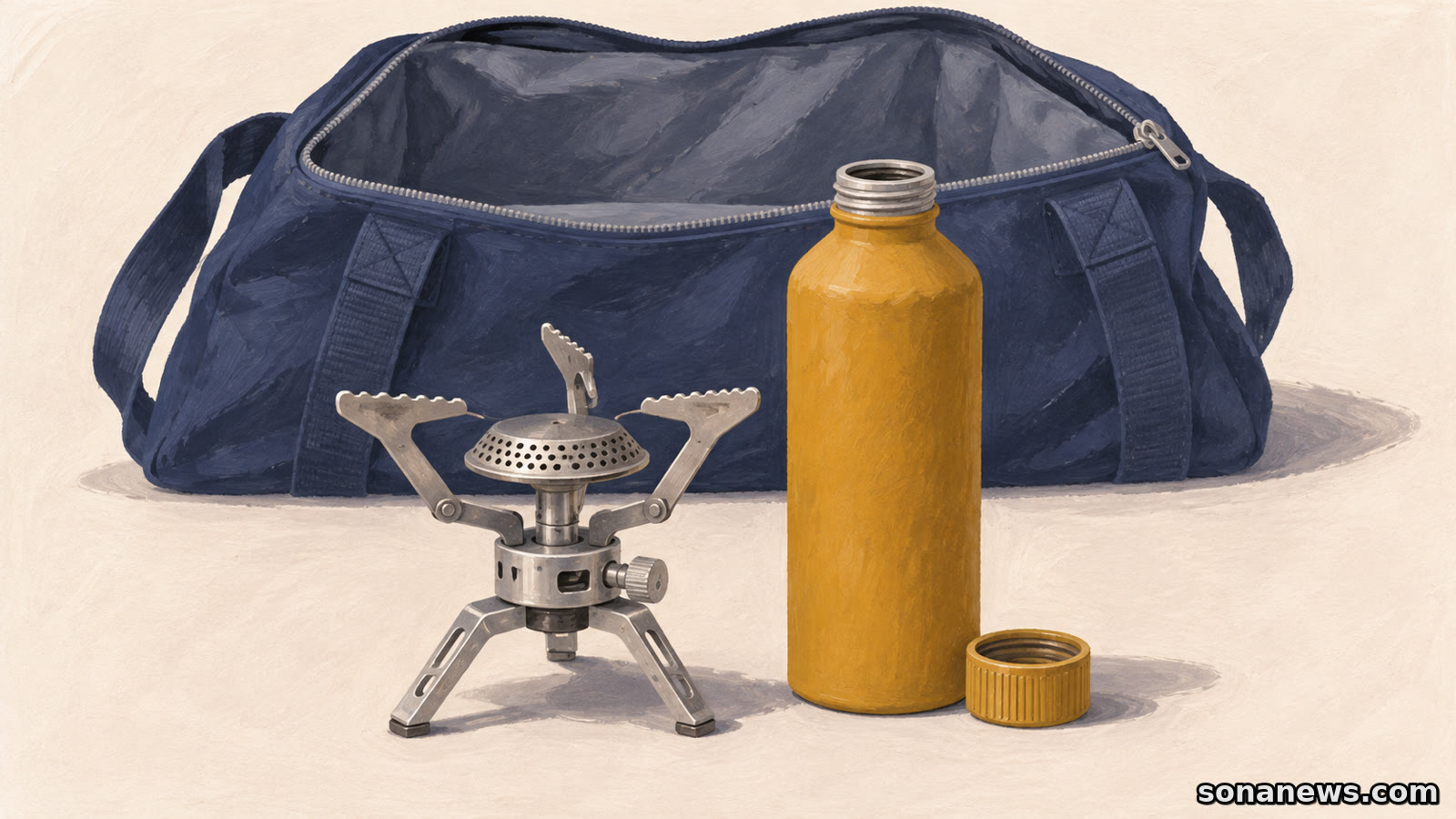

An empty camping stove can still be a problem at a US airport. The Transportation Security Administration allows camp stoves in cabin and checked bags only when they are empty of all fuel and cleaned so that no fuel vapours or residue remain. Draining the tank is not the whole test.
The distinction matters when a camping trip begins with a flight. A stove, a reusable fuel bottle and a fresh fuel canister may belong to the same cooking setup, but they do not share a single baggage permission. The Federal Aviation Administration prohibits all forms of camp stove fuel in both carry-on and checked baggage. Moving the fuel to the hold does not solve that restriction.
There is another check before packing: the airline's own policy. The FAA warns that some airlines may refuse used camping equipment that has contained fuel, regardless of how well it has been purged. These are existing US rules and guidance checked on 5 November 2026, not a newly announced ban or a worldwide permission to fly with a particular stove.
Separate the burner from the fuel question
The TSA's camp-stove listing says yes for both types of bag, but attaches special instructions. The permission concerns equipment that meets the fuel-free condition. It does not mean that everything normally stored with the stove can travel alongside it.
The FAA's separate fuel guidance is explicit about compressed fuel canisters, liquid fuels and solid fuel tablets. All forms of camp stove fuel are forbidden in both cabin and checked baggage, including containers and equipment with residual fuel. A solid tablet is not an alternative simply because it is neither a liquid bottle nor a pressurised cylinder.
For someone comparing packing options, that produces a useful first distinction: equipment and fuel are separate items to check, even when they came together as a kit. A carry-on size allowance, a paid checked bag or space in a hiking rucksack does not answer the dangerous-goods question.
This is also why a general internet answer that a camping stove is allowed can be misleading without its conditions. It may describe the burner, not the fuel beside it. Read the entry for each item rather than treating the name of the whole cooking system as an approval.
An uncapped bottle proves very little
The FAA's outdoor-equipment guidance covers camping stoves and fuel bottles completely purged of fuel. It allows equipment containing no residual fuel, vapours or other hazardous materials. That wording goes further than the everyday description of a bottle as empty.
A container can have no usable fuel left and still fall short of the stated condition. An open cap, a dry-looking exterior or the absence of visible liquid is not a clearance document. Neither this article nor a photograph can establish that a traveller's particular stove or bottle meets the requirement.
The official pages set the condition but do not provide a universal cleaning procedure for every stove, pump, hose or bottle. It would be misleading to turn them into a promise that a particular rinse, waiting period or home test guarantees acceptance. This guide does not give fuel-handling or purging instructions.
That leaves a practical planning question, rather than an airport experiment: does the operating airline accept that type of used equipment at all? If its policy rules the item out, the more general FAA allowance is not a reason to assume the airline must carry it.
Ask about used equipment, not just camping gear
The FAA's warning about airline policies is easy to miss because it follows the general permission. Some carriers may not accept used camping equipment that has held fuel, however thoroughly it has been purged. The item's history can therefore matter as well as what is inside it now.
A useful enquiry identifies the stove or bottle and says whether it has contained fuel. Asking only whether camping gear is permitted leaves the key detail unanswered. Check the operating carrier for the journey, including any onward flight, rather than assuming that one company's response covers a different airline.
The TSA also states that the final decision about an item passing the checkpoint rests with its officer. Its online listing is not an individual guarantee. Airline acceptance and security screening are related checks, but a favourable answer to one should not be presented as a promise about the other.
International itineraries need particular care over scope. This article explains the cited US guidance. It does not establish what a foreign airport, another country's aviation authority or an airline on a separate leg will accept. The return journey needs its own check, especially if equipment that left home unused has since held fuel.
Plan the cooking setup before the baggage
For trip planning, it is worth checking whether suitable fuel or alternative cooking equipment can be obtained at the destination instead of assuming the full setup can fly. That is a logistical option to investigate, not a claim that a particular shop has stock or that any locally sold fuel suits every stove.
The official pages do not settle those questions of compatibility, availability or local use. Nor do they make the rest of a camping bag automatically acceptable. A stove entry is not clearance for every other item in a kit.
The central check is simpler than the packing list: separate the fuel from the equipment, distinguish apparently empty from the official no-residue-and-vapour condition, and establish the airline's position on used kit. A smaller bottle or a different bag does not remove those questions. Resolve them before the equipment reaches the airport.
Editorial note. General travel information, not personalised legal or dangerous-goods handling advice. Do not use this article to certify, purge or modify fuel equipment. Check current official restrictions and the operating airline's policy before travel.
Sources
Help us improve
Was this article useful?
One anonymous tap helps Sona improve future reporting, headlines and source context.
Up next
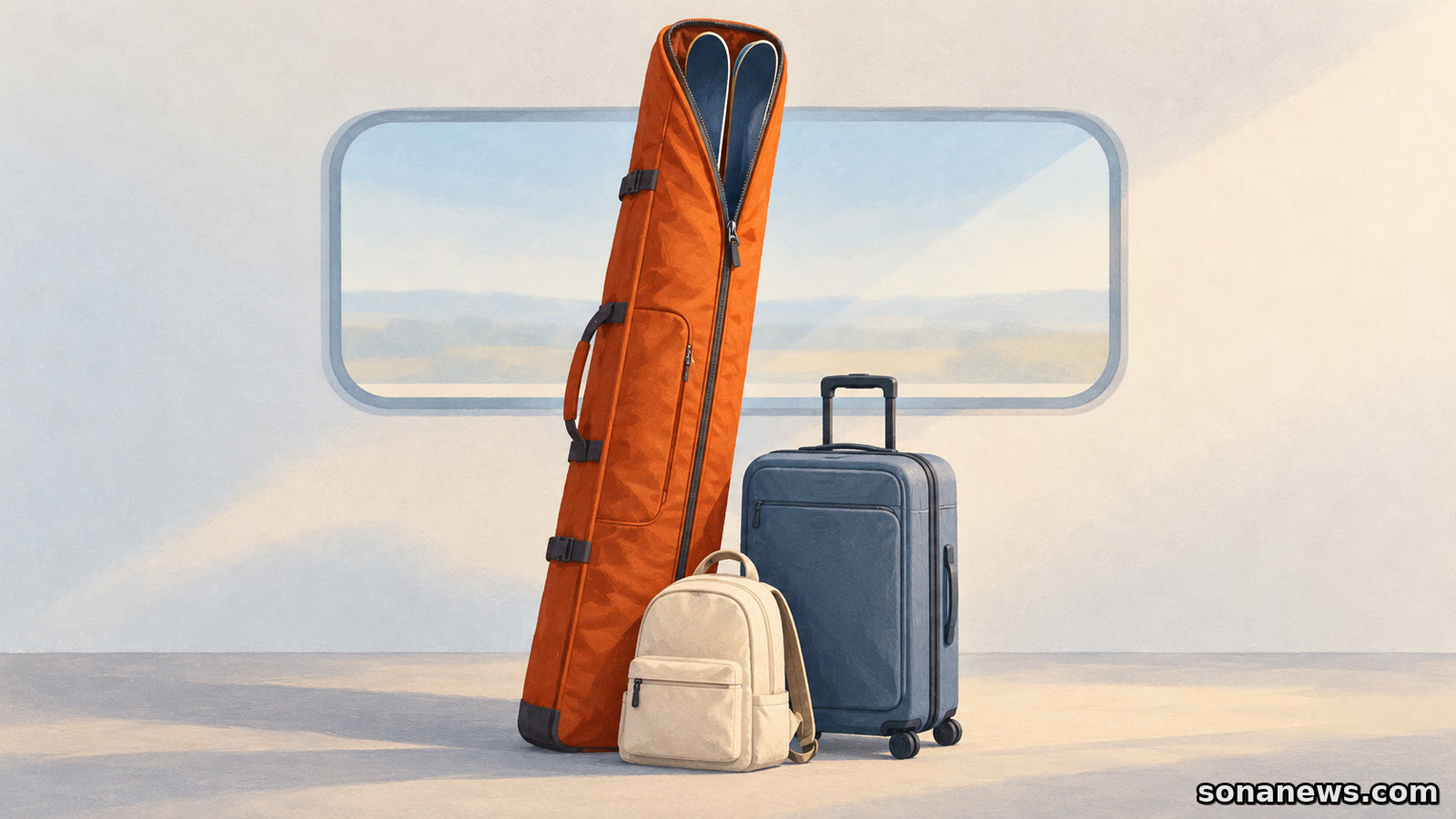
Eurostar Snow allows skis or a snowboard in addition to its two-bag allowance. A separate TGV INOUI journey uses a different count, so pack for every train, not just the first.
Continue readingMore in Travel