US COVID tests: an expiry extension must match the kit
Some home tests have an FDA-authorised date beyond the one printed on the box. That does not make every old kit usable, or keep an extension valid indefinitely.
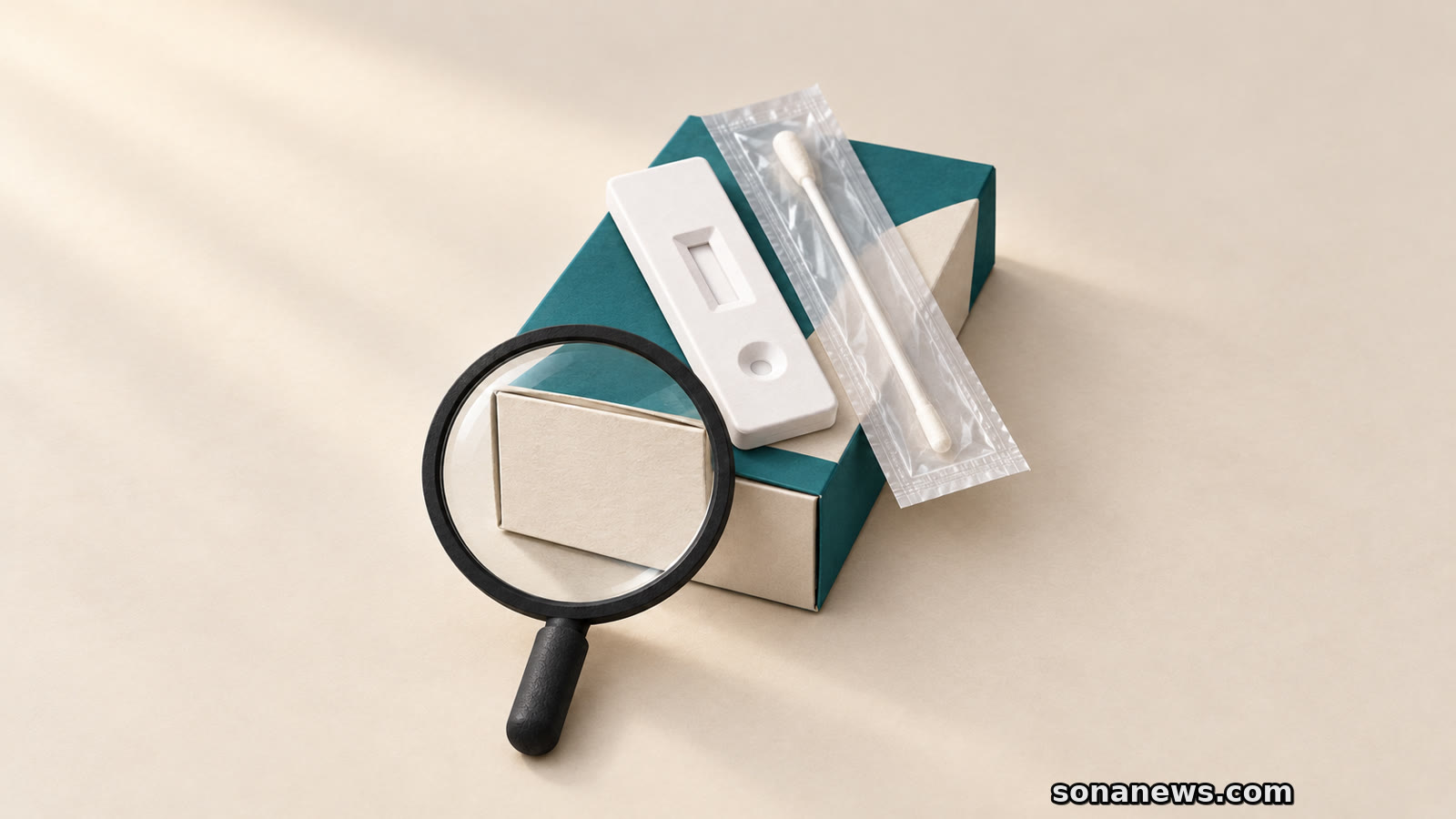

An old home COVID test can present two different questions: has the date printed on the box passed, and is that still the date that applies? In the United States, the Food and Drug Administration has authorised longer shelf lives for some tests after manufacturers supplied additional data. The printed date alone may therefore not settle the matter.
But the opposite shortcut is no better. A headline saying that test expiry dates were extended is not permission to use any kit left in a cupboard. The relevant extension must cover the product and, where specified, its lot. The replacement date must also still be in the future or current. An extension can itself expire.
This is an explanation of an existing US regulatory process, not a newly announced extension for all COVID tests. Readers elsewhere need the information that applies to the product and authorisation in their own country, rather than assuming a US listing covers their box.
The FDA explains shelf life as the period during which a test should work as expected, measured from manufacture. The expiry date marks the end of that period. An extension means the manufacturer supplied data showing a longer shelf life than was established when the test was first authorised.
That is evidence about a product's performance over time. It is not a conclusion that expiry dates do not matter. Nor is it a reason to add a few months to a box date by guesswork. The authorised information, rather than a household calculation, determines which later date applies.
The FDA's October 2024 consumer bulletin made both sides clear: tests covered by an extension can be used beyond the printed date, but expired tests without an extension should not be used. That bulletin is useful background. It is not a current inventory of every usable kit, and its publication date should not be mistaken for a new announcement today.
The FDA maintains a searchable table of authorised over-the-counter home COVID tests. It includes the manufacturer and test name, links to instructions, and an expiration-date column. Some rows link to an extended-date document. Others say to see the box label.
The full product name matters because a manufacturer can have more than one test in the table. A COVID-only test and a combined COVID-and-flu test are not interchangeable entries merely because their packaging shares a brand. Neither is a familiar box colour enough to establish that an extension applies.
Where the linked document lists lot numbers, those numbers identify the batches covered. The task is to match the actual package to the document, not to find any reassuring date on the page. A saved screenshot or an old search-result snippet may omit the product name, batch restriction or later date that makes the entry meaningful.
For an unidentified kit, the uncertainty remains unresolved. This article cannot establish an expiry date from a description, a similar-looking package or the memory of an earlier extension. Product-specific questions belong with the manufacturer and its authorised instructions.
One document linked from the FDA table illustrates the problem particularly well. It covers specified lots of the Flowflex Plus COVID-19 and Flu A/B Home Test and records an extension granted on 1 July 2025. Its two groups move printed expiry dates in November and December 2025 to August and September 2026 respectively.
Both of those extended months are already past as of 20 October 2026. The document is genuine evidence of an extension, but it does not by itself establish that those lots are still in date today. A further applicable authorisation would need to be verified, not assumed.
Those dates are an example from the listed batches, not a claim about every Flowflex product or every box sold under that name. The useful lesson is narrower: finding the words "extended expiration date" is only the beginning of the check. The actual replacement date still matters.
A valid date does not erase the conditions under which a test is expected to work. The FDA's home-testing FAQ explains that performance can be affected by temperature and that the validated conditions are set out in each test's instructions for use.
The agency distinguishes ordinary shipping conditions from prolonged exposure to high temperatures, such as a package left outside in heat for several days. An expiry extension is not evidence that a particular kit has been stored correctly. The date and the storage history answer different questions.
There is no universal storage limit or home-testing procedure supplied here. The product instructions remain the reference for those details, including how the test is performed and read. A shelf-life document cannot replace them.
Finally, expiry and interpretation are separate. The US Centers for Disease Control and Prevention says a single negative antigen test cannot rule out infection. Antigen tests are generally less likely to detect the virus than nucleic acid amplification tests, including PCR, particularly when symptoms are absent.
CDC points readers to FDA and manufacturer guidance on repeat testing after a negative antigen result. That limitation applies even to a correctly stored, in-date kit. Confirming an expiry extension does not turn one negative result into an all-clear certificate.
The cupboard check is therefore about verifying the tool, not diagnosing the person. Exact product, applicable lot, current expiry date and instructions belong together. The reassuring word "extended" is not a substitute for any of them.
Editorial note. This article provides general health information, not medical advice, a diagnosis or treatment. It cannot determine whether an individual test kit is usable or interpret a personal result. Follow the current authorised instructions for your product and discuss symptoms or medical concerns with a qualified healthcare professional. Do not delay medical care because of this article or a home-test result.
Sources
Help us improve
Was this article useful?
One anonymous tap helps Sona improve future reporting, headlines and source context.
Up next

US and UK health guidance makes the same distinction: alcohol hand gel has a role in everyday hygiene, but it is not a substitute for handwashing against norovirus.
Continue readingMore in Health