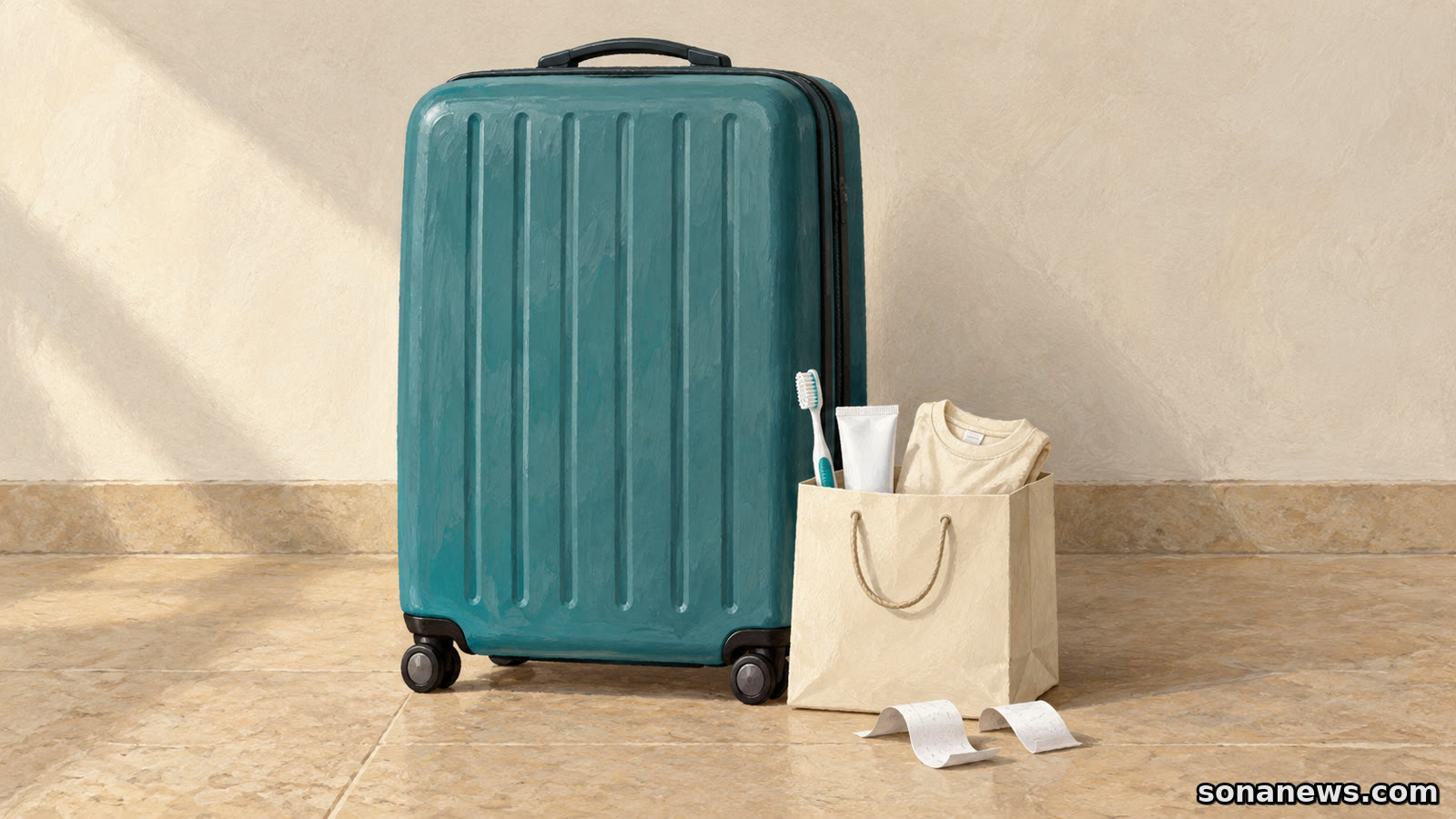
Flying to Australia with hiking boots? Cleaning does not replace declaring
Australia's biosecurity checks cover used outdoor gear, not just food. Clean, dry boots can still need a declaration and inspection.
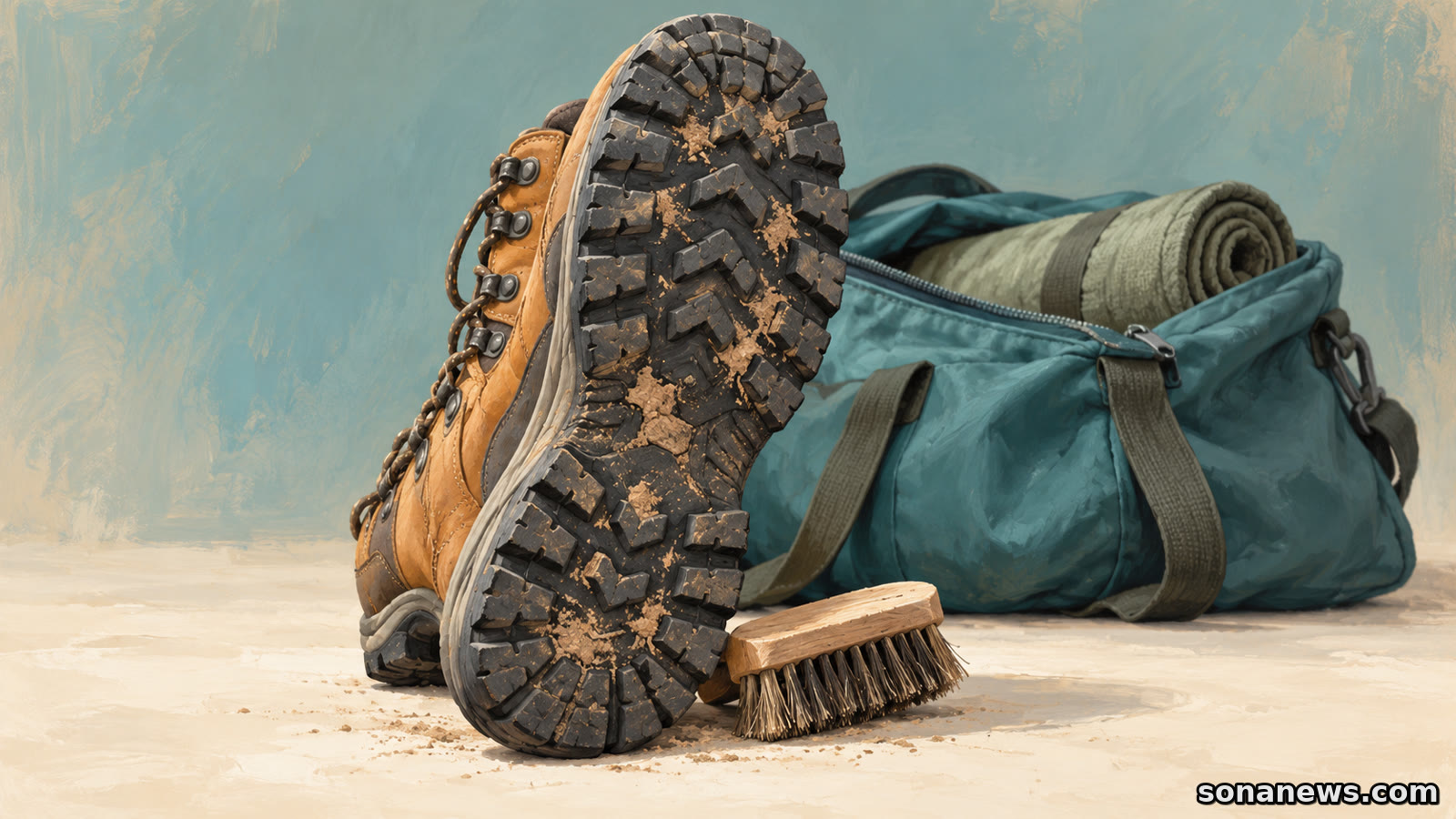

The hiking boots going into a suitcase for Australia deserve a second look, even when the food has already been taken out. Soil caught in the tread, seeds on clothing and contamination on camping equipment are part of the country's biosecurity checks. The fact that an item is personal kit rather than a souvenir does not put it outside those checks.
The important distinction is between **cleaning an item and declaring it**. Australia's Department of Agriculture, Fisheries and Forestry (DAFF) says footwear, clothing and equipment used in rural areas or near animals must be thoroughly cleaned and declared on arrival. Scrubbing the soles is preparation, not a substitute for answering the arrival questions truthfully.
This is a guide to existing requirements, checked on 18 October 2026, not an announcement of a new boot ban. The same basic issue matters to visitors bringing outdoor gear and residents returning with equipment they already owned.
DAFF's arrival guidance says sporting and recreational equipment should be dry and clean, meaning free from soil, seeds and grass. It names golf clubs, bikes and prams as examples. Its guidance for returning residents also includes hiking, fishing and camping equipment, footwear and wetsuits.
That makes the packing check broader than a quick glance at a shoe's upper. The useful question is what has been in contact with the ground or water overseas, and what might still be attached. A backpack used for camping belongs in that review alongside the boots, rather than being treated as a neutral container for everything else.
The department's traveller alerts explain why it pays attention to these ordinary possessions. Shoes, clothing, camping gear and equipment used around animals can carry contamination associated with livestock-disease risks. Travellers do not need to identify a pathogen themselves. They need to follow the preparation guidance, declare relevant items and activities, and let biosecurity officers assess the risk.
DAFF gives a specific shoe-cleaning sequence in its foot-and-mouth disease advice. First, shake or scrape away loose contamination, including soil, manure and plant matter. Then thoroughly wash the soles, laces, hook-and-loop fastenings and external surfaces using soap or detergent, water and a brush.
The final step matters: dry the shoes well and check again. If any contamination remains visible, the department says to repeat the procedure. A shoe that looks presentable from above may still have material trapped elsewhere, which is why the guidance lists several parts rather than simply saying to wipe the footwear.
For packing purposes, this is work to leave time for before departure, not a task to assume can be finished at the arrival desk. Drying is part of the official advice. A last-minute rinse followed by putting wet equipment into luggage does not match the clean-and-dry standard the department describes.
Cleaning is also not a guarantee of clearance. DAFF says shoes may still be inspected and further treatment may be required. The article's practical point is to prepare for that assessment, not to promise a cleaning method that exempts a traveller from it.
The department's general goods guidance is explicit about items used in rural areas or near animals: clean them thoroughly **and** declare them. Its traveller alerts separately tell passengers to declare relevant rural visits or contact with farm animals, even after cleaning their shoes.
Those are related but distinct pieces of information. One concerns the goods being carried; another concerns where the traveller has been and what contact they have had. A freshly cleaned object does not erase the underlying travel history. The declaration in use and the officer's questions, rather than a personal interpretation of whether the boots look risky, determine what information is required.
For anyone unsure about an item, DAFF's returning-traveller guidance says to declare it. It also makes an important reassurance: declaring something does not automatically mean it will be confiscated. That is a better starting point than hiding uncertainty in the hope that a clean-looking bag will not attract attention.
This guidance should not be turned into a claim that every ordinary city shoe is prohibited, or that every traveller needs to abandon their outdoor equipment. The official concern is biosecurity risk, and the department provides a process for assessing it.
Australia screens incoming air and cruise travellers and their baggage using methods including X-rays, detector dogs, physical inspection and questions. DAFF says declared risk goods are assessed through its biosecurity process; goods that do not pose a risk are returned.
Where a risk remains, officers may direct treatment, export or destruction. The traveller alerts say treatment for unacceptable biosecurity risk may be at the traveller's expense. That possible cost is different from a penalty for failing to declare or providing false information. Truthful declaration does not guarantee that an item can stay, but it is not itself an admission that a penalty is due.
Residents should not assume that equipment bought in Australia is exempt when brought home. DAFF specifically warns that possessions taken overseas can become contaminated there. Where the item was purchased does not explain where it has subsequently been used.
A useful pre-departure review starts with the equipment actually travelling: boots, outdoor clothing, camping gear and any sporting items that have picked up soil or plant material. Clean and dry them in line with the official advice, check the baggage itself, and make the required declaration on arrival.
There is no universal clearance promise for every kind of outdoor equipment. DAFF points travellers to its goods guidance and Biosecurity Import Conditions system, BICON, for detailed requirements. It also warns that import conditions can change, so repeat visitors should check again rather than rely on the previous trip.
The distinction worth keeping is simple: clean equipment reduces the material travelling with it; a truthful declaration gives officers the information needed to assess it. Neither step replaces the other.
Editorial note. General travel information, not personalised legal, immigration or biosecurity advice. Check current Australian government guidance and follow the instructions of border and biosecurity officers for your goods and circumstances.
Sources
- [DAFF: Bringing or mailing goods to Australia]( - Verified 18 October 2026. Explicit requirement to clean and declare footwear, clothing and equipment used in rural areas or near animals; BICON referral for detailed conditions
- [DAFF: Travelling to Australia]( - Verified 18 October 2026. Clean-and-dry standard, soil/seeds/grass, examples including bikes and prams, screening methods, possible treatment/export/destruction and returned goods that pose no risk. No penalty amount reproduced
- [DAFF: Advice to travellers]( - Verified 18 October 2026. Foot-and-mouth disease section supplies the shoe-cleaning sequence, continued declaration obligations, inspection and possible treatment costs. Disease alerts are explanatory context, not a claim that any illustrated boot carries infection
- [DAFF: Returning to Australia]( - Verified 18 October 2026. Previously owned items can become contaminated overseas; clean/dry outdoor equipment; check baggage; declare if unsure; declaration does not automatically mean confiscation
Help us improve
Was this article useful?
One anonymous tap helps Sona improve future reporting, headlines and source context.
Up next
London-Paris requires a packed bike, London-Amsterdam accepts assembled road bikes, and continental services have a different wheels-off rule.
Continue readingMore in Travel